Tag Archives: Monarch Butterfly Migration

Hello From Cape May and Stone Harbor!

Whirlwind trip to Cape May to check on the late, great Monarch migration of 2017. Leaving at 5am, from Gloucester, it is an eight to nine hour drive. I spent the afternoon and evening there and then left the following day at noon. Although brief, I found all that I was looking for and much, much more. There are vast areas of wildlife habitat along the southern New Jersey coastline and so many beautiful connections between Cape Ann and Cape May; I would love to return again soon!

The Monarchs are in trouble. I am hoping with all my heart that the tens of thousands that are currently held back by winds blowing from the wrong direction, along with intermittent inclement weather, will be able to cross the Delaware Bay as soon as possible. Will write much more this weekend after catching up with work and after I am able to sort through photos.

https://www.instagram.com/p/BauEf2TFL5WBYG7-fazJODwkpfv1WKkZHQYV0k0/

Cape May Lighthouse

Where Do All the Monarchs Go?

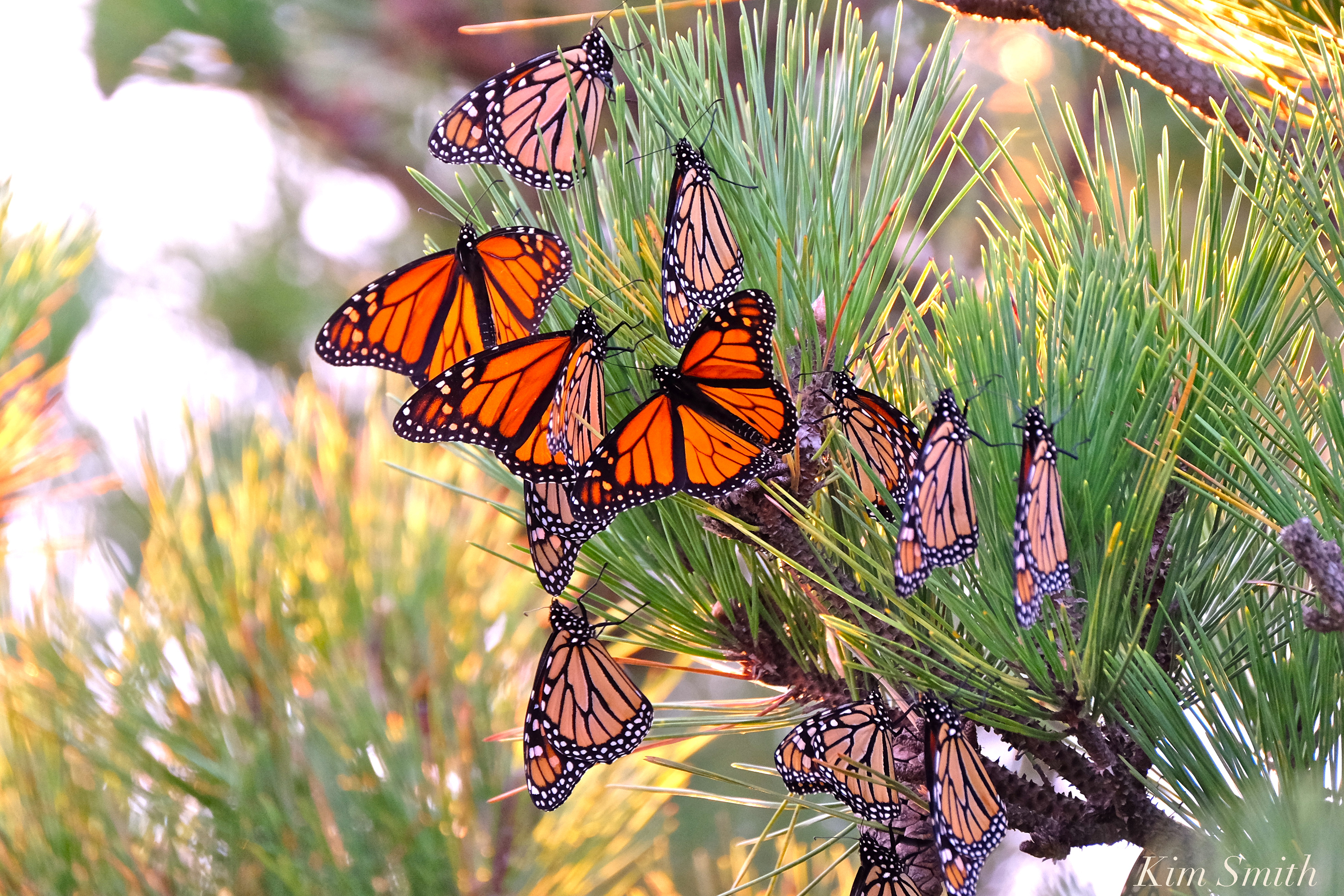
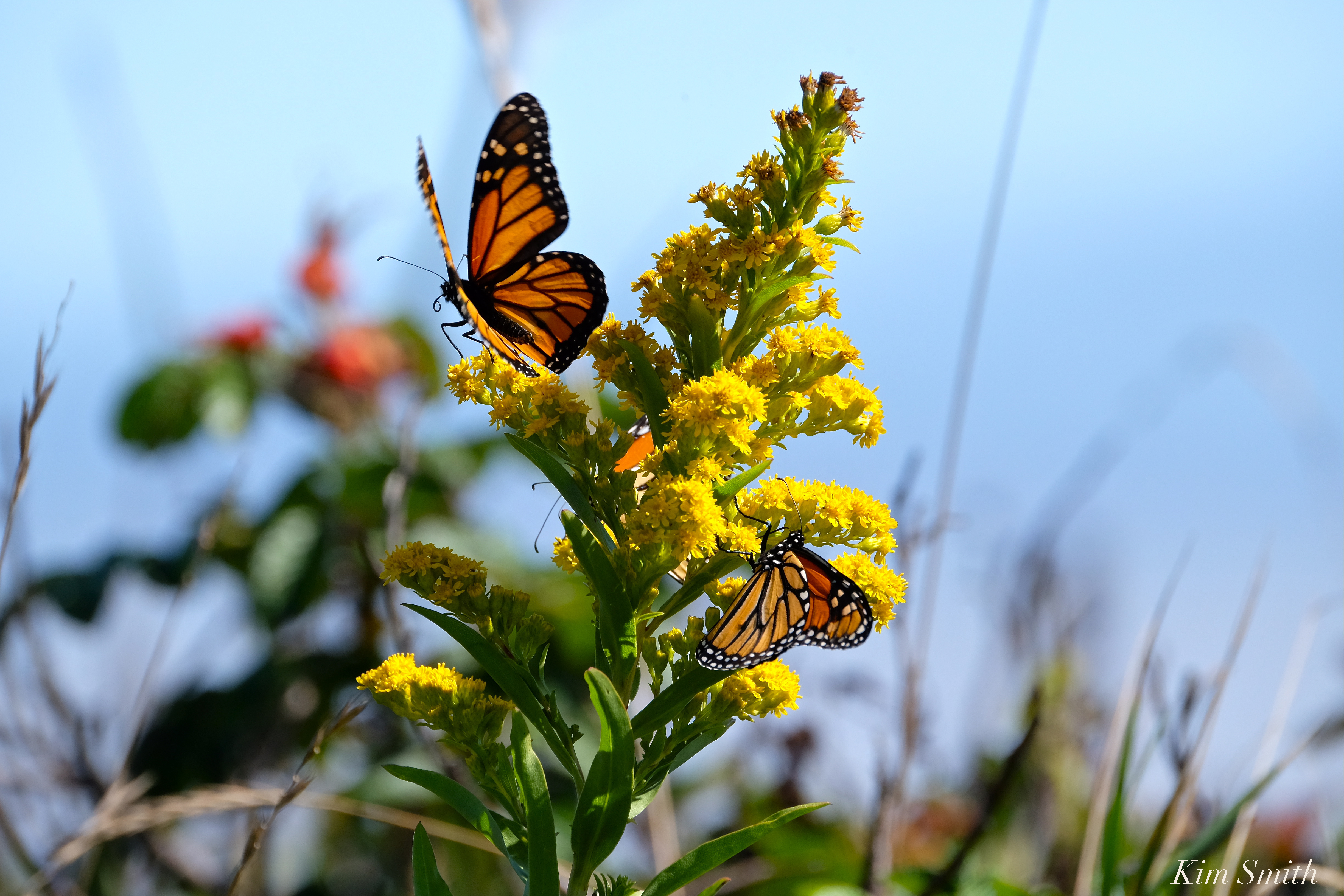
After departing the shores of Cape Ann in autumn, where is the Monarch’s next destination on their several thousand mile journey to Mexico?  Cape Ann Monarchs join the stream of Monarchs that are migrating southward along the Atlantic Coast. They hug the coastline, crossing bays and ponds, and pausing at beaches to nectar and rest when caught in a headwind or during a storm. When weather and habitat variables combine to create a favorable year for the Monarchs, there may be tens of thousands, perhaps hundreds of thousands, of butterflies traveling along the Atlantic Coast beaches.

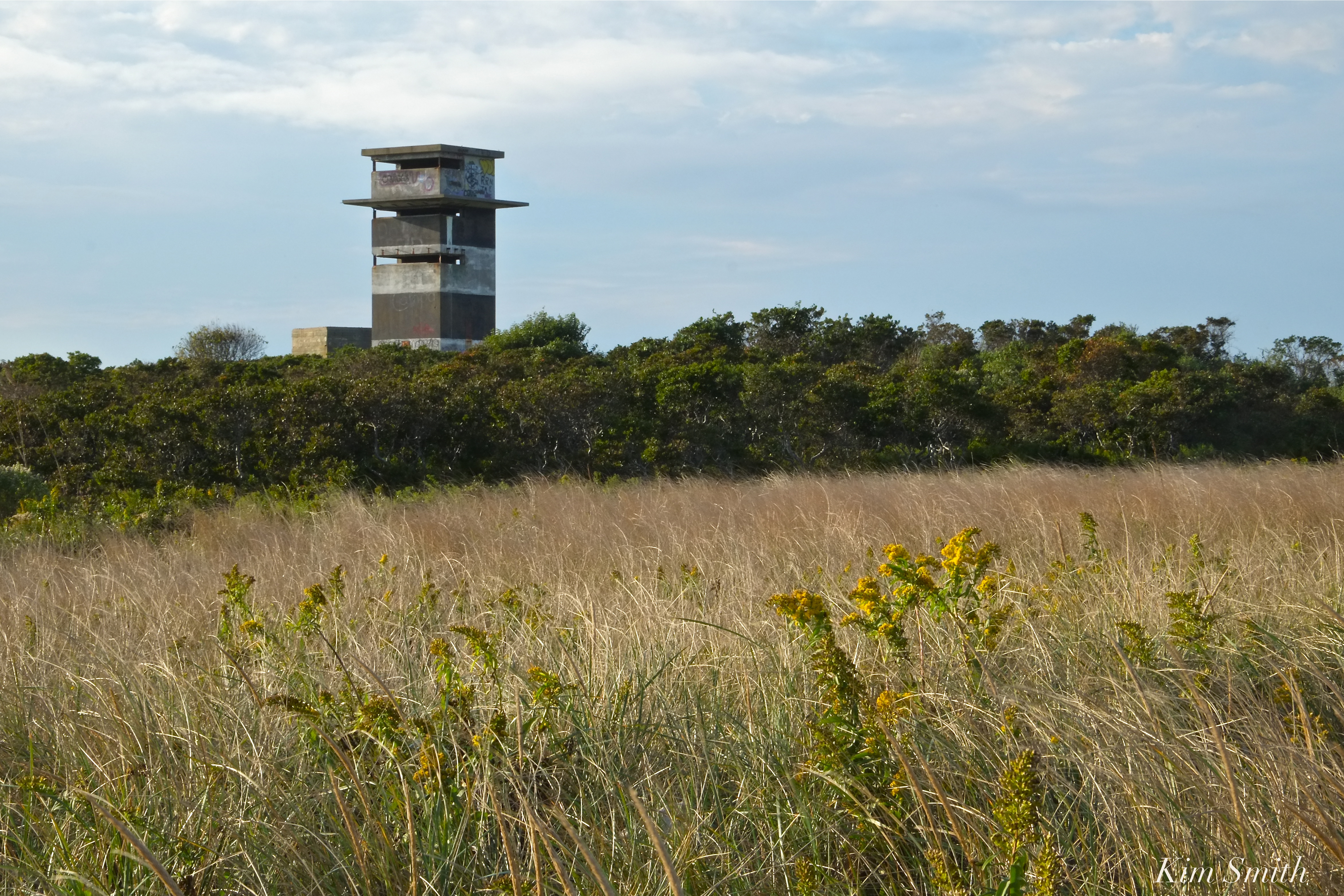
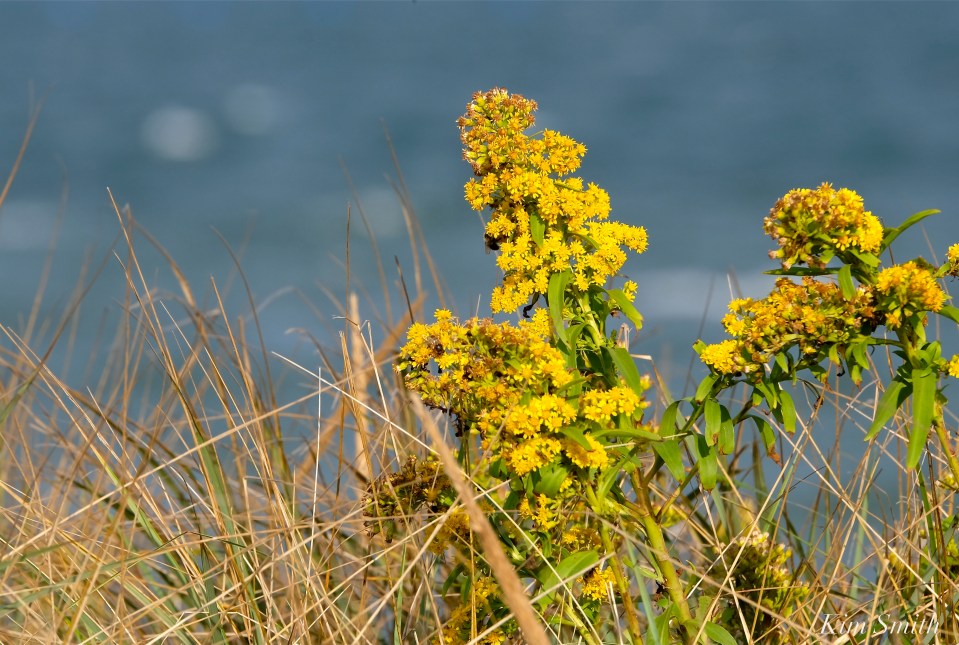
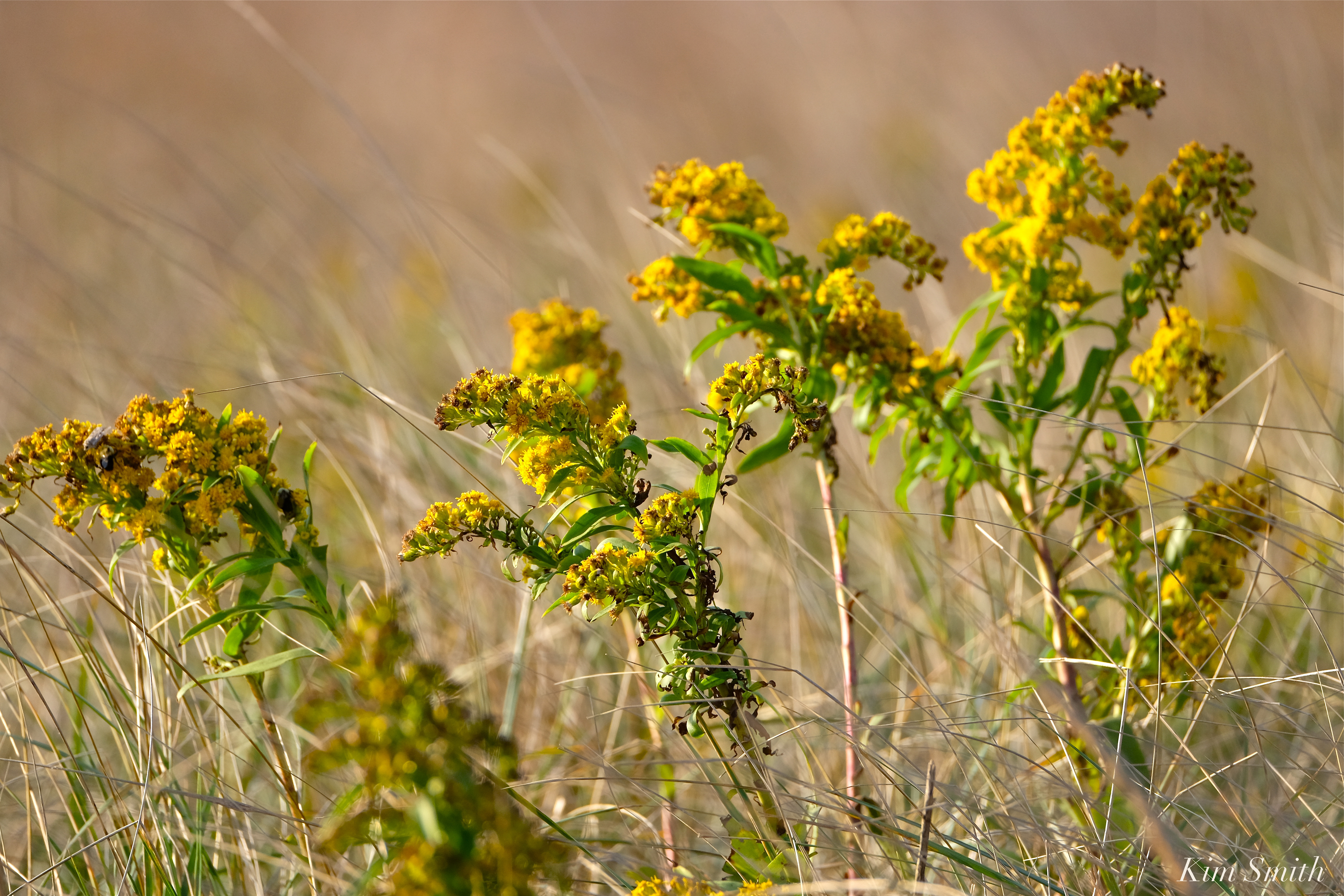
The Gooseberry Island old lookout tower is surrounded by a sea of Seaside Goldenrod.

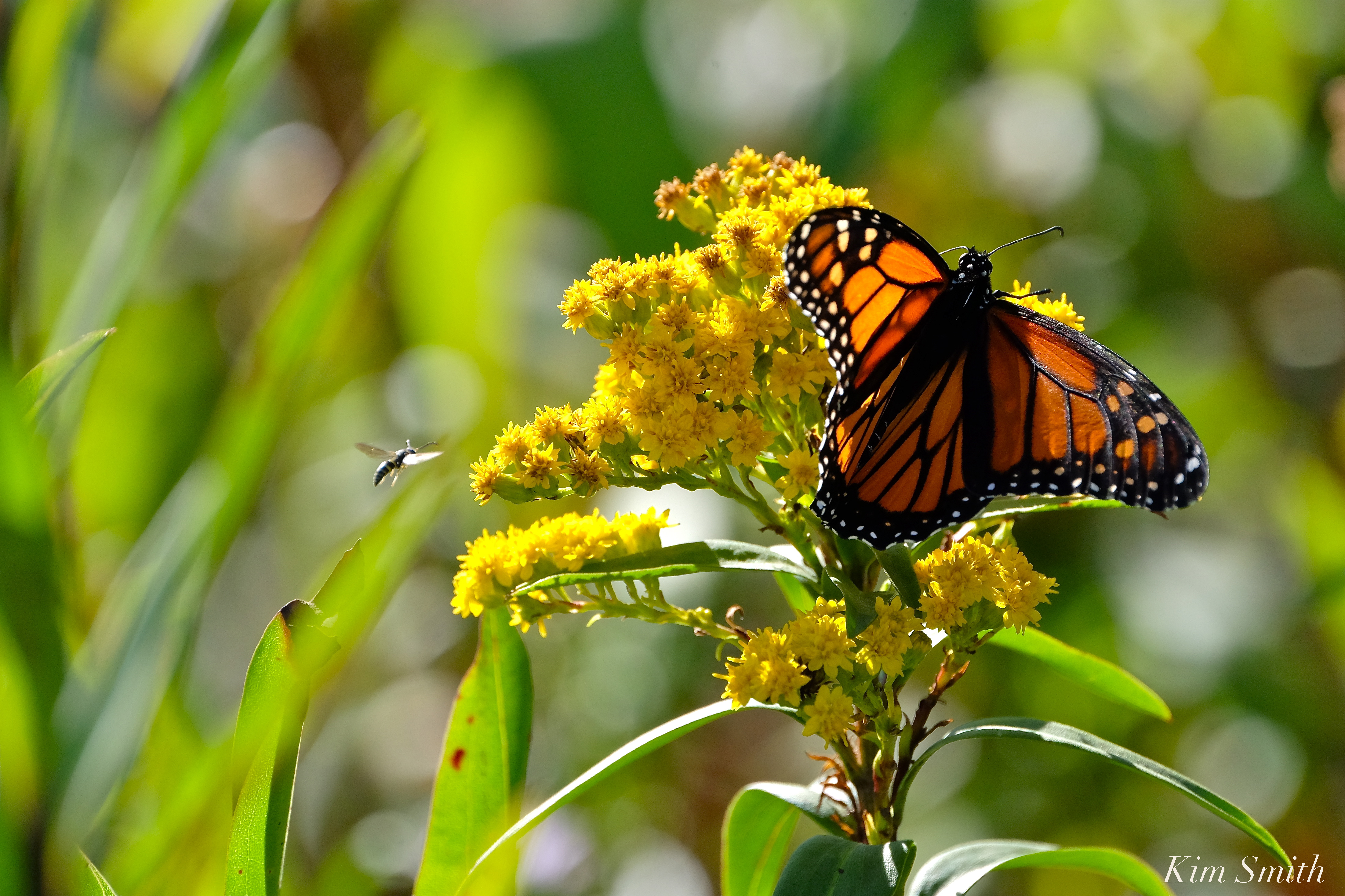
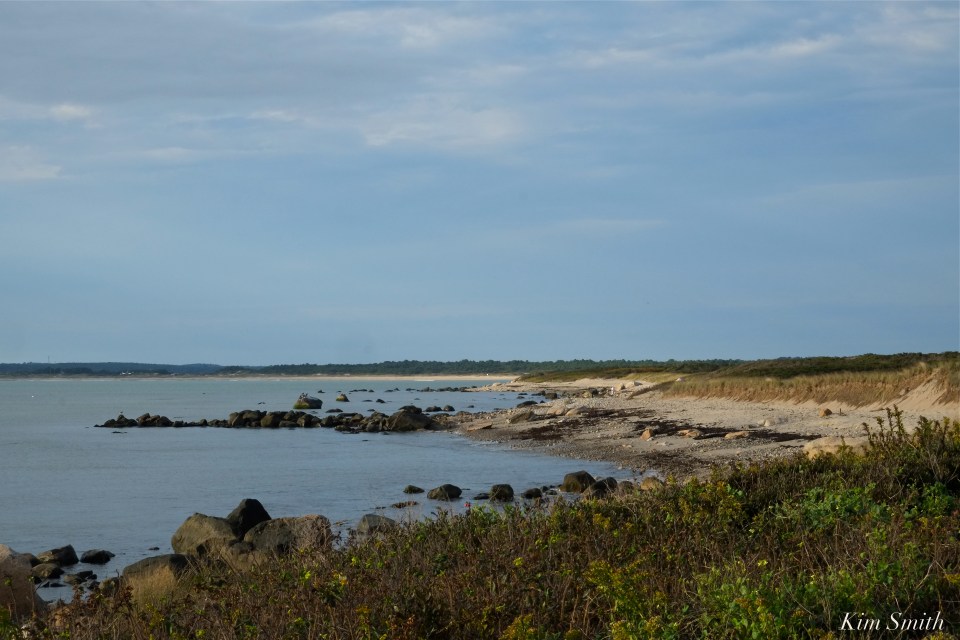
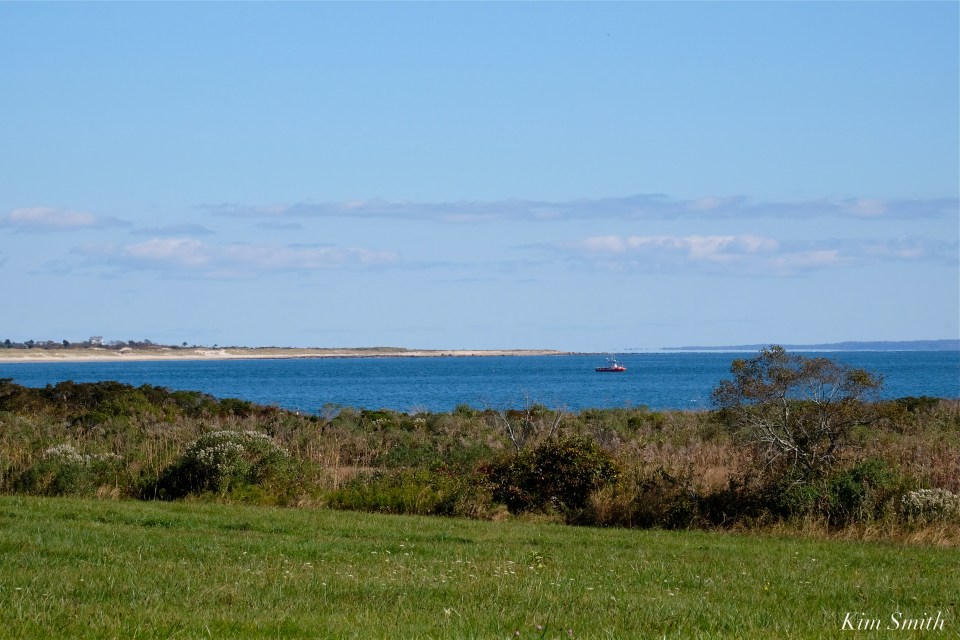
The next major stopover is Westport in Massachusetts, at Gooseberry Island and Allen’s Pond Wildlife Sancturary. Here they find dunes and fields of nectar-rich wildflowers such as Frost Asters, Purple-stemmed Asters, Seaside Goldenrod, Knapweed, Red Clover, and more.

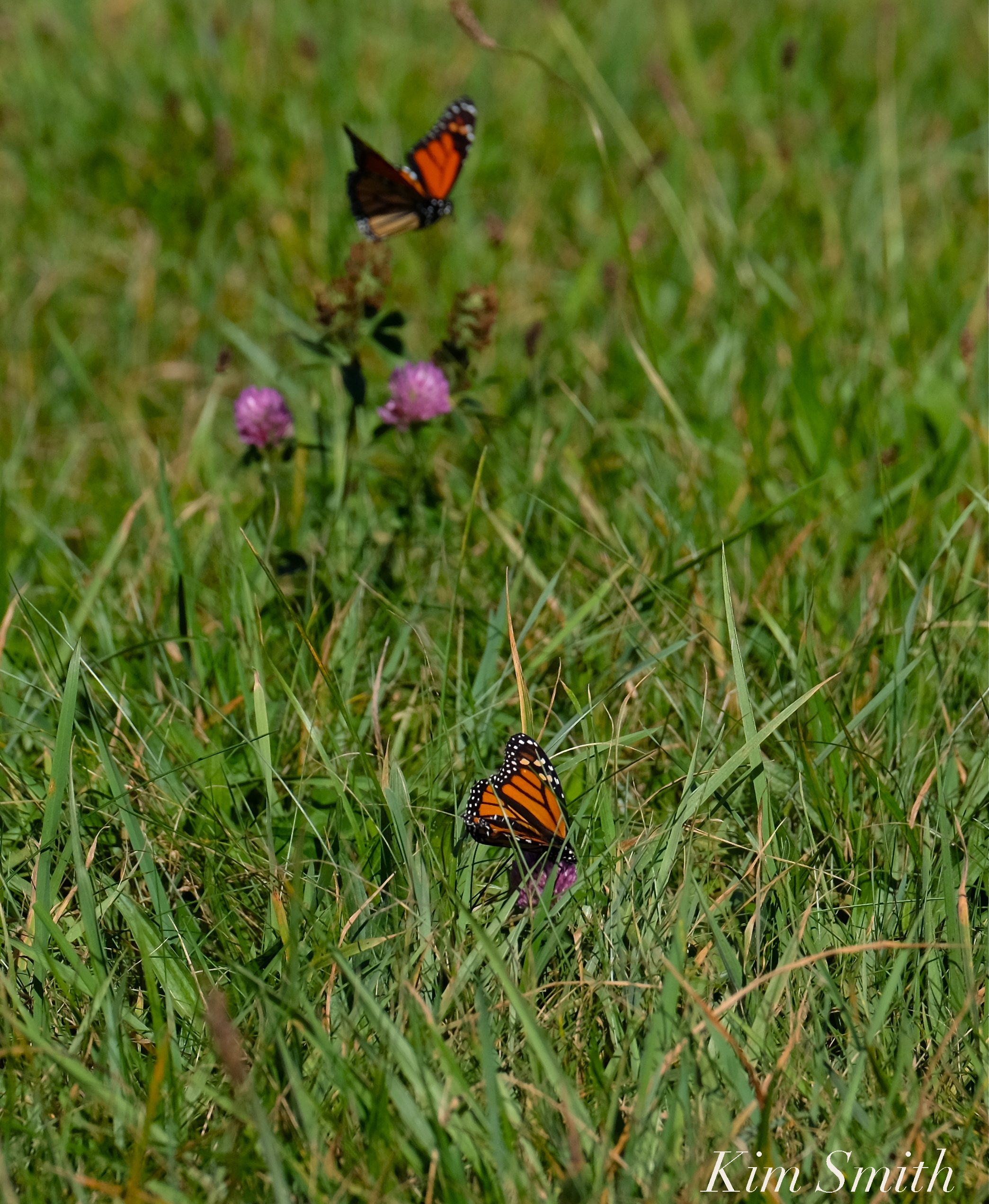
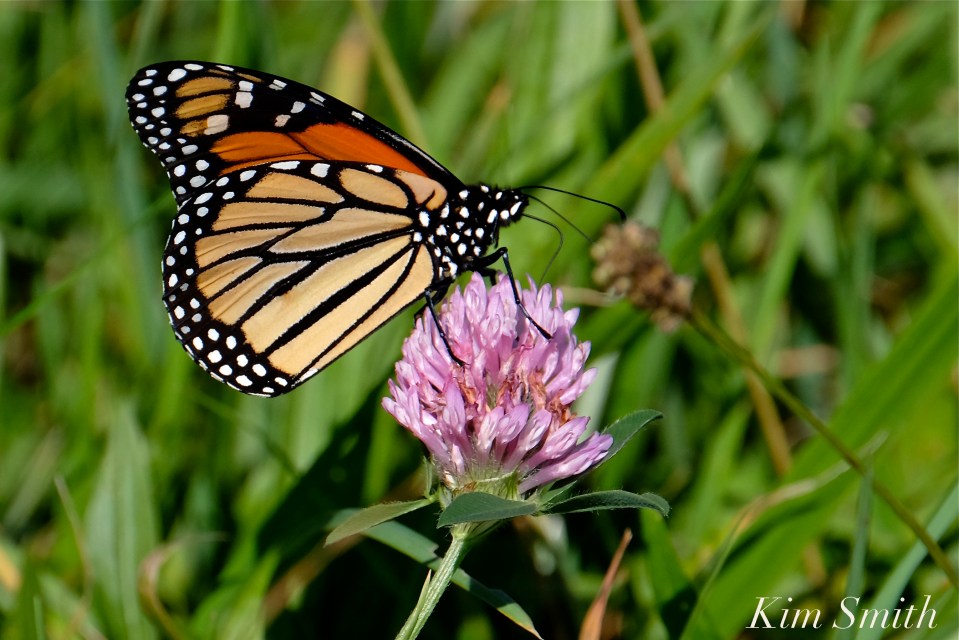
Monarchs drinking nectar from Red Clover at Allen’s Pond Middle Meadow.

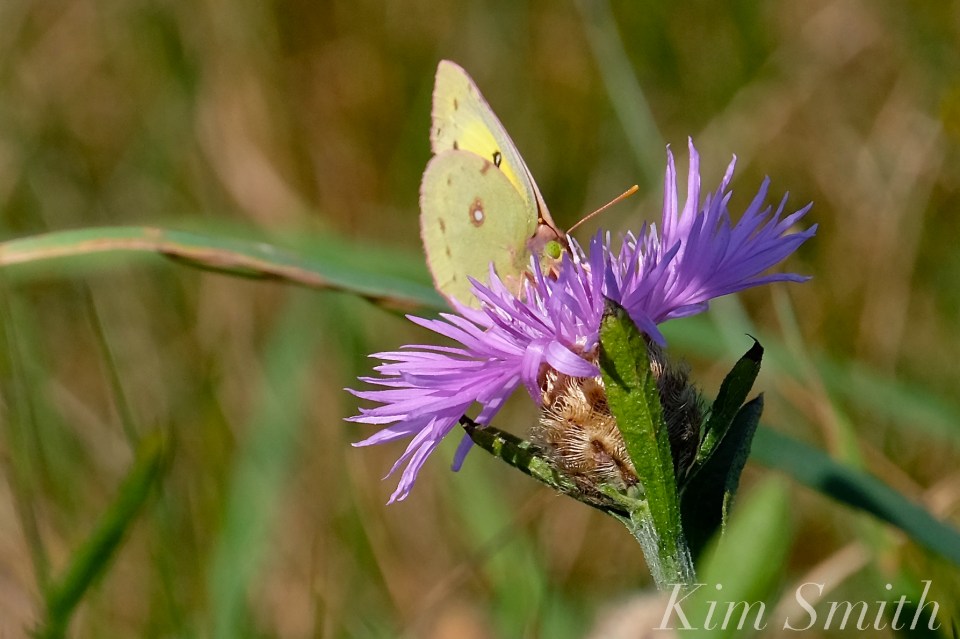
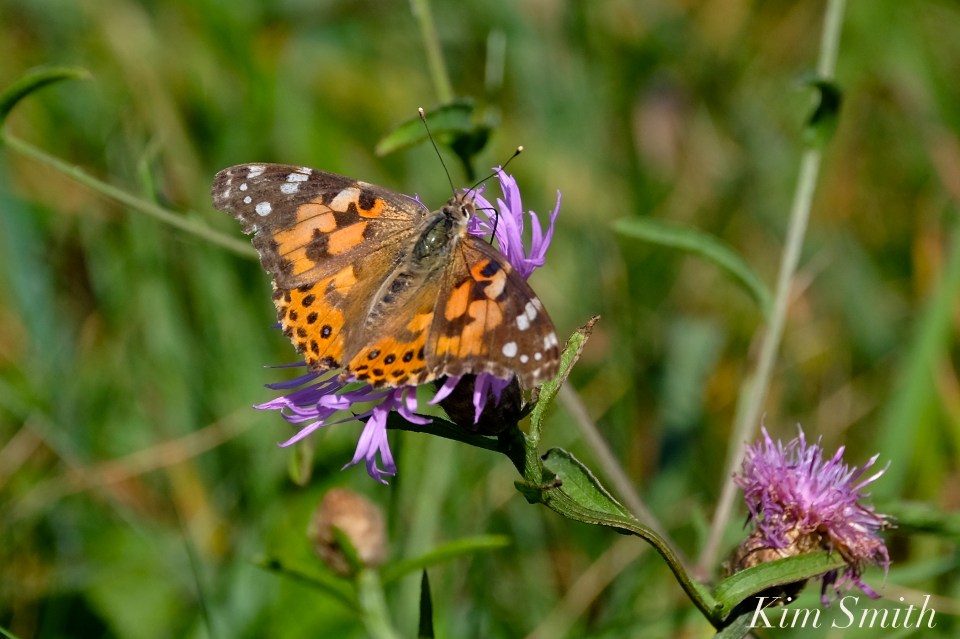
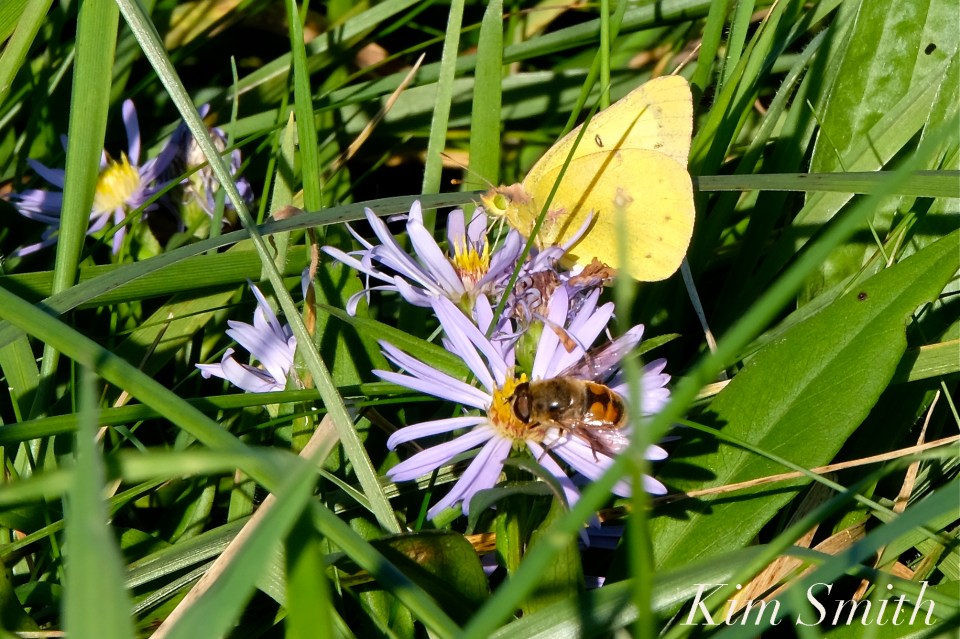
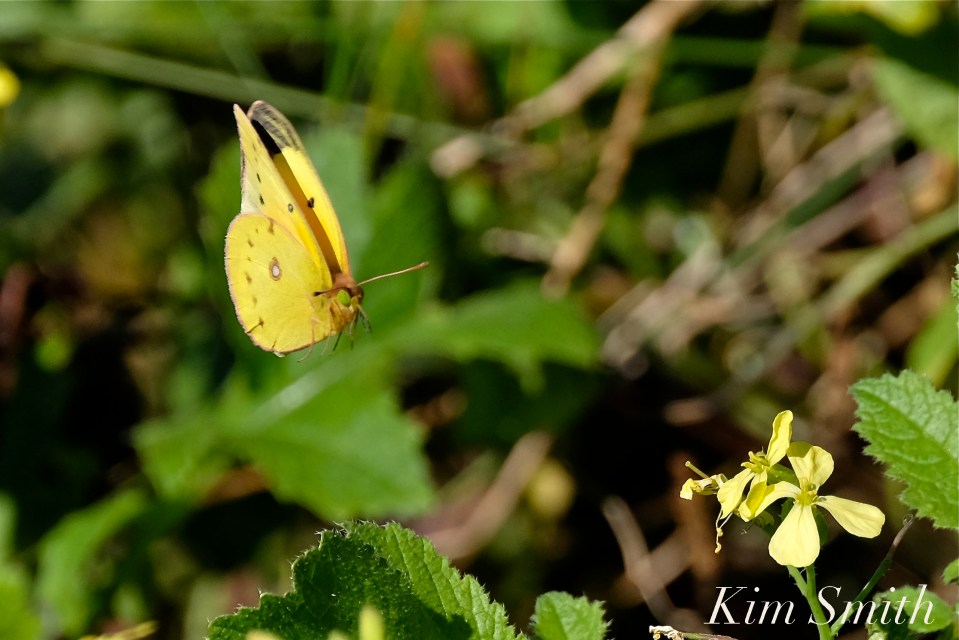
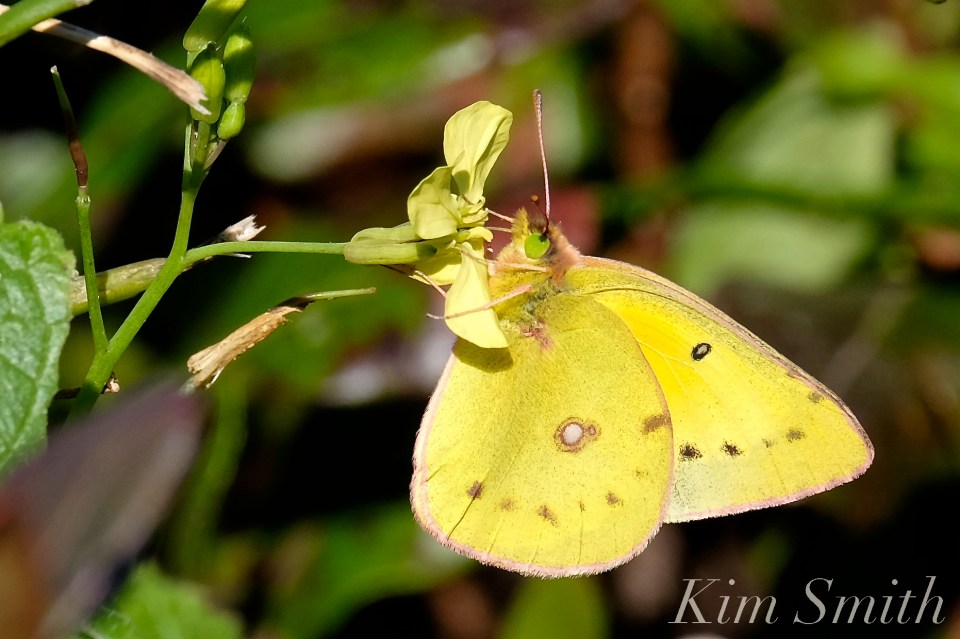
The sanctuary at Allen’s Pond is host to many species of butterflies during the Monarch’s fall migration, including Clouded Sulphurs, Orange Sulphurs, and Painted Ladies.  They, too, drink nectar from the Knapweed, Red Clover, asters, goldenrod, and Black Mustard in the sanctuary fields.

The Atlantic Monarchs next head to New York, traveling along the coast of Long Island, from the eastern tip of Montauk, southwest to Fire Island, and continuing to Coney Island. On the day of October 9th, because of a storm passing through, a batch of migrating Monarchs was “stuck” on Plumb Island in Brooklyn.  After the storm passed the following morning, tens of thousand of Monarchs were observed flying over the dunes and along the beach, resuming their journey south.

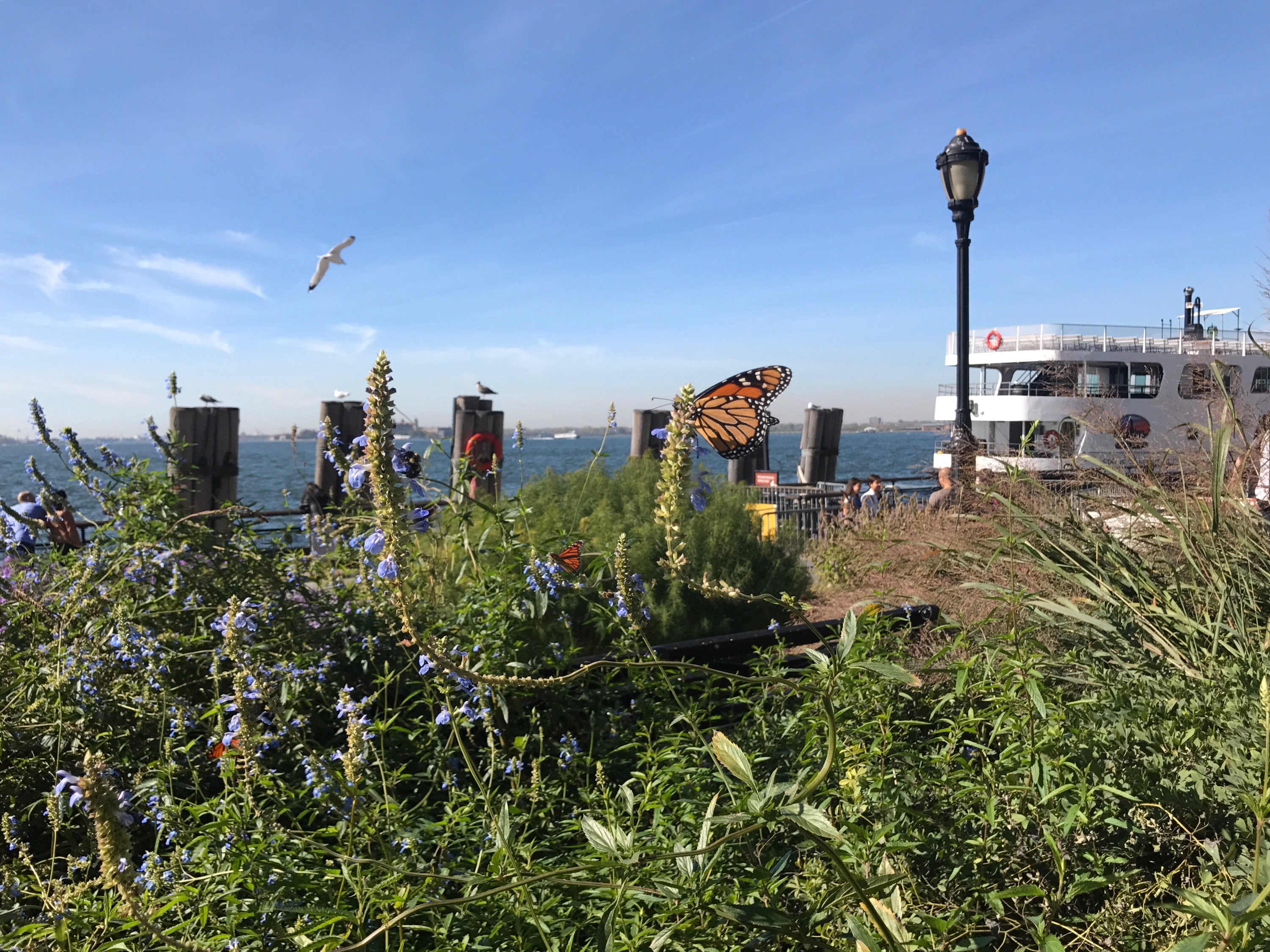
Monarchs in the gardens at Battery Park with ferry to the Statue of Liberty in the background. Liv Photo.

Our daughter Liv reports that over the weekend of October 21-22, New York City was teeming with Monarchs. She observed hundreds at Coney Island on Saturday, and even more at the gardens at Battery Park on Sunday. Liv has even seen them in the NYC underground subway stations!
After departing the shores of Long Island and NYC, the next great stopover and roosting area is Cape May, New Jersey. The Monarchs pause along the way, stopping to drink nectar and rest on the barrier beaches of the Jersey Shore. Latest field reports suggest that the dunes and fields of Cape May are rife with Seaside Goldenrod that is still in bloom. I am on my way there today and will report all that I see.

From Cape May Point the Monarchs travel ten miles across the Delaware Bay, then journey along the eastern shores of Delaware, Maryland, and Virginia. Some years the Monarchs converge by the millions at the Virginia National Wildlife Refuge waiting for the right winds to carry them across the Chesapeake Bay.

Some Monarch Butterflies travel to Florida, but most are funneled in through the Appalachian and Rocky Mountains, on into Texas and central Mexico.

https://www.instagram.com/p/BaIN9gcFtxOrWP27M6OactjFI6UB_VYRPCaaU00/

If you would like to help towards the completion of my documentary film Beauty on the Wing: Life Story of the Monarch Butterfly, filmed in the wilds of Cape Ann and Angangueo, Mexico, please consider making a tax deductible donation here:

DONATE HERE

Donors contributing over $5,000. will be listed in the credits as a film producer.

For more information, visit the film’s website here: Monarch Butterfly Film

For an overview of the film’s budget, please go here: Budget

Thank you so very much for your help.

With gratitude,

Kim Smith

$20,450.00!!! RAISED FOR “BEAUTY ON THE WING” DOCUMENTARY! THANK YOU KIND DONORS!!!!!!!!!!!!!!!!!!!!

WITH THE GREATEST JOY AND APPRECIATION FOR OUR COMMUNITY OF FRIENDS AND SPONSORS, I AM OVERJOYED TO SHARE THAT TO DATE WE HAVE RAISED $20,450.00 FOR THE DOCUMENTARY FILM “BEAUTY ON THE WING” ONLINE FUNDRAISER!!!

MY DEEPEST THANKS AND GRATITUDE TO LAUREN MERCADANTE (PRODUCER), SUSAN FREY (PRODUCER), NEW ENGLAND BIOLABS FOUNDATION, LAUREN M., MARION F., ELAINE M., DONNA STOMAN, PEGGY O’MALLEY, JOEY C., CATHERINE RYAN, JOEANN HART, JANE PAZNIK BONDARIN AND ROBERT REDIS (BOTH FROM NEW YORK), NUBAR ALEXANIAN, PETER VAN DEMARK, PATRICIA VAN DERPOOL, FRED FREDERICKS (CHELMSFORD), LESLIE HEFFRON, JIM MASCIARELLI, DAVE MOORE (KOREA), LILIAN AND CRAIG OLMSTEAD, JOHN STEIGER, PAT DALPIAZ, AMY KERR, BARBARA T. (JEWETT, NY), ROBERTA C. ((NY), MARIANNE G. (WINDHAM, NY), PAULA O’BRIEN (WALTON, NY), TOM HAUCK, AND ANONYMOUS PERSONS FOR THEIR GENEROUS HELP. 

We are approximately one third towards the online fundraising goal of $62,000.00. If you would like to help towards the completion of my documentary film Beauty on the Wing: Life Story of the Monarch Butterfly, filmed in the wilds of Cape Ann and Angangueo, Mexico, please consider making a tax deductible donation here:

DONATE HERE

Donors contributing over $5,000. will be listed in the credits as a film producer.

For more information, visit the film’s website here: Monarch Butterfly Film

For an overview of the film’s budget, please go here: Budget

Thank you so very much for your help.

With gratitude,

Kim
Monarch Silhouettes at Twilight 

THE LATE GREAT MONARCH MIGRATION CONTINUES AND THANK YOU KIND DONORS FOR CONTRIBUTING TO “BEAUTY ON THE WING” $5,300.00 RAISED TO DATE!!!

WITH THANKS AND GRATITUDE FOR THE KIND GENEROSITY OF OUR COMMUNITY, TO DATE WE HAVE RAISED OVER $5,300.00 FOR MY DOCUMENTARY FILM “BEAUTY ON THE WING: LIFE STORY OF THE MONARCH BUTTERFLY” ONLINE FUNDRAISER!!! MY DEEPEST APPRECIATION TO NEW ENGLAND BIOLABS FOUNDATION, LAUREN M., MARION F., ELAINE M., DONNA STOMAN, PEGGY O’MALLEY, JOEY C., CATHERINE RYAN, JOEANN HART, JANE PAZNIK BONDARIN AND ROBERT REDIS (BOTH FROM NEW YORK), NUBAR ALEXANIAN, PETER VAN DEMARK, PATRICIA VAN DERPOOL, FRED FREDERICKS (CHELMSFORD), LESLIE HEFFRON, JIM MASCIARELLI, DAVE MOORE (KOREA), LILIAN AND CRAIG OLMSTEAD, JOHN STEIGER, PAT DALPIAZ, AMY KERR, BARBARA T. (JEWETT, NY), ROBERTA C. ((NY), MARIANNE G. (WINDHAM, NY), TOM HAUCK, AND ANONYMOUS PERSONS FOR THEIR GENEROUS HELP.

If you would like to help towards the completion of my documentary film Beauty on the Wing: Life Story of the Monarch Butterfly, filmed in the wilds of Cape Ann and Angangueo, Mexico, please consider making a tax deductible donation here:

DONATE HERE

Donors contributing over $5,000. will be listed in the credits as a film producer.

For more information, visit the film’s website here: Monarch Butterfly Film

For an overview of the film’s budget, please go here: Budget

Thank you so very much for your help.

With gratitude,

Kim Smith

 *   *   *

The Monarchs migrating through our region, although higher in number than in recent years, are also later than usual. The greater numbers are attributed to the tremendous amount of eggs and caterpillars reported this summer and, too, the beautiful warm weather we are enjoying has allowed eggs, caterpillars, and chrysalides to mature. In a typical year, the onset of colder autumn temperatures would have halted the larvae’s development. Hopefully, the Monarchs will arrive to the sanctuaries in Mexico before the cold puts the kibosh on this late migration.

Another problem facing the Monarchs is that most flowers have cycled through their bloom power. The butterflies will be challenged to find nectar producing flora to fortify them on the journey south. This type of ecological mismatch is increasing and very negatively affects wildlife species worldwide.

Today, October 19, there were about two dozen Monarchs at Eastern Point. The only wild plants in bloom at the Point are Purple-stemmed Asters and dandelions. As the effects of global climate change pose increasing threat to wildlife, we can help the migrating butterflies, and all pollinators, by planting nectar-rich flora that blooms in succession from April through November. These actions will help mitigate some of the mismatching happening right now.

Monarchs and Purple-stemmed Asters

One sleepy little Monarch in the trees this morning at daybreak.

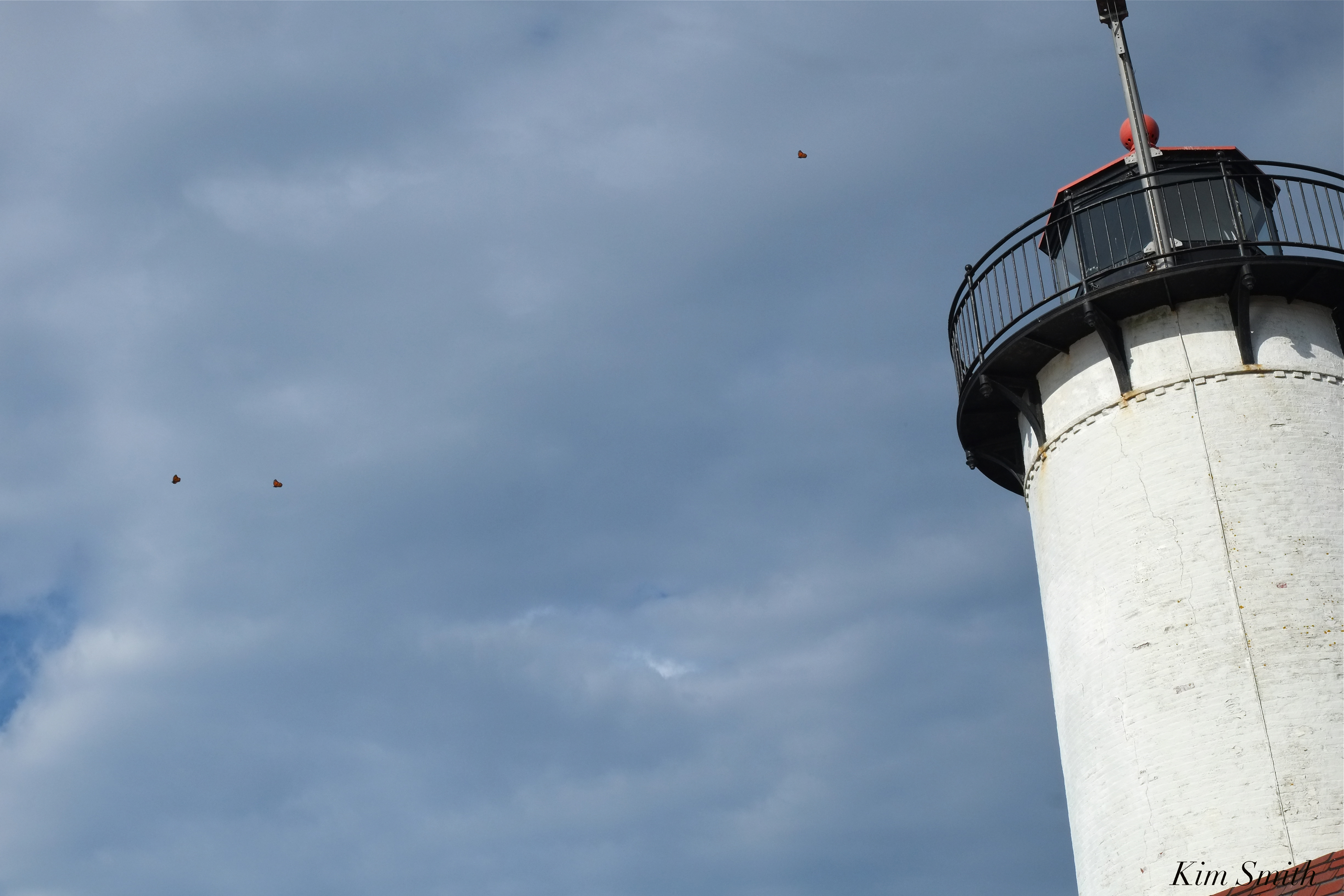
 Monarch Flakes -2  Eastern Point Lighthouse  

MONARCH MIGRATION UPDATE AND THANK YOU KIND DONORS FOR CONTRIBUTING TO MY DOCUMENTARY “BEAUTY ON THE WING!”

I AM OVERJOYED TO SHARE THAT WE HAVE RAISED OVER $2,500.00 IN THE FIRST WEEK OF “BEAUTY ON THE WING” ONLINE FUNDRAISER!!! MY DEEPEST THANKS AND GRATITUDE  TO NEW ENGLAND BIOLABS, LAUREN M., MARION F., ELAINE M., DONNA STOMAN, PEGGY O’MALLEY, JOEY C., CATHERINE RYAN, JOEANN HART, JANE PAZNIK BONDARIN AND ROBERT REDIS (BOTH FROM NEW YORK), NUBAR ALEXANIAN, PETER VAN DEMARK, PATRICIA VAN DERPOOL, FRED FREDERICKS, LESLIE HEFFRON, JIM MASCIARELLI, DAVE MOORE (KOREA), LILIAN AND CRAIG OLMSTEAD, TOM HAUCK, AND ANONYMOUS PERSONS FOR THEIR GENEROUS HELP.  
If you would like to help towards the completion of my documentary film Beauty on the Wing: Life Story of the Monarch Butterfly, filmed in the wilds of Cape Ann and Angangueo, Mexico, please consider making a tax deductible donation here:

DONATE HERE

Donors contributing over $5,000. will be listed in the credits as a film producer.

For more information, visit the film’s website here: Monarch Butterfly Film

For an overview of the film’s budget, please go here: Budget

Thank you so very much for your help.

With gratitude,

Kim Smith


Cape Ann Monarch Migration Update October 16, 2017

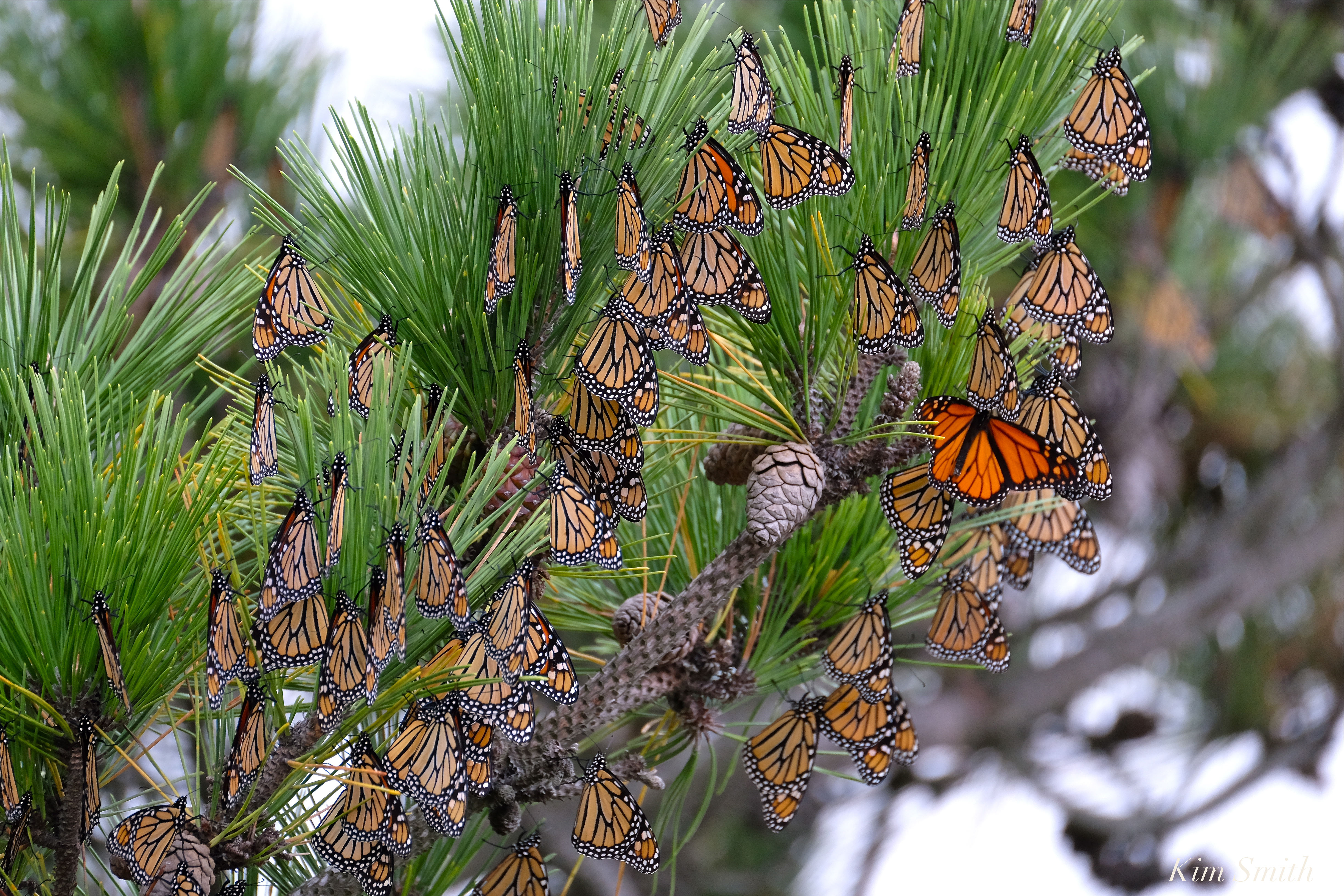
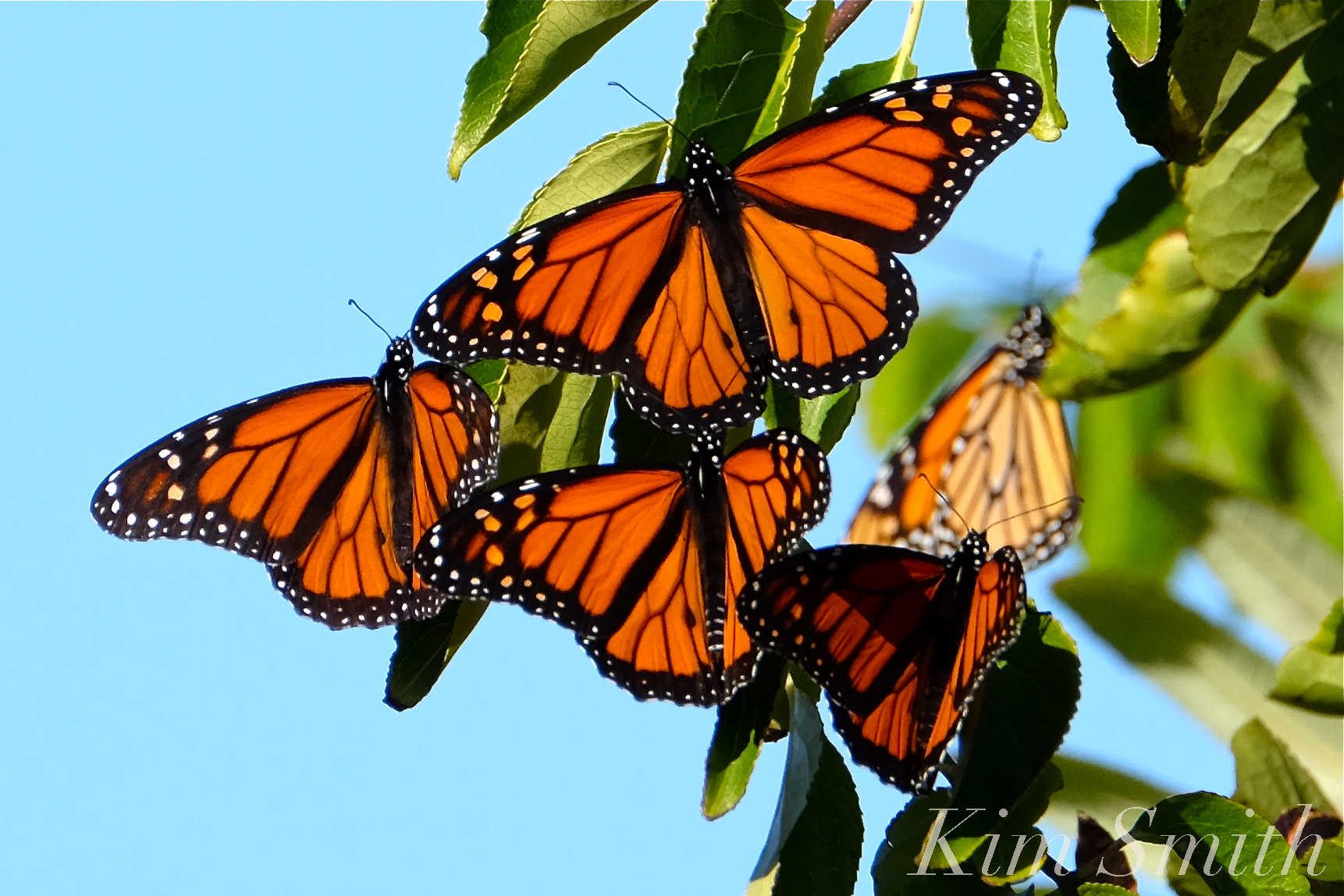
Monarchs roosting overnight in the old chokecherry tree.

We have had four beautiful waves of Monarchs pouring into Cape Ann. The first arrived on September 23rd and the fourth departed last Wednesday morning, on the eleventh of October. As there are reports of Monarchs still further north, we should be expecting at least one more wave, quite possibly this week. And, too, my friend Patti found several Monarch caterpillars in her garden only several days ago. These caterpillars won’t be ready to fly to Mexico for another week to ten days at least. If this warm weather continues, we may still yet have more batches coming through in the coming weeks.

What can you do to help the Monarchs, Painted Ladies, bees, Ruby-throated Hummingbirds, and all pollinators at this time of year? Don’t tidy up the garden just yet!  When you cut back remaining flowering stalks and sprigs, you are depriving winged creatures of much needed, and less readily available, nourishment. Bees, and migrating butterflies on the wing, especially Monarchs, need nectar throughout their journey to Mexico. Songbirds eat the seeds of expiring flowering stalks.

I keep my client’s gardens neat and tidy at this time of year by pulling out the occasional dead plant and trimming away dried out foliage. In deference to the pollinators, the very best time of year to plant bulbs and organize the garden for the following year is after November 1st, at the very earliest. And even then, if for example my Korean Daisies are still blooming, I work around the plant. Usually in November and up until the first frost, it is covered in bees. I’ve had many a Monarch pass through my garden in November and the Korean Daisies were there at the ready to provide nectar for weary travelers.

Patti’s Caterpillar, found in her garden on October 14th. He’s now at our home in a terrarium, happily munching away on Common Milkweed leaves. I leave him outdoors in a sunny location during the day but bring him indoors late in the afternoon because the air temperature is dropping considerably at night. Patti Papow Photo

WHEN A WEED IS NOT A WEED and Why Joe-Pye is So Darn Lovable!

A bodacious beauty possessing the toughest of traits, Joe-Pye Weed (Eutrochium) is the stalwart star of the eastern native plants garden. Large, airy dome-shaped flowerheads blooming in a range of shades from pink to lavender to purple provide food, by way of nectar, foliage, and seed heads to myriad species of bees, butterflies, and songbirds. Beginning in mid-July and continuing through mid-October, pollinators on the wing can find sustenance in a garden planted with Little Joes and Big Joes.

Joe Pye, the person, is thought to have been a North Carolina Native American medicine man who used these wildflowers to cure many ailments, including typhoid fever. The plants became know as Joe Pye’s weed.

A name changer from weed to wildflower would be a game changer for numerous species of native plants. Why do so many native wildflowers have the suffix weed? Because when the colonists arrived from Europe, they wanted their crops, as well as European cultivated flowers, to grow in their new gardens. Anything native that interfered with their plans was deemed a “weed.” Examples of beautiful and invaluable North American native pollinator plants with the name given weed are milkweed (Asclepias), sneezeweed (Helenium), ironweed (Veronia), and jewelweed (Impatiens capensis).

Three favorite and fabulous species for the New England landscape are Eutrochium purpureum, E. maculatum, and E. dubium. Joe-pye grows beautifully in average to moist soil, in full sun to light shade. Plant Joe-pye in the back of the border. E.purpurem grows five to seven feet tall, while Little Joe grows three to five feet. With their beautiful blossoms, robust habit, winter hardiness, and disease resistance, these long blooming members of the sunflower family are treasured for their ability to attract an array of butterflies, bees, and songbirds to the garden during the mid- to late-summer season.

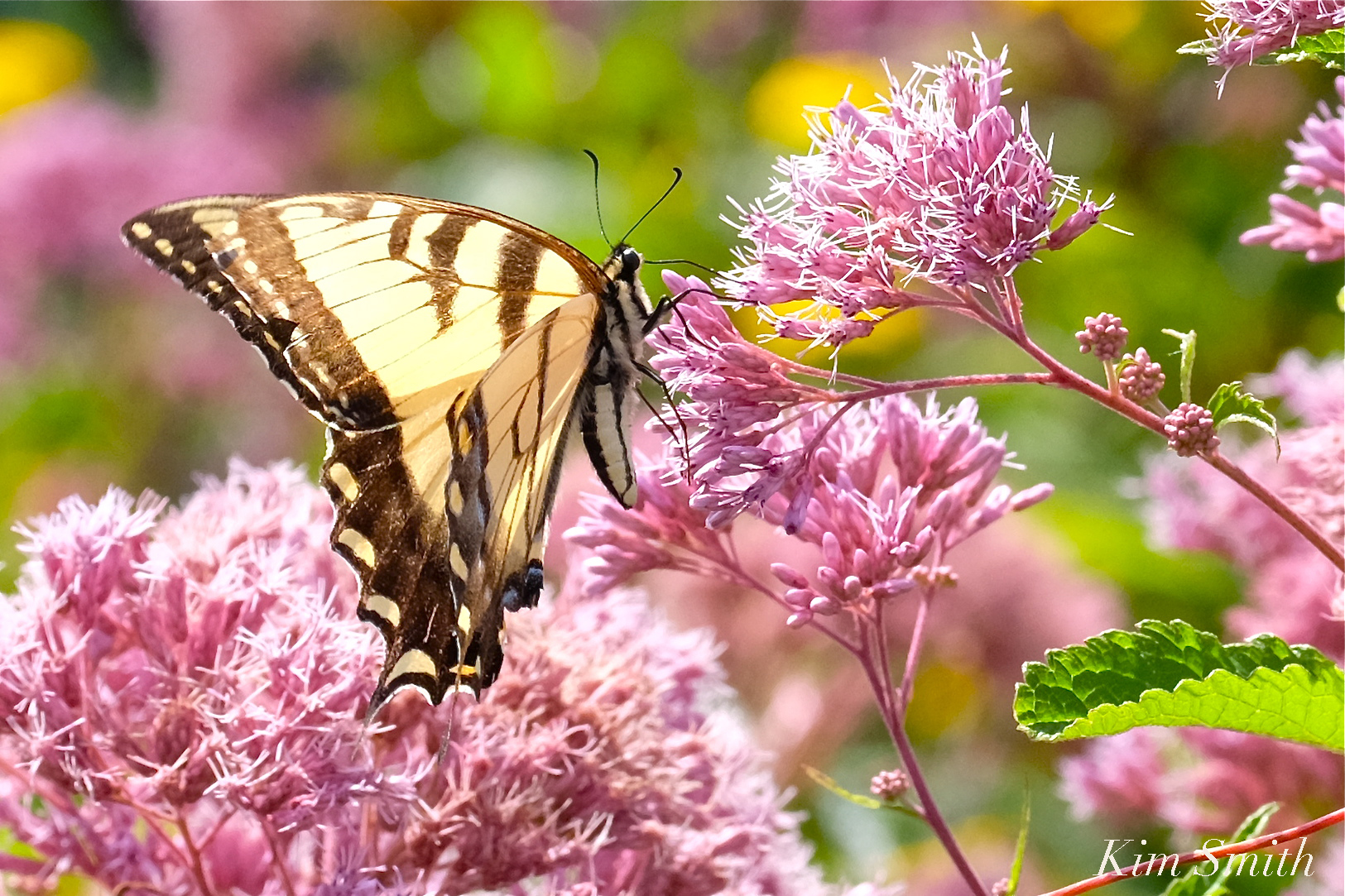
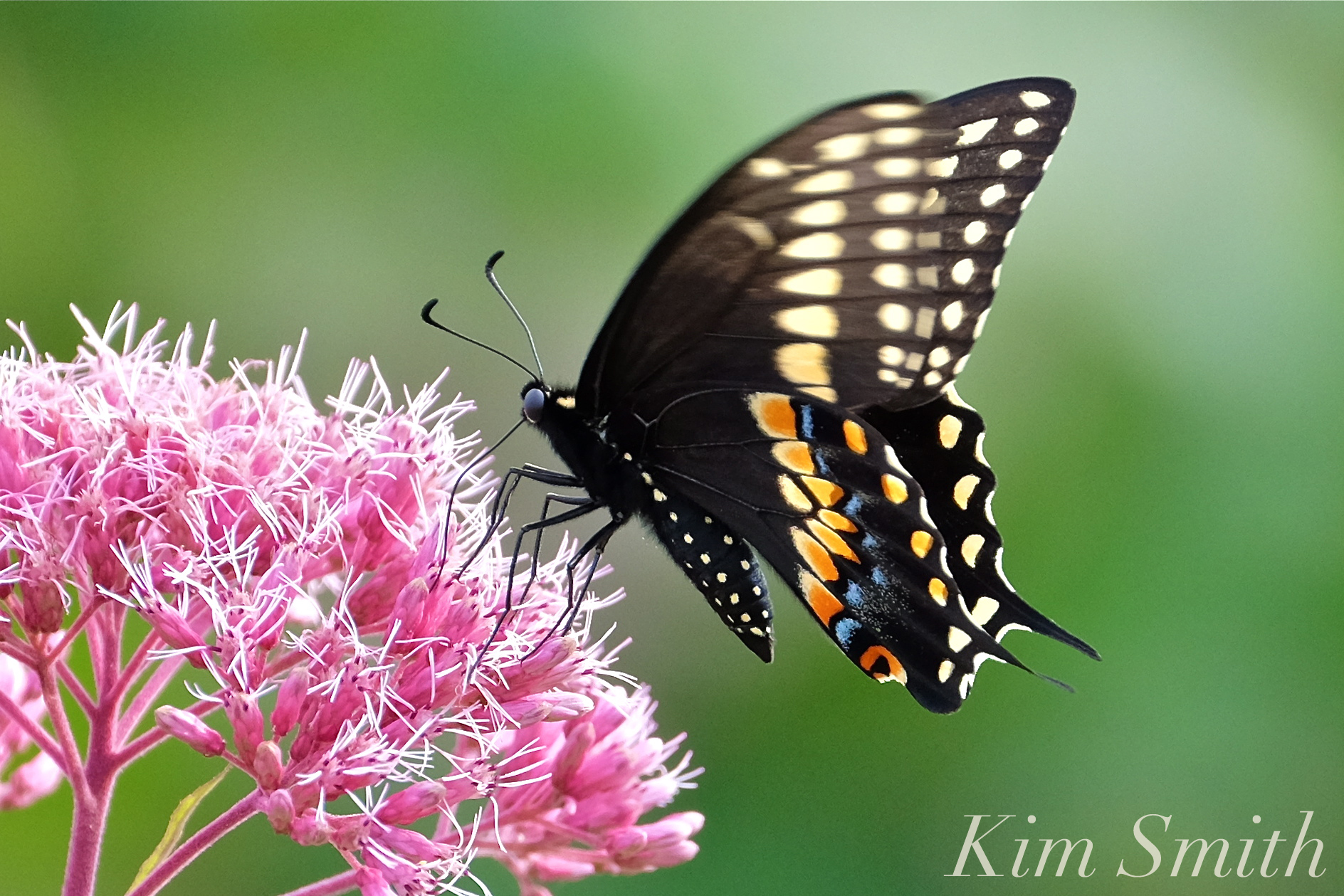
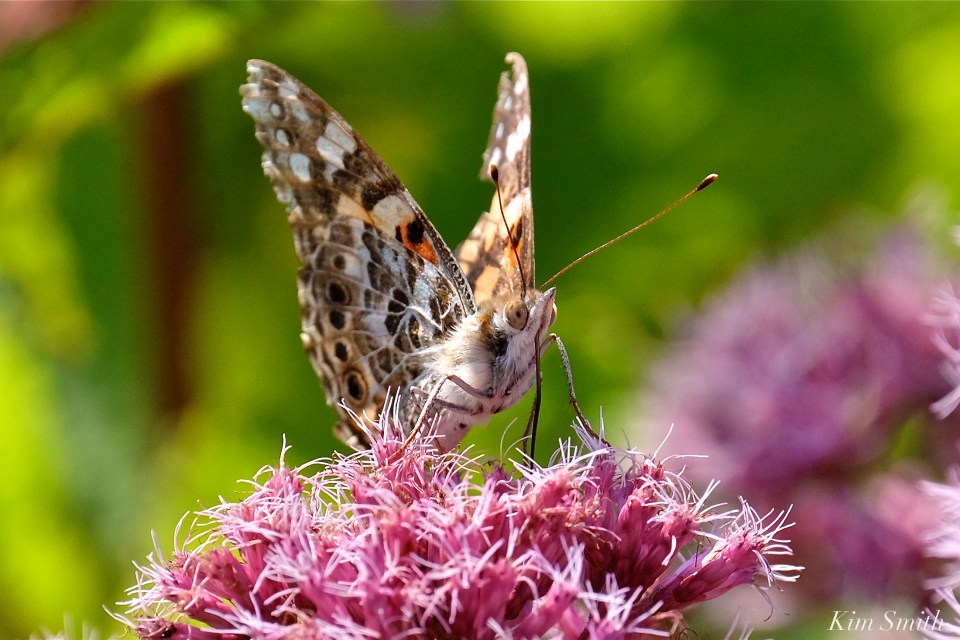
Just look at this sampling of the different species of Lepidoptera finding noursihment from the blossoms of Joe-pye!

Tiger Swallowtail

Painted Lady

Black Swallowtail

Monarch

Joe-Pye does especially well in a coastal native plants garden.

COMMUNITY MILKWEED SEED POD PROJECT FOR THE POLLINATORS!

MILKWEED SEED COLLECTION AND DISTRIBUTION PROJECT SUNDAY OCTOBER 15TH

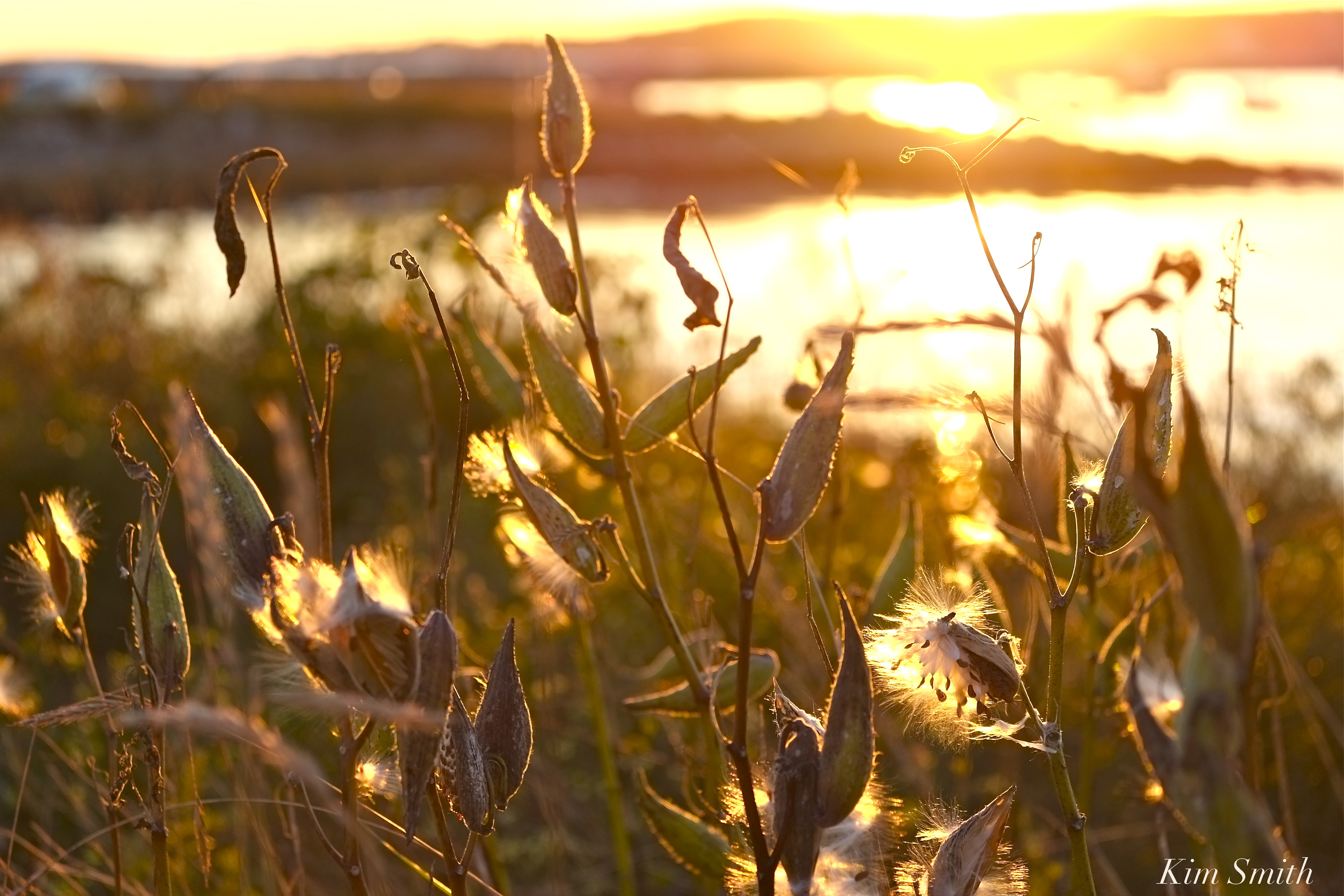
Collect ripe milkweed seed pods (only Common Milkweed and Marsh Milkweed please). Place in a paper bag, not plastic, as plastic can cause the seed pods to become damp and moldy.

Bring seedpods to Captain Joe and Sons on Sunday morning between 10:30 and noon. Captain Joes is located at 95 East Main Street, East Gloucester.

If you’d like to distribute seeds, meet at the dock between 10:30 and noon and I will show you what to do.

NOTE: It is easy to tell when milkweed seedpods are ripe. The seeds inside turn brown. Do not collect the pods when the seeds are white or green. If you pick them too soon, they will never be viable. You can check the seed pods by slitting the pod a tiny bit and peeking inside.

Any questions, please comment in the comment section or email me at kimsmithdesigns@hotmail.com. Thank you and I hope to see you Sunday morning!

To learn more about how you can help fund the documentary Beauty on the Wing and the Monarch Butterfly Film Online Fundraising event, please visit the film’s website at monarchbutterflyfilm.com.

THANK YOU! AND MONARCH FLAKES AT EASTERN POINT LIGHTHOUSE

 Monarchs were streaming all along the coast of Cape Ann yesterday and it was a beautiful sight! 

I AM OVERJOYED TO SHARE THAT WE HAVE RAISED 800.00 IN 24 HOURS!!! MY DEEPEST THANKS TO LAUREN M. FROM MANCHESTER, DONNA STOMAN AND PEGGY O’MALLEY FROM GLOUCESTER, JOEY C, AND ANONYMOUS FOR THEIR GENEROUS HELP. 

Please help towards the completion of my documentary film Beauty on the Wing: Life Story of the Monarch Butterfly, filmed in the wilds of Cape Ann and Angangueo. Thank you! DONATE HERE.

PATTI’S CATTIES AND OTHER TALES FROM THE PAPOWS BEAUTIFUL GARDEN

My friend Patti Papows very thoughtfully invited me to come film and take photos in her gorgeous garden, especially her milkweed patch. Patti purchased milkweed plants from our Cape Ann Milkweed Project several years ago, both the Common and Marsh Milkweed that we offered.

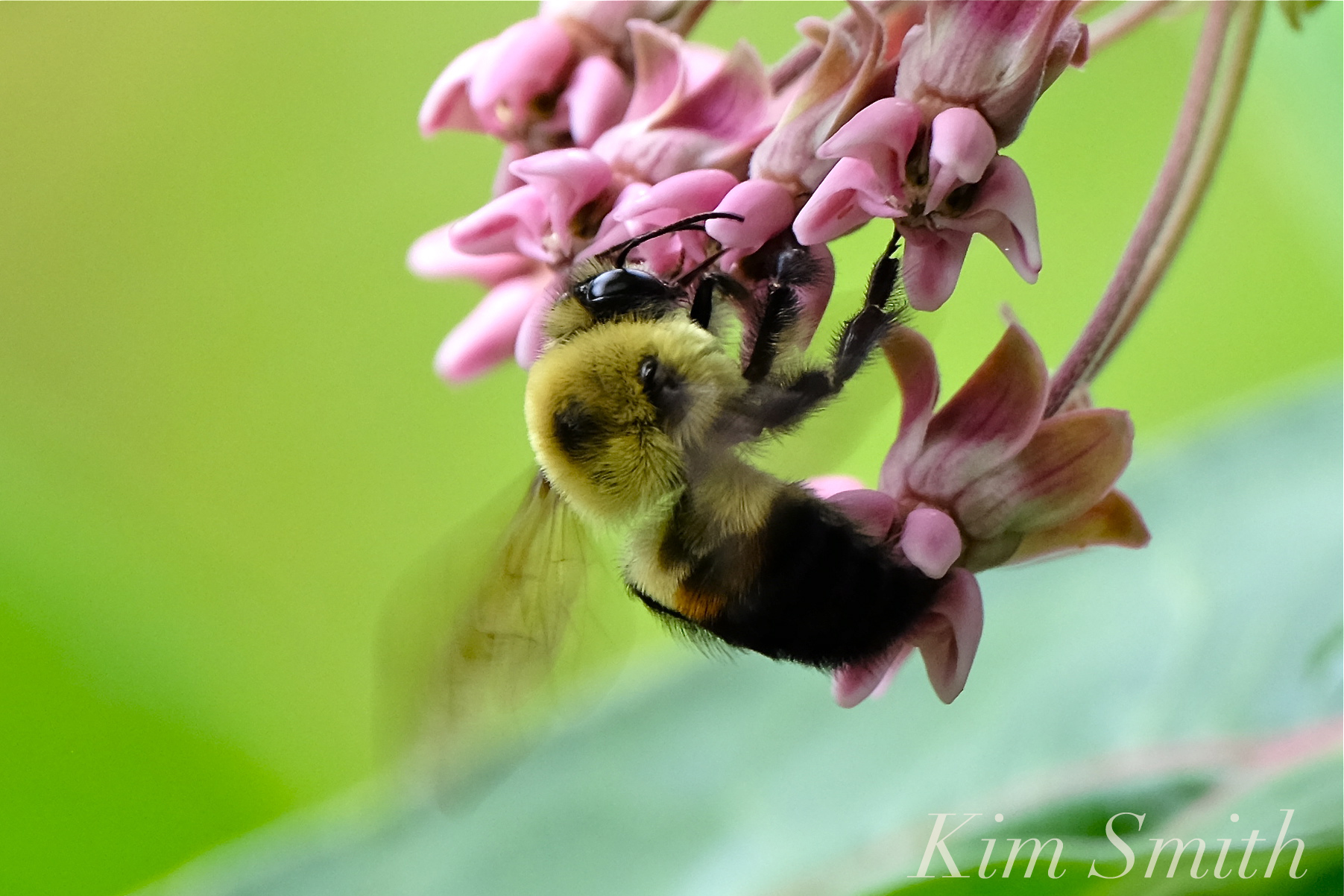
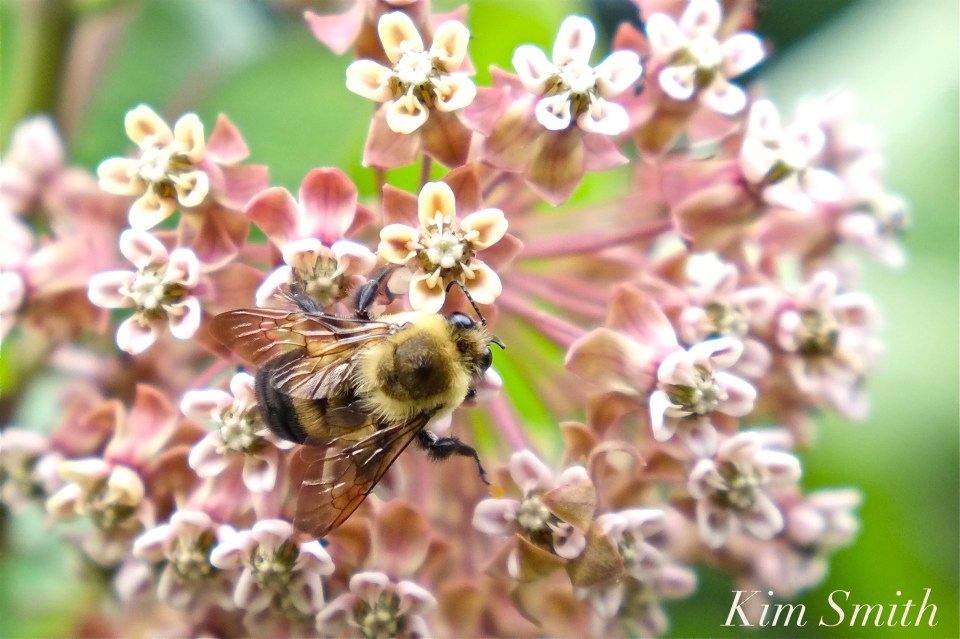
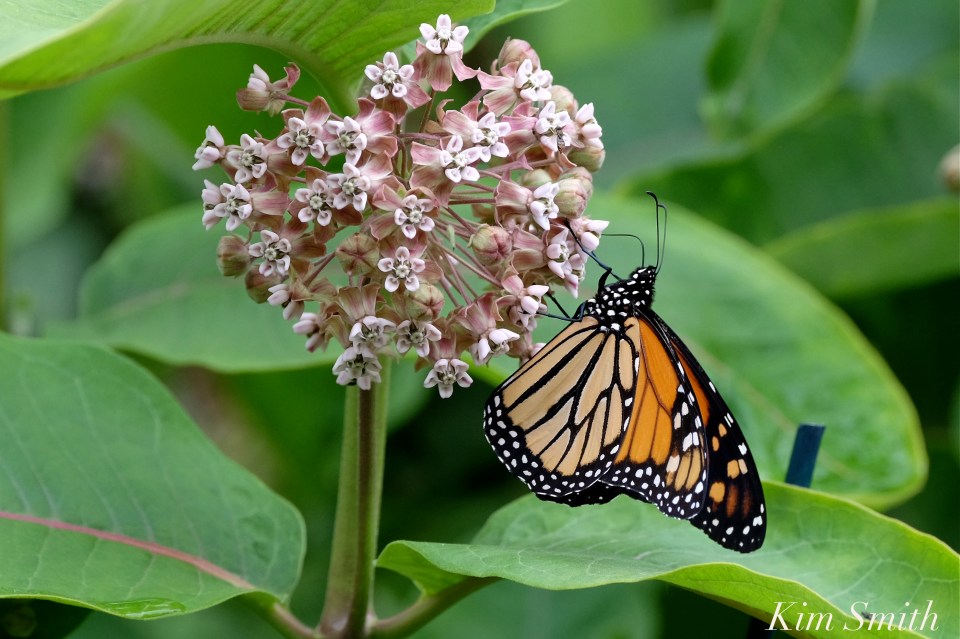
Patti’s Common Milkweed has really taken off this year. The plants are about five feet tall, lush and healthy, and bursting with sweetly fragrant blossoms. The Monarchs are daily visitors, coming not by the ones and twos, but by the dozen. Not only are her milkweed blossoms beckoning to the Monarchs, but the plants are also attracting every bee species imaginable found in a Cape Ann garden, as well as myriad other pollinating insects.

I showed Patti how to find Monarch caterpillars. She found three in about three minutes; we weren’t even trying that hard! They are safer from spiders in my terrariums, so I brought her tiny caterpillars home where they are developing nicely alongside a dozen Monarch eggs. These eggs were discovered in my garden, and at the Common Milkweed plants growing along the edges of the Good Harbor Beach parking lot.

https://www.instagram.com/p/BW7y-ywl3kb/


Patti’s patch of native high bush blueberries attracts loads of Catbirds, and dozens more species of songbirds and small mammals. This morning the foliage made a perfect perch for a male Monarch butterfly.

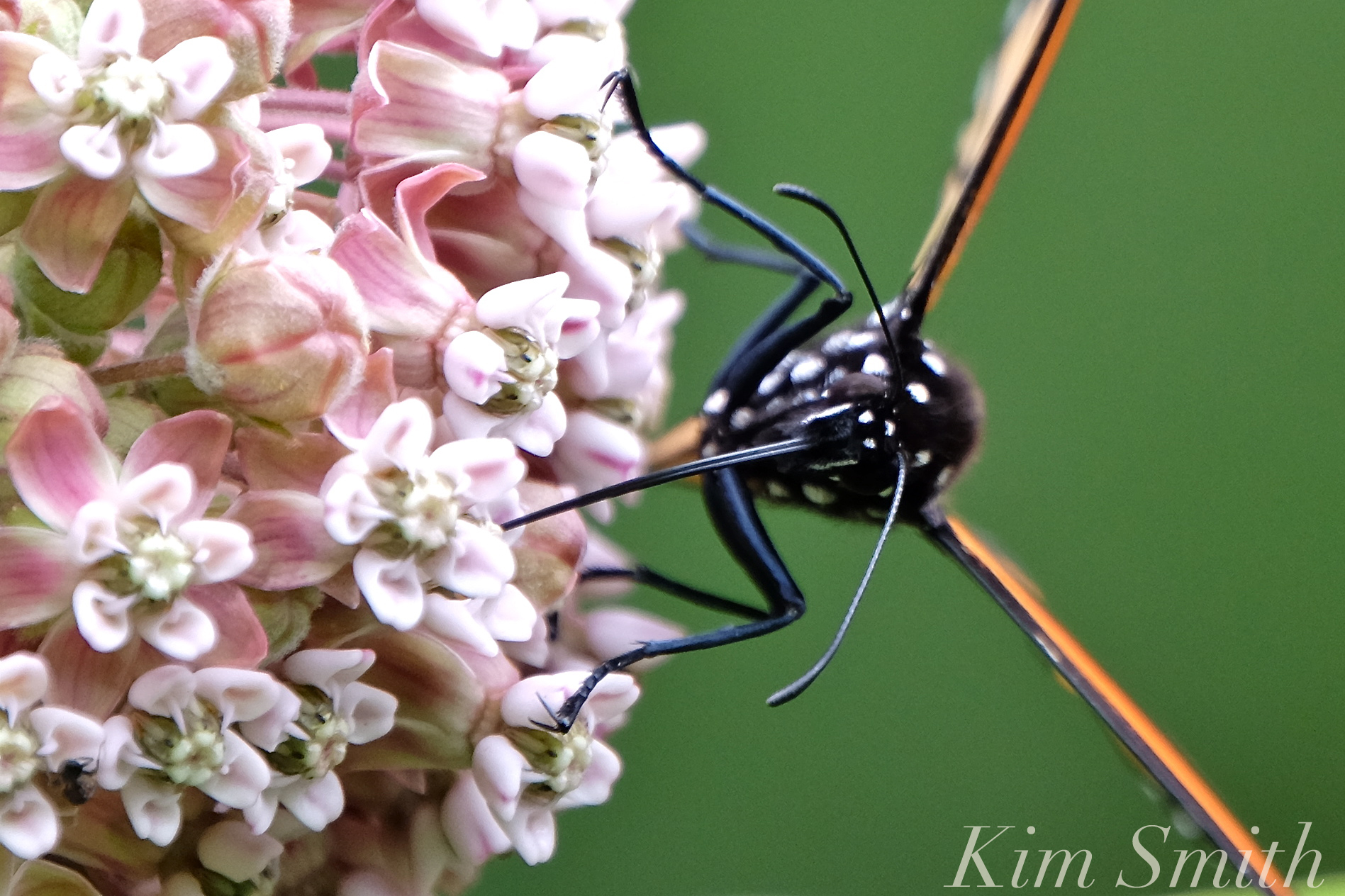
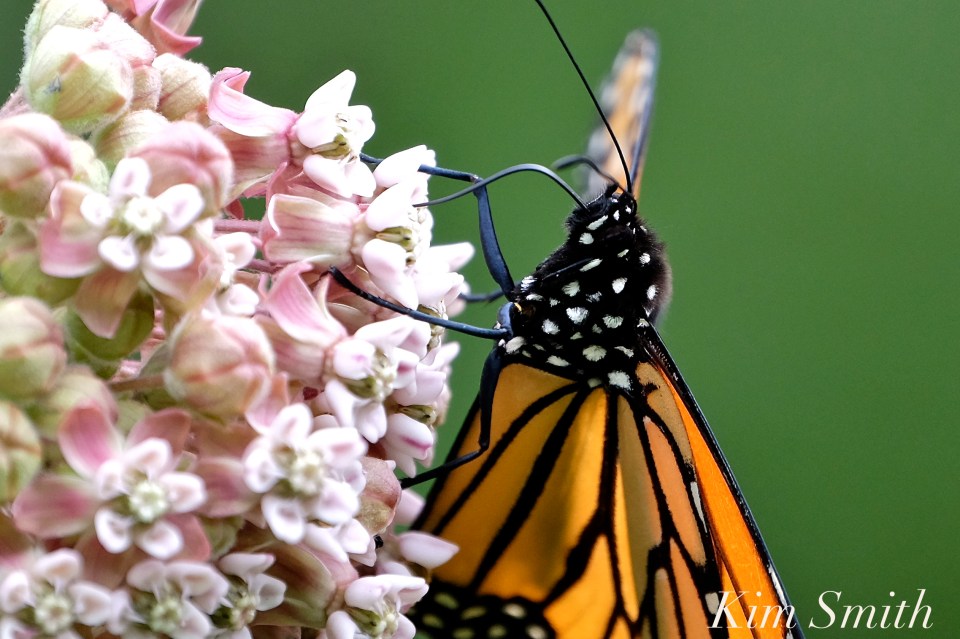
In the above photo you can clearly see the Monarch’s two-part tubular drinking straw, called a proboscis. The Monarch is probing deep into the Milkweed floret for a sip of sweet nectar.

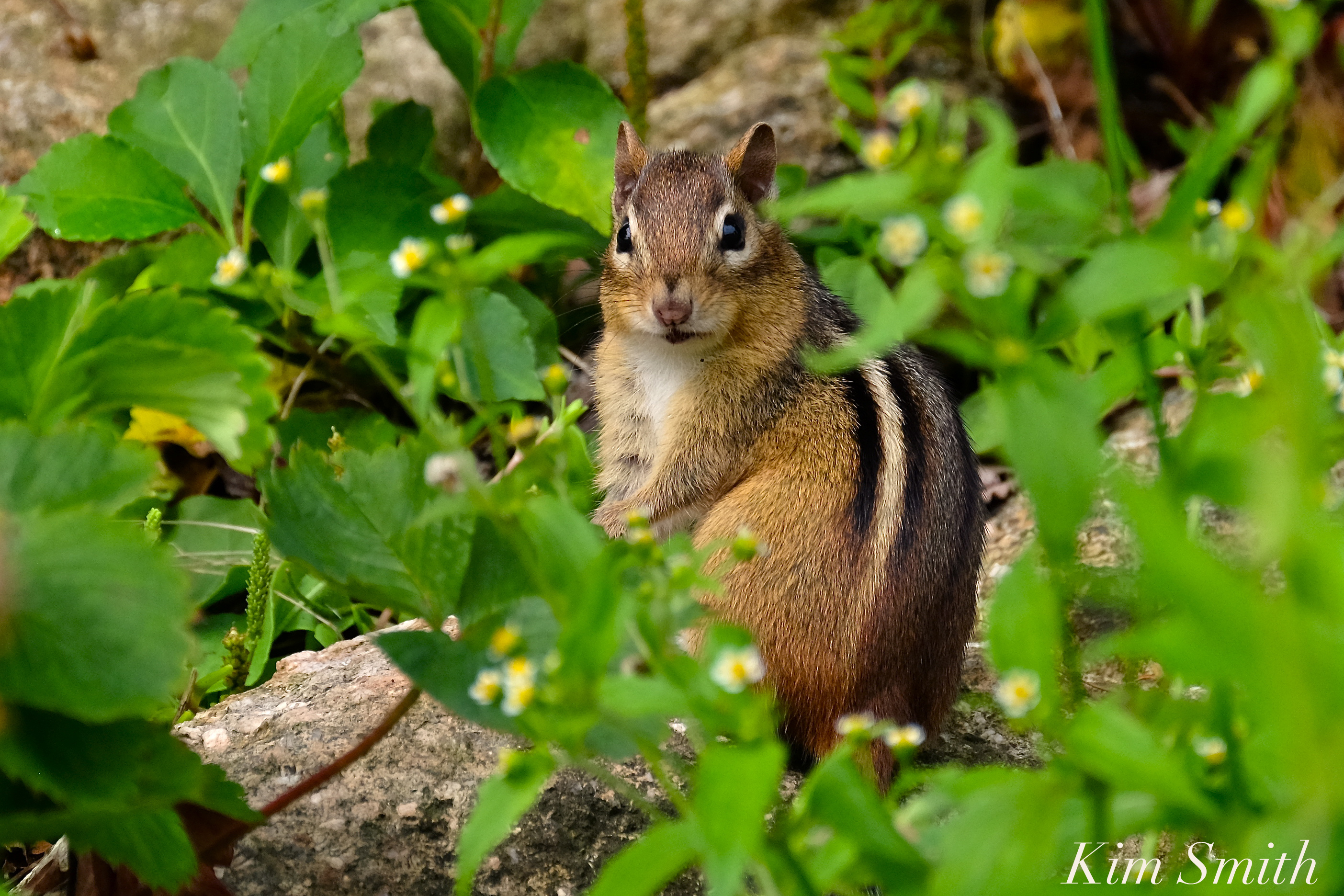
Who, me? I’m innocent! Chipmunk snacking at the buffet-of-plenty in Patti’s garden. 

Patti placed the purple chair in the midst of the milkweed patch so that visitors can enjoy being surrounded by the beautiful pollinators buzzing all around and the delightful fragrance emitted by the Common Milkweed. I tried it out and her plan worked, it is pure Heaven!

I had an absolutely wonderful morning filming and photographing, despite the limiting overcast skies, and plan to return on a sunnier day, hopefully this week while the Monarchs are here on Cape Ann busy egg-laying and pollinating our gardens!


Planting Milkweed with Camilla MacFadyen and The Sarroufs!

img_4937img_4947Thank you to Dawn and John Sarrouf for sharing their milkweed planting photos. They are visiting their friend Camilla at her family home in Small Point Maine, which sounds like, from Dawn’s description, a gorgeously beautiful location, and ideal Monarch habitat. There are fields of wildflowers, and Seaside Goldenrod grows just as easily in the rocky outcroppings there as it does on Eastern Point. After looking at maps, it appears as if you could draw a virtual straight line from Small Point to Eastern Point. Dawn and friends spotted about ten butterflies yesterday. Perhaps we’ll be the next stop (after the predicted rainfall).

img_4946Camilla collected milkweed seed pods and enlisted the Sarroufs to help plant.

DAWN SARROUF PHOTOS