Tag Archives: common milkweed

MONARCH BUTTERFLY EGGS FREE FOR THE TAKING!

A friend with a lovely garden just loaded with milkweed would like help this summer raising Monarchs. She is located in the Annisquam area. Last year Jane had so many eggs and caterpillars, she had a real time of it trying to take care of all. This year promises to be as good as, if not better than, last year.

If you would like Monarch eggs and information on how to take care of the eggs and caterpillars, please comment in the comment section, and we will provide you with Monarch babies!

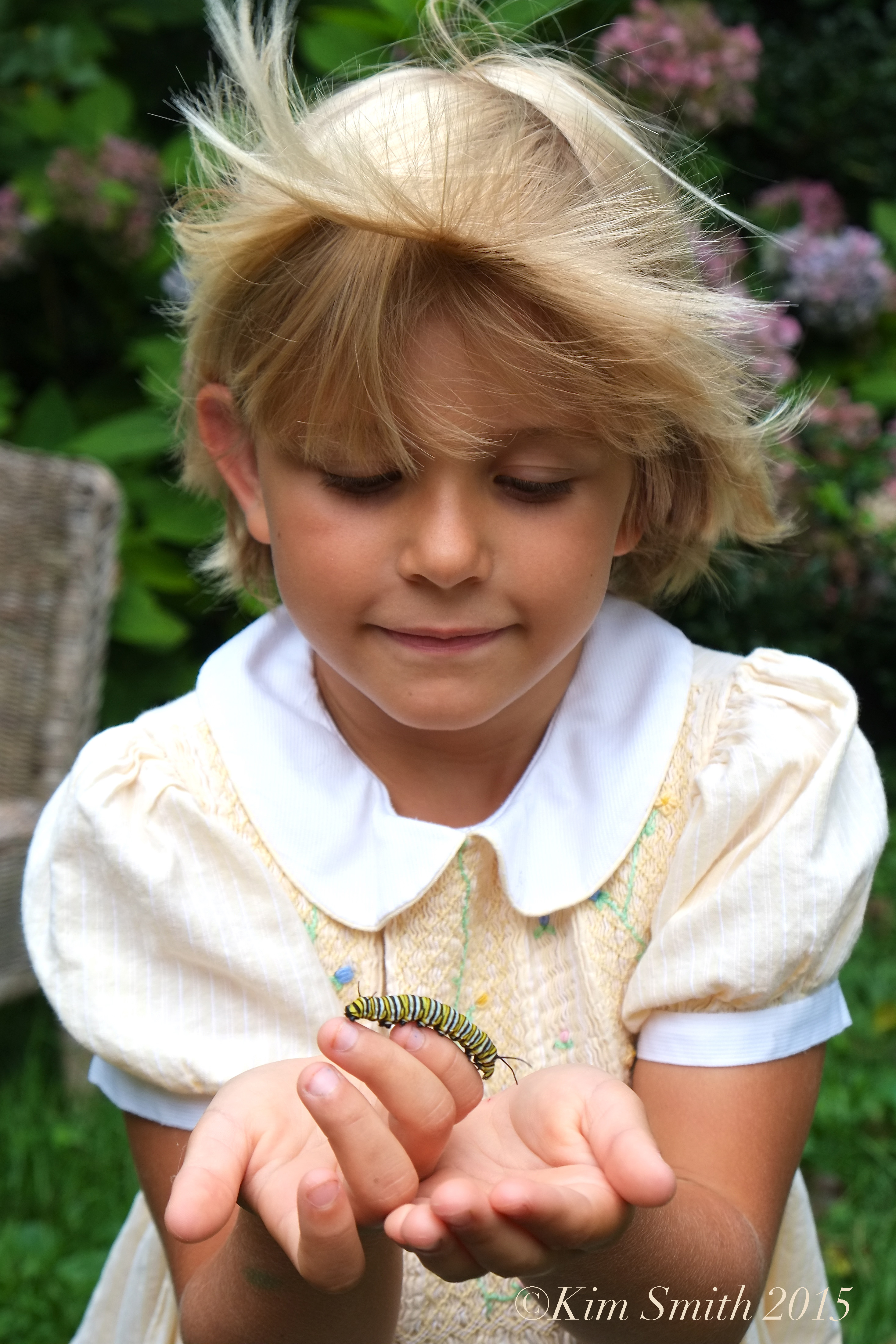
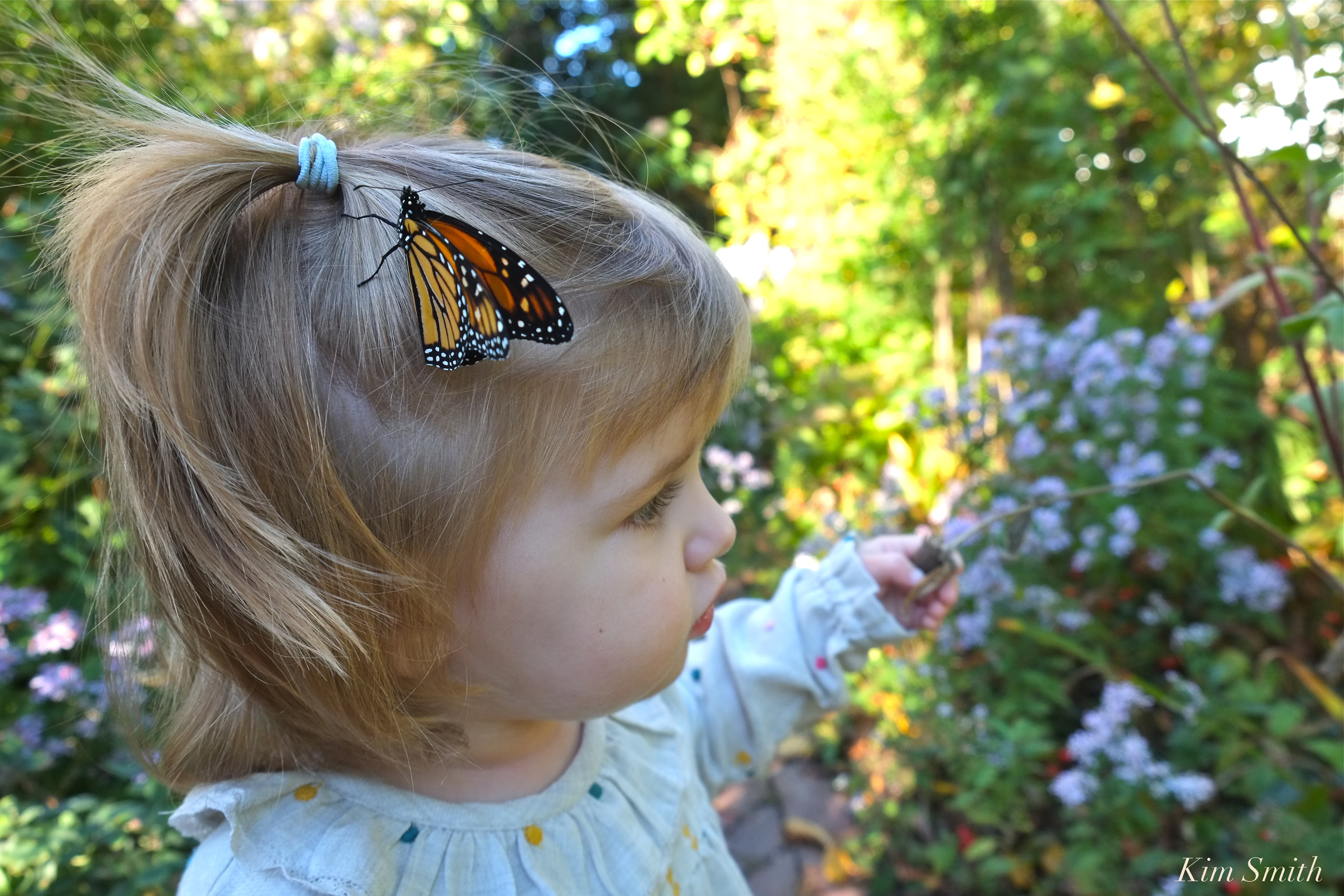
Raising Monarchs with kids is the best!


MONARCH BUTTERFLY FILM UPDATE

A very brief update to let all our Friends know that work is progressing on my documentary Beauty on the Wing: Life Story of the Monarch Butterfly. The new footage from this year’s magnificent migration in Mexico has been added. My amazing team, Eric and Kristen, are plugging in the newly recorded voice over.

For the next several weeks, I’ll be planting my client’s pollinator gardens and getting them underway for the summer. After mid-June, we’ll be back in the editing studio with Eric and Kristen finessing the color correction and audio, with plans for a mid-summer release. Happy Butterfly Days!

Tree-top view – standing at the top of the mountain looking down into the valley below. All the orange bits and flakes in the trees are Monarchs.

In early March, the native wildflower White Snakeroot (Ageratina altissima) was at bloom in Cerro Pelon and the Monarchs couldn’t get enough of it!

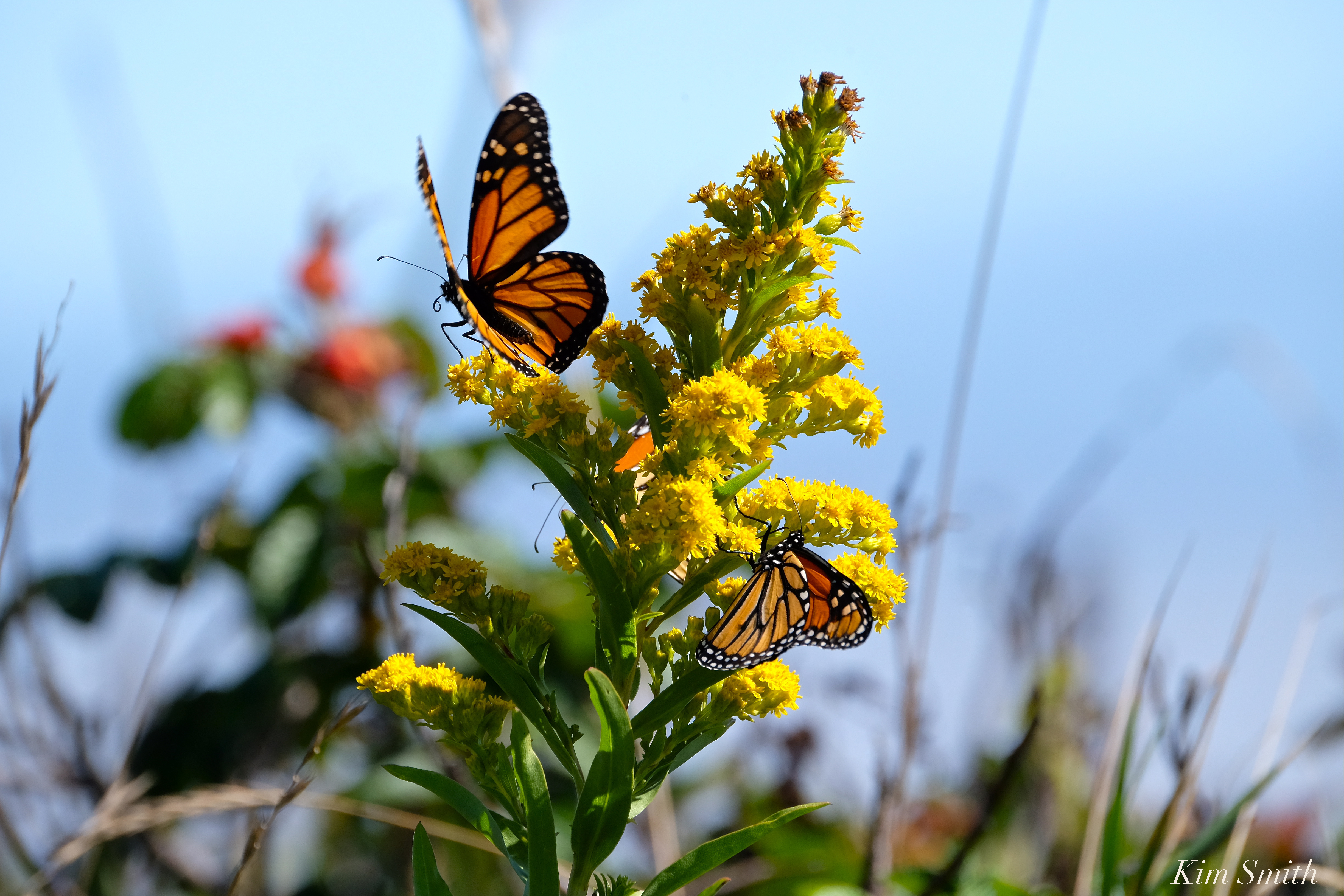
So many Monarchs this early in the season portends a possibly great summer for butterflies in our meadows and gardens. It’s the perfect time of year to plant Common Milkweed (Asclepias syriaca) seeds and many of our local nurseries carry Marsh Milkweed  (Asclepias incarnata) plants. These two species are the most productive for Monarch eggs and caterpillars in our region.

Monarchs mating in a patch of Common Milkweed.

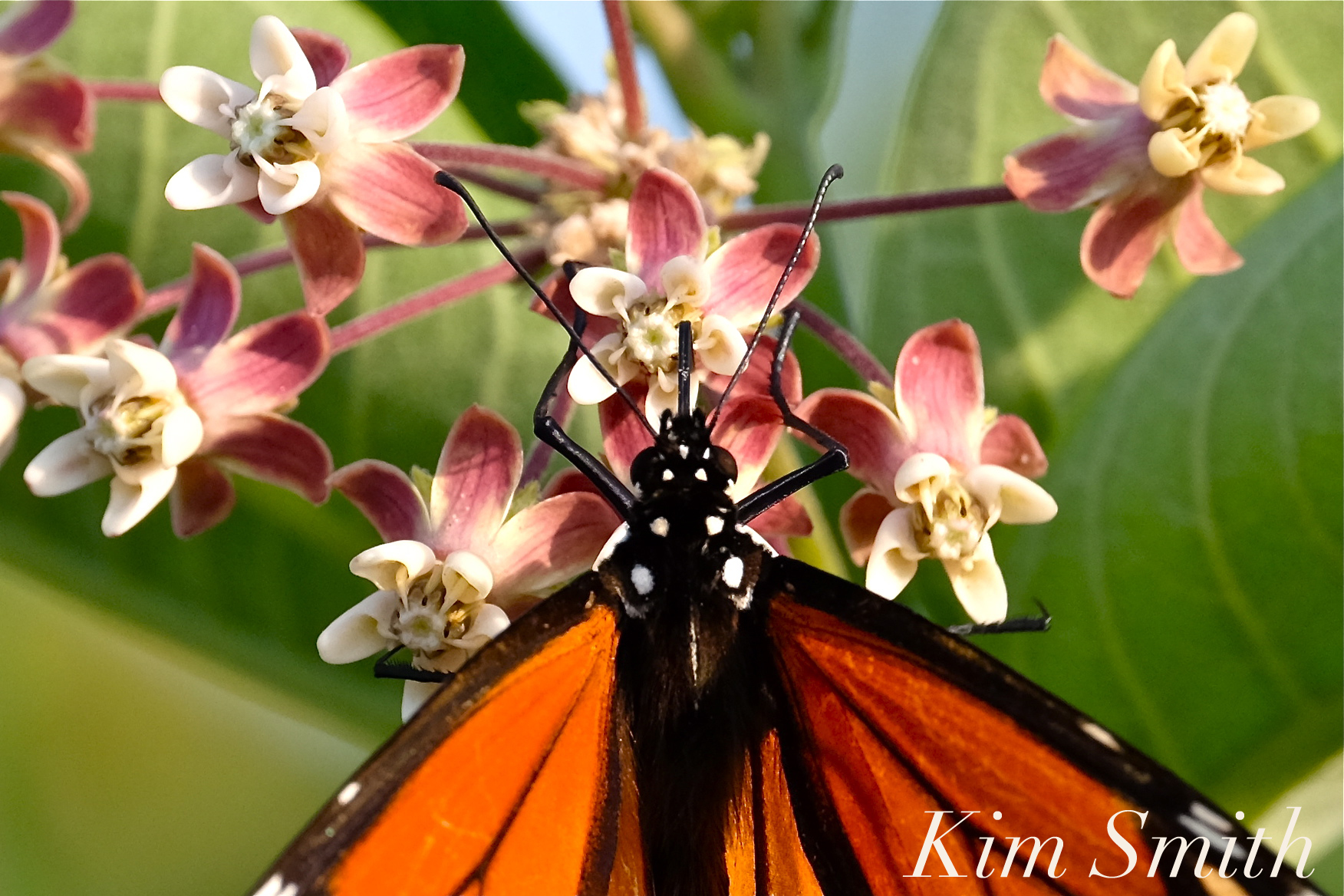
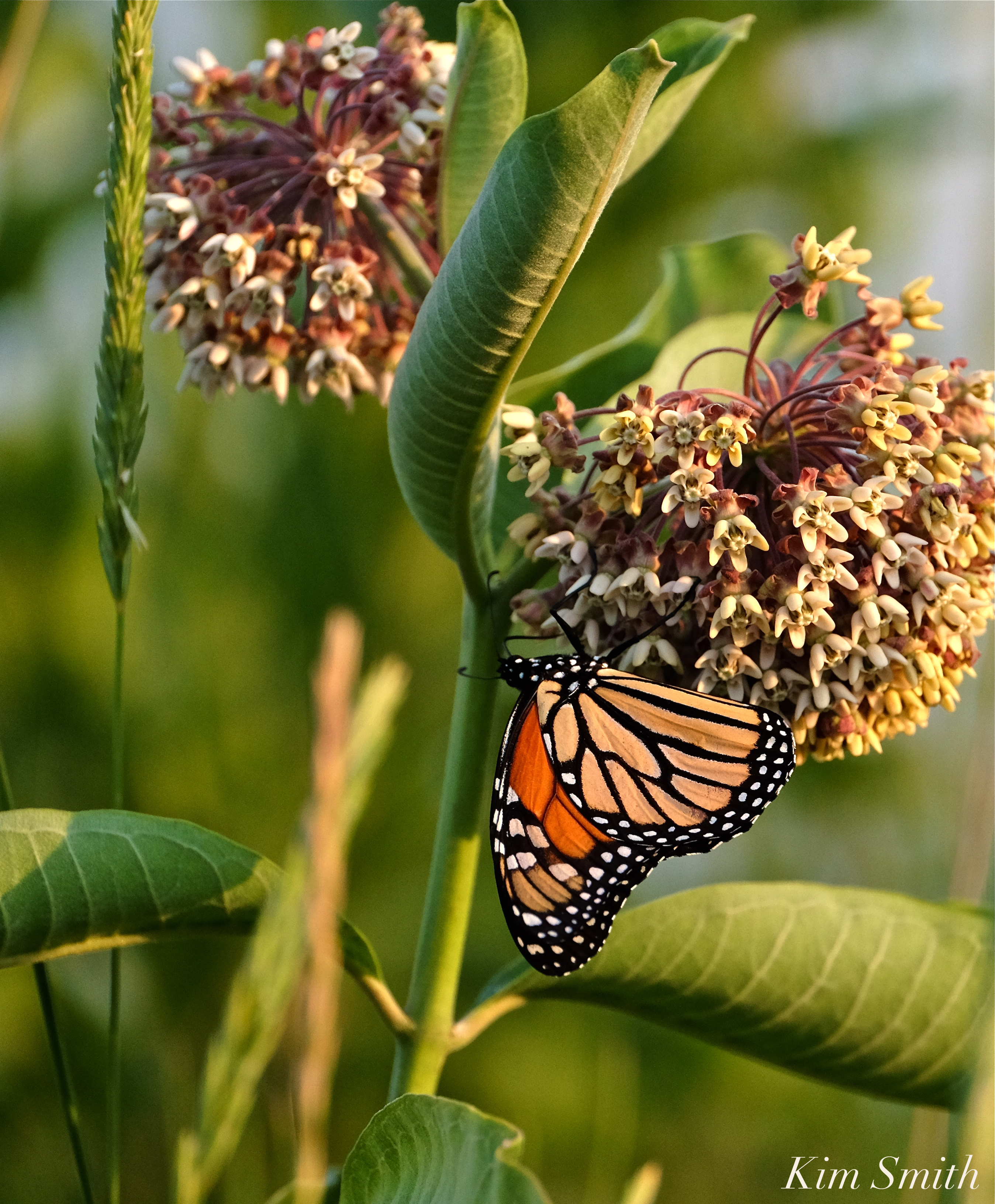
Monarch drinking nectar from Common Milkweed florets.

Female depositing egg on Marsh Milkweed foliage.

The milkweed we grow in the north supports spectacular migrations such as the one that took place this past winter of 2018-2019.

AMAZING!!! MONARCH BUTTERFLIES HAVE ALREADY ARRIVED TO CAPE ANN

There are Monarchs on Cape Ann, and they are laying eggs!!! Check your milkweed Friends! This is nearly a month earlier than usual.

Jane Danekis had a female several days ago in her garden on Revere Street and she deposited over 100 eggs on shoots of newly emerging milkweed.

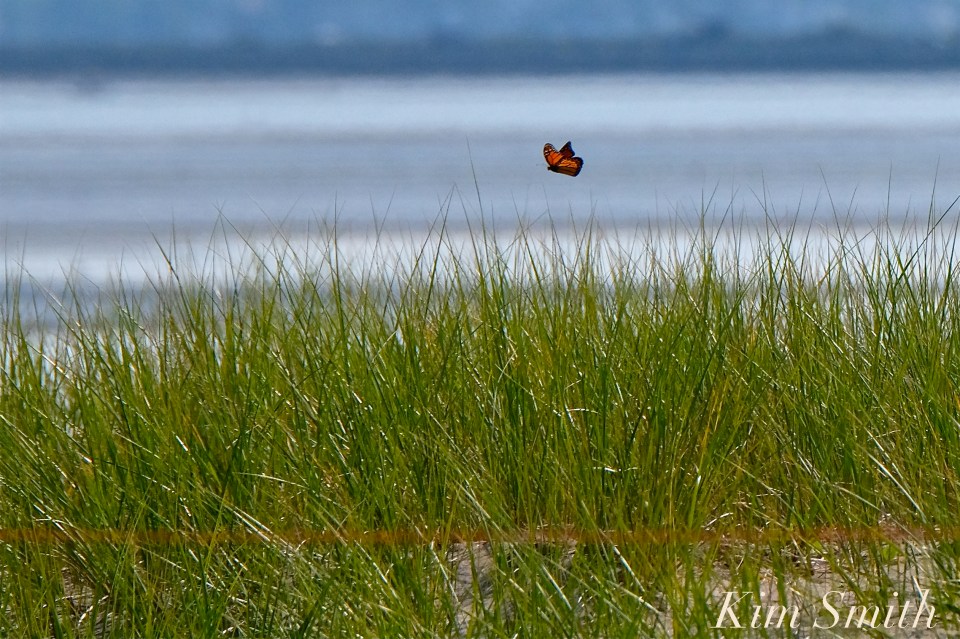
Michele Del Vecchio saw a Monarch at Good Harbor Beach today, too!

Please let us know if you have seen a Monarch recently, and take a snapshot if you can. Thank you 🙂

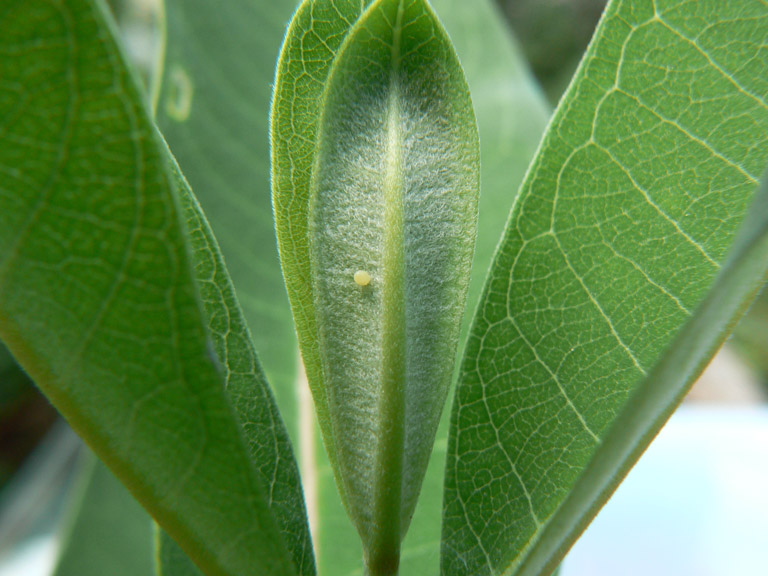
A Monarch egg is pale golden yellow in color and shaped like a tiny ridged dome. The egg is no larger than a pinhead.

Morgan Faulds Pike spotted a female Monarch nectaring on her lilacs. Photo courtesy Morgan.

HIGHER NUMBERS GIVE HOPE FOR MONARCHS

By Kim Smith

January 31, 2019

The World Wildlife Fund Mexico and Monarch Butterfly Biosphere Reserve (MBBR) announced on January 30th that this year the Monarch Butterfly population has increased significantly.

Each year the orange and black winged beauties return to the oyamel fir and pine tree forests, which are located in the heart of Mexico’s trans volcanic mountain belt. In December and January, Lepidoptera population specialists and citizen scientists measure the area the Monarch colonies cover at their over wintering sites. This year (2018-2019) the butterflies are blanketing 6.05 hectares (approximately 15 acres), up from an all-time low of only 0.67 hectares (1.65 acres) during the winter of 2013-2014.
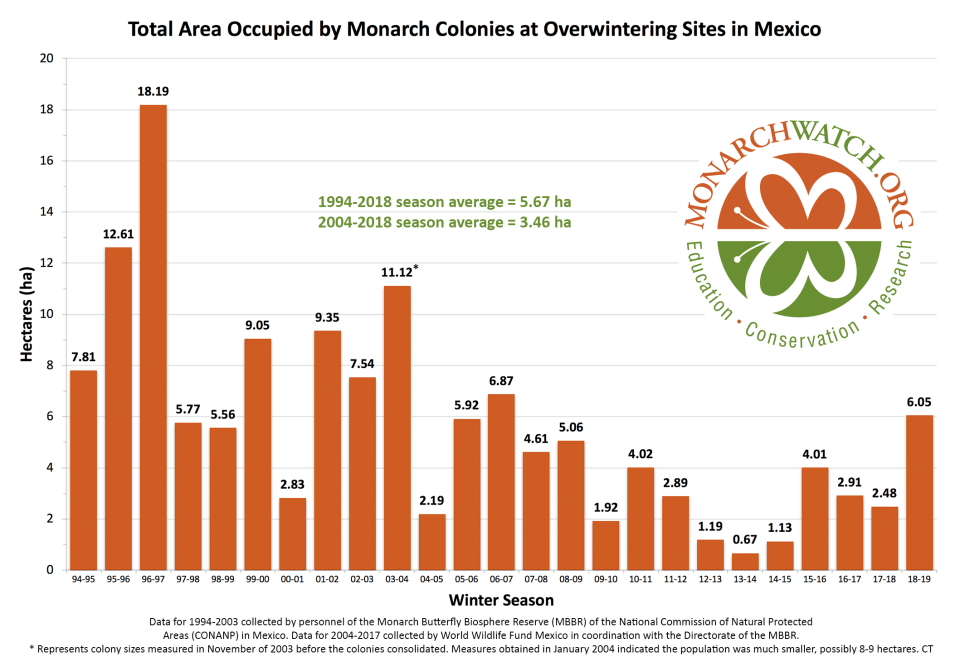
Not since 2006-2007 has this great an area been covered by the butterflies, although the numbers are still quite low when compared to the numbers recorded in the late 1970s when the butterfly’s winter roosts were first discovered by Dr. Fred Urquhart.

I have been following the butterfly counts around the US as they were reported. The Monarch population has been decimated in California. This year only about 30,000 butterflies were counted, down from several million just two decades ago. There is the very real possibility that the Monarch butterfly will become extirpated (extinct from an area) on the West coast. The winter count is down drastically in Florida as well.
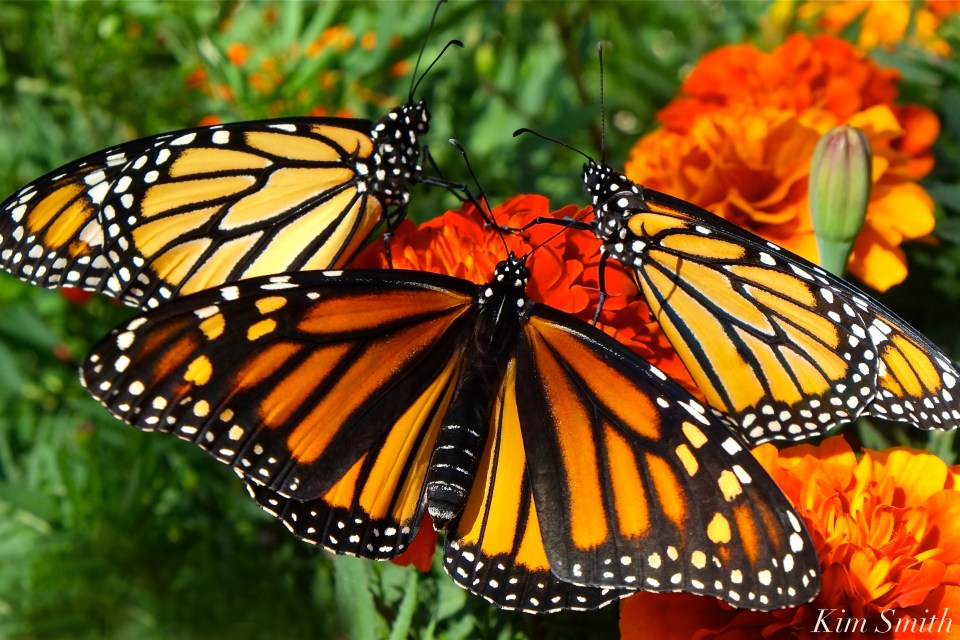
It was clear though that east of the Rockies–the Midwest and Northeast regions of the US, as well as southern provinces of Canada–there were many more Monarchs in gardens and on the wing than in recent previous summers.
Leading Monarch scientists are reluctant to become excited about the increase, and justifiably so. Last spring the weather was slightly cooler in Texas, which allowed more Monarch eggs to hatch, which in turn allowed more caterpillars to mature. A greater number of butterflies emerged and set the stage for a strong breeding season throughout the summer. That scenario, along with the overall good weather during the summer of 2018, also helped create ideal conditions. It was a true “goldilocks” summer, not too hot, not too cold, but just right.
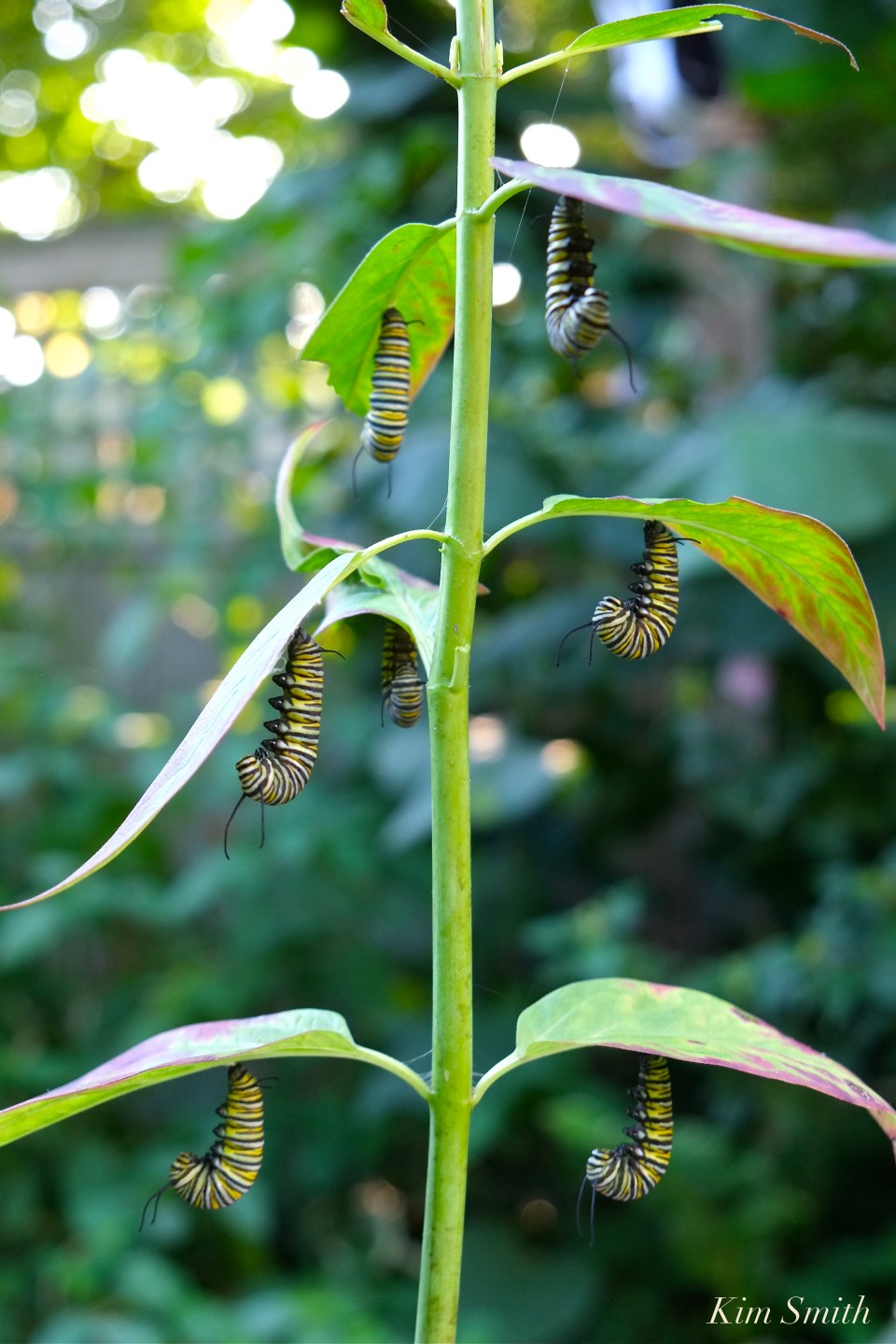
In autumn of 2018, the Monarchs arrived to Mexico about a week later than usual, but once they began to arrive, a kaleidoscope of butterflies poured into their winter roosting grounds.

The 2018-2019 Eastern population count is a reprieve from the past ten years of heartbreaking news, but one good year does not change what the butterflies need most, which is protection for the Monarchs under the Endangered Species Act.
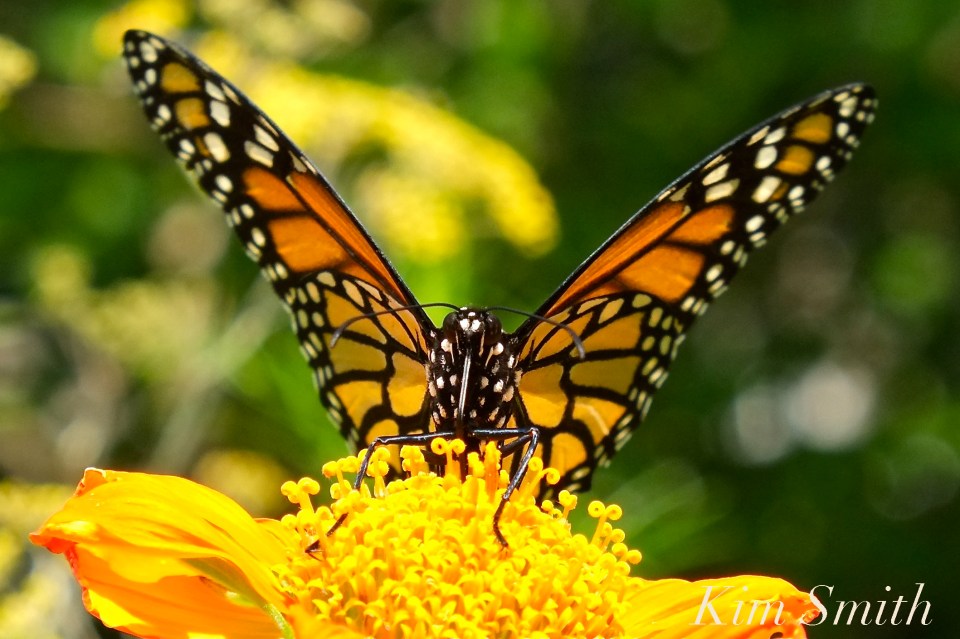
Monarch and Mexican Sunflower (Tithonia)

There is disagreement among scientists whether planting milkweed has any bearing on the health of the Monarch butterfly population. Does creating corridors of Monarch habitat help mitigate the death and destruction caused by climate change, modern agricultural practices, the devastating use of pesticides and herbicides, and the planting of GMO crops (corn, sorghum, and soybeans, for example) that were engineered to withstand the deadly poisons, but which wildflowers and caterpillars cannot?
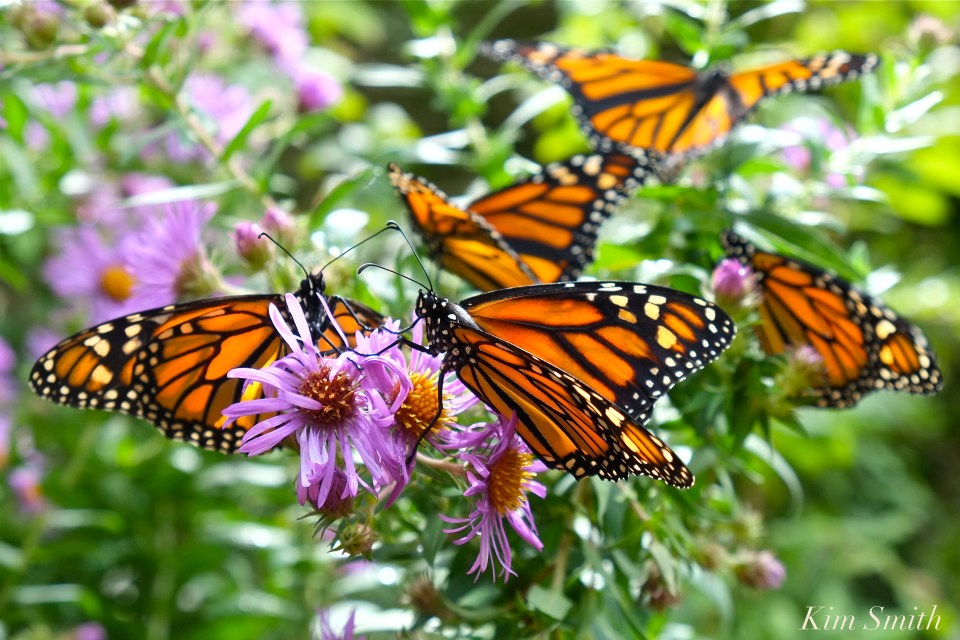
Monarch Butterflies and New England Aster, Gloucester, 2018

The answer to that question is a resounding yes! Monarchs are a bellwether species. The love for this one butterfly has helped shape a consciousness towards all species at risk. An uncomplicated stand of milkweed and asters can make every public walkway, park, community center, church, school, and backyard a haven for Monarchs and together we can bring about a conservation victory for the pollinators.
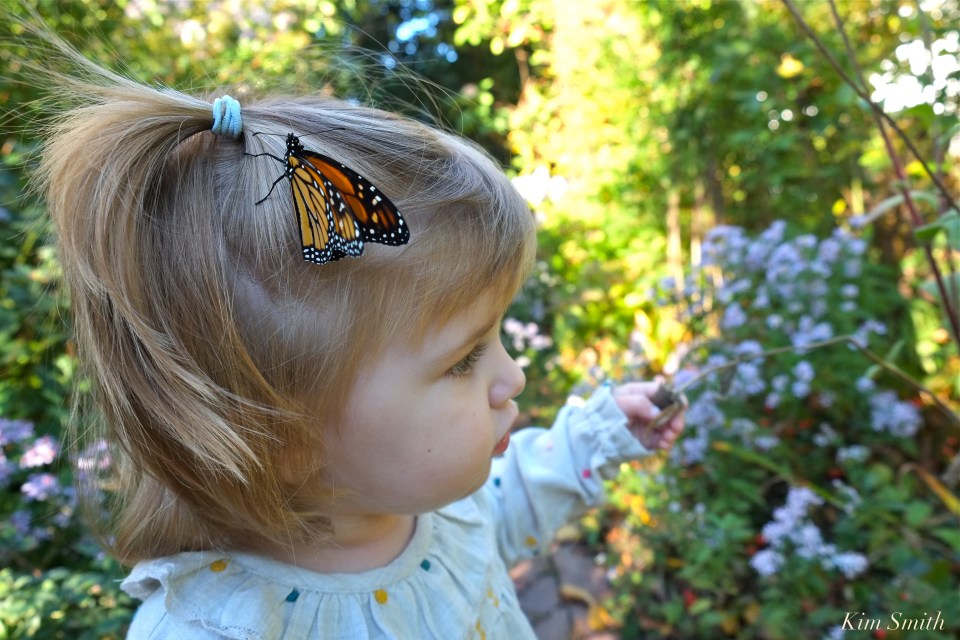
THANKS TO A CANADIAN CHEMICAL ENGINEER, A VERMONT ACADEMIC AGRONOMIST, RISK-TAKING FARMERS, AND VISIONARY CLOTHING COMPANY FOR A FABULOUS NEW USE FOR MILKWEED

What’s old is new again!

Common Milkweed (Ascleipias syriaca) is the essential food plant for populations of the Northeastern and Atlantic coast Monarchs. During Colonial times, the silky floss found in the dried seed heads was used to stuff quilts and pillows. In the 1860s, in Salem Massachusetts, Common Milkweed silk was used as a mattress filling.

During WWII, Common Milkweed became the substitute for kapok, a soft cottony material from the kapok tree that was the preferred filling for life vests. Japan cut off the supply of kapok from Java, the main source of the material, and part of the wartime effort included children sent to fields to gather millions of pounds of Milkweed seed heads for the armed services.

“What is a weed? A plant whose virtues have not been discovered.” ~ Ralph Waldo Emerson

An innovative Canadian clothing manufacturer, the Quartz Company and Altitude Sports, has created the first modern insulated jacket using milkweed silk. Hundreds of acres of Common Milkweed have been planted in Vermont and Quebec. Particularly noteworthy is that the fields of Milkweed are not harvested until after the Monarchs have left.

READ THE STORY HERE  

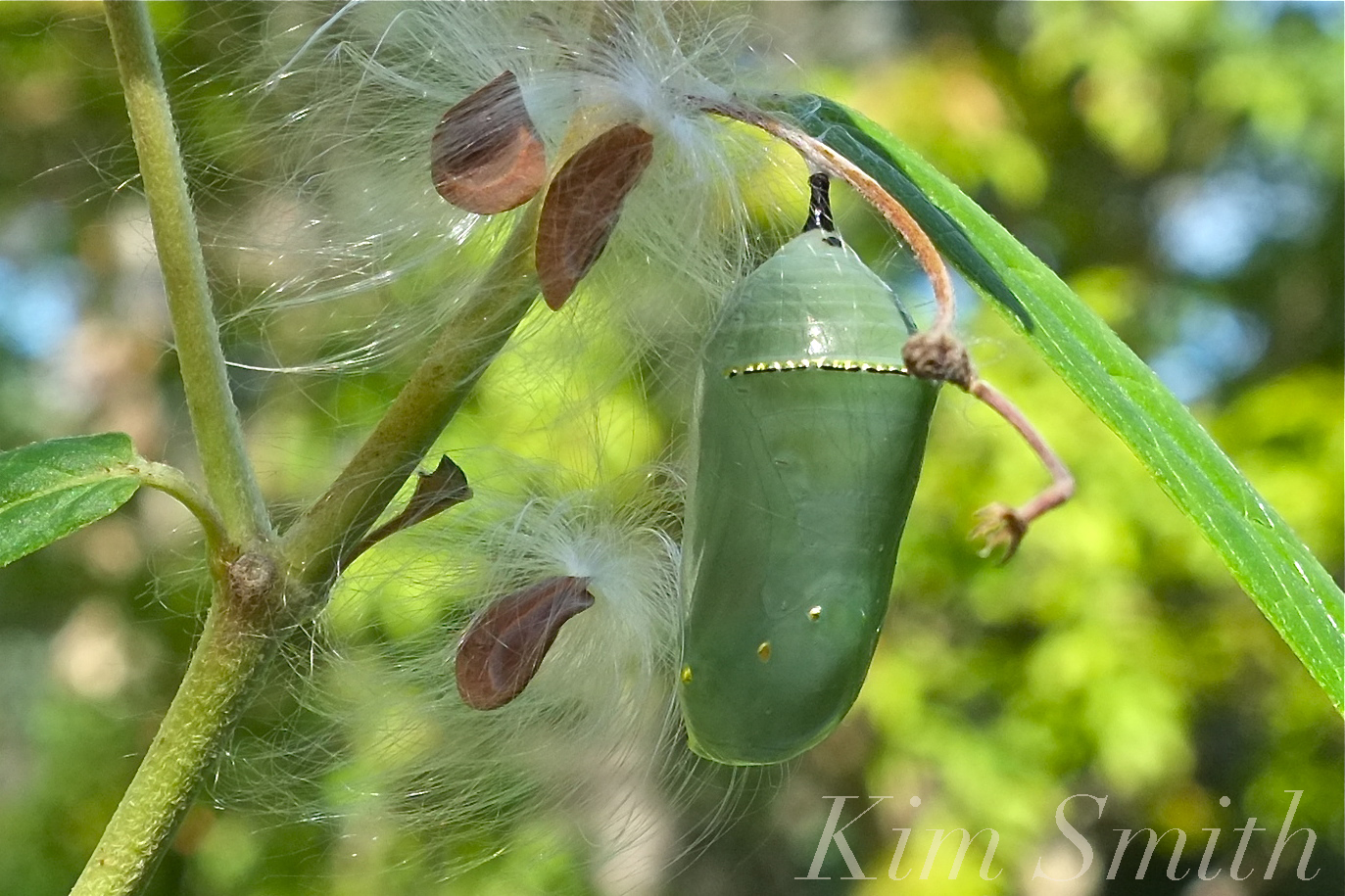
Milkweed Silk and Monarch Butterfly Chrysalis

WWII Common Milkweed photos courtesy Google image search.

LOOK WHAT PATTI PAPOWS MADE FOR SUNDAY’S MILKWEED SEED DISTRIBUTION EVENT!!

Thank you to Patti Papows for putting together these utterly charming pouches of milkweed seeds for our event tomorrow. We also have loads of milkweed pods and Joe-Pye seeds to distribute so come on down to Captain Joe’s dock Sunday morning from 10:30 to noon. We hope to see you there!

Captain Joes is located at 95 East Main Street, Gloucester.

To donate toward the completion of my documentary film Beauty on the Wing: Life Story of the Monarch Butterfly, please visit the film’s website at www.monarchbutterflyfilm.com

COMMUNITY MILKWEED SEED POD PROJECT FOR THE POLLINATORS!

MILKWEED SEED COLLECTION AND DISTRIBUTION PROJECT SUNDAY OCTOBER 15TH

Collect ripe milkweed seed pods (only Common Milkweed and Marsh Milkweed please). Place in a paper bag, not plastic, as plastic can cause the seed pods to become damp and moldy.

Bring seedpods to Captain Joe and Sons on Sunday morning between 10:30 and noon. Captain Joes is located at 95 East Main Street, East Gloucester.

If you’d like to distribute seeds, meet at the dock between 10:30 and noon and I will show you what to do.
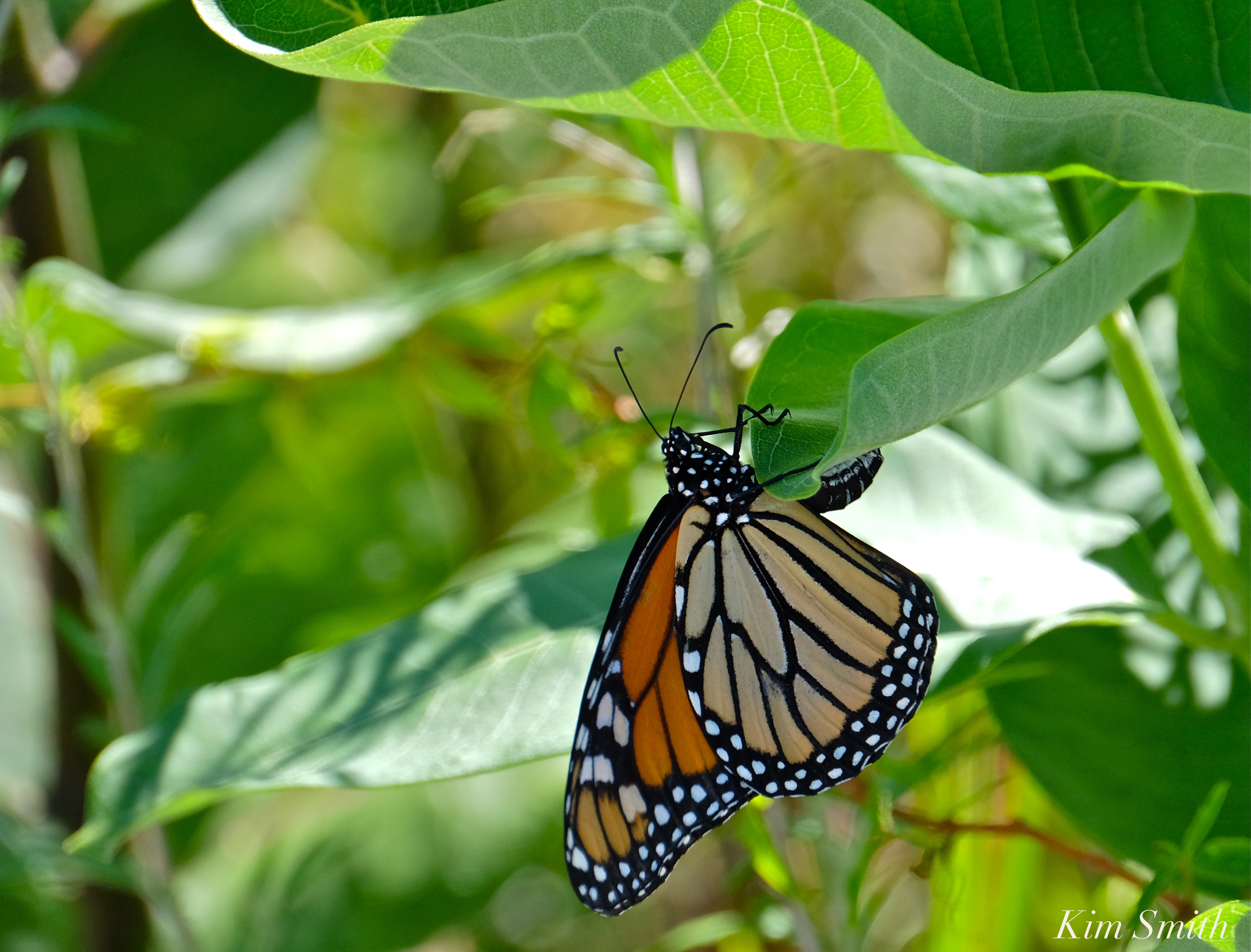
NOTE: It is easy to tell when milkweed seedpods are ripe. The seeds inside turn brown. Do not collect the pods when the seeds are white or green. If you pick them too soon, they will never be viable. You can check the seed pods by slitting the pod a tiny bit and peeking inside.

Any questions, please comment in the comment section or email me at kimsmithdesigns@hotmail.com. Thank you and I hope to see you Sunday morning!

To learn more about how you can help fund the documentary Beauty on the Wing and the Monarch Butterfly Film Online Fundraising event, please visit the film’s website at monarchbutterflyfilm.com.
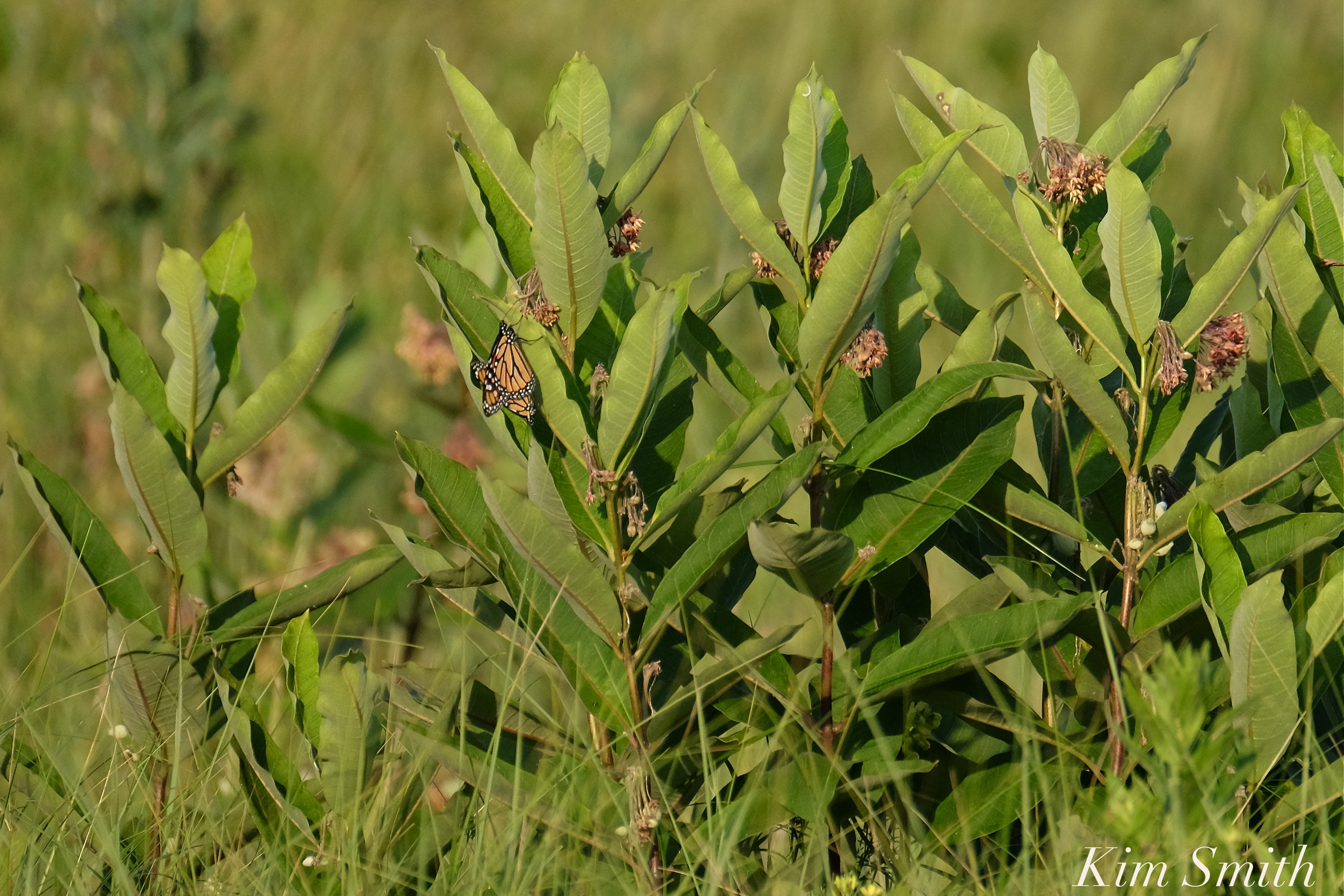
#POLLINATORHERO

Bees and butterflies, as we all know, pollinate flowers, but did you know that bats, songbirds, hummingbirds, wasps, beetles, moths, flies, midges, and even nasty mosquitoes also deliver pollen from plant to plant?

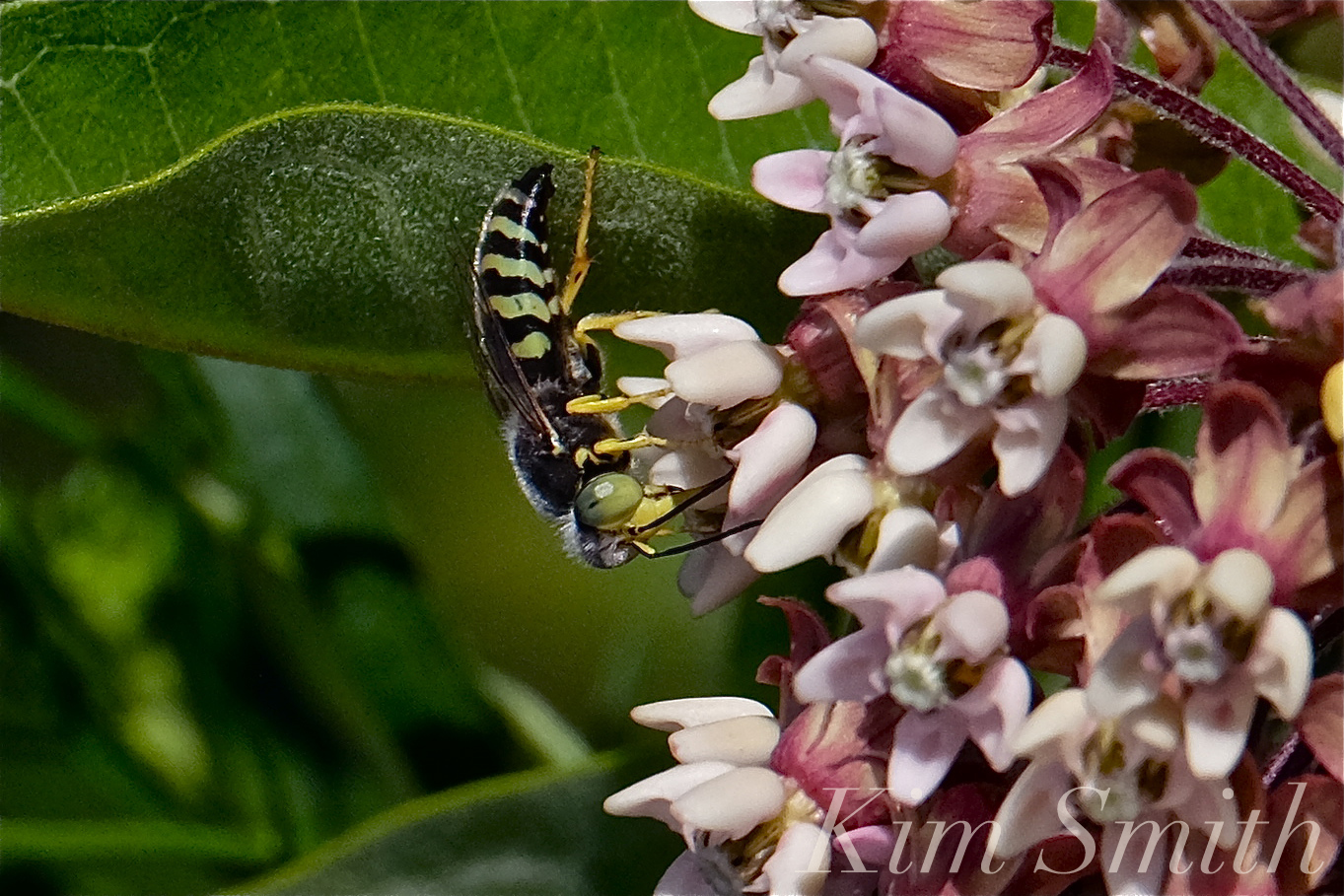
Flower pollinating Green-eyed Wasp drinking nectar from Common Milkweed florets.

The eyes of the male Green-eyed Wasp are larger than the females, all the better to see her, and predators. Green-eyed Wasps are also known as sand wasps because females excavate burrowing nests in sand (as well as soil).

Male Monarch Butterfly flitting about our garden and drinking nectar from the Marsh Milkweed florets.

Notice the mass of orange Milkweed Aphids in the background. Lady Beetles are another pollinator super hero because they help milkweed plants by eating aphids.

https://www.instagram.com/p/BXTNYD9F_We/

MONARCHS HERE, THERE, AND EVERYWHERE PART TWO AND PLEASE CONTINUE TO REPORT YOUR MONARCH SIGHTINGS

The title of the post could just as easily have read Monarchs, Eggs, and Caterpillars Here, There, and Everywhere. I haven’t seen this much Monarch activity on Cape Ann in over ten years and hope so much the number of Monarchs seen in gardens, meadows, and dunes indicates a strong migration.

Thank you to everyone who has written in with your Monarch sightings! The reports are tremendously informative and fun to read, so please, do continue to let us know. The rainy cool weather has temporarily put the kibosh on mating and egg laying, but they are here on our shores and just waiting for a few warm hours and the sun to come out to renew breeding activity.

Monarchs not only drink nectar from the florets of milkweed, it is the only species of plant on which they deposit their eggs. In the above photo you can clearly see the Monarch probing for nectar with her proboscis, or drinking straw. 

Look for the butterflies, eggs, and caterpillars wherever milkweed grows. In our region, they are most often found on pink flowering Common Milkweed (Asclepias syriaca) and Marsh Milkweed (Asclepias incarnata), as opposed to the orange milkweeds, A. curassavica and A. tuberosa.

 Female Monarch depositing an egg on an upper leaf of Common Milkweed.

The eggs are typically laid on the underside of the leaf, near the top of the plant. Tiny golden domes, no larger than a pinhead, Monarch eggs are easily confused with the eggs of other insects.

Once the tiny caterpillar emerges, it will stay towards the top of the plant, venturing further to larger leaves as it grows.

Four Monarchs in One Photo!

I was trying to take a snapshot of two Monarchs flying but not until I returned home did I realize that resting on a leaf were a pair of Monarchs mating. Lara Lepionka had just sent a photo the day before of a pair mating in a tree above her garden. Typically Monarchs will begin mating on the ground, or the foliage of a lower plant plant such as squash or milkweed. They will join together abdomen to abdomen and, once securely attached, the male then carries the female to a safer location. A male and female Monarch will stay coupled together for four to five hours before releasing (see photo below of a pair of Monarchs mating, towards center left.
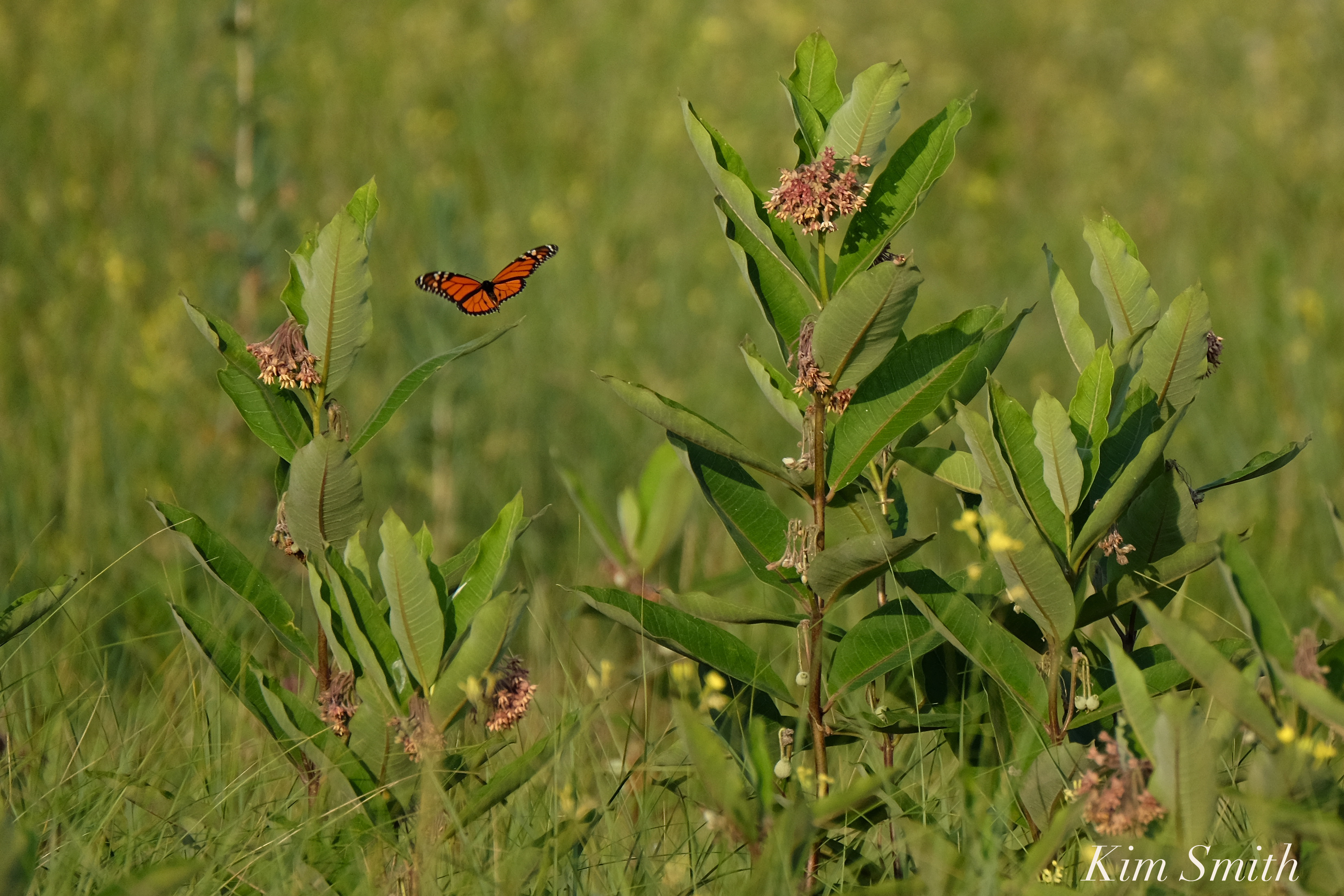
Monarch and Common Milkweed Good Harbor Beach

Not everyone has a gorgeous milkweed patch like Patti Papows. Don’t despair. You don’t have to go far! I am finding tons of eggs and caterpillars on the Common Milkweed that grows around the edge of the parking lot at Good Harbor Beach.
Patti Papows Common Milkweed with Monarch and Bee.

Patti Papows Common Milkweed with Monarch and Bee.

https://www.instagram.com/p/BW7wfw-F5o9/

https://www.instagram.com/p/BXDTPFllQh9/

https://www.instagram.com/p/BW1R9IEFAoI/

https://www.instagram.com/p/BXAv8MHF0bO/

PATTI’S CATTIES AND OTHER TALES FROM THE PAPOWS BEAUTIFUL GARDEN

My friend Patti Papows very thoughtfully invited me to come film and take photos in her gorgeous garden, especially her milkweed patch. Patti purchased milkweed plants from our Cape Ann Milkweed Project several years ago, both the Common and Marsh Milkweed that we offered.

Patti’s Common Milkweed has really taken off this year. The plants are about five feet tall, lush and healthy, and bursting with sweetly fragrant blossoms. The Monarchs are daily visitors, coming not by the ones and twos, but by the dozen. Not only are her milkweed blossoms beckoning to the Monarchs, but the plants are also attracting every bee species imaginable found in a Cape Ann garden, as well as myriad other pollinating insects.

I showed Patti how to find Monarch caterpillars. She found three in about three minutes; we weren’t even trying that hard! They are safer from spiders in my terrariums, so I brought her tiny caterpillars home where they are developing nicely alongside a dozen Monarch eggs. These eggs were discovered in my garden, and at the Common Milkweed plants growing along the edges of the Good Harbor Beach parking lot.

https://www.instagram.com/p/BW7y-ywl3kb/


Patti’s patch of native high bush blueberries attracts loads of Catbirds, and dozens more species of songbirds and small mammals. This morning the foliage made a perfect perch for a male Monarch butterfly.

In the above photo you can clearly see the Monarch’s two-part tubular drinking straw, called a proboscis. The Monarch is probing deep into the Milkweed floret for a sip of sweet nectar.

Who, me? I’m innocent! Chipmunk snacking at the buffet-of-plenty in Patti’s garden. 

Patti placed the purple chair in the midst of the milkweed patch so that visitors can enjoy being surrounded by the beautiful pollinators buzzing all around and the delightful fragrance emitted by the Common Milkweed. I tried it out and her plan worked, it is pure Heaven!

I had an absolutely wonderful morning filming and photographing, despite the limiting overcast skies, and plan to return on a sunnier day, hopefully this week while the Monarchs are here on Cape Ann busy egg-laying and pollinating our gardens!