Tag Archives: Monarch butterfly

PATTI’S CATTIES AND OTHER TALES FROM THE PAPOWS BEAUTIFUL GARDEN

My friend Patti Papows very thoughtfully invited me to come film and take photos in her gorgeous garden, especially her milkweed patch. Patti purchased milkweed plants from our Cape Ann Milkweed Project several years ago, both the Common and Marsh Milkweed that we offered.

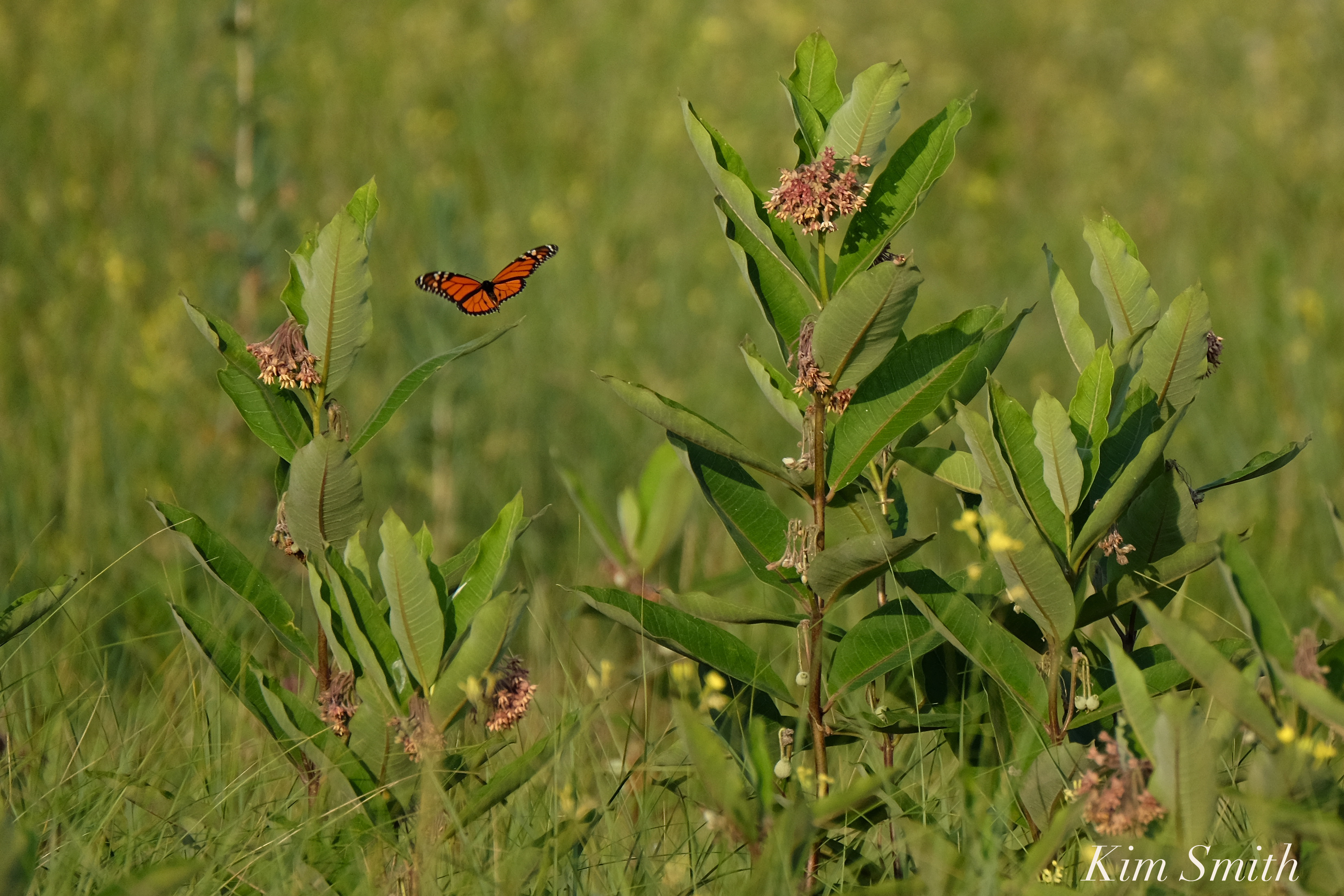
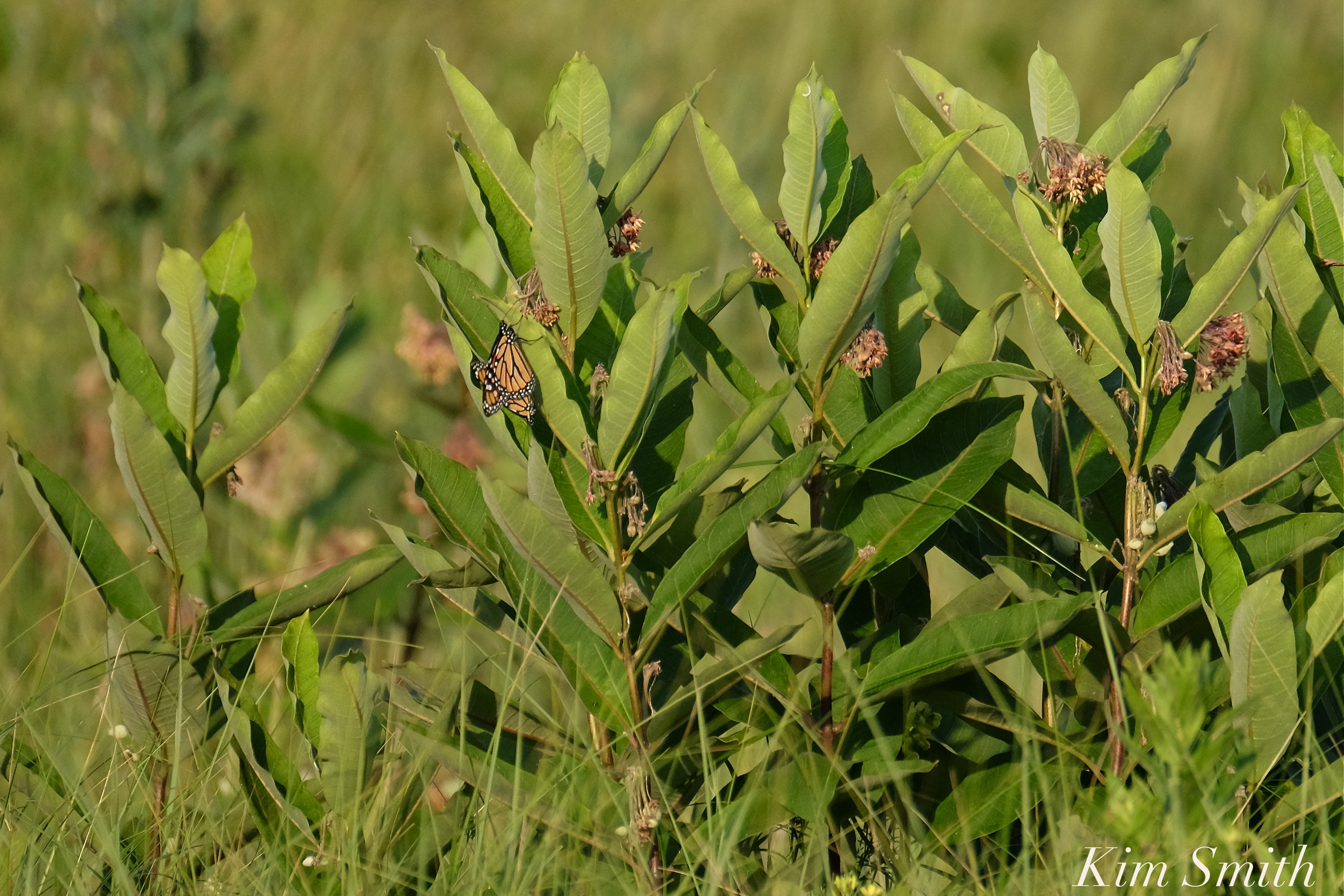
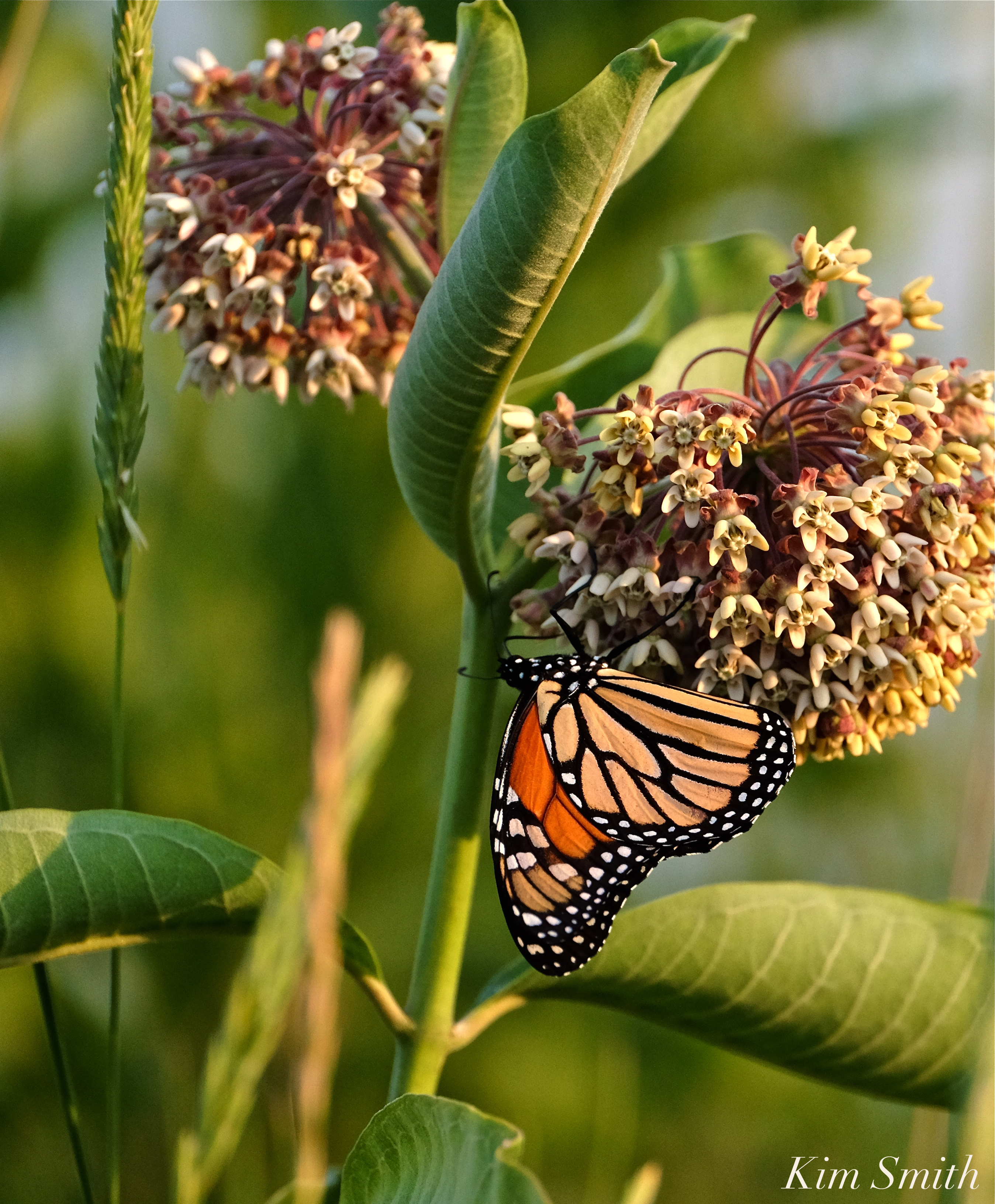
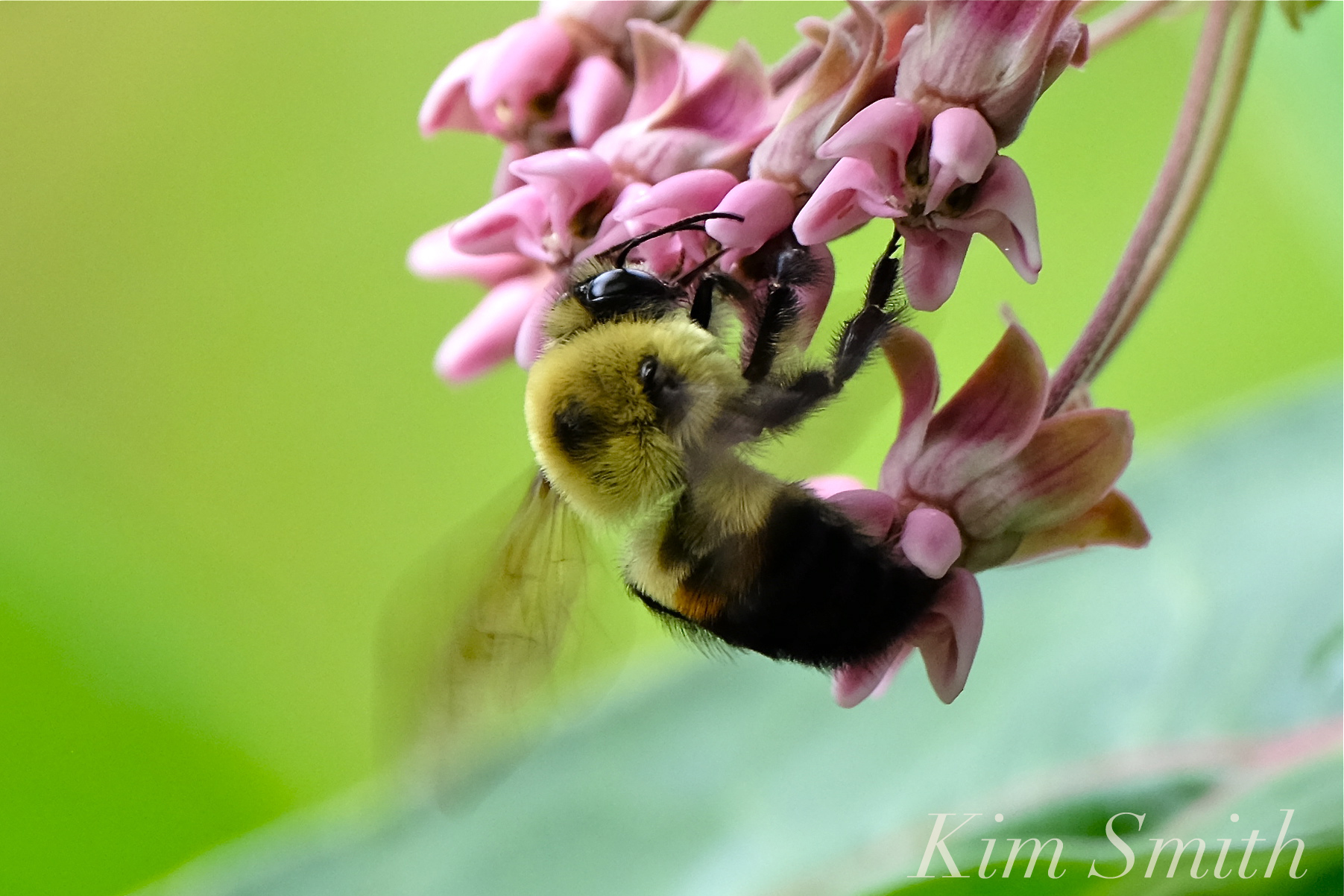
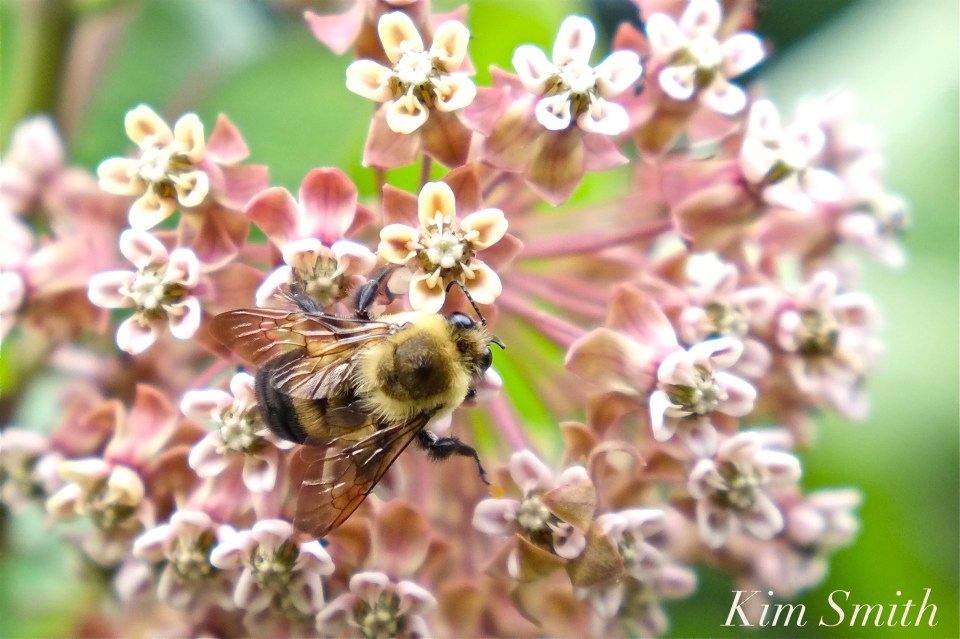
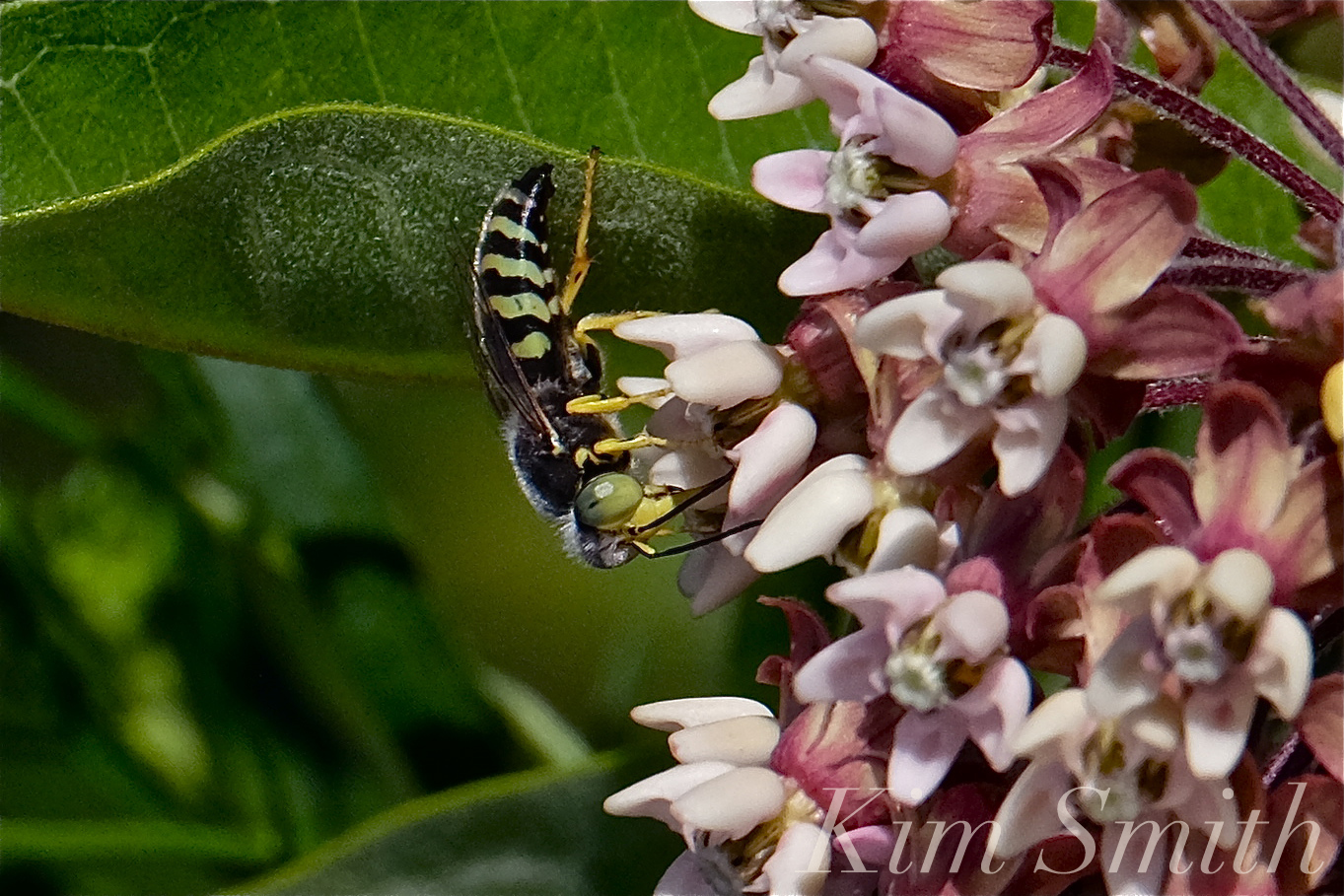
Patti’s Common Milkweed has really taken off this year. The plants are about five feet tall, lush and healthy, and bursting with sweetly fragrant blossoms. The Monarchs are daily visitors, coming not by the ones and twos, but by the dozen. Not only are her milkweed blossoms beckoning to the Monarchs, but the plants are also attracting every bee species imaginable found in a Cape Ann garden, as well as myriad other pollinating insects.

I showed Patti how to find Monarch caterpillars. She found three in about three minutes; we weren’t even trying that hard! They are safer from spiders in my terrariums, so I brought her tiny caterpillars home where they are developing nicely alongside a dozen Monarch eggs. These eggs were discovered in my garden, and at the Common Milkweed plants growing along the edges of the Good Harbor Beach parking lot.

https://www.instagram.com/p/BW7y-ywl3kb/


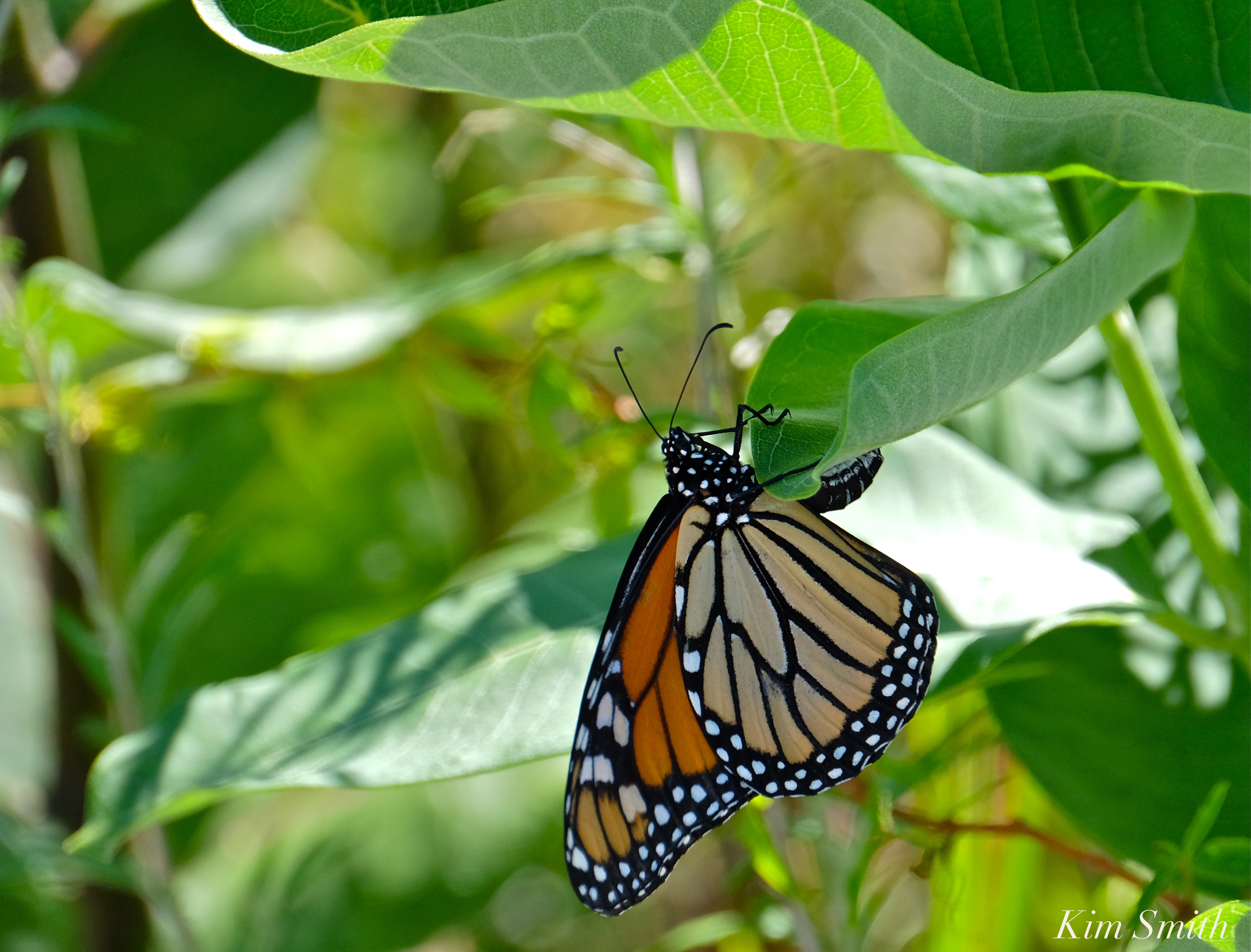
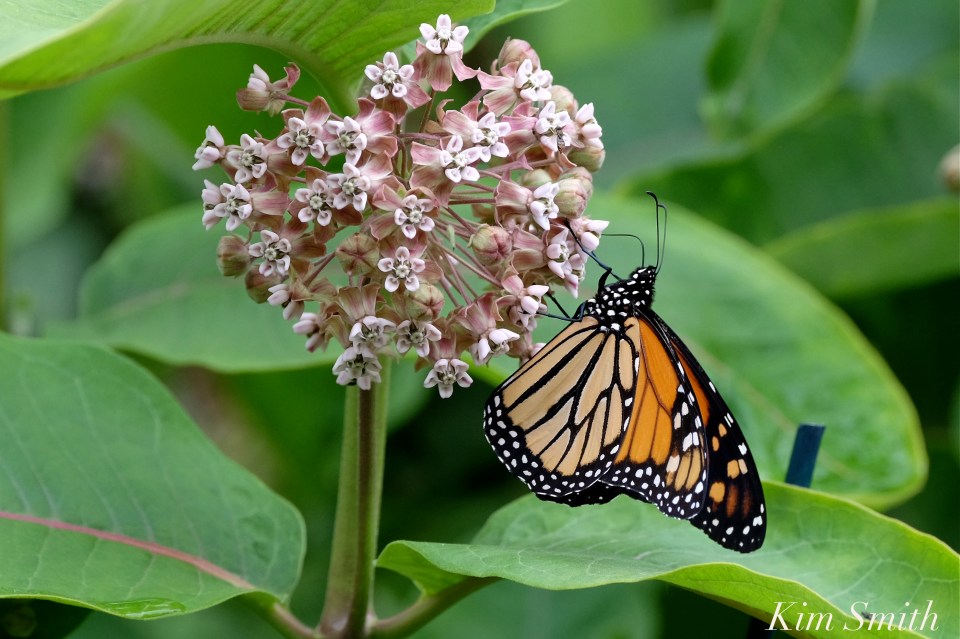
Patti’s patch of native high bush blueberries attracts loads of Catbirds, and dozens more species of songbirds and small mammals. This morning the foliage made a perfect perch for a male Monarch butterfly.

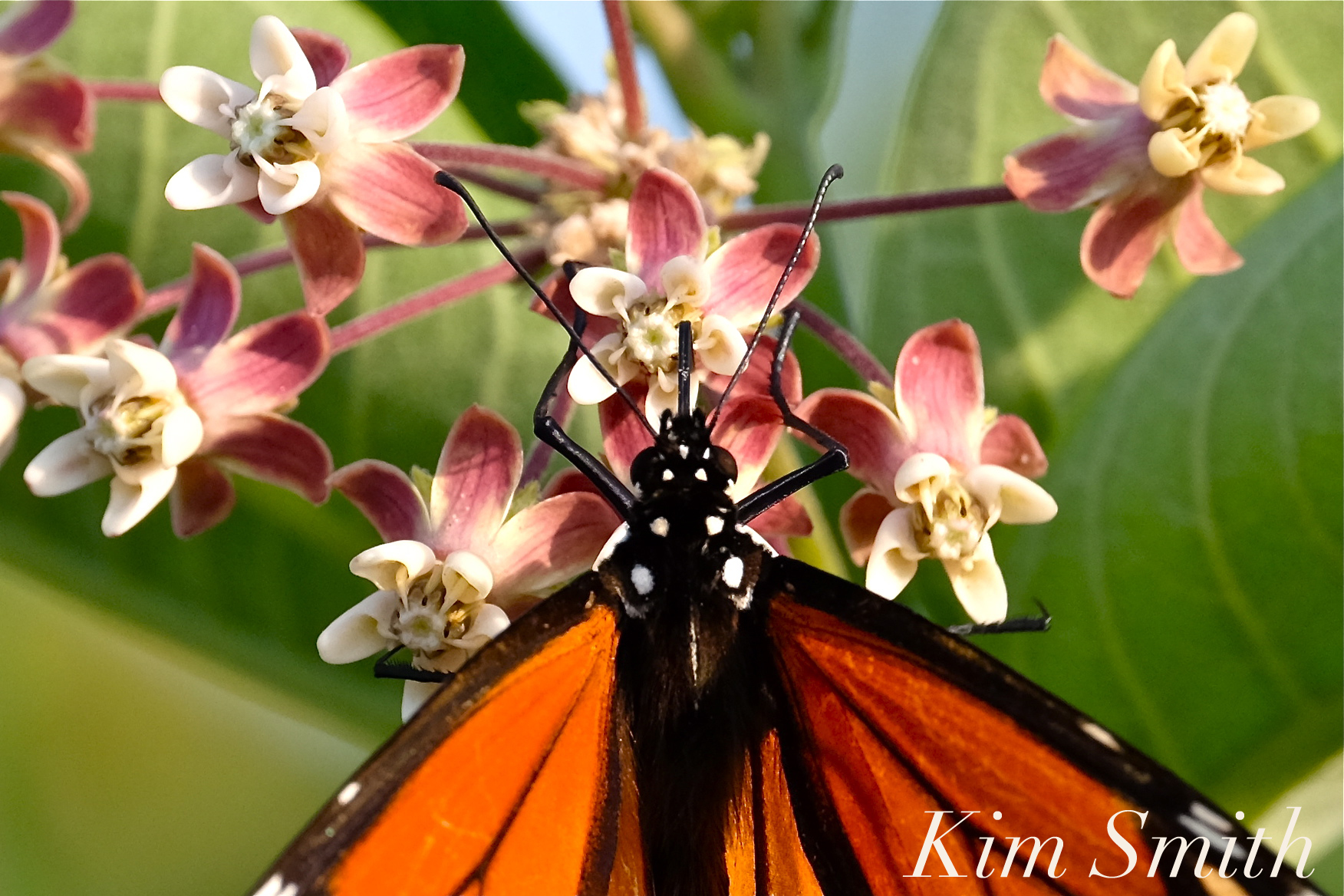
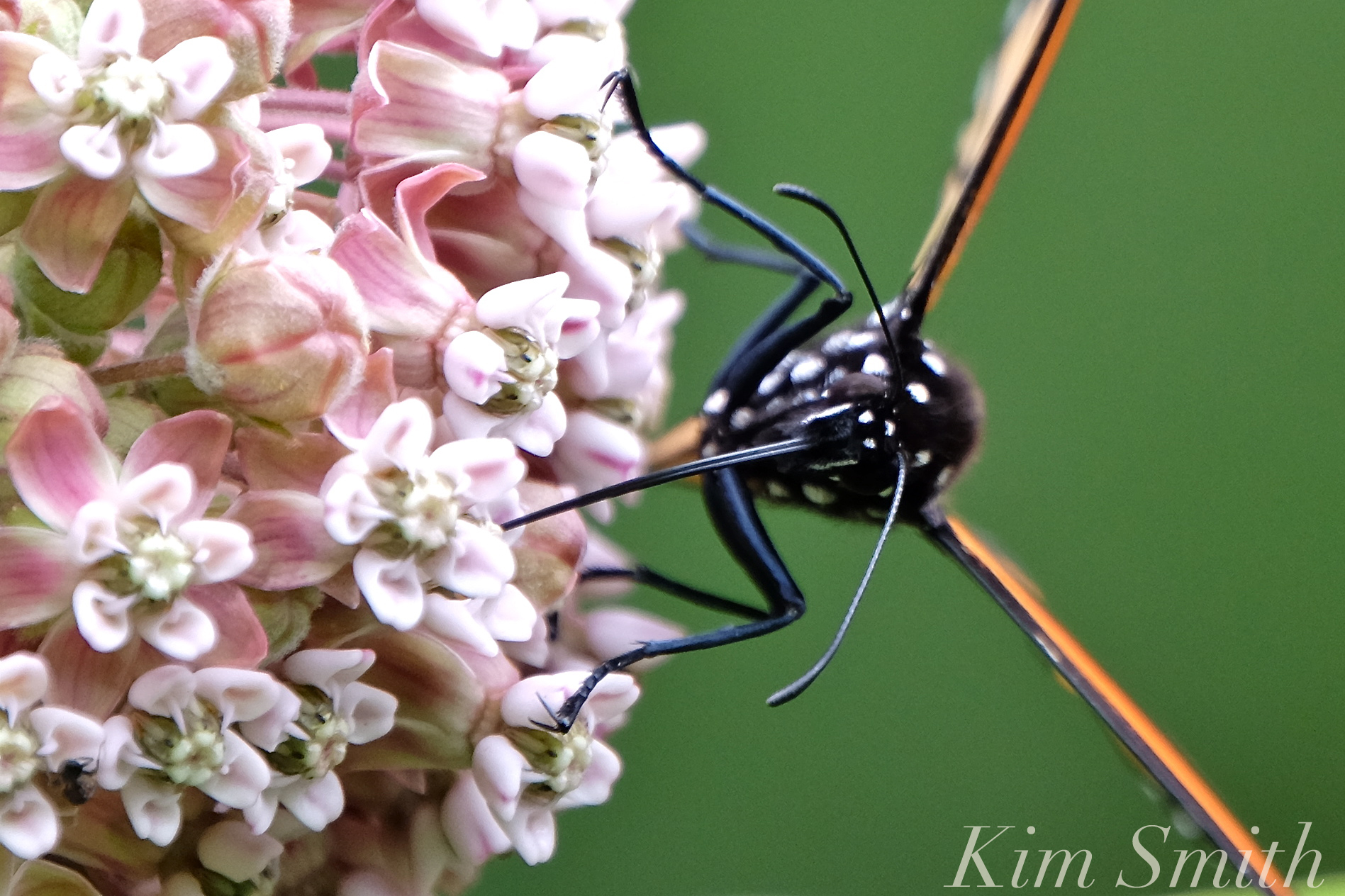
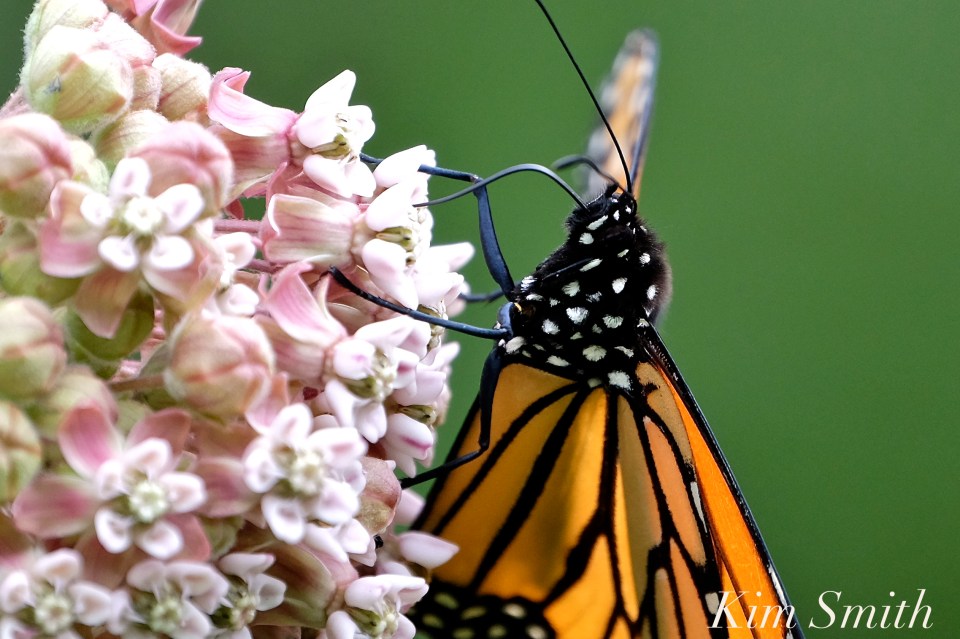
In the above photo you can clearly see the Monarch’s two-part tubular drinking straw, called a proboscis. The Monarch is probing deep into the Milkweed floret for a sip of sweet nectar.

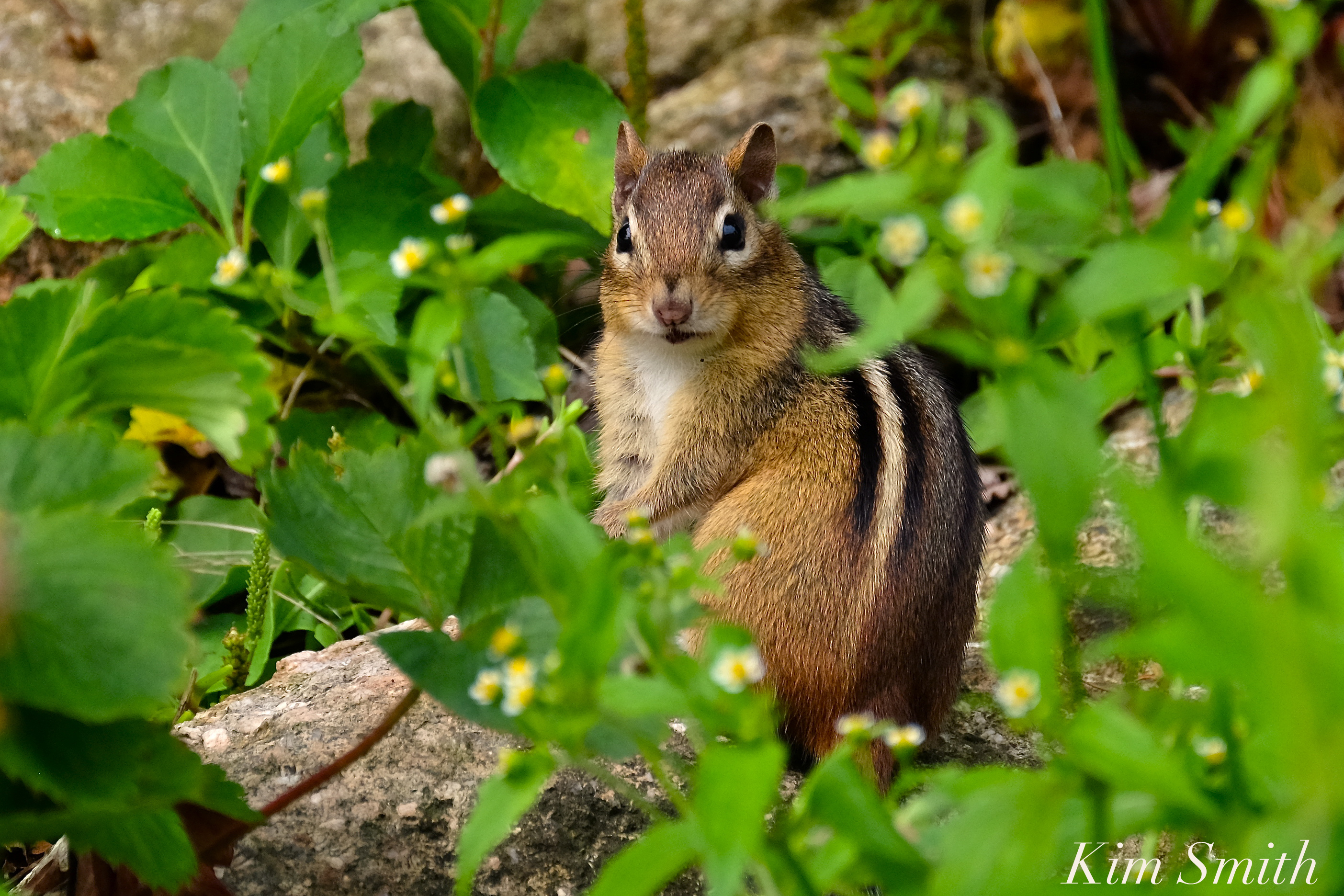
Who, me? I’m innocent! Chipmunk snacking at the buffet-of-plenty in Patti’s garden. 

Patti placed the purple chair in the midst of the milkweed patch so that visitors can enjoy being surrounded by the beautiful pollinators buzzing all around and the delightful fragrance emitted by the Common Milkweed. I tried it out and her plan worked, it is pure Heaven!

I had an absolutely wonderful morning filming and photographing, despite the limiting overcast skies, and plan to return on a sunnier day, hopefully this week while the Monarchs are here on Cape Ann busy egg-laying and pollinating our gardens!


MONARCHS HERE, THERE, AND EVERYWHERE! PLEASE REPORT YOUR MONARCH BUTTERFLY SIGHTINGS (EDITED)

Reports of Monarch Butterfly sightings are coming in from all around Cape Ann, and beyond. I have seen more this this year than in recent summers. I wonder if higher numbers in July indicates a stronger migration in September. We can hope!

At this time of year, the females are depositing the eggs of the next generation.  You can find Monarchs at wildflower meadows, dunes, and gardens, where ever milkweed and nectar-rich flora grow. Typically, the eggs and caterpillars are found on the undersides of the uppermost leaves.

If you would, please report any Monarch activity that you have seen–eggs, flight, caterpillars, nectaring, mating, whatever you discover. Please share the approximate date and place. Even if you have shared previously in a comment, I hope to keep all the sightings in one place, so please re-comment. Thank you! 

*EDIT:

Thank you everyone for writing! How exciting that so many are being spotted, many more than the past several years. One was in my garden this morning, again, and two at Good Harbor Beach dunes earlier this morning.

Adding JoeAnn Hart, Susan Burke and Michele Del, as they commented on Facebook.

Patti, do you have caterpillars?? I’d love to stop by and see.

Please keep your comments coming. Thank you!!!!

When watching, note that the first two minutes of the film were shot in Gloucester. I think you will be dazzled by the numbers of Monarchs that travel through Cape Ann’s backyards and meadows during the peak of migration.

NRCS, USFWS Partner to Accelerate Conservation on Agricultural Lands for the Monarch Butterfly

NRCS, USFWS Partner to Accelerate Conservation on Agricultural Lands for the Monarch Butterfly


Download the Monarch Butterfly Conference Report.
NEW Working Lands for Wildlife National project bounderies
See a map of Working Lands for Wildlife National Project Boundaries.

The monarch butterfly is a new national priority species of Working Lands for Wildlife (WLFW), a partnership between the U.S. Department of Agriculture’s Natural Resources Conservation Service (NRCS) and the U.S. Fish and Wildlife Service (USFWS). Populations of monarchs, a pollinator species cherished across North America, have declined significantly during the past two decades. This collaboration aims to help the species recover by working with agricultural producers to make wildlife-friendly improvements on their farms, ranches and forests.

“Producers can make simple and inexpensive tweaks on working lands that provide monumental benefits to monarch butterflies and a variety of other insects and wildlife,” said NRCS Chief Jason Weller. “By adding the monarch to Working Lands for Wildlife, we can accelerate conservation for the species at the heart of its migration corridor.”

NRCS and USFWS recently completed a conference report that explains how conservation practices can help the eastern monarch population, a species known for its remarkable annual, multi-generational migration between central Mexico and the United States and Canada. This report is an initial step toward adding the monarch to WLFW, which uses a science-based, targeted approach to help a variety of at-risk species.

“We need to make every effort to help ensure monarchs don’t become endangered now and in the long term,” said USFWS Midwest Regional Director Tom Melius. “Conservation efforts on agricultural lands across the nation can have a significant positive impact on monarchs as well as many other pollinator insects and birds. Working with farmers and other private landowners, we can ensure a future filled with monarchs.”

The monarch butterfly joins an array of wildlife species across the country already part of WLFW, including the greater sage-grouse and New England cottontail, two recent successes in species conservation. The USFWS determined in 2015 that the two species didn’t warrant protections under the Endangered Species Act (ESA) because of voluntary conservation efforts underway to restore habitat.

Through WLFW, NRCS provides technical and financial assistance to help producers adopt conservation practices that benefit the monarch. Meanwhile, through the conference report, the USFWS provides producers with regulatory predictability should the monarch become listed under the ESA. Predictability provides landowners with peace of mind – no matter the legal status of a species under ESA – that they can keep their working lands working with NRCS conservation systems in place.

Work through WLFW centers on 10 states in the Midwest and southern Great Plains that are considered the core of the monarch’s migration route and breeding habitat. Much of this work will focus on planting and enhancing stands of milkweed and other high-value nectar plants for monarchs. Assistance is available to producers in Illinois, Indiana, Iowa, Kansas, Minnesota, Missouri, Ohio, Oklahoma, Texas and Wisconsin.

USFWS has committed significant funding – $20 million over five years – to support monarch conservation efforts. Additionally, USFWS is working with partners, including the National Fish and Wildlife Foundation, National Wildlife Federation and the Mexican and Canadian governments to leverage resources and investments to support and implement conservation actions across the continent.

During the past two years, NRCS has made available $6 million through a variety of Farm Bill conservation programs for monarch conservation in the 10 states. Additionally, NRCS is working with partners, including The Xerces Society and General Mills, to increase staffing capacity to help producers design customized conservation strategies for working lands.

The two agencies’ efforts contribute to a multi-agency, international strategy to reverse the monarch’s population decline in North America, estimated to have decreased from one billion butterflies in 1995 down to an estimated 34 million. Through the National Strategy to Promote the Health of Honey Bees and Other Pollinators, offsite link image     released by the White House, the United States has a goal of increasing the eastern population of monarchs back to 225 million by 2020.

Producers interested in NRCS assistance should contact their local USDA service center to learn more. NRCS accepts landowner enrollment applications on a continuous basis. NRCS offers more than three dozen conservation practices that can provide benefits to monarchs as well as a variety of other pollinators.



Save the Date for My Upcoming Pollinator Garden Program at the Sawyer Free Library!

Dear Friends,

Please join me April 6th at 7pm at the Sawyer Free Library where I will be giving my Pollinator Garden program and screening several short films. This event is free and open to the public. I am looking forward to presenting this program at our wonderful Sawyer Free and hope to see you there!!

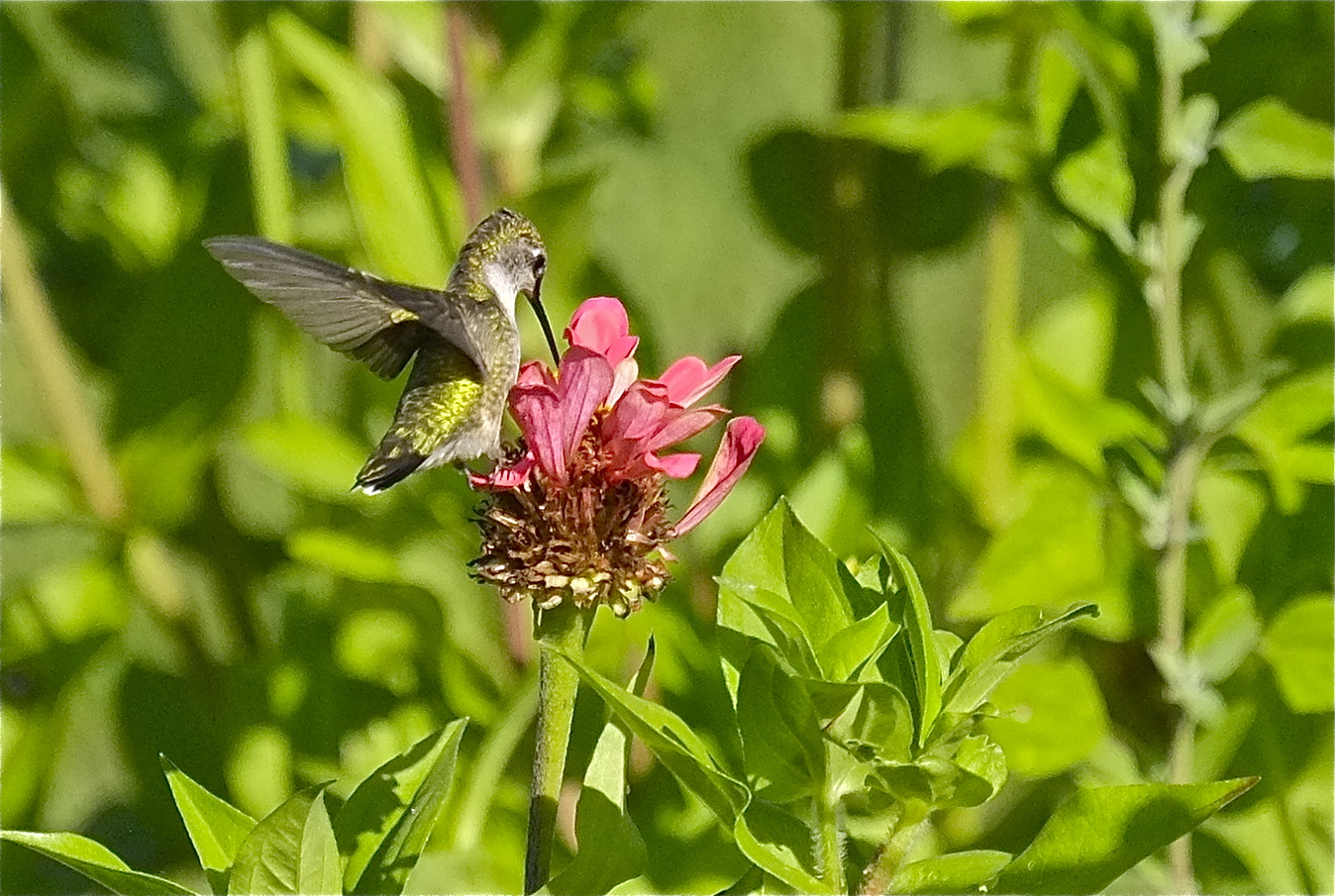
Female Ruby-throated hummingbird and zinnia – ornithophily is the pollination of flowering plants by birds. They carry off the pollen on their heads and neck to the next flower they visit.

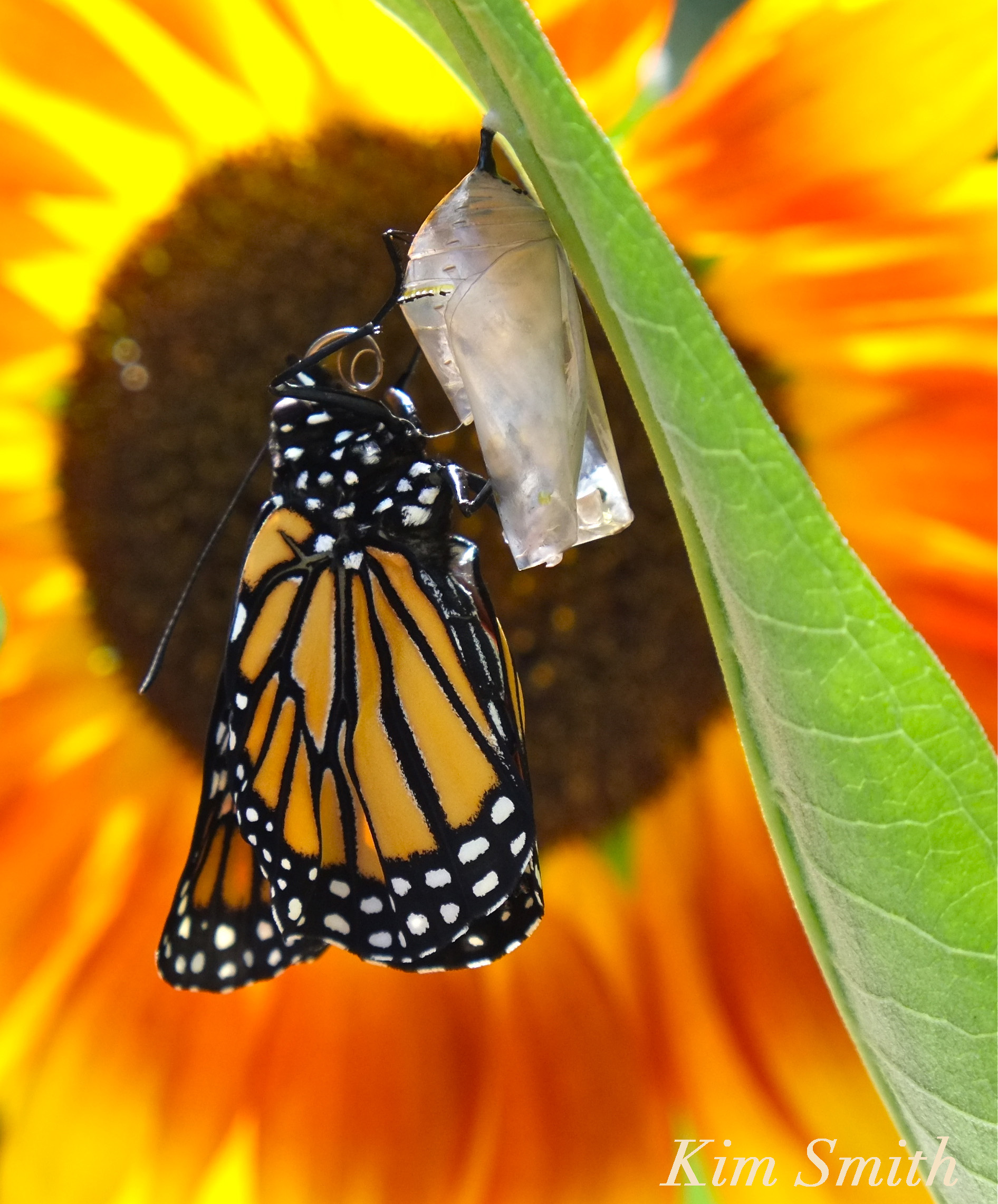
This newly eclosed Monarch is clinging to its chrysalis case. Within moments of emerging, the two-part Monarch proboscis must zip together to form a siphoning tube. If the two parts do not join, the butterfly will not be able to drink nectar. In this photo, you can see the proboscis is not yet fully zipped.

“Following the rhythm of the seasons, celebrated landscape designer Kim Smith presents a stunning slide show and lecture demonstrating how to create a welcoming haven for bees, birds, butterflies, and other wildlife. Native plants and examples of organic and architectural features will be discussed based on their value to particular vertebrates and invertebrates.”

https://www.instagram.com/p/BK1D-bjjX8Y/

Day of the Dead: A Celebration of Life and Death

Happy All Souls Day!

You may have noticed that this year’s Dia de los Muertos Google Doodle is meant to look like traditional Mexican Papel Picado.screen-shot-2016-11-02-at-9-44-09-am

Dia de los Muertos Papel Picado

I love the designs of the Papel Picado, especially the Dia de los Muertos skeletons doing everyday things. I found some at Nomad in Cambridge.Deb Colburn, the owner, curates gorgeous folk art for her shop from all around Mexico, and from all around the world. She’s a very sweet person to stop in and visit with, and is also very knowledge about Mexican culture. Nomad is located at 1741 Massachusetts Avenue in Cambridge.

Learning About Day of the Dead Traditions

dayofthedeadaltar1_webThere is a beautiful ofrenda at the Peabody Museum at Harvard, which is where I learned about the Mexican Purépecha indigenous people’s name for the Monarch butterfly, the “Harvester.” The altar is part of the Museum’s permanent collection and is on display year round.

From the Peabody Museum at Harvard’s Dia de los Muertos exhibit.

The Peabody Museum’s exhibition of a Day of the Dead ofrenda or altar is located in the Encounters With the Americas gallery. The exhibit features pieces from the Alice P. Melvin Collection of Mexican Folk Art and represents the Aztec origins of the holiday and the Catholic symbols incorporated into the tradition, from skeletons to plush Jesus figures.

The altar is contained within a box covered with panels that were decorated by local students and regional and international artists. The altars were designed by the Peabody exhibitions staff and Mexican artists Mizael Sanchez and Monica Martinez.

Originating with the Aztecs, the Mexican Day of the Dead is a unique blend of Mesoamerican and Christian rituals. The holiday, which is celebrated on November 1, All Saints’ Day, is usually dedicated to children; November 2, All Souls’ Day, is dedicated to adults.

Traditions vary from region to region, but generally families gather at cemeteries to tend and decorate the graves of their departed loved ones and remember them by telling stories, eating their favorite foods, and dancing in their honor. Many families build altars at home, decorated with flowers and food, especially pan de muerto or “bread of the dead.” A festive and social occasion, the holiday welcomes the return of those who have died and recognizes the human cycle of life and death.

The Peabody’s permanent altar features items from the Alice P. Melvin collection of Mexican folk art. To see these items, click here.

Curated by Davíd Carrasco, Neil L. Rudenstine Professor of the Study of Latin America and Mexican artist Mizael Sanchez.

To watch a video interview with Mizael Sanchez, click here.

Celebrating Dia de los Muertos

marigolds-flor-de-muerto-copyright-kim-smithOn a recent visit to say hello to ELise and Tucker at Cedar Rock Gardens they were hard at work planting a humongous field of tulips, planned to bloom for next Mother’s Day. Elise generously shared pots of fresh marigolds dug from their fields, not in good enough shape to sell, but perfect for our first ever Day of the Dead altar, Ofrenda de Muertos.

The vibrant colors and fresh citrusy scent of marigolds lure the spirits–marigolds are strewn about and placed around the altar so the souls can find their way. There is a wild version of marigolds that blooms in October and the Spanish name for the flower is flor de muerto, or flower of death.

The altar, or “offering to the dead,” is a sacred Mexican tradition where those who have passed away are honored by the living. The celebration takes place on November 1st and 2nd, on the 1st to honor the souls of children and on the 2nd, to honor adults. I became fascinated with the tradition after learning that Monarchs arrive in Mexico about the same time as Dia de los Muertos is celebrated. In Mexican folklore, butterflies represent the returning souls of departed loved ones. In the native language of the Purépecha, the name for the Monarch is the “harvester” butterfly. The Purépecha are a group of indigenous people centered in the northwestern region of the Mexican state of Michoacán, the very region to where the Monarchs return every year! 

There is a beautiful ofrenda at the Peabody Museum, which is where I learned about the “Harvester” butterfly. The altar is part of the Museum’s permanent collection and is on display year round. Here is a link to the exhibit.altarmarigoldssept-2010-163

716cca8662eab19228a8cb0bd3060dc3

Planting Milkweed with Camilla MacFadyen and The Sarroufs!

img_4937img_4947Thank you to Dawn and John Sarrouf for sharing their milkweed planting photos. They are visiting their friend Camilla at her family home in Small Point Maine, which sounds like, from Dawn’s description, a gorgeously beautiful location, and ideal Monarch habitat. There are fields of wildflowers, and Seaside Goldenrod grows just as easily in the rocky outcroppings there as it does on Eastern Point. After looking at maps, it appears as if you could draw a virtual straight line from Small Point to Eastern Point. Dawn and friends spotted about ten butterflies yesterday. Perhaps we’ll be the next stop (after the predicted rainfall).

img_4946Camilla collected milkweed seed pods and enlisted the Sarroufs to help plant.

DAWN SARROUF PHOTOS