Category Archives: Monarch Butterfly

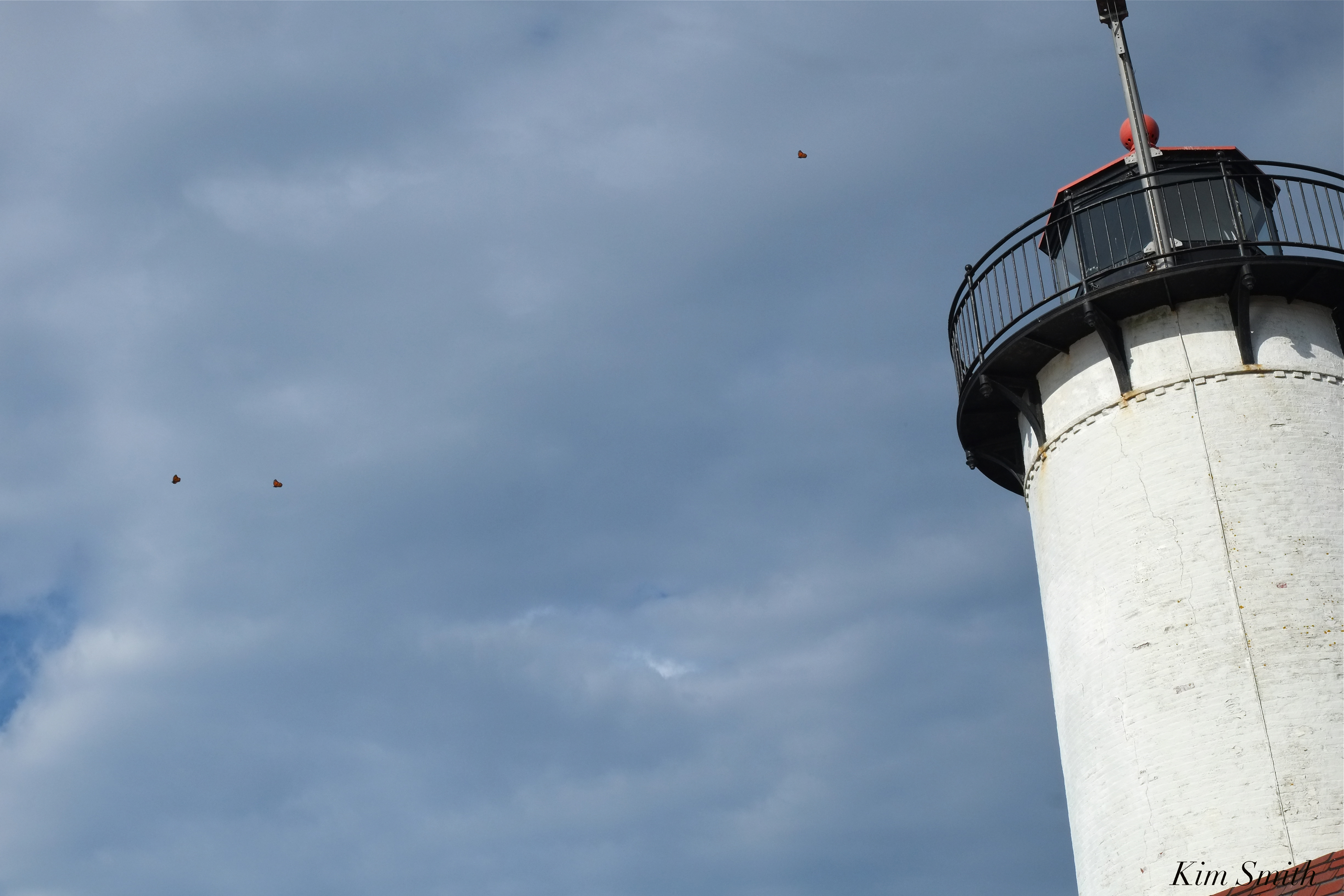
THANK YOU! AND MONARCH FLAKES AT EASTERN POINT LIGHTHOUSE

 Monarchs were streaming all along the coast of Cape Ann yesterday and it was a beautiful sight! 

I AM OVERJOYED TO SHARE THAT WE HAVE RAISED 800.00 IN 24 HOURS!!! MY DEEPEST THANKS TO LAUREN M. FROM MANCHESTER, DONNA STOMAN AND PEGGY O’MALLEY FROM GLOUCESTER, JOEY C, AND ANONYMOUS FOR THEIR GENEROUS HELP. 

Please help towards the completion of my documentary film Beauty on the Wing: Life Story of the Monarch Butterfly, filmed in the wilds of Cape Ann and Angangueo. Thank you! DONATE HERE.

A SPECTACULAR PAINTED LADY BUTTERFLY IRRUPTION HAPPENING RIGHT NOW!

The sheer number of Painted Ladies migrating are stealing some of the Monarchs thunder!

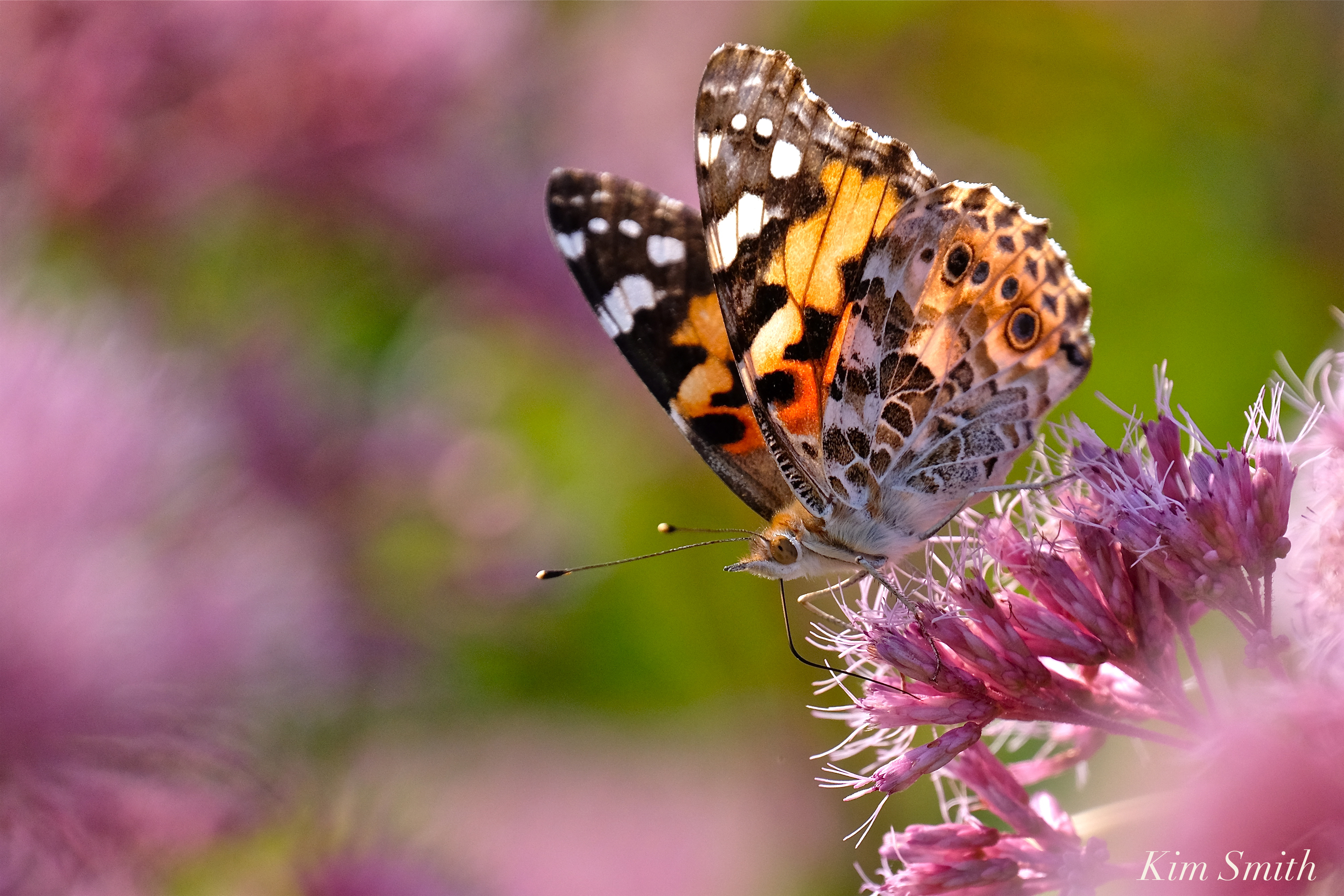
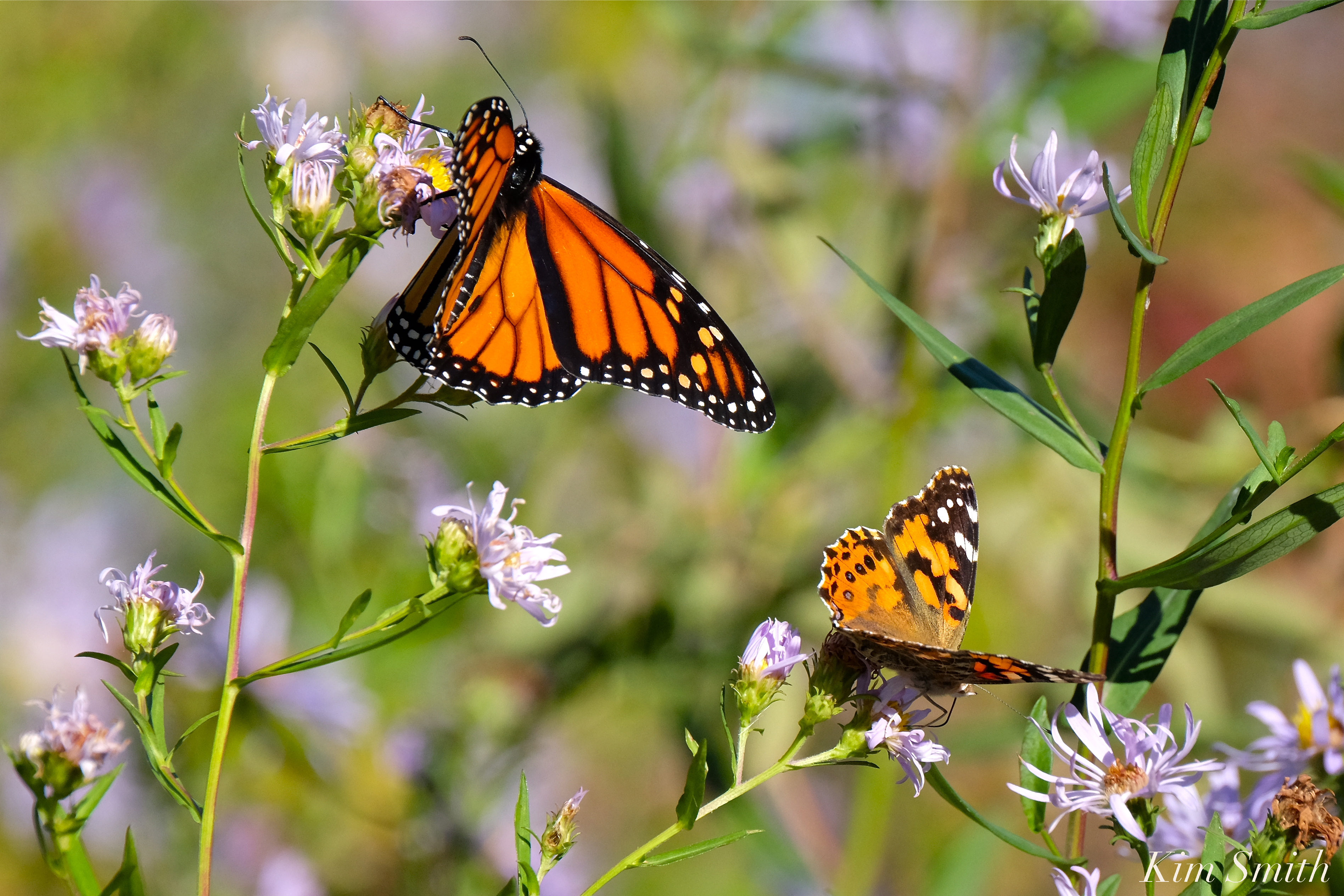
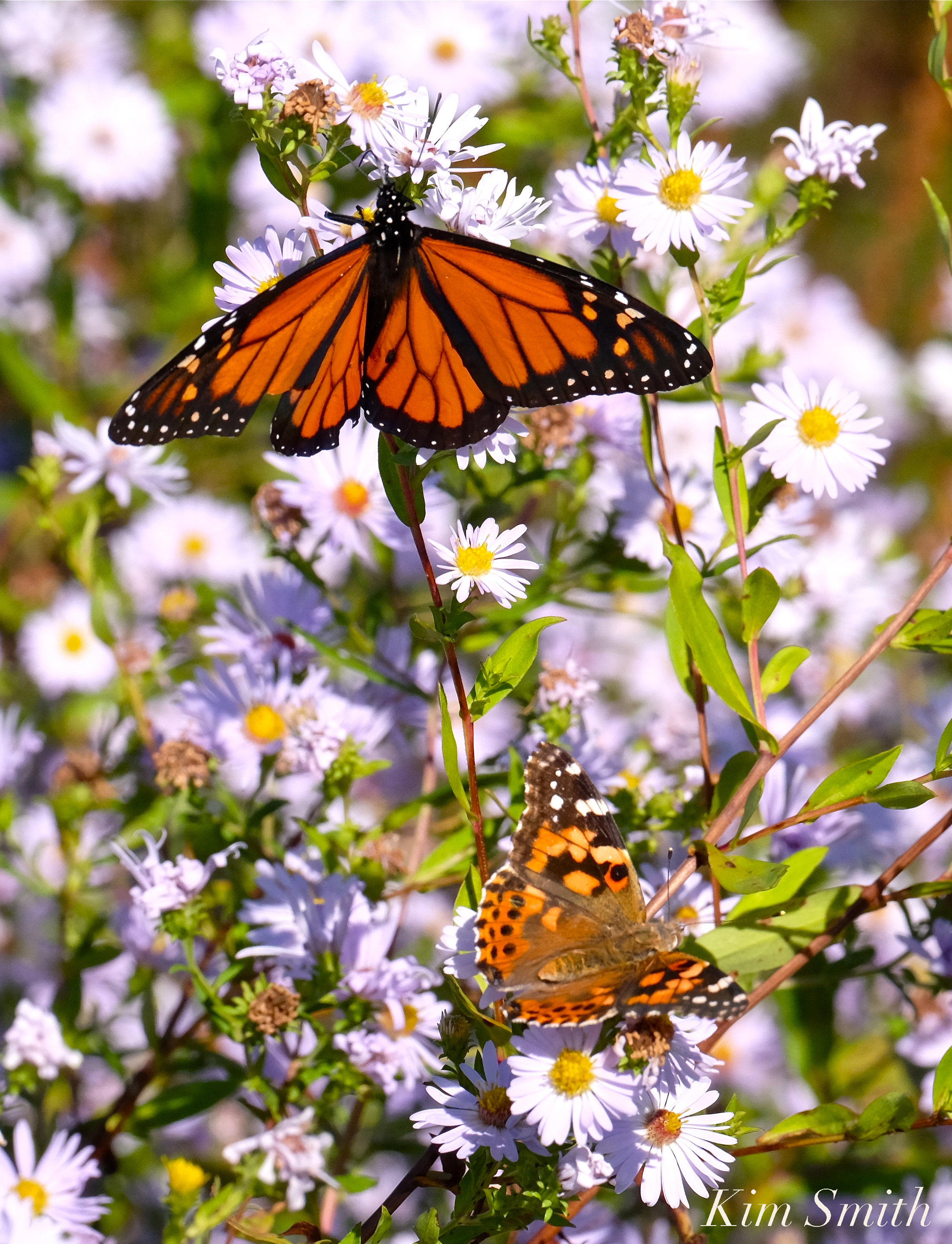
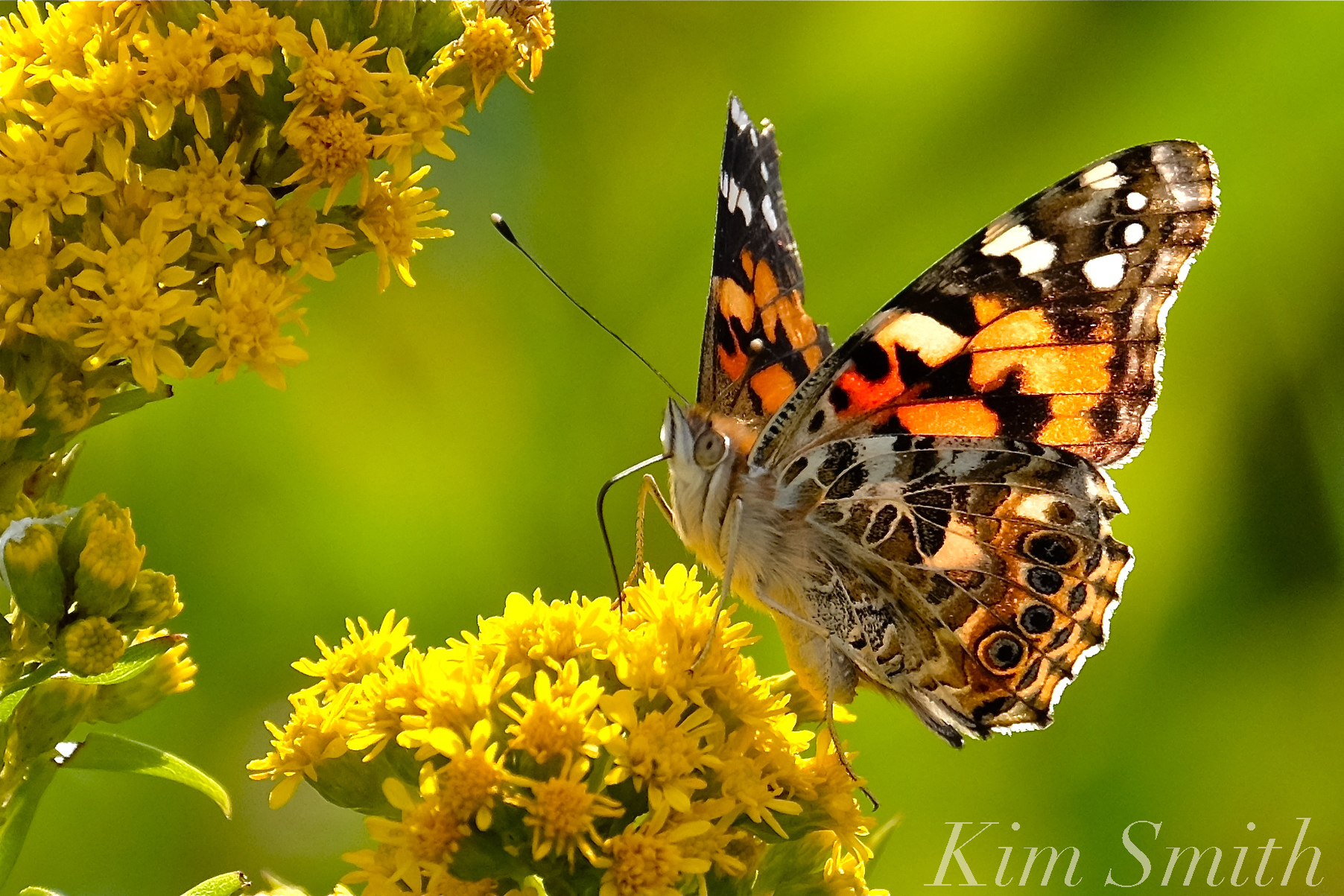
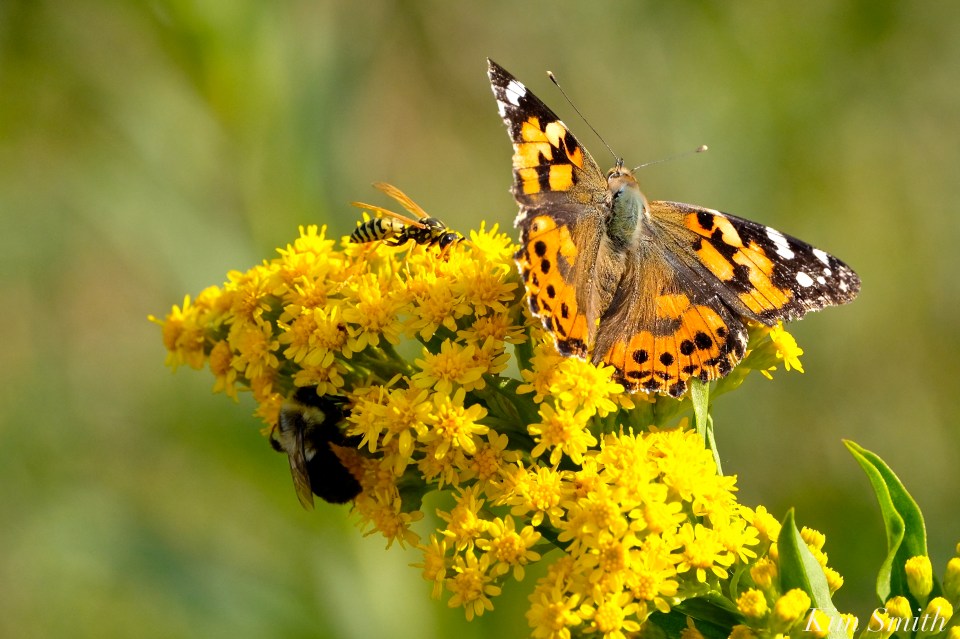
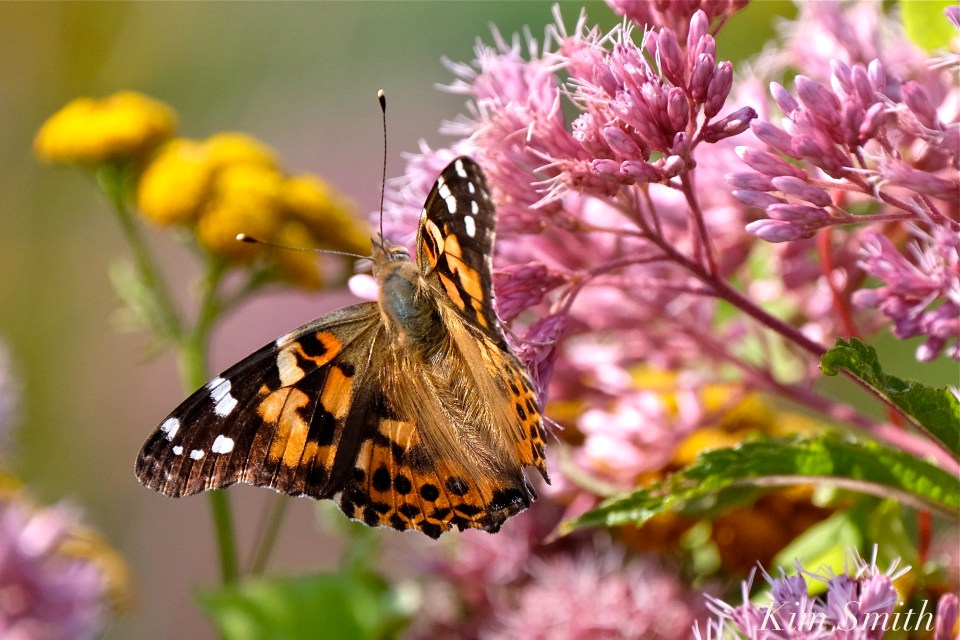
Many readers have written inquiring about the beautiful butterflies with wings in a tapestry of brilliant orange, brown, black, gold, and blue. Painted Ladies (Vanessa cardui) are often confused with Monarch butterflies, especially during the late summer. Both are currently migrating and you will often see the two species drinking nectar side-by-side.

As do Monarchs, Painted Ladies depart from Mexico to begin their northward migration in springtime. Both Monarchs and Painted Ladies belong to the brush-foot family (Nymphalidae) and can only survive in warm climates.

Monarch Butterfly, top, and Painted Lady bottom. Note that the Painted Lady is about half the size of the Monarch.

Sightings from the midwest recorded large numbers early in the season, and 2017 has proven to be an outstanding year for this most successful of butterflies. The Painted Lady is also nicknamed the “Cosmopolitan” butterfly because it is the most widespread butterfly in the world.

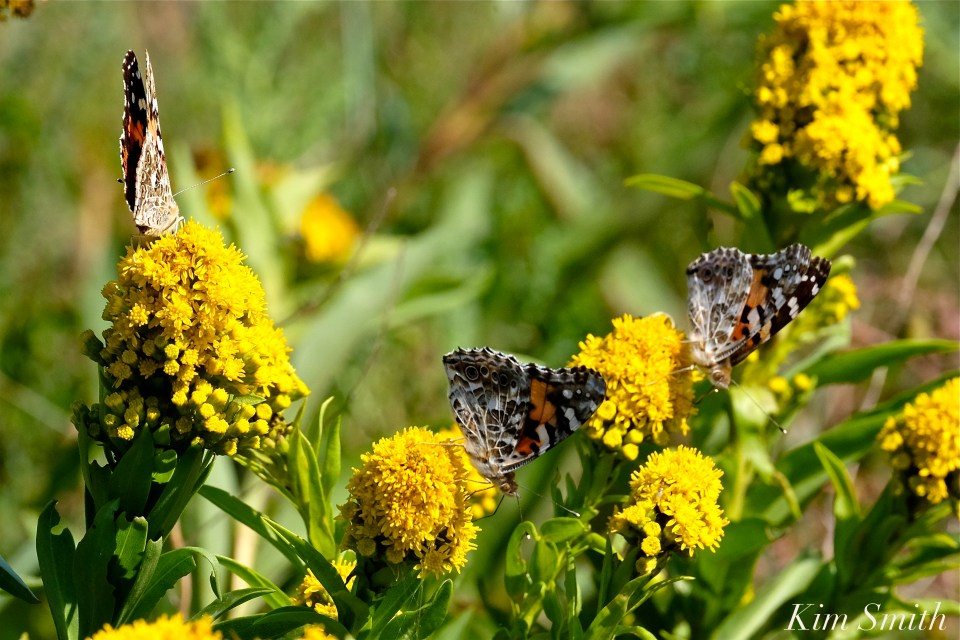
Painted Lady drinking nectar from the Seaside Goldenrod at the Gloucester HarborWalk

One reason we may possibly be experiencing a Painted Lady irruption in North America is because a rainy spring in the south was followed by a fabulous bloom of dessert annuals that provided abundant food plants for the caterpillars. Unlike Monarch butterflies, which will only deposit their eggs on members of the milkweed family (Asclepias), Painted Lady caterpillars eat a wide range of plants. More than 300 host plants have been noted; favorites include thistles, yarrow, Pearly Everlasting, Common Sunflower (Asteraceae), Hollyhock and many mallows (Malvaceae), various legumes (Fabaceae) along with members of Boraginaceae, Plantaginaceae, and Urticaceae.

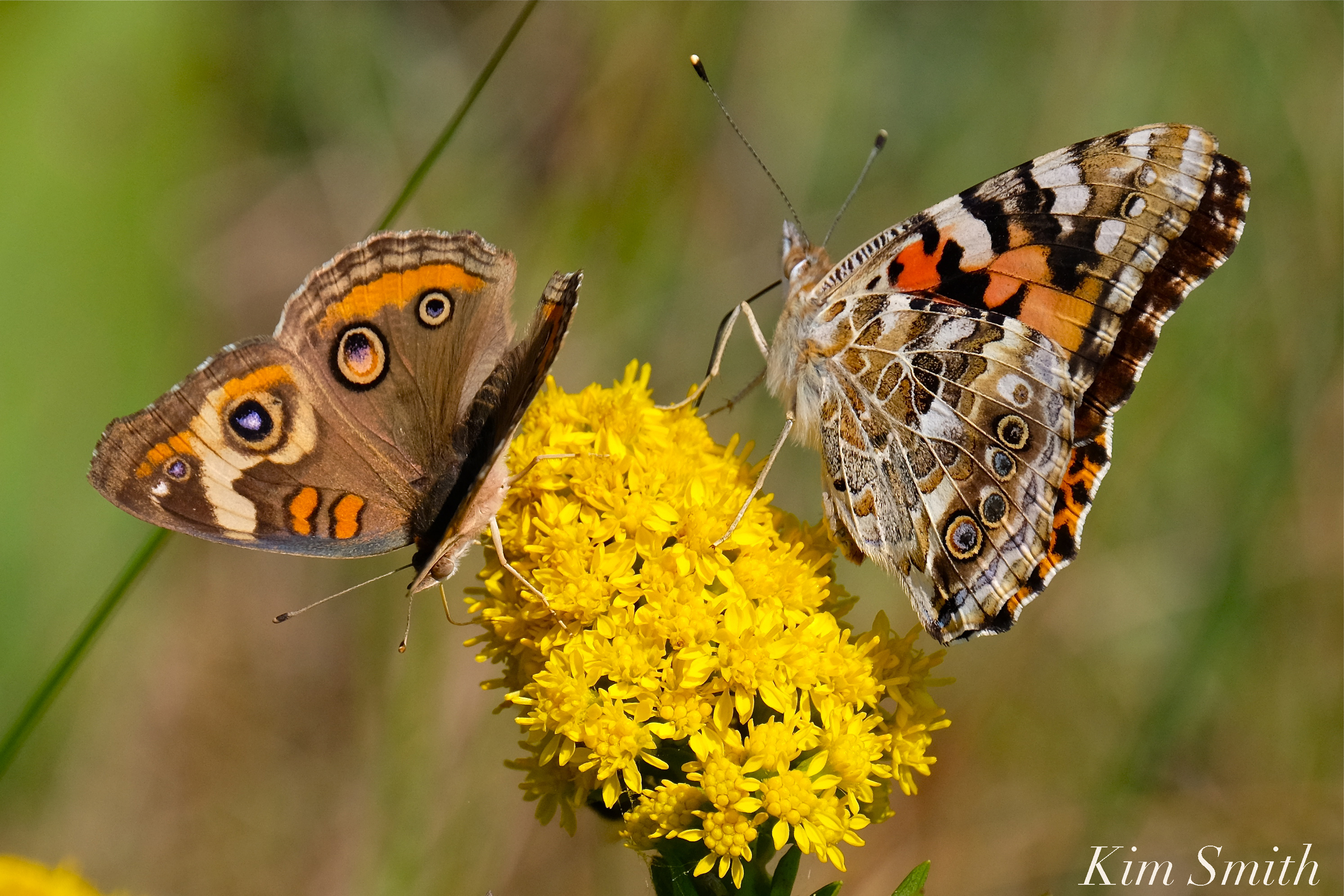
Common Buckeye and Painted Lady Nectaring at the Seaside Goldenrod at the Gloucester HarborWalk  

Much, much more remains to be discovered about the beautiful Painted Lady, its habits and how their behavior and seasonal distribution varies by geographic location.

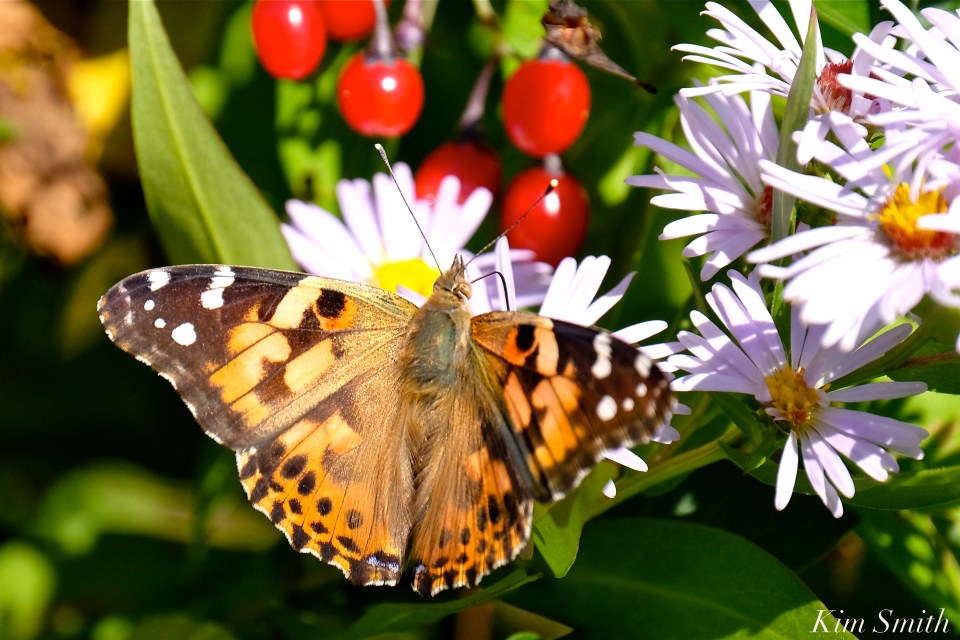
Painted Lady Drinking Nectar from the Purple-stemmed Aster

MONARCH FILM FUNDRAISING SCREENING PARTY

Dear Friends,

This past spring I had a tremendously inspirational experience. Out of the blue, a lovely woman from Concord, Laura Stevens, contacted me about the possibility of viewing my documentary film about the Monarch butterflies, Beauty on the Wing: Life Story of the Monarch Butterflies. I was reluctant at first, explaining that the film was in a rough cut form. Although the rough cut features the butterflies and Cape Ann in the most beautiful light, the film does need finessing.

Laura comes from a wonderful family and they all love Monarchs! Every year, she and her family gather together for a reunion based around a weekend of learning. Laura explained that it would be an extra special treat for the 27 women and children who attend the reunion to see the film. The more I thought about it the more I thought it would be a super idea, and sent her access to the film.

Several weeks passed when in the mail I received the most heartfelt thank you letters from Laura and her family members who had attended the screening, from the ninety-five year old great auntie to the youngest child there. And soon after that, donations towards the film’s completion arrived from this most generous family. I am so grateful to Laura and her family for the donations, and for their kind encouragement and enthusiasm.

At that time the thought crossed my mind that this would be a wonderful way to continue to raise funds for the documentary. Landscape design work and the story of Little Chick and the Piping Plovers has kept me from doing any recent fundraising, but my work typically slows for a brief period during the end of August and beginning of September.

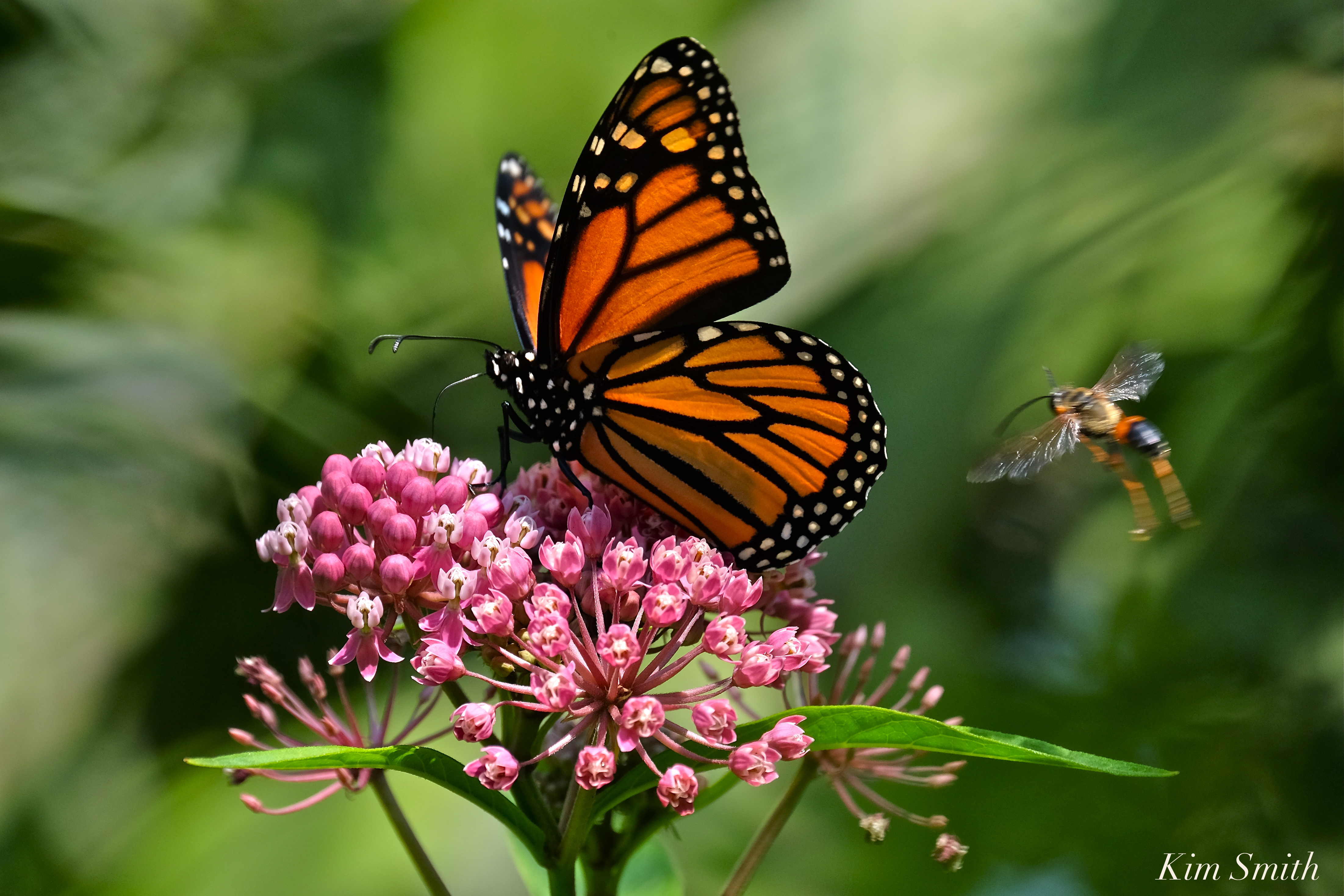
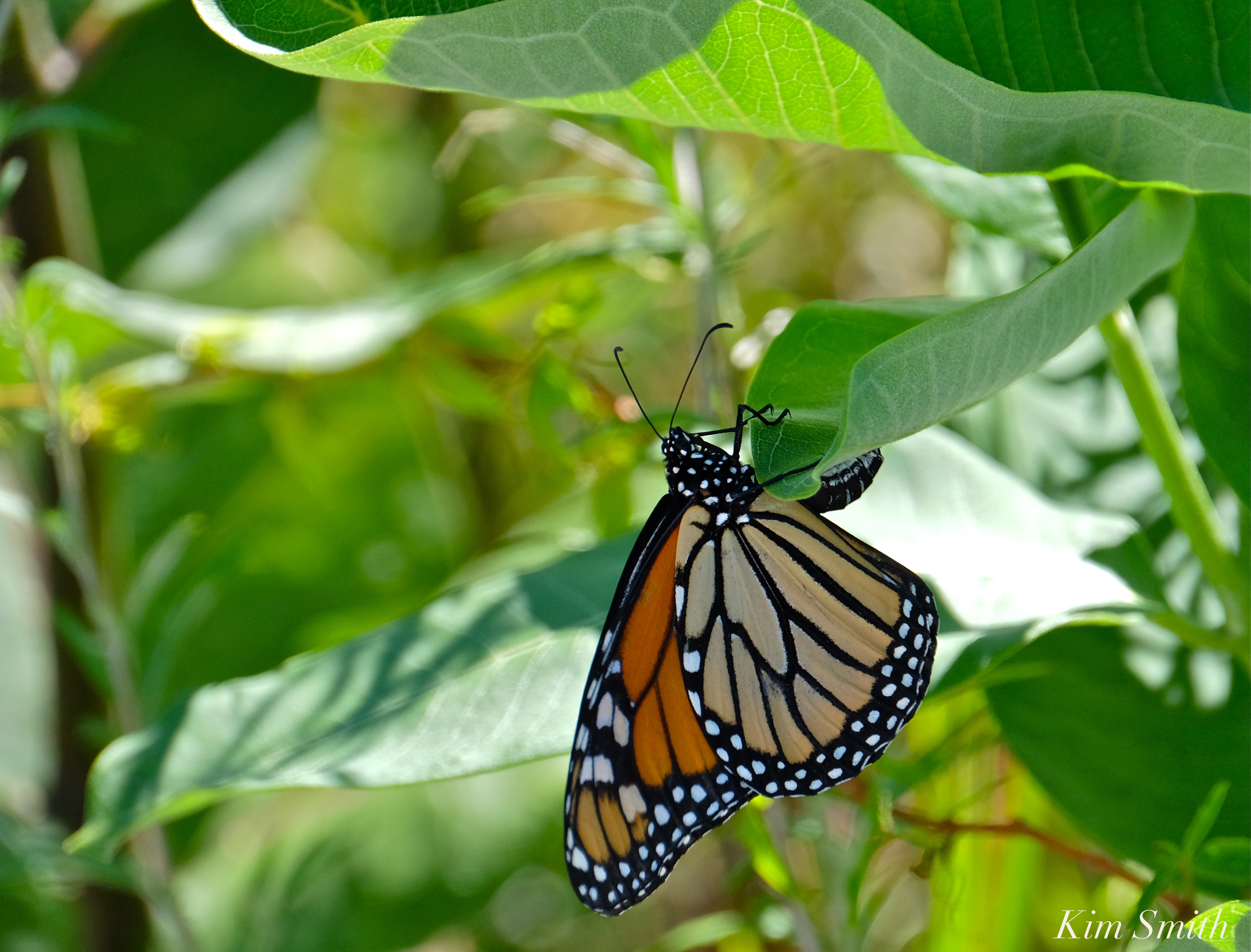
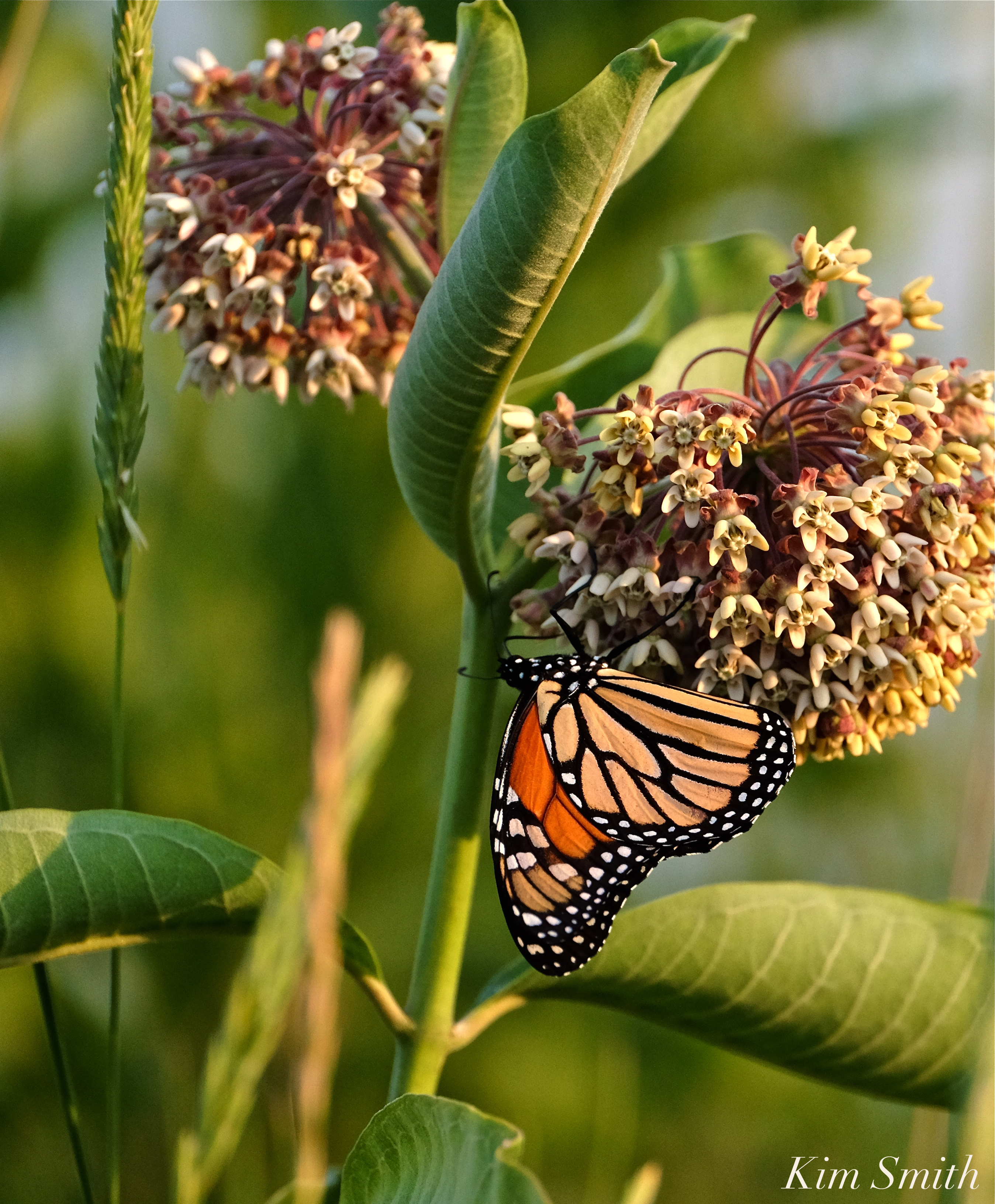
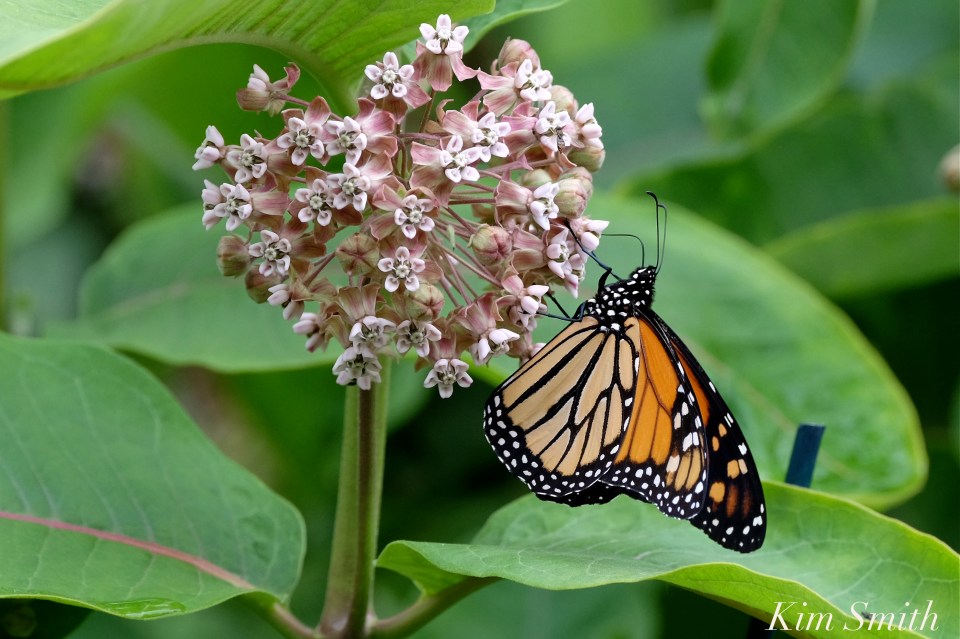
Female Monarch Butterfly and Marsh Milkweed, 2017

Don’t you think it auspicious for my film project that we are seeing so many butterflies this summer? I began documenting the Monarchs in our region in 2006, which was a tremendous year for the Monarch migration through Cape Ann. The year 2012 was quite strong as well, but in the past four years, as the worldwide population has plummeted, so have the Monarchs migrating through our area. Imagine that in 1977 when the Monarchs were first discovered at their winter sleeping grounds, the butterflies were counted by the billions, while today only by the millions.

My hope for Beauty on the Wing is that it will travel to the various conservation and environmental festivals, and then be made available to classrooms around the nation. Another dream for the film is that it will be translated into Spanish and French. Just as American and Canadian children are curious about the butterflies’ winter home after departing their northern breeding grounds, Mexican children are equally curious as to the butterflies’ destination after they leave the butterfly sanctuaries in central Mexico.

The intent of this letter is to learn if amongst our readers there is interest in hosting a screening of the film in its not quite completed form. The purpose of the screening would be to raise money towards the film’s completion and distribution. And, too, I thought it would be a more fun, educational, and personal way to fundraise. To date I have received over $5,000 in generous donations. I am working with the non-profit filmmaker’s assistance group, the Filmmakers Collaborative. Donations made through FC are tax deductible. An itemized budget is available upon request. Beauty on the Wing is 54 minutes long. I thought we could show twenty minutes of highlights and then discuss the current state of the butterflies. Viewer feedback would also be of tremendous help. Screening parties could be so much fun, especially at this time of year during the butterfly’s migration, and especially in 2017 while we are seeing so many Monarchs on the wing.

Readers, what do you think? Please comment on this post or write me at kimsmithdesigns@hotmail. Thank you so very much for your time, thoughts, and interest.

Warmest wishes,

Kim


Links:

Beauty on the Wing: Life Story of the Monarch Butterfly film website

A Flight of Monarchs

Trailer

Film Interview with Doctor Thomas Emmel at the Monarch Butterfly Biosphere Reserve at Sierra Chinqua

https://instagram.com/p/BW7wfw-F5o9/

https://instagram.com/p/BXjLQjZleLY/

https://instagram.com/p/BXjL7HgF2p2/

#POLLINATORHERO

Bees and butterflies, as we all know, pollinate flowers, but did you know that bats, songbirds, hummingbirds, wasps, beetles, moths, flies, midges, and even nasty mosquitoes also deliver pollen from plant to plant?

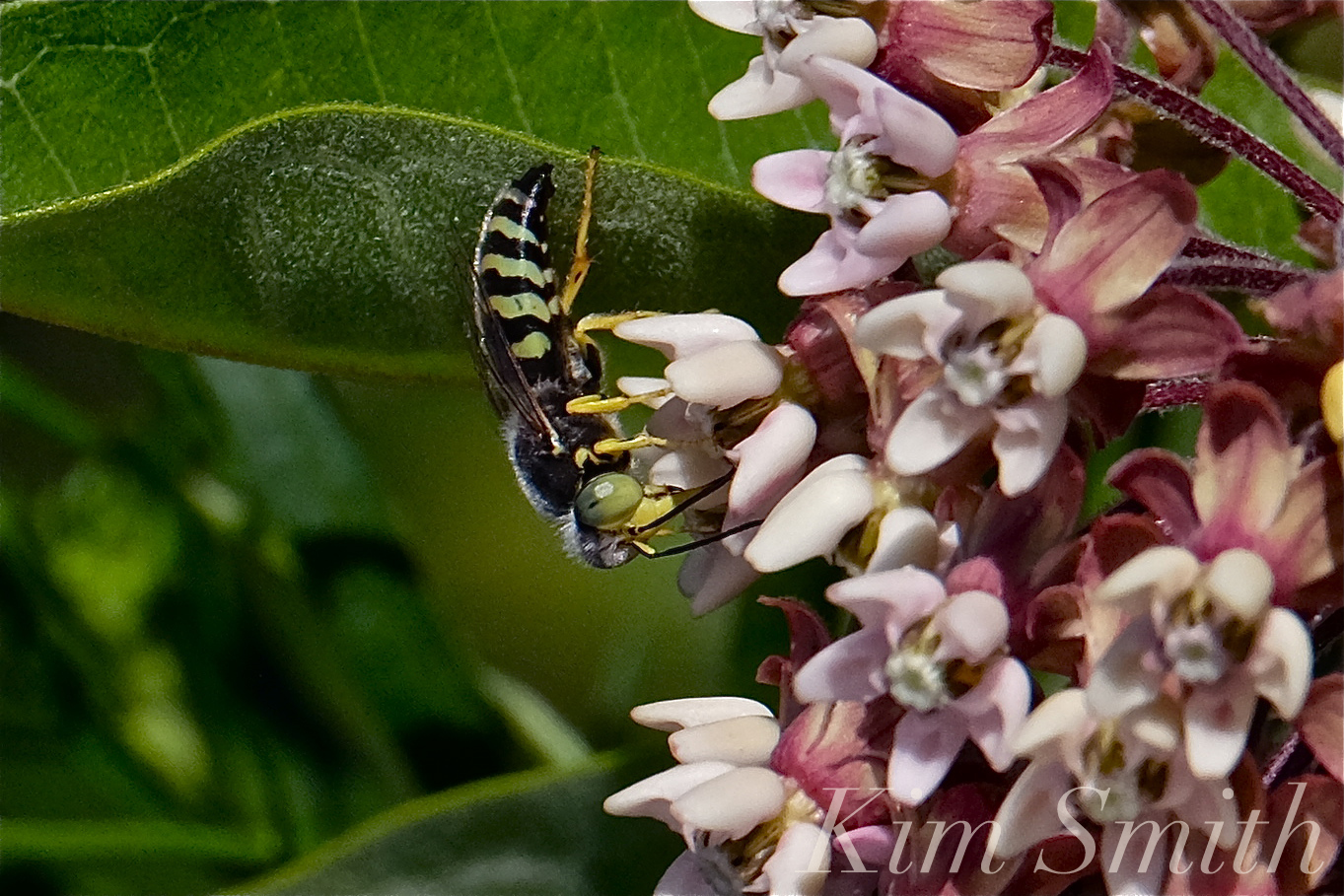
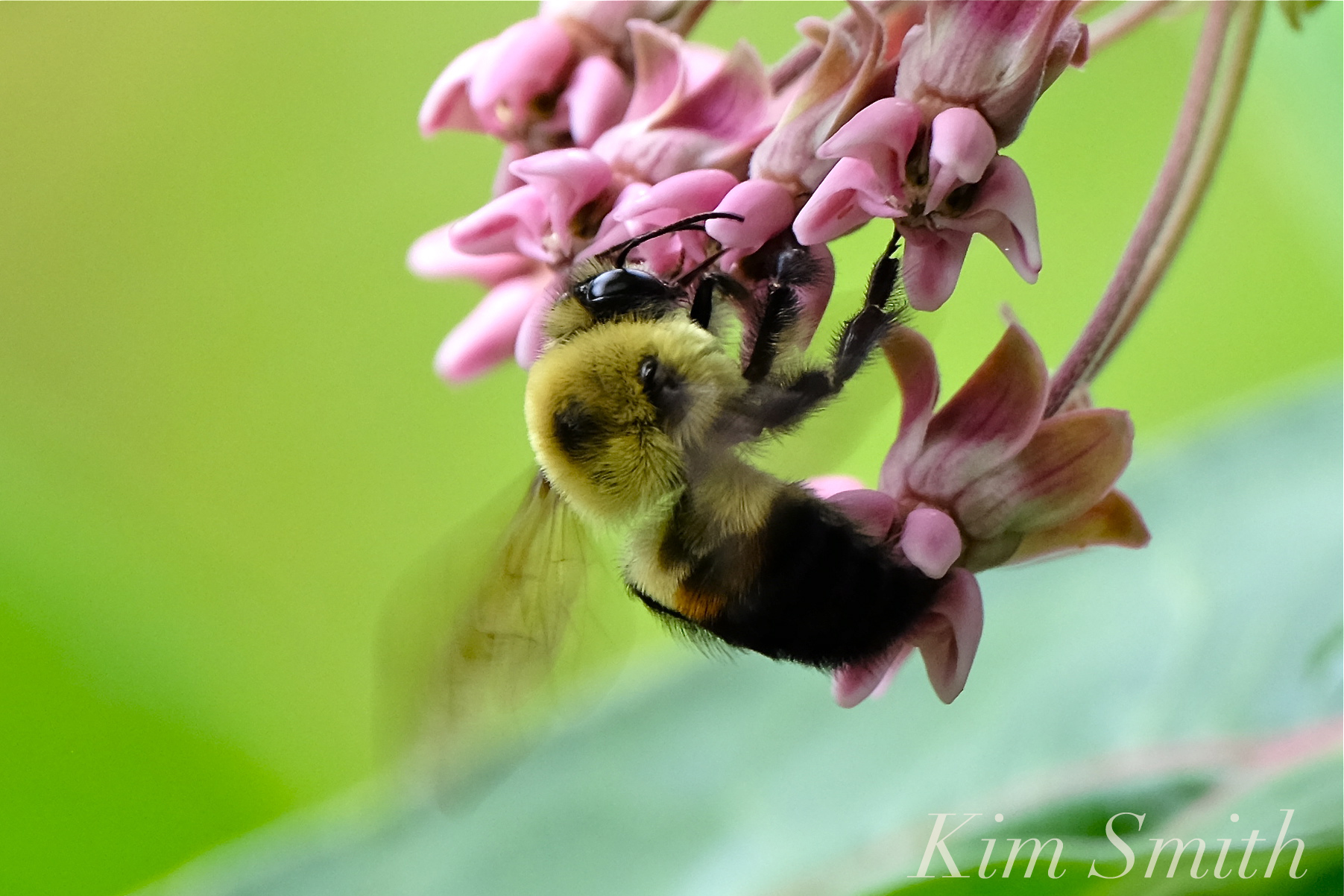
Flower pollinating Green-eyed Wasp drinking nectar from Common Milkweed florets.

The eyes of the male Green-eyed Wasp are larger than the females, all the better to see her, and predators. Green-eyed Wasps are also known as sand wasps because females excavate burrowing nests in sand (as well as soil).

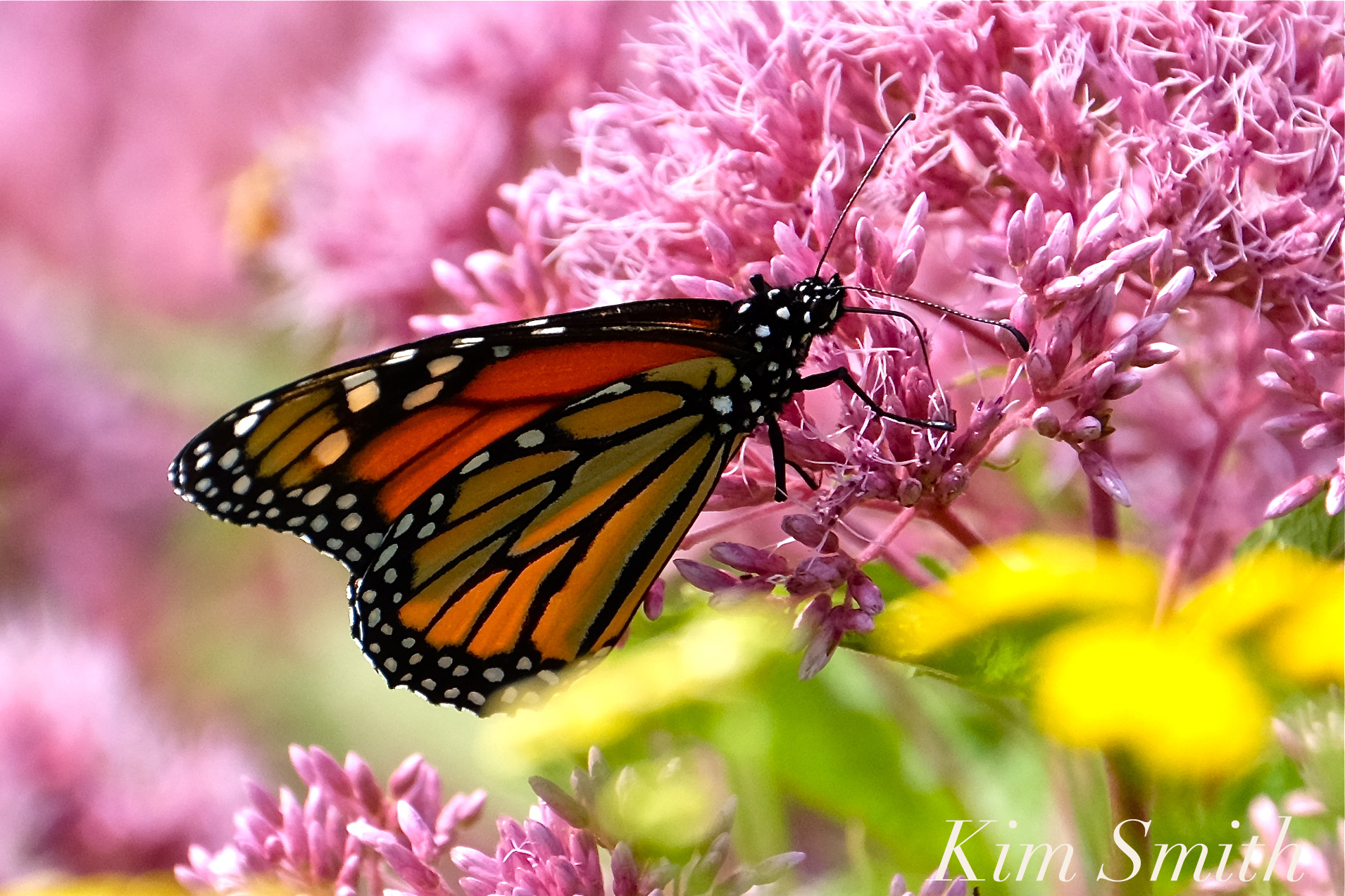
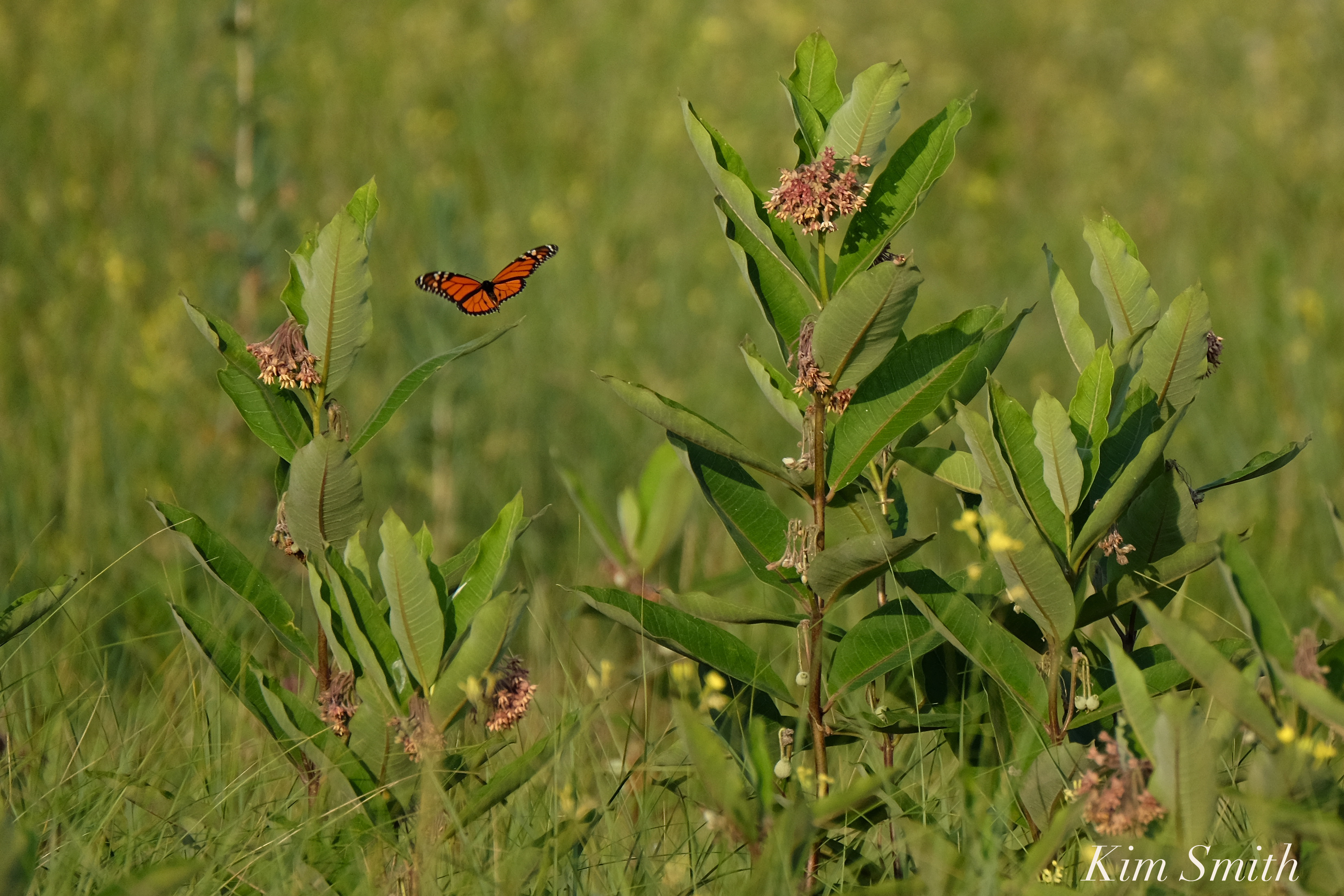
Male Monarch Butterfly flitting about our garden and drinking nectar from the Marsh Milkweed florets.

Notice the mass of orange Milkweed Aphids in the background. Lady Beetles are another pollinator super hero because they help milkweed plants by eating aphids.

https://www.instagram.com/p/BXTNYD9F_We/

MONARCHS HERE, THERE, AND EVERYWHERE PART TWO AND PLEASE CONTINUE TO REPORT YOUR MONARCH SIGHTINGS

The title of the post could just as easily have read Monarchs, Eggs, and Caterpillars Here, There, and Everywhere. I haven’t seen this much Monarch activity on Cape Ann in over ten years and hope so much the number of Monarchs seen in gardens, meadows, and dunes indicates a strong migration.

Thank you to everyone who has written in with your Monarch sightings! The reports are tremendously informative and fun to read, so please, do continue to let us know. The rainy cool weather has temporarily put the kibosh on mating and egg laying, but they are here on our shores and just waiting for a few warm hours and the sun to come out to renew breeding activity.

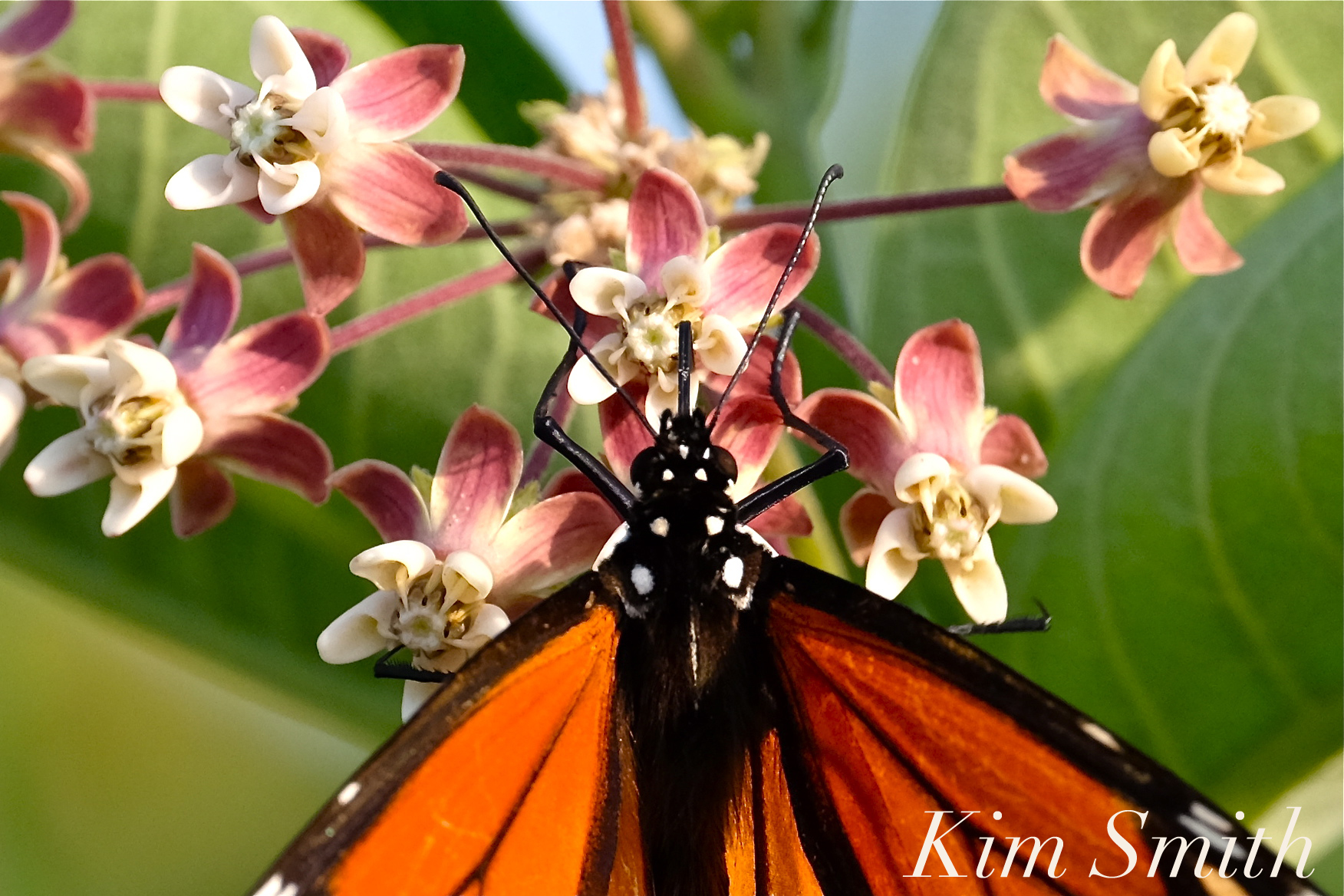
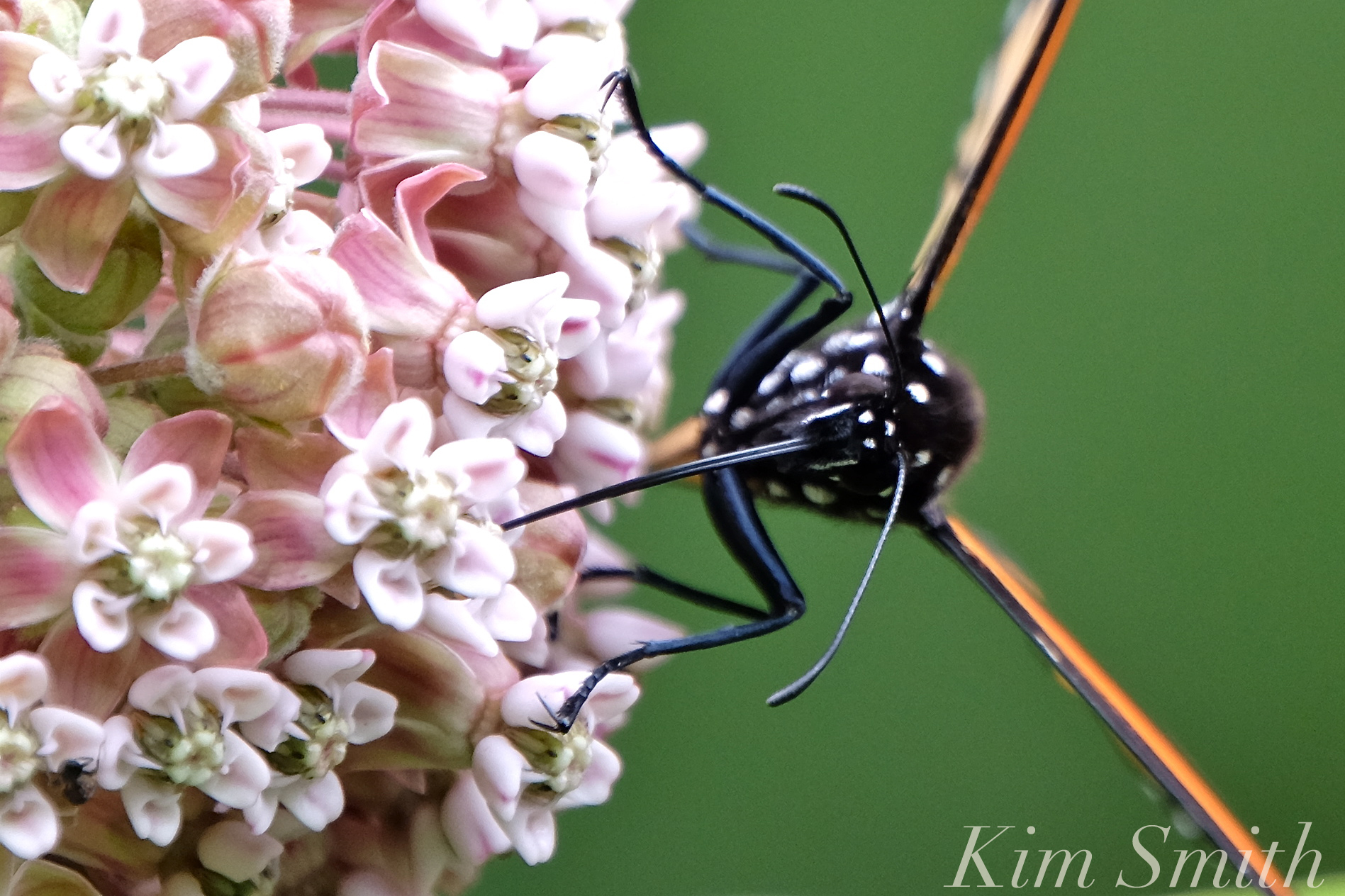
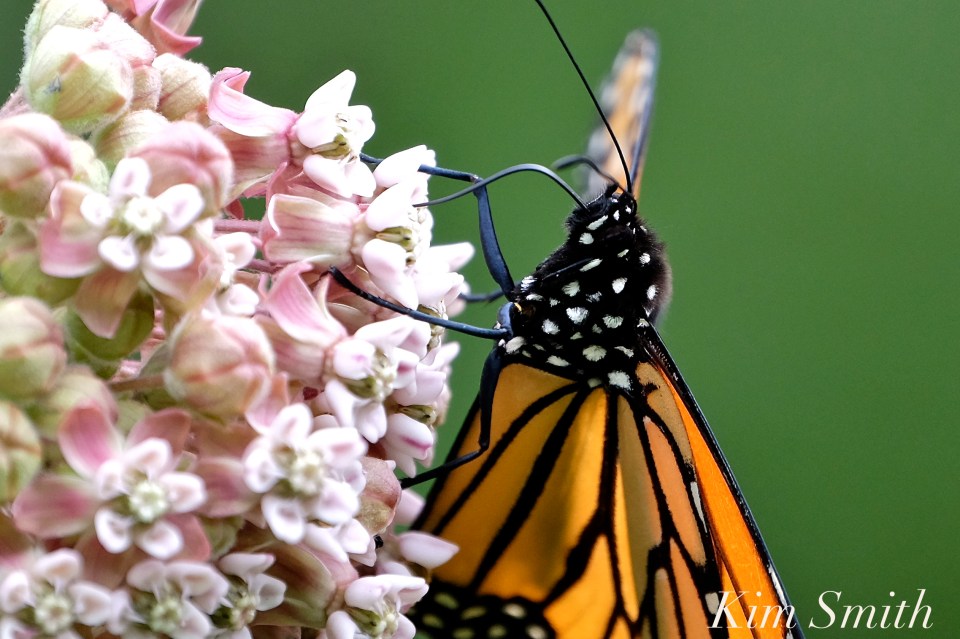
Monarchs not only drink nectar from the florets of milkweed, it is the only species of plant on which they deposit their eggs. In the above photo you can clearly see the Monarch probing for nectar with her proboscis, or drinking straw. 

Look for the butterflies, eggs, and caterpillars wherever milkweed grows. In our region, they are most often found on pink flowering Common Milkweed (Asclepias syriaca) and Marsh Milkweed (Asclepias incarnata), as opposed to the orange milkweeds, A. curassavica and A. tuberosa.

 Female Monarch depositing an egg on an upper leaf of Common Milkweed.

The eggs are typically laid on the underside of the leaf, near the top of the plant. Tiny golden domes, no larger than a pinhead, Monarch eggs are easily confused with the eggs of other insects.

Once the tiny caterpillar emerges, it will stay towards the top of the plant, venturing further to larger leaves as it grows.

Four Monarchs in One Photo!

I was trying to take a snapshot of two Monarchs flying but not until I returned home did I realize that resting on a leaf were a pair of Monarchs mating. Lara Lepionka had just sent a photo the day before of a pair mating in a tree above her garden. Typically Monarchs will begin mating on the ground, or the foliage of a lower plant plant such as squash or milkweed. They will join together abdomen to abdomen and, once securely attached, the male then carries the female to a safer location. A male and female Monarch will stay coupled together for four to five hours before releasing (see photo below of a pair of Monarchs mating, towards center left.
Monarch and Common Milkweed Good Harbor Beach

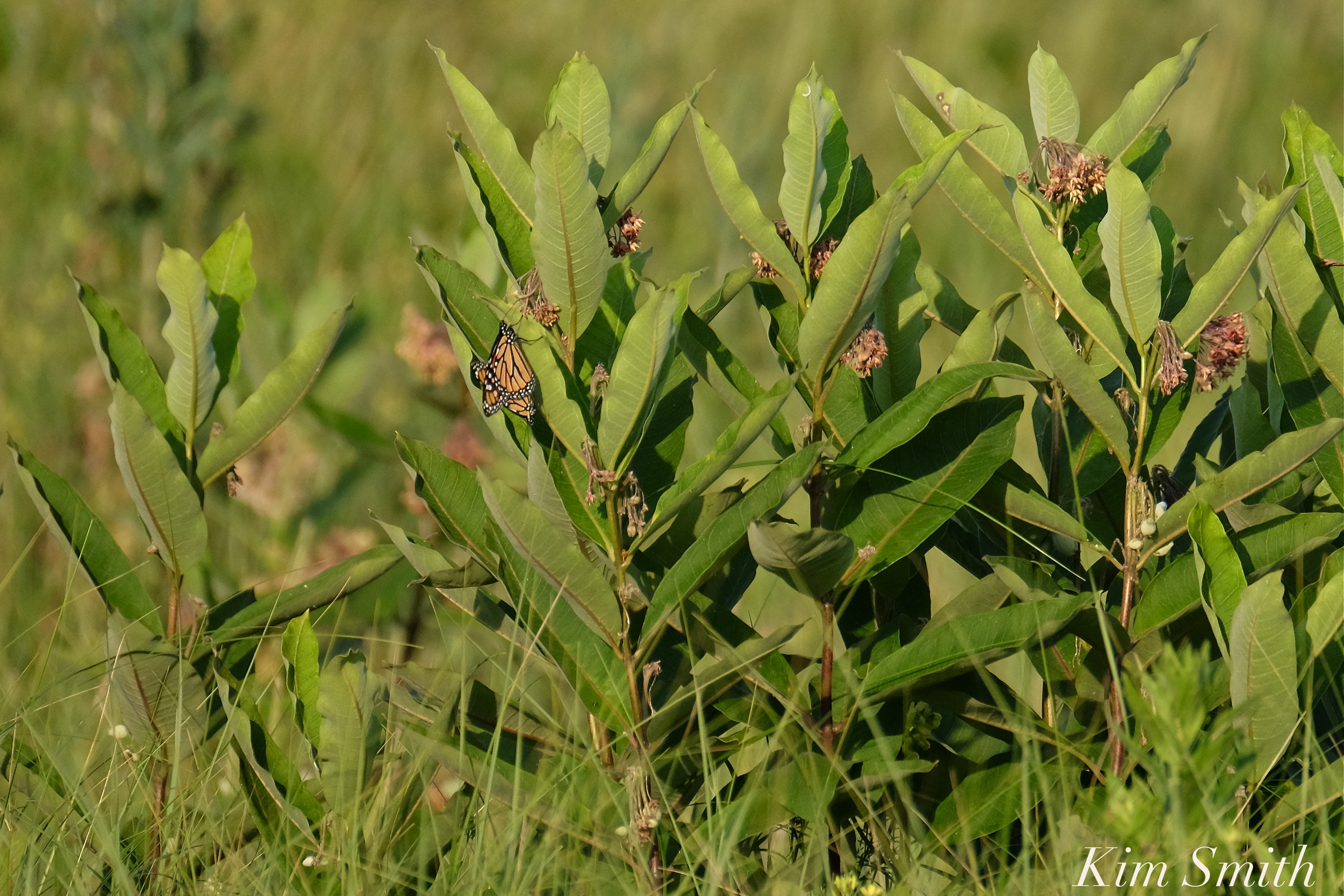
Not everyone has a gorgeous milkweed patch like Patti Papows. Don’t despair. You don’t have to go far! I am finding tons of eggs and caterpillars on the Common Milkweed that grows around the edge of the parking lot at Good Harbor Beach.
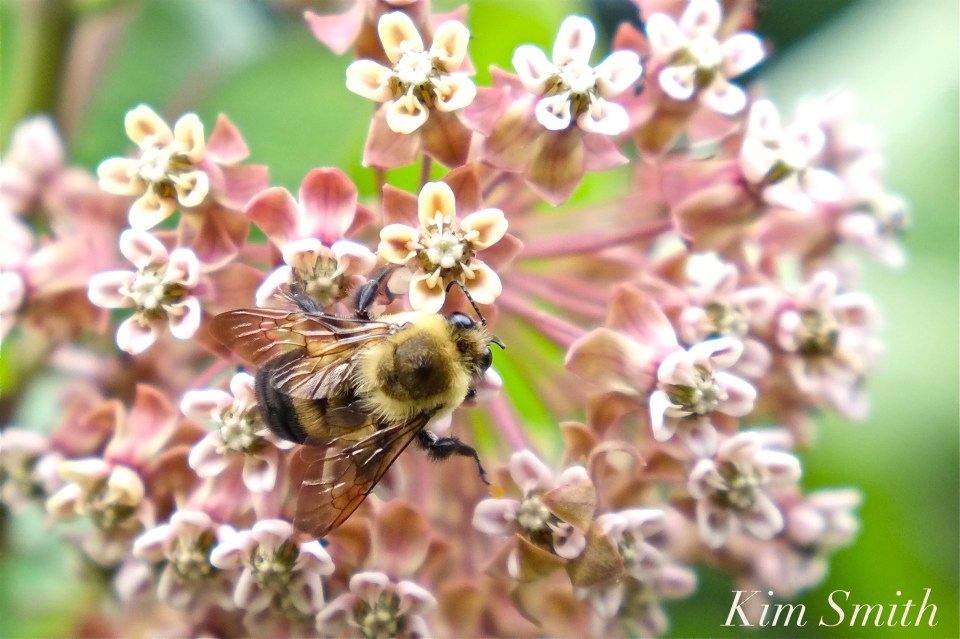
Patti Papows Common Milkweed with Monarch and Bee.

Patti Papows Common Milkweed with Monarch and Bee.

https://www.instagram.com/p/BW7wfw-F5o9/

https://www.instagram.com/p/BXDTPFllQh9/

https://www.instagram.com/p/BW1R9IEFAoI/

https://www.instagram.com/p/BXAv8MHF0bO/

PATTI’S CATTIES AND OTHER TALES FROM THE PAPOWS BEAUTIFUL GARDEN

My friend Patti Papows very thoughtfully invited me to come film and take photos in her gorgeous garden, especially her milkweed patch. Patti purchased milkweed plants from our Cape Ann Milkweed Project several years ago, both the Common and Marsh Milkweed that we offered.

Patti’s Common Milkweed has really taken off this year. The plants are about five feet tall, lush and healthy, and bursting with sweetly fragrant blossoms. The Monarchs are daily visitors, coming not by the ones and twos, but by the dozen. Not only are her milkweed blossoms beckoning to the Monarchs, but the plants are also attracting every bee species imaginable found in a Cape Ann garden, as well as myriad other pollinating insects.

I showed Patti how to find Monarch caterpillars. She found three in about three minutes; we weren’t even trying that hard! They are safer from spiders in my terrariums, so I brought her tiny caterpillars home where they are developing nicely alongside a dozen Monarch eggs. These eggs were discovered in my garden, and at the Common Milkweed plants growing along the edges of the Good Harbor Beach parking lot.

https://www.instagram.com/p/BW7y-ywl3kb/


Patti’s patch of native high bush blueberries attracts loads of Catbirds, and dozens more species of songbirds and small mammals. This morning the foliage made a perfect perch for a male Monarch butterfly.

In the above photo you can clearly see the Monarch’s two-part tubular drinking straw, called a proboscis. The Monarch is probing deep into the Milkweed floret for a sip of sweet nectar.

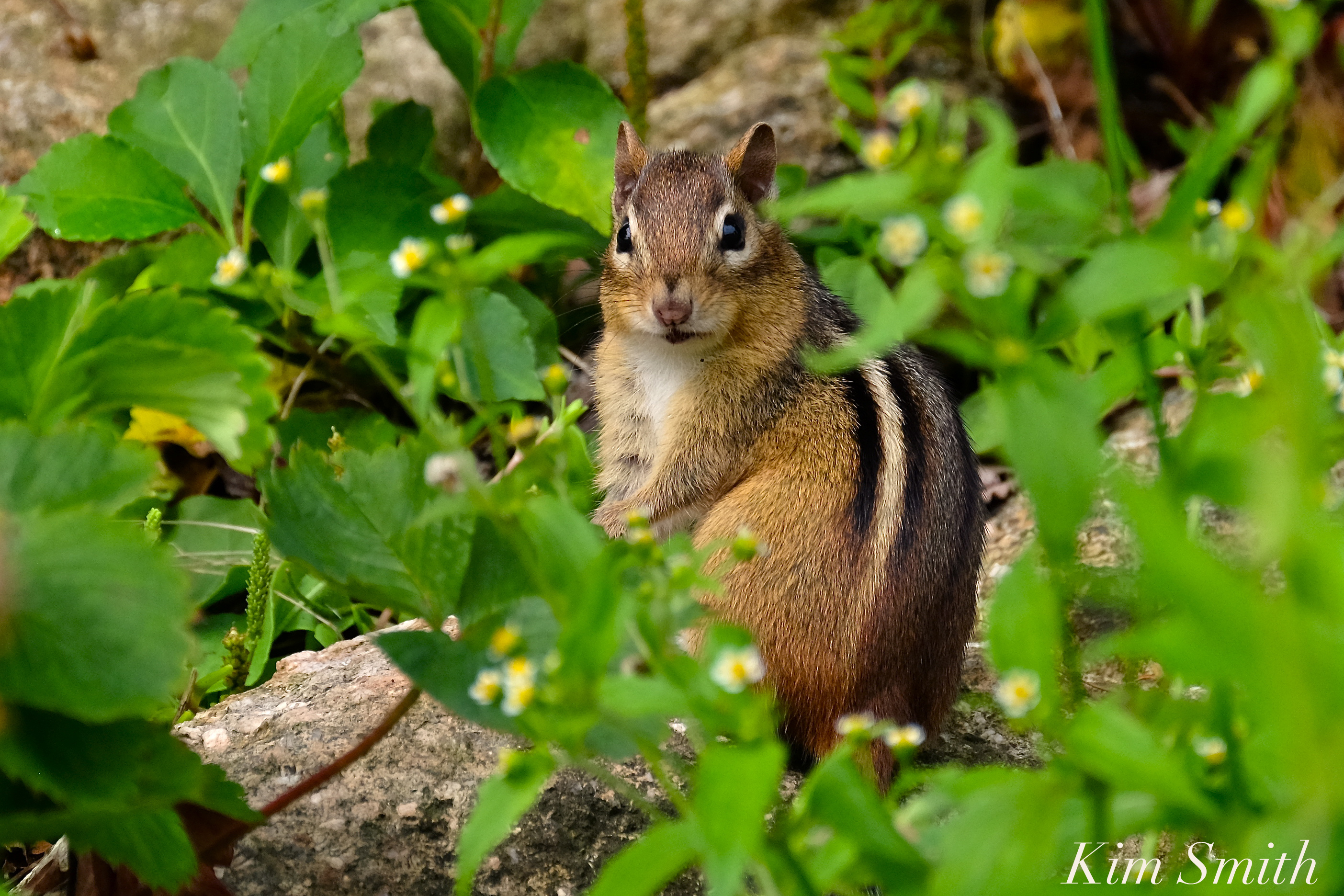
Who, me? I’m innocent! Chipmunk snacking at the buffet-of-plenty in Patti’s garden. 

Patti placed the purple chair in the midst of the milkweed patch so that visitors can enjoy being surrounded by the beautiful pollinators buzzing all around and the delightful fragrance emitted by the Common Milkweed. I tried it out and her plan worked, it is pure Heaven!

I had an absolutely wonderful morning filming and photographing, despite the limiting overcast skies, and plan to return on a sunnier day, hopefully this week while the Monarchs are here on Cape Ann busy egg-laying and pollinating our gardens!


MONARCHS HERE, THERE, AND EVERYWHERE! PLEASE REPORT YOUR MONARCH BUTTERFLY SIGHTINGS (EDITED)

Reports of Monarch Butterfly sightings are coming in from all around Cape Ann, and beyond. I have seen more this this year than in recent summers. I wonder if higher numbers in July indicates a stronger migration in September. We can hope!

At this time of year, the females are depositing the eggs of the next generation.  You can find Monarchs at wildflower meadows, dunes, and gardens, where ever milkweed and nectar-rich flora grow. Typically, the eggs and caterpillars are found on the undersides of the uppermost leaves.

If you would, please report any Monarch activity that you have seen–eggs, flight, caterpillars, nectaring, mating, whatever you discover. Please share the approximate date and place. Even if you have shared previously in a comment, I hope to keep all the sightings in one place, so please re-comment. Thank you! 

*EDIT:

Thank you everyone for writing! How exciting that so many are being spotted, many more than the past several years. One was in my garden this morning, again, and two at Good Harbor Beach dunes earlier this morning.

Adding JoeAnn Hart, Susan Burke and Michele Del, as they commented on Facebook.

Patti, do you have caterpillars?? I’d love to stop by and see.

Please keep your comments coming. Thank you!!!!

When watching, note that the first two minutes of the film were shot in Gloucester. I think you will be dazzled by the numbers of Monarchs that travel through Cape Ann’s backyards and meadows during the peak of migration.

PLEASE DON’T PURCHASE POISONED MILKWEED PLANTS FROM BIG BOX STORES!

THE FOLLOWING NOTICE ABOUT MILKWEEDS TREATED WITH NEONICOTINOIDS WAS SHARED BY TWO FRIENDS, MEGAN FROM PRIDES CROSSING AND CHERYL MCKEOUGH

FROM: Sandy Robinson, President, National Garden Clubs, Inc.
SUBJECT: Milkweed

It has been brought to my attention that some “Big Stores” have been selling milkweed plants that have been treated with systemic Neonicotinoids. This will kill caterpillars! Please, be aware and be on the lookout for these tags placed in plants. Please pass this information along to your garden club members!

Garden Club member Mary Writes, I purchased a Milkweed plant from Home Depot near my home and it wasn’t until I got home that I noticed the little information stick hidden behind the identification information that the plant had been treated with systemic Neonicotinoids. The container boasted how desirable the plant is for birds and butterflies. Yesterday I went to a different Home Depot and they had just put out an entire rolling cart of these plants, maybe about 100, all poisoned. I contacted the store manager and told him that it is the same as giving poison candy to kids on Halloween. This is THE host plant for the Monarch. My club, Shady Oaks and our junior club, Little Shadows have worked so hard to establish a Monarch Waystation and to educate people on the decline of the Monarch. I hate to think of the millions of poison Milkweed being distributed nationwide by Home Depot.

The container says distributed by Home Depot, 2455 Paces Ferry Rd N. W., Atlanta , Georgia.

I contacted the LSU Ag Agent for New Orleans, Dr Joe Willis. He said the Neonicotinoids will dilute as the plants grow but that only a very small amount will kill the larva of the Monarch. He is contacting the Master Gardeners of the area. I contacted the newsletters of garden clubs to ask that they send a notice to members. I contacted a local GOA club and the president said she would inform her members. I contacted our LGCF President and our Environmental School Chairman with the information.
We need a notice to Home Depot from a national source.

I contacted the Monarch Watch organization www.MonarchWatch.org/waystations at the University of Kansas (1200 Sunnyside Avenue, Lawrence, KS 66045) .
It needs to be sent soon as these plants are being sold now to well meaning people who are wanting to help the Monarch and not kill them. I hate to think of the billions of plants being sold nationwide and how that will cancel the efforts of so many to stop the demise of the Monarch. Could you please help?

GMG Readers, Wednesday I am planning to check to see if our local Home Depots are also selling milkweeds with pesticide. I don’t purchase plants from Home Depot as they are generally of a much poorer quality, however I have in a pinch. 

Milkweed can be purchased from these local sources:

Cedar Rock Gardens

Wolf Hill

Northeast Nursery

Save the Date for My Upcoming Program “Beauty on the Wing: Life Story of the Monarch Butterfly”

On Thursday, May 4th at 7pm, I am giving my lecture with photos, “Beauty on the Wing: Life Story of the Monarch Butterfly,” along with several short film screenings, for the Salem Garden Club. For more information, see the events page of my website. I hope to see you there!

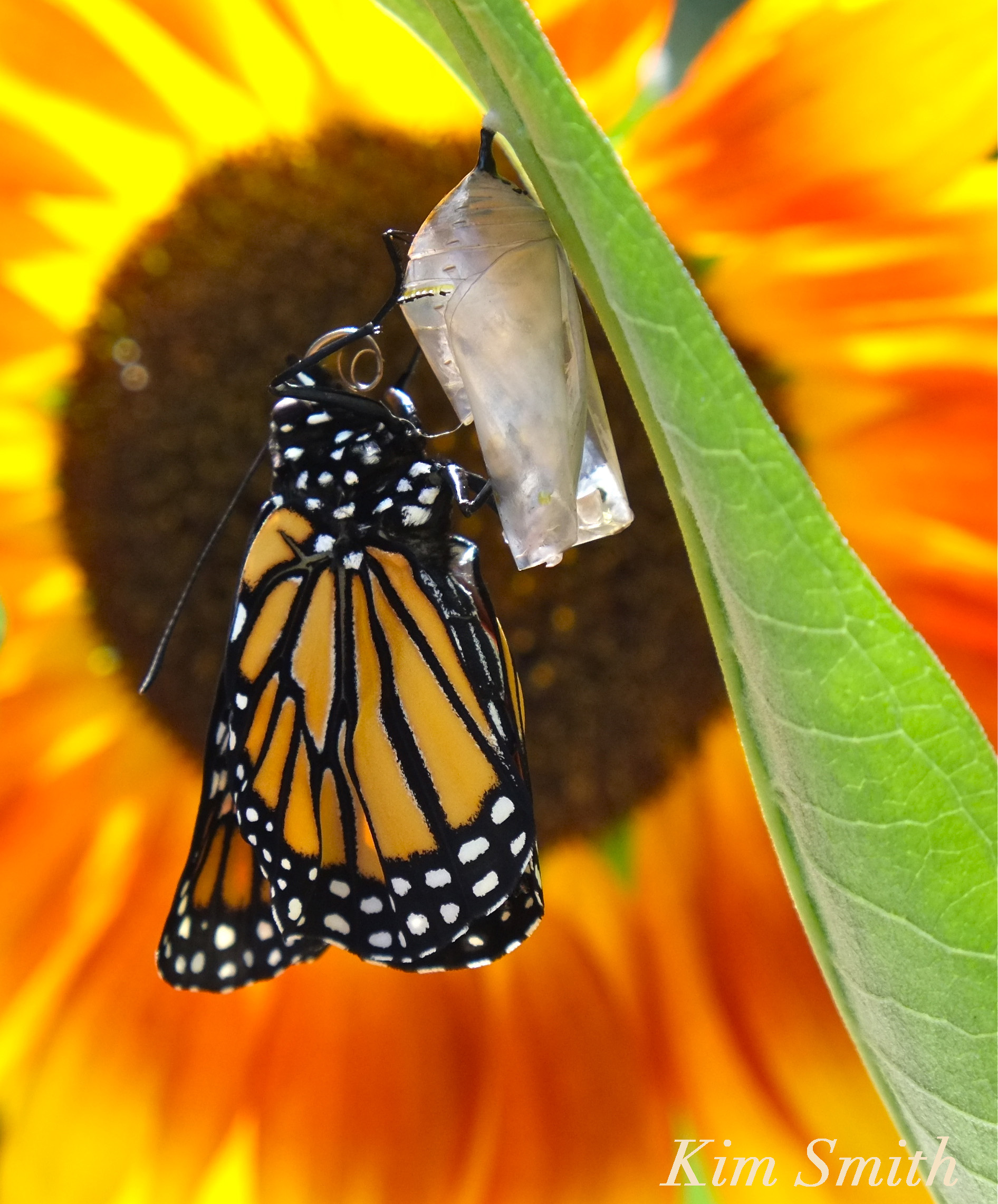
Newly Emerged Monarch Butterfly and Sunflower, Gloucester

Beauty on the Wing ~ Life Story of the Monarch Butterfly

The Monarch’s life story is one of nature’s most incredible examples of adaptation and survival. But the Monarch migration is in great peril. Learn how you can help. Through photographs and discussion, Beauty on the Wing tells the life story of the Monarch Butterfly, the state of the butterflies migration and why they are in sharp decline, and the positive steps we can take as individuals and collectively to help the Monarchs recover from the devastating effects of habitat loss and climate change.  (1-1.5 hours).

Monarch Butterfly Chrysalis and Marsh Milkweed

Monarchs Awakening

NRCS, USFWS Partner to Accelerate Conservation on Agricultural Lands for the Monarch Butterfly

NRCS, USFWS Partner to Accelerate Conservation on Agricultural Lands for the Monarch Butterfly


Download the Monarch Butterfly Conference Report.
NEW Working Lands for Wildlife National project bounderies
See a map of Working Lands for Wildlife National Project Boundaries.

The monarch butterfly is a new national priority species of Working Lands for Wildlife (WLFW), a partnership between the U.S. Department of Agriculture’s Natural Resources Conservation Service (NRCS) and the U.S. Fish and Wildlife Service (USFWS). Populations of monarchs, a pollinator species cherished across North America, have declined significantly during the past two decades. This collaboration aims to help the species recover by working with agricultural producers to make wildlife-friendly improvements on their farms, ranches and forests.

“Producers can make simple and inexpensive tweaks on working lands that provide monumental benefits to monarch butterflies and a variety of other insects and wildlife,” said NRCS Chief Jason Weller. “By adding the monarch to Working Lands for Wildlife, we can accelerate conservation for the species at the heart of its migration corridor.”

NRCS and USFWS recently completed a conference report that explains how conservation practices can help the eastern monarch population, a species known for its remarkable annual, multi-generational migration between central Mexico and the United States and Canada. This report is an initial step toward adding the monarch to WLFW, which uses a science-based, targeted approach to help a variety of at-risk species.

“We need to make every effort to help ensure monarchs don’t become endangered now and in the long term,” said USFWS Midwest Regional Director Tom Melius. “Conservation efforts on agricultural lands across the nation can have a significant positive impact on monarchs as well as many other pollinator insects and birds. Working with farmers and other private landowners, we can ensure a future filled with monarchs.”

The monarch butterfly joins an array of wildlife species across the country already part of WLFW, including the greater sage-grouse and New England cottontail, two recent successes in species conservation. The USFWS determined in 2015 that the two species didn’t warrant protections under the Endangered Species Act (ESA) because of voluntary conservation efforts underway to restore habitat.

Through WLFW, NRCS provides technical and financial assistance to help producers adopt conservation practices that benefit the monarch. Meanwhile, through the conference report, the USFWS provides producers with regulatory predictability should the monarch become listed under the ESA. Predictability provides landowners with peace of mind – no matter the legal status of a species under ESA – that they can keep their working lands working with NRCS conservation systems in place.

Work through WLFW centers on 10 states in the Midwest and southern Great Plains that are considered the core of the monarch’s migration route and breeding habitat. Much of this work will focus on planting and enhancing stands of milkweed and other high-value nectar plants for monarchs. Assistance is available to producers in Illinois, Indiana, Iowa, Kansas, Minnesota, Missouri, Ohio, Oklahoma, Texas and Wisconsin.

USFWS has committed significant funding – $20 million over five years – to support monarch conservation efforts. Additionally, USFWS is working with partners, including the National Fish and Wildlife Foundation, National Wildlife Federation and the Mexican and Canadian governments to leverage resources and investments to support and implement conservation actions across the continent.

During the past two years, NRCS has made available $6 million through a variety of Farm Bill conservation programs for monarch conservation in the 10 states. Additionally, NRCS is working with partners, including The Xerces Society and General Mills, to increase staffing capacity to help producers design customized conservation strategies for working lands.

The two agencies’ efforts contribute to a multi-agency, international strategy to reverse the monarch’s population decline in North America, estimated to have decreased from one billion butterflies in 1995 down to an estimated 34 million. Through the National Strategy to Promote the Health of Honey Bees and Other Pollinators, offsite link image     released by the White House, the United States has a goal of increasing the eastern population of monarchs back to 225 million by 2020.

Producers interested in NRCS assistance should contact their local USDA service center to learn more. NRCS accepts landowner enrollment applications on a continuous basis. NRCS offers more than three dozen conservation practices that can provide benefits to monarchs as well as a variety of other pollinators.