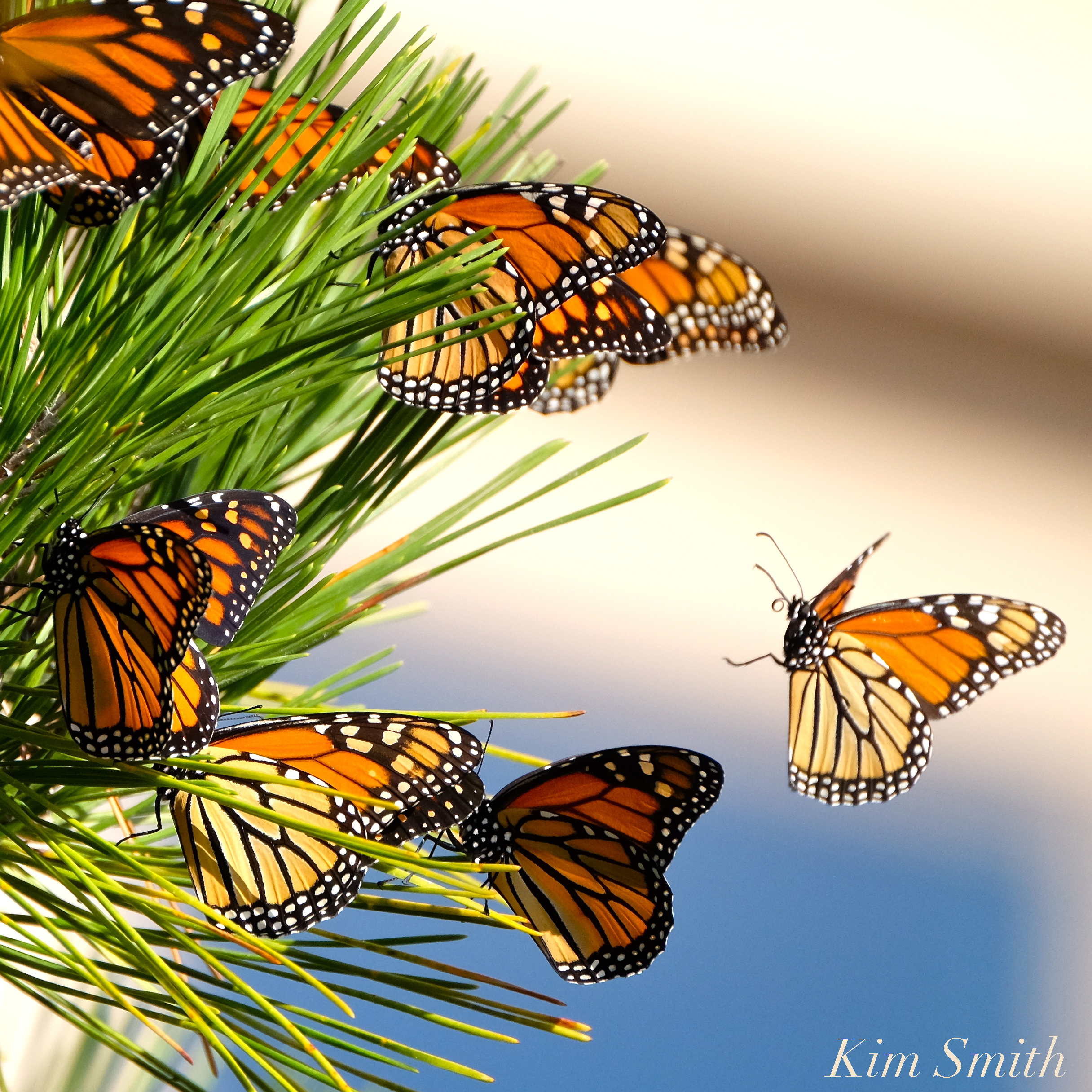
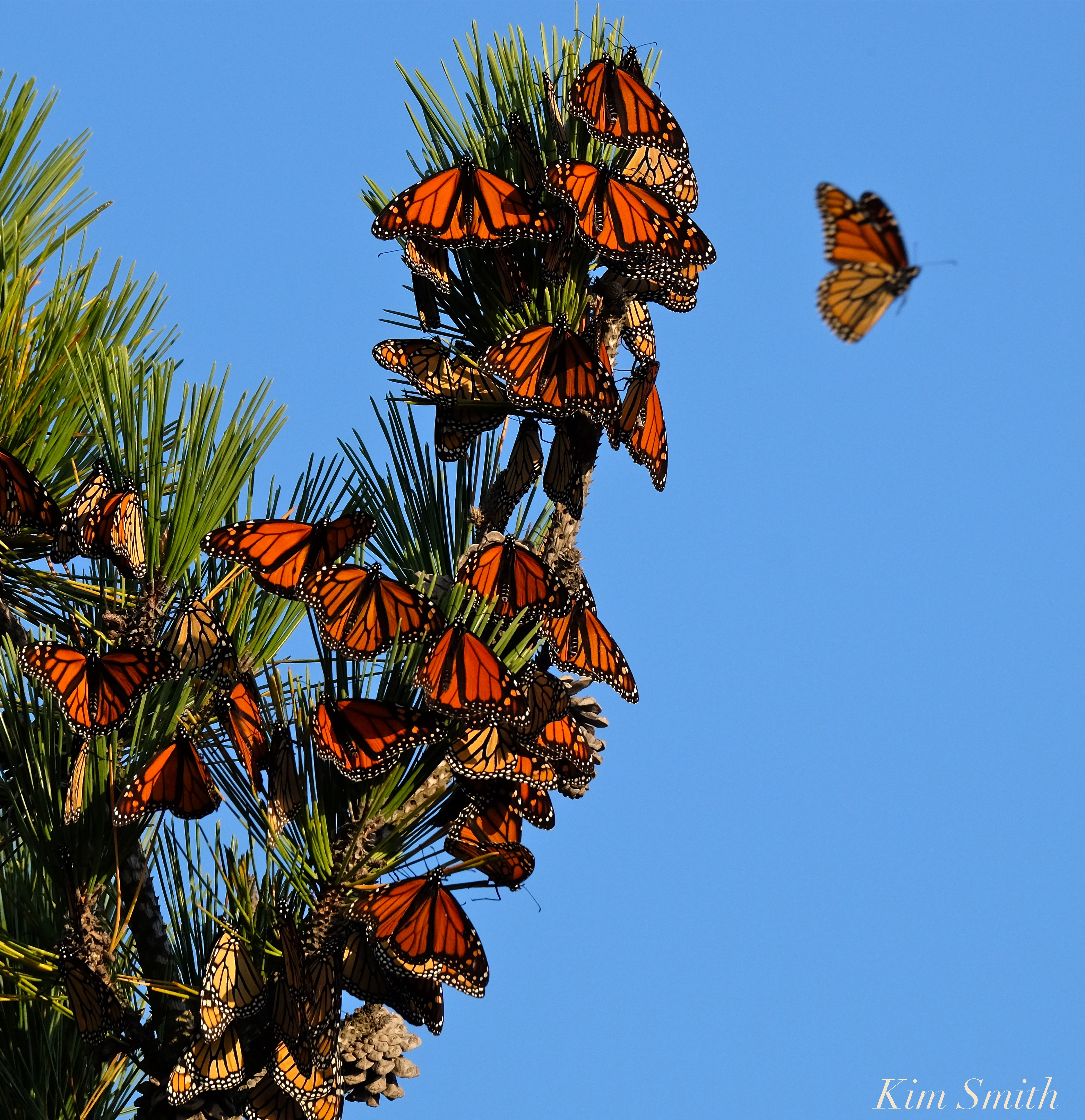
Tag Archives: Seaside Goldenrod

KIM SMITH MONARCH BUTTERFLY CONSERVATION PROGRAM SATURDAY OCTOBER 5TH AT THE STEVENS COOLIDGE PLACE ANDOVER

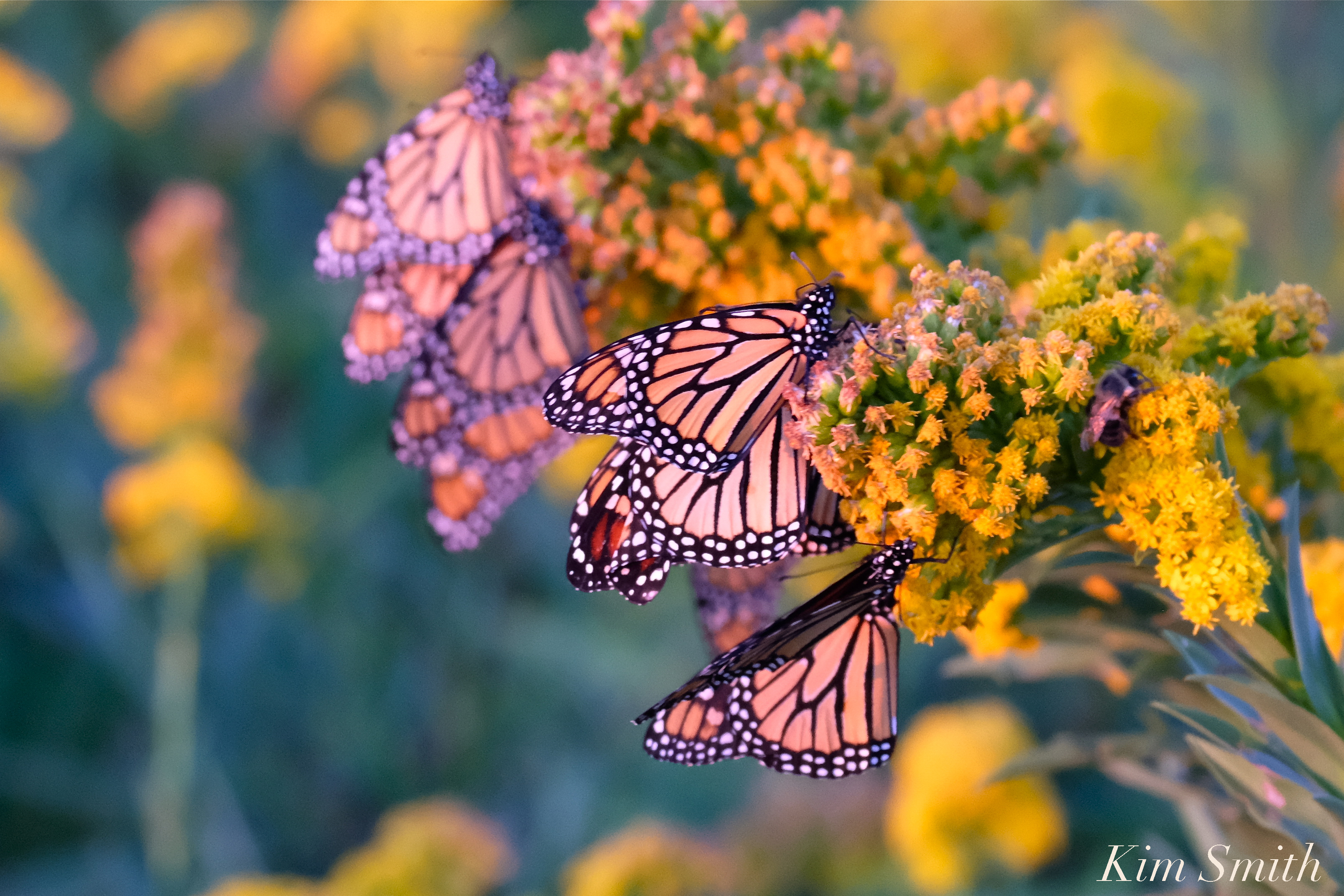
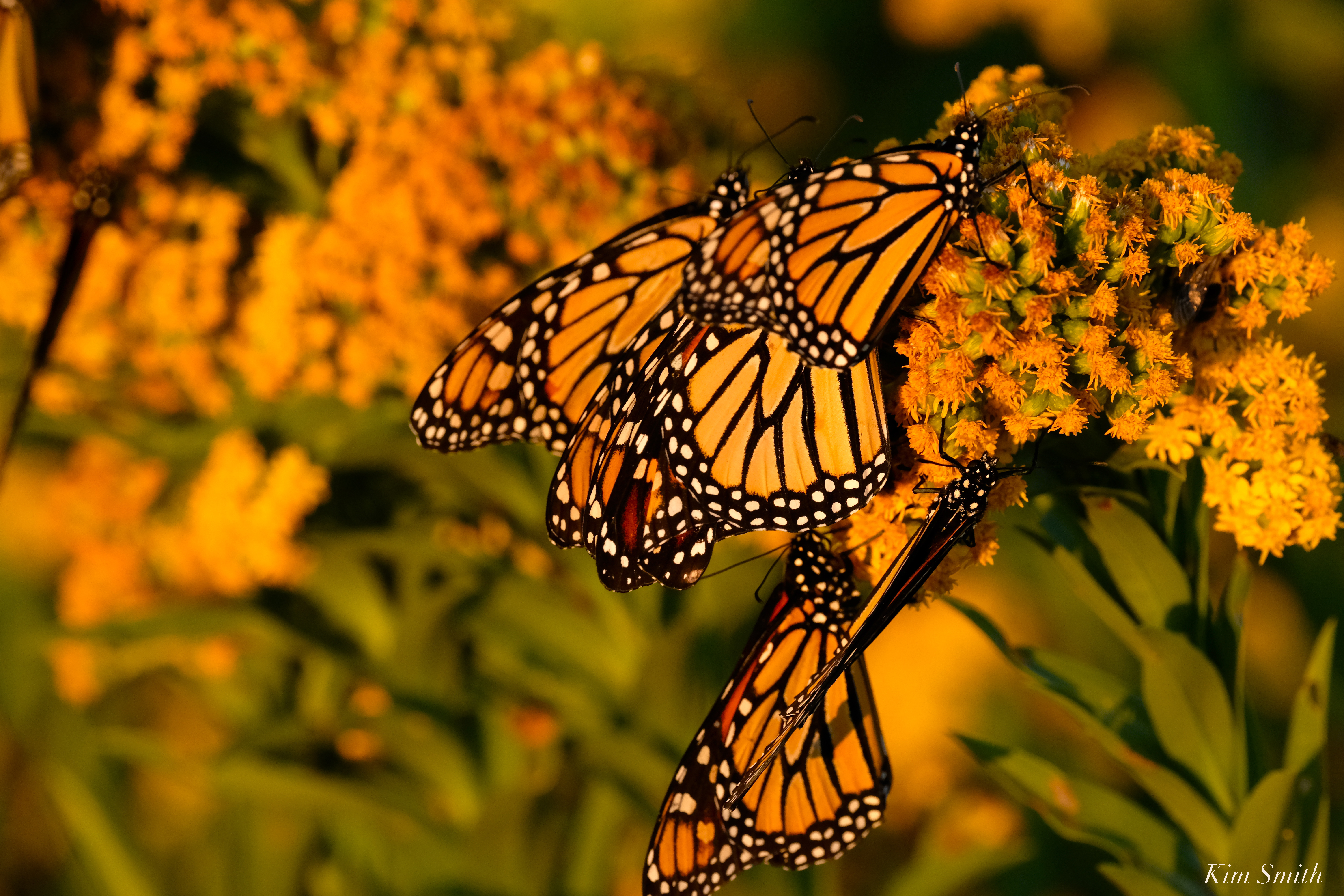
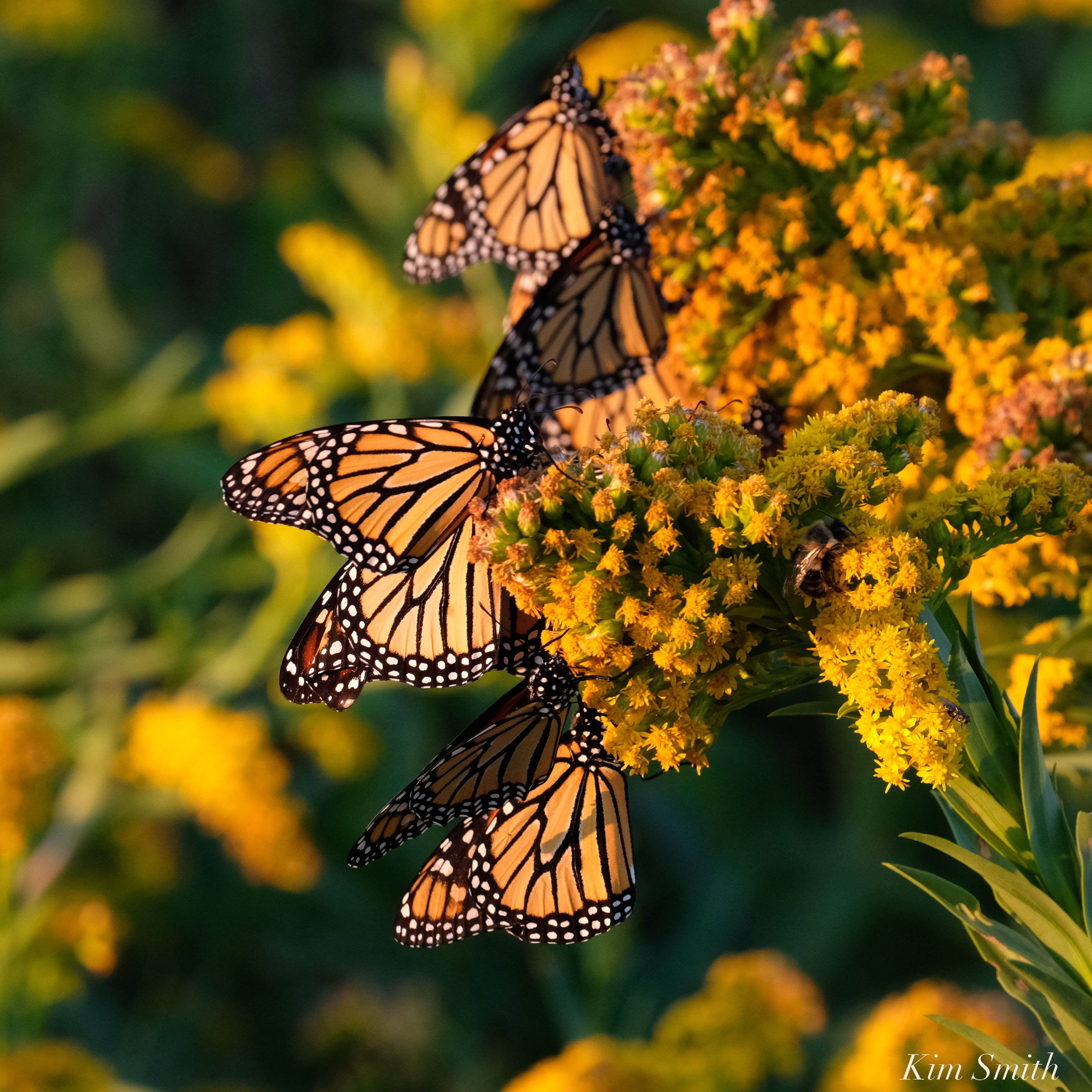
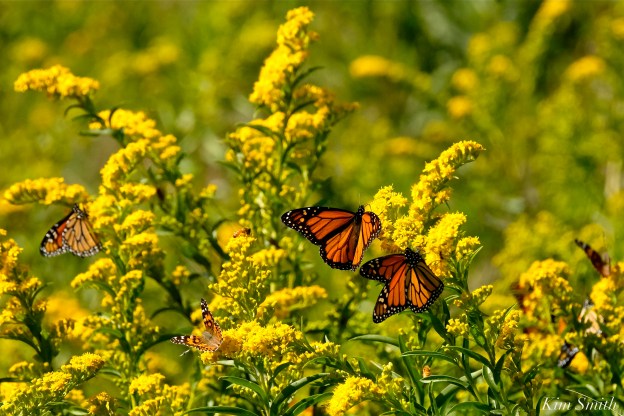
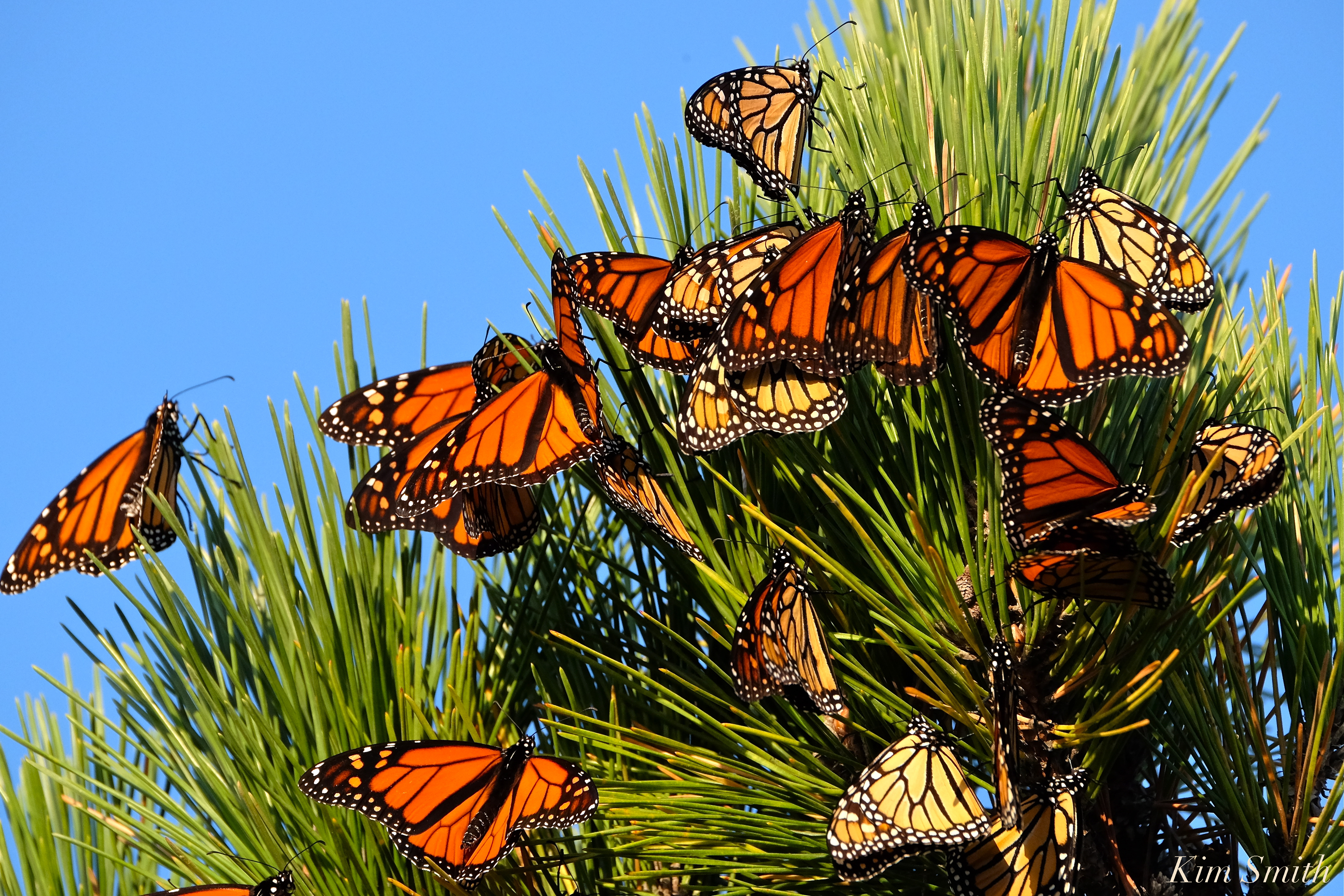
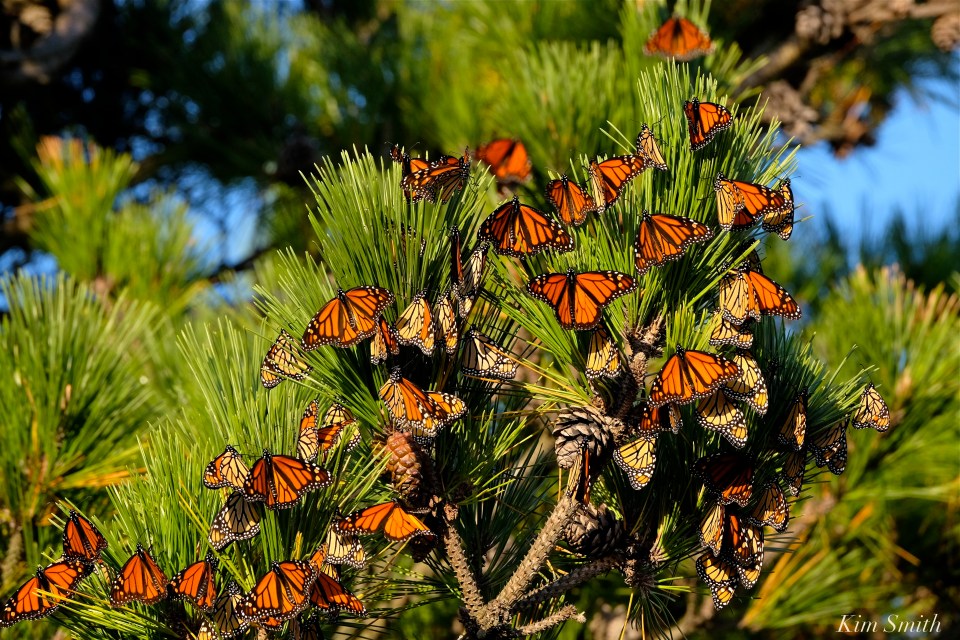
These magical creatures never cease to amaze and surprise. Early one morning I went looking in the butterfly trees for an overnight roost. Instead I found them sleeping like a dream in a golden field.

The light was pure rose gold for a few brief moments, casting a pearly pink glow over the butterflies, too.

I’ve seen a small cluster of sleeping Monarchs on a wildflower branch before, but never a field full. The wind was strong; perhaps they felt safer roosting closer to the ground.

It was funny to watch them awaken. Some flew off, but most stayed in place and began drinking nectar. Bees do this, they sleep in flowers, but it was a first to see Monarchs sleeping in their breakfast.

Come join me Saturday morning at The Stevens Coolidge Place in Andover for all things Monarch. I will be giving my Monarch conservation program at 10:30. For more information go here.

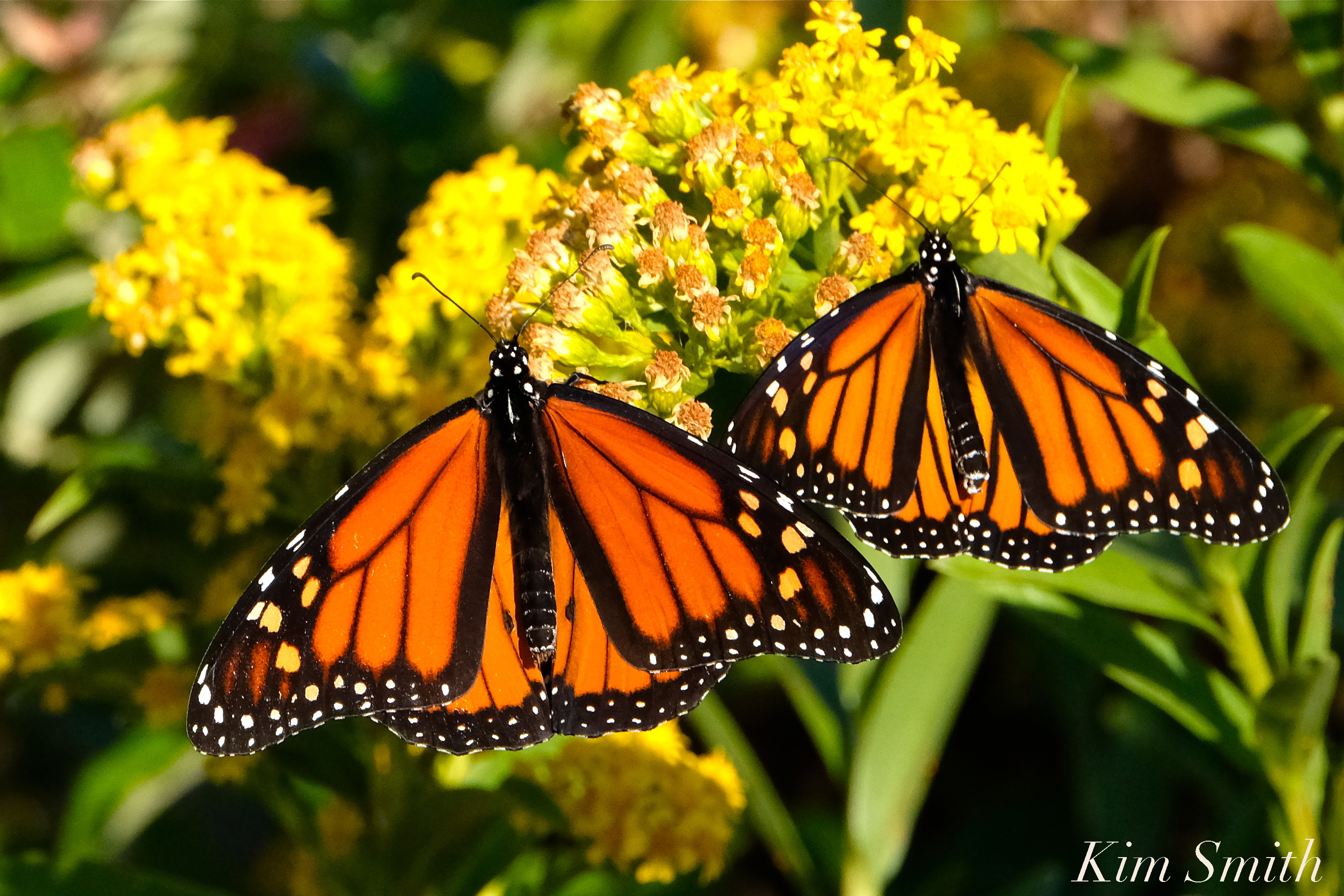
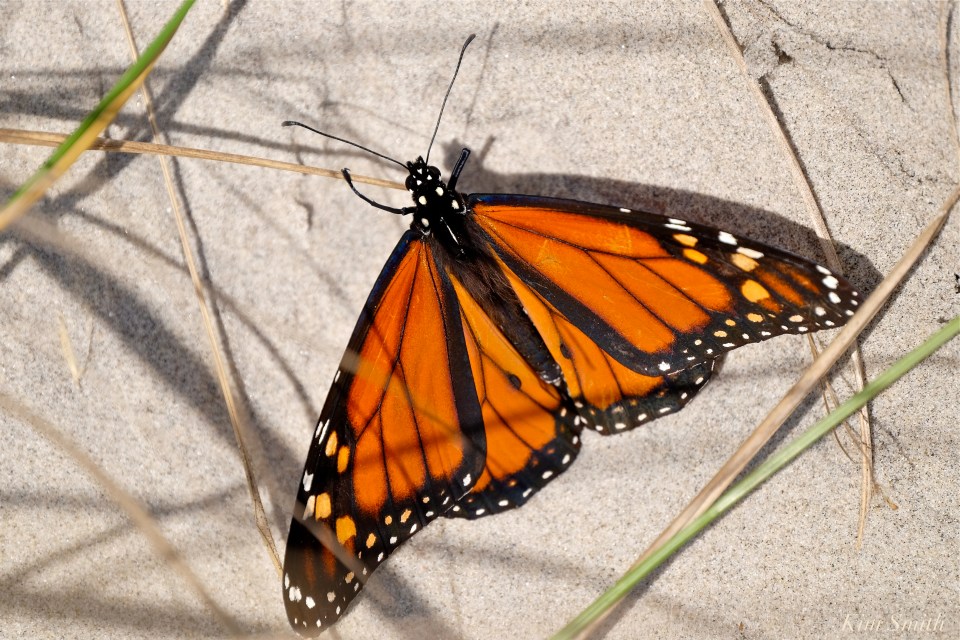
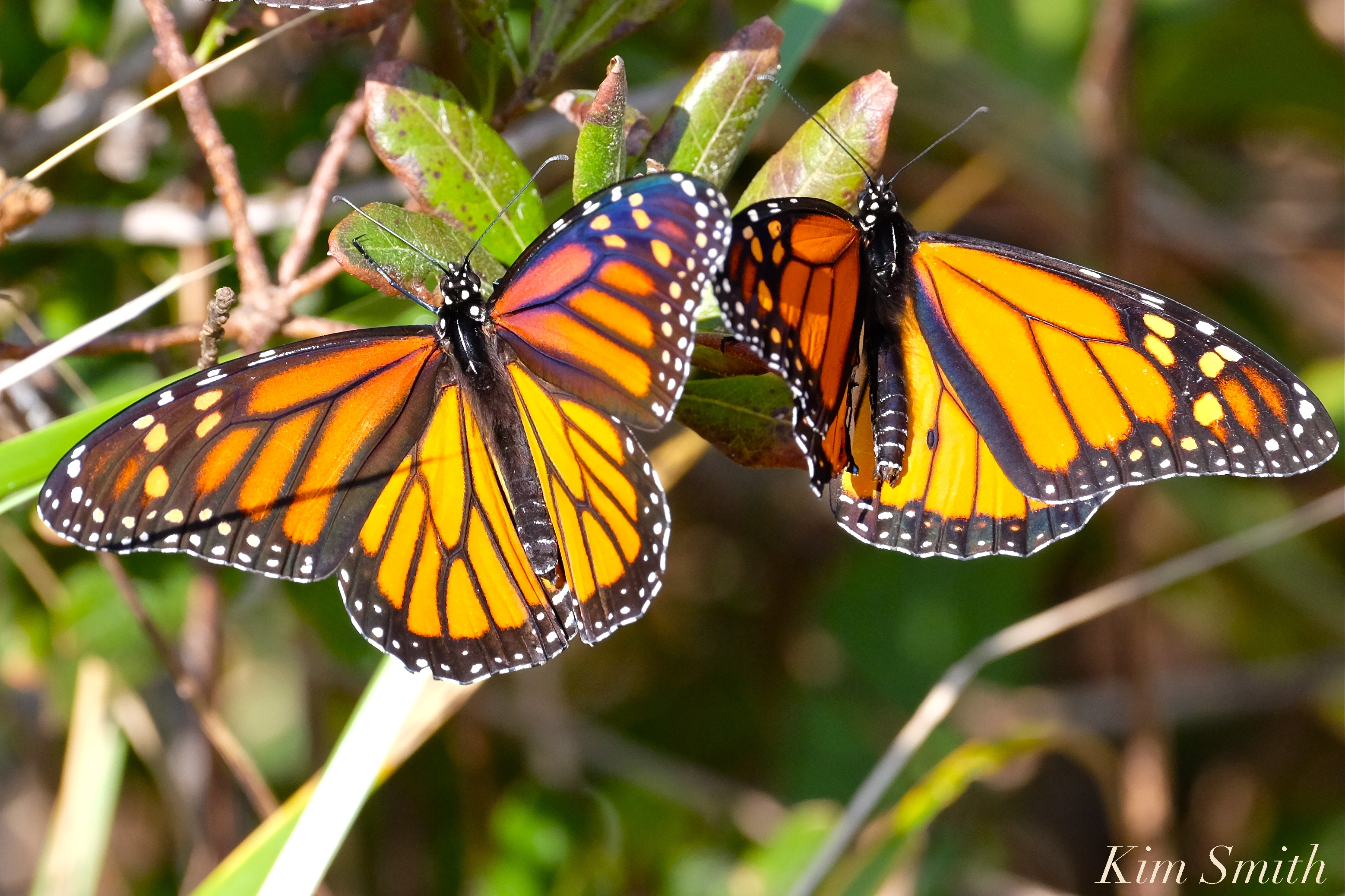
Male (left) and Female Monarch Waking Up in Goldenrod Field

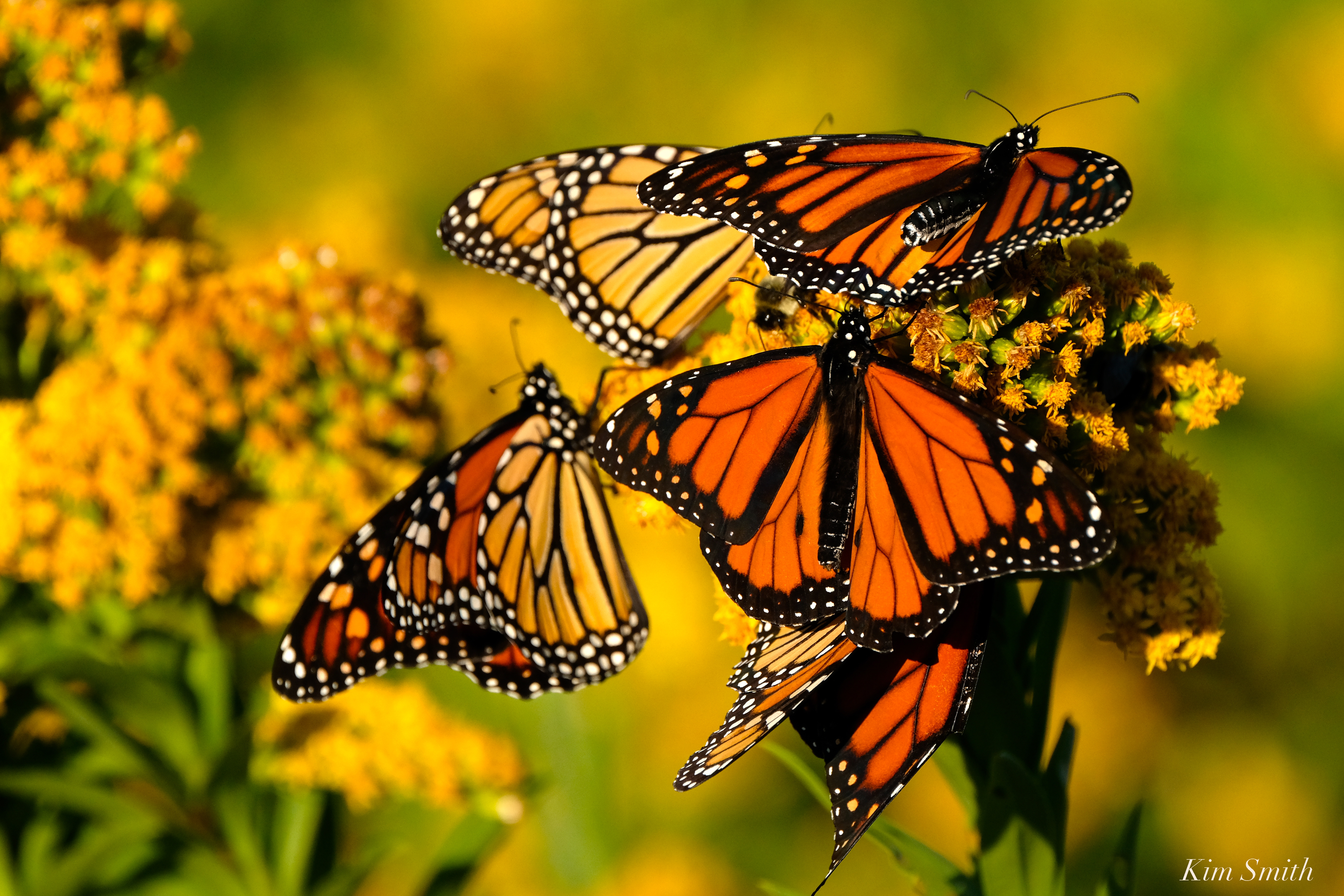
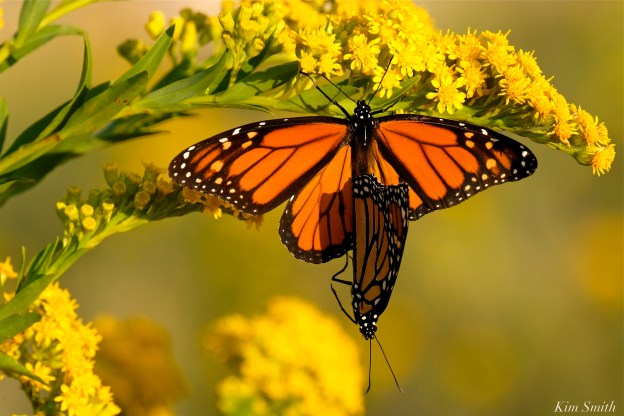
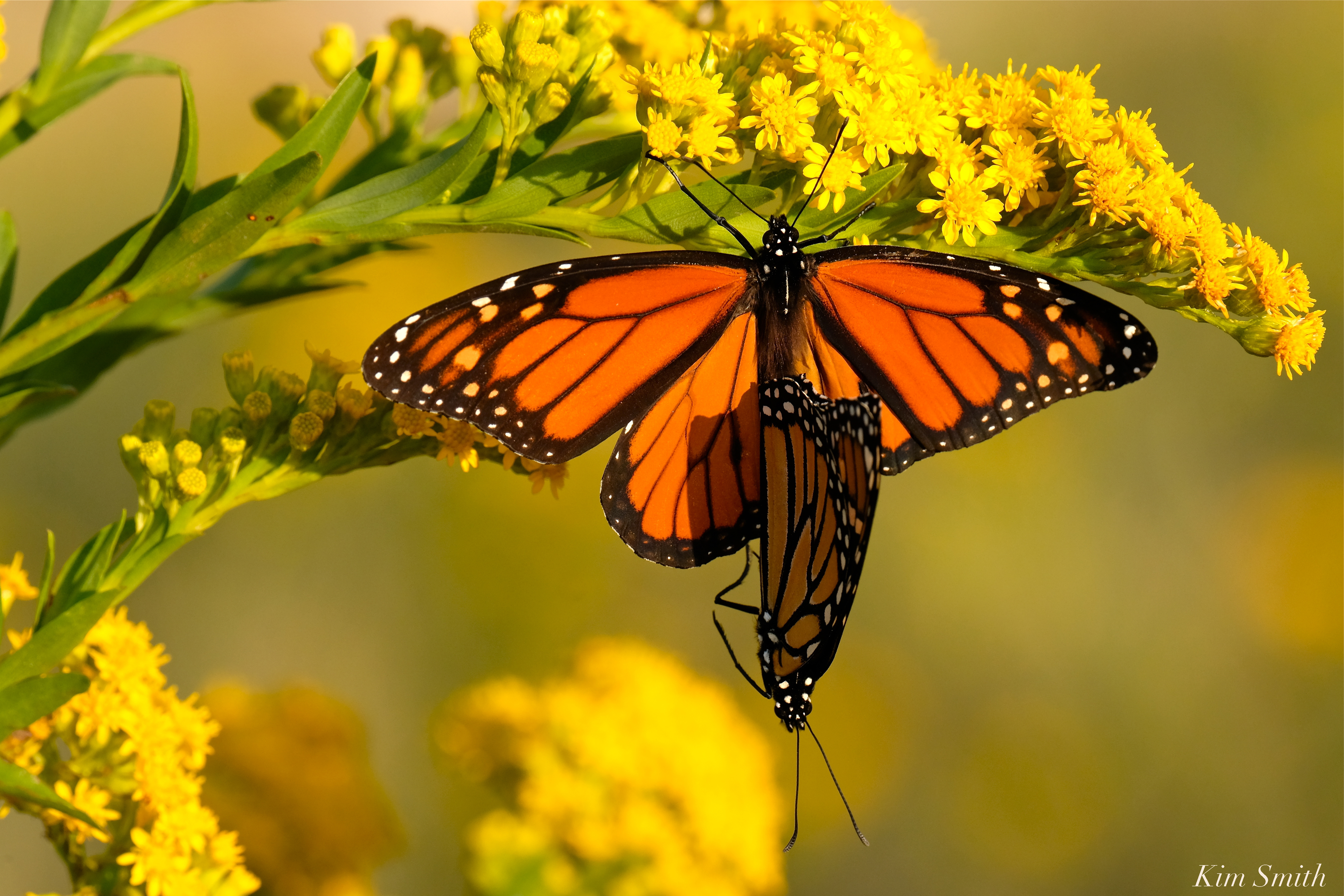
SAY WHAT! MONARCHS MATING IN SEPTEMBER???

This pair of Monarchs did not get the 411 that they are supposed to wait until next spring to mate!

Beginning in early spring, Monarchs depart Mexico. They lay eggs of the next generation and then perish. This next generation moves northward depositing their eggs on emerging milkweed. It takes four to five generations to reach the Monarch’s northern breeding grounds, of which Cape Ann is a part. The Monarchs that we see in the early summer only live for about four weeks.

The Monarchs that eclose at the end of the summer are a super generation of Monarchs. Another way to think about them is that they are also referred to as the ‘Methuselah’ Monarchs. This last brood of the summer lives for a very long time for a Monarch, about seven to eight months. The Methuselah Monarchs that we see migrating today will travel south all the way to the trans-volcanic forested mountains of central Mexico. They sleep through the winter in butterfly trees in a state of sexually immaturity known as diapause, then awaken in spring to move northward and deposit eggs of the next generation, thus completing the circle of the Monarch’s life.

So that brings us back to this atypical pair mating in the marshy meadow in September. Every year during the annual southward migration I see at least one pair of Monarchs mating. I wonder, will the pair survive and continue to migrate? Will their offspring survive and travel further south?

Please join me Saturday, October 5th, at 10:30 at The Stevens Coolidge Reservation in Andover for a Monarch Migration Celebration and for my conservation talk about the Monarchs. For more information, see here.

WILDLY BEAUTIFUL AND HISTORIC MONARCH MIGRATION OF 2019

Multitudes of silently beautiful brilliant orange flakes swirl overhead. Ontario, Chicago, the Great Lakes, Wisconsin, Iowa, Nebraska, Texas–the list goes on and on–reports of record numbers of Eastern Monarchs are being shared throughout the country.

Monarchs are building their fat reserves by drinking nectar from wildflowers and garden flowers all along their migratory route. These migration pathways occur in urban centers such as Toronto, Chicago, Atlanta, and Kansas City; the Appalachian Mountains of West Virginia and Virginia; the fields and prairies of Minnesota, Kansas, Iowa, and Nebraska; and along the coastlines of the Atlantic, Gulf of Mexico, and Great Lakes.

The Atlantic Coast travelers are typically a week or two behind the Monarchs that migrate through the central part of the U.S. There are still large numbers of Monarchs in the Northeast waiting for the right conditions to journey on.

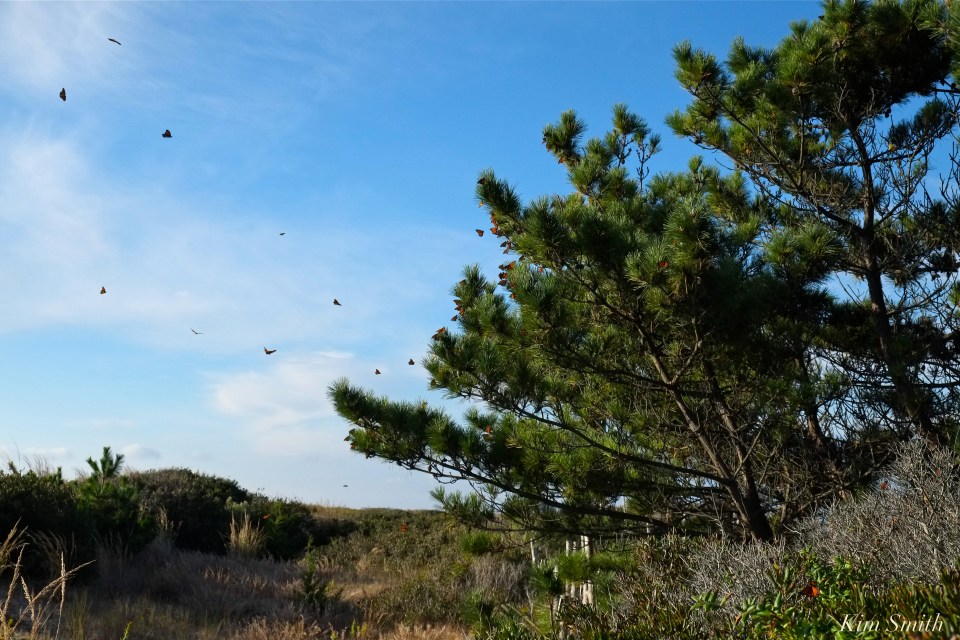
Here on Cape Ann I have been following the migration and checking hotspots several times daily. Beginning September 8th, the migration along our shores really began to pick up steam. We have had a steady stream with many overnight roosts. The last wave that came through migrated during the morning hours, but rather than staying overnight, continued on their journey, helped by a strong northeasterly wind.

Many thousands of photos were taken this past month and I will share them in upcoming posts, along with helpful answers to some Monarch questions that I am frequently asked. In addition to the photos, I have of course been filming. While my Monarch documentary, Beauty on the Wing, is in the final stages of post production, some of the footage from this year’s historic migration will make it into the film.

Please join me this coming Saturday, October 5th, at 10:30am at The Stevens Coolidge Place in Andover where I will be giving a talk and slide presentation on Monarch Butterfly conservation. A whole wonderful day of activities is planned for the kids and adults.

MONARCH MIGRATION CELEBRATION

You spent the summer watching them flit about your gardens, now it’s time to wish them well on their trip down to Mexico – it’s the Monarch Migration Celebration at Stevens-Coolidge Place!

This celebration will kick off with a children’s pollinator parade around the property (costumes encouraged!) bringing all visitors to an afternoon of demos, crafts & stories, seed bomb making and gardening tips to bring these orange friends to your yard in the spring. Want to join in the butterfly tagging? Bring your flying friends with you and we’ll be happy to show you how! Butterfly release at 2:30PM

Trustees Member: $3
Trustees Member Child: $5
Trustees Family: $15

Nonmember: $6
Nonmember Child: $10
Nonmember Family: $25
Please help us plan for the day. Pre-registration is encouraged.

STEVENS COOLIDGE PLACE

137 ANDOVER STREET

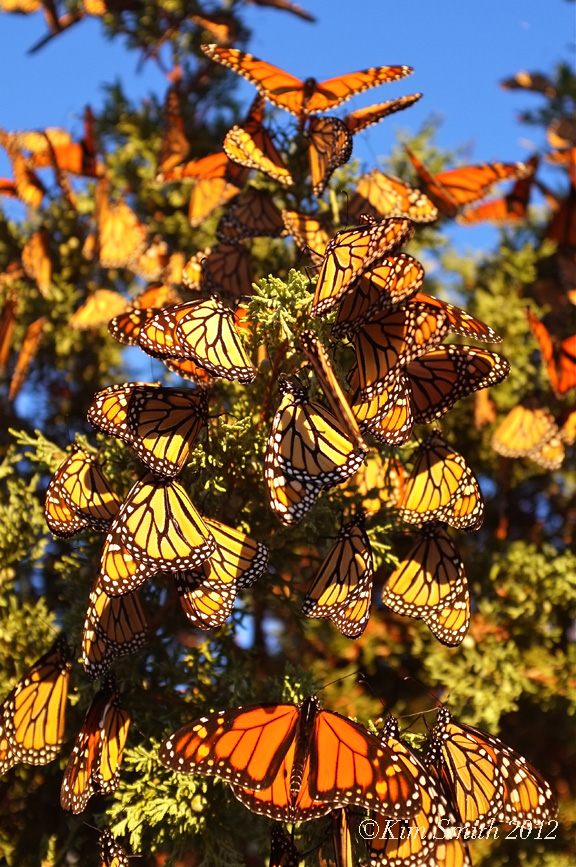
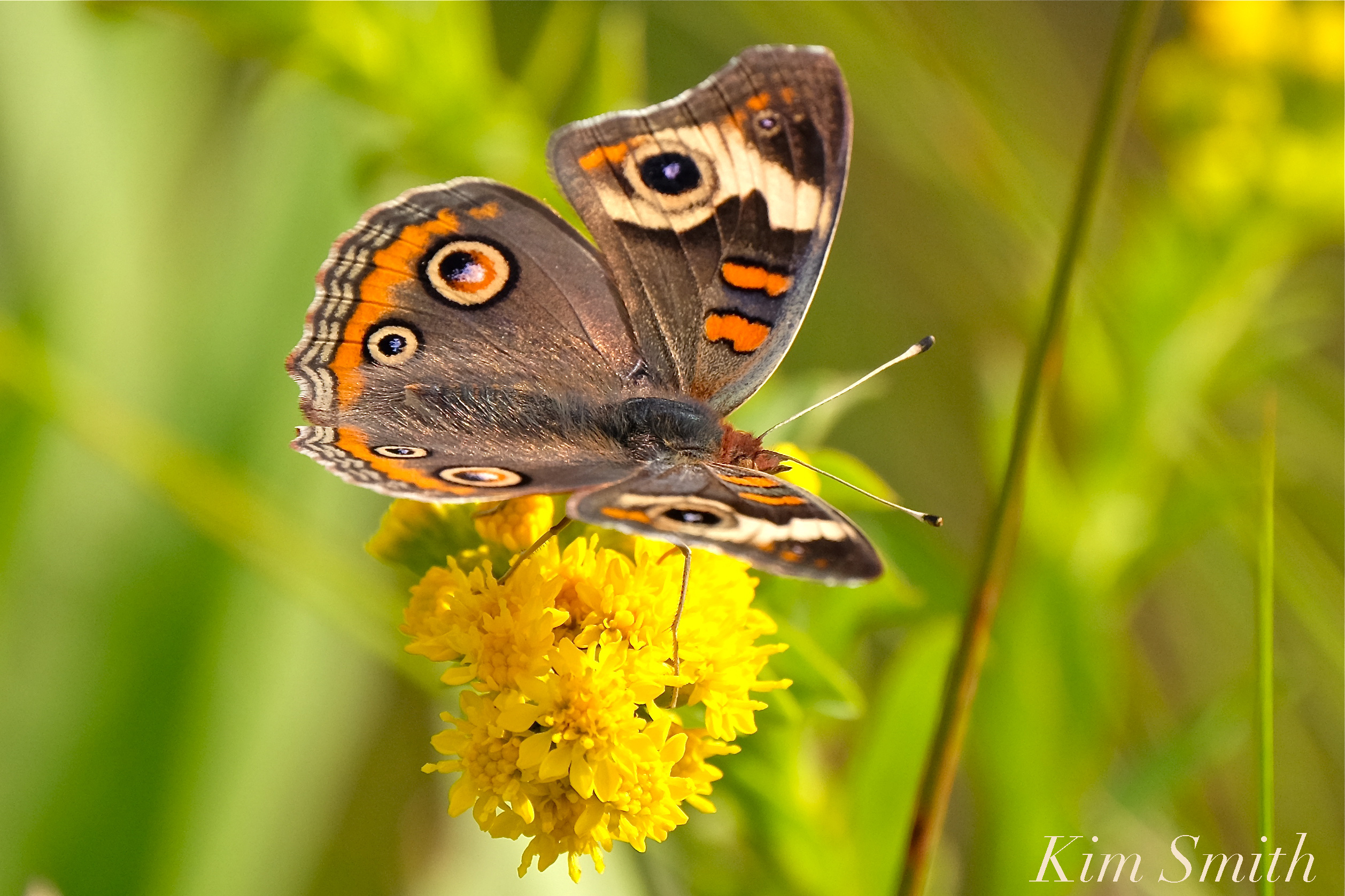
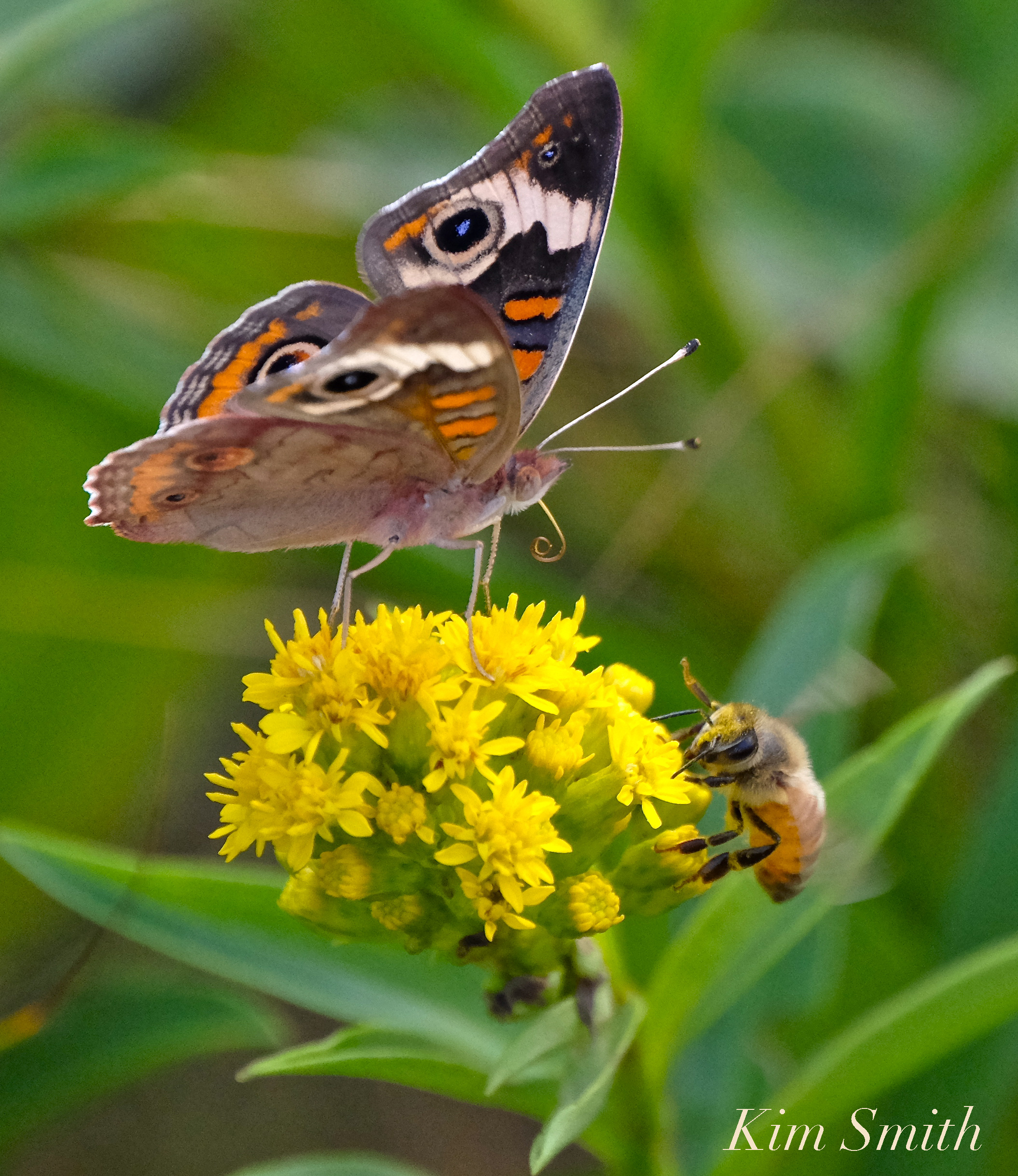
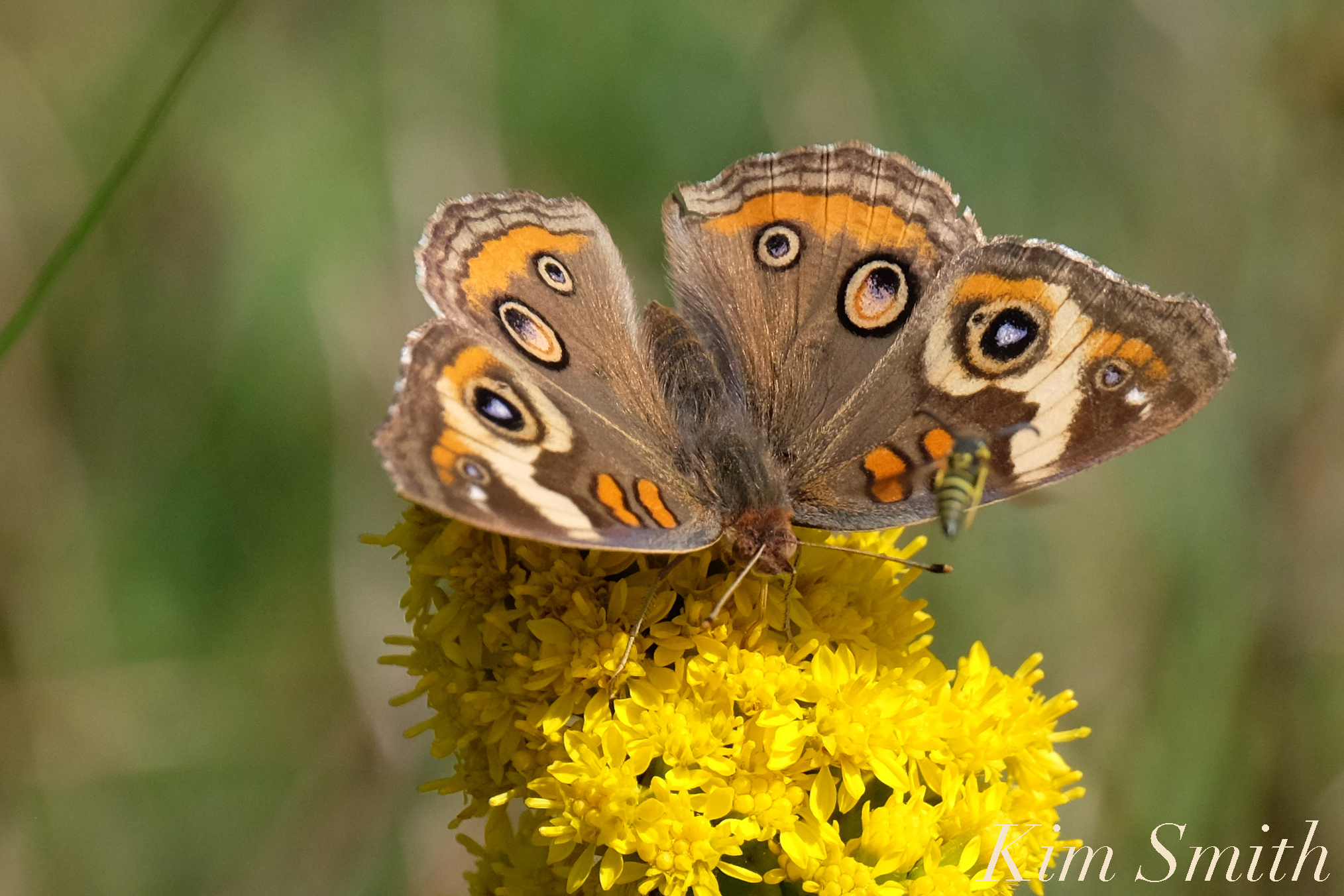
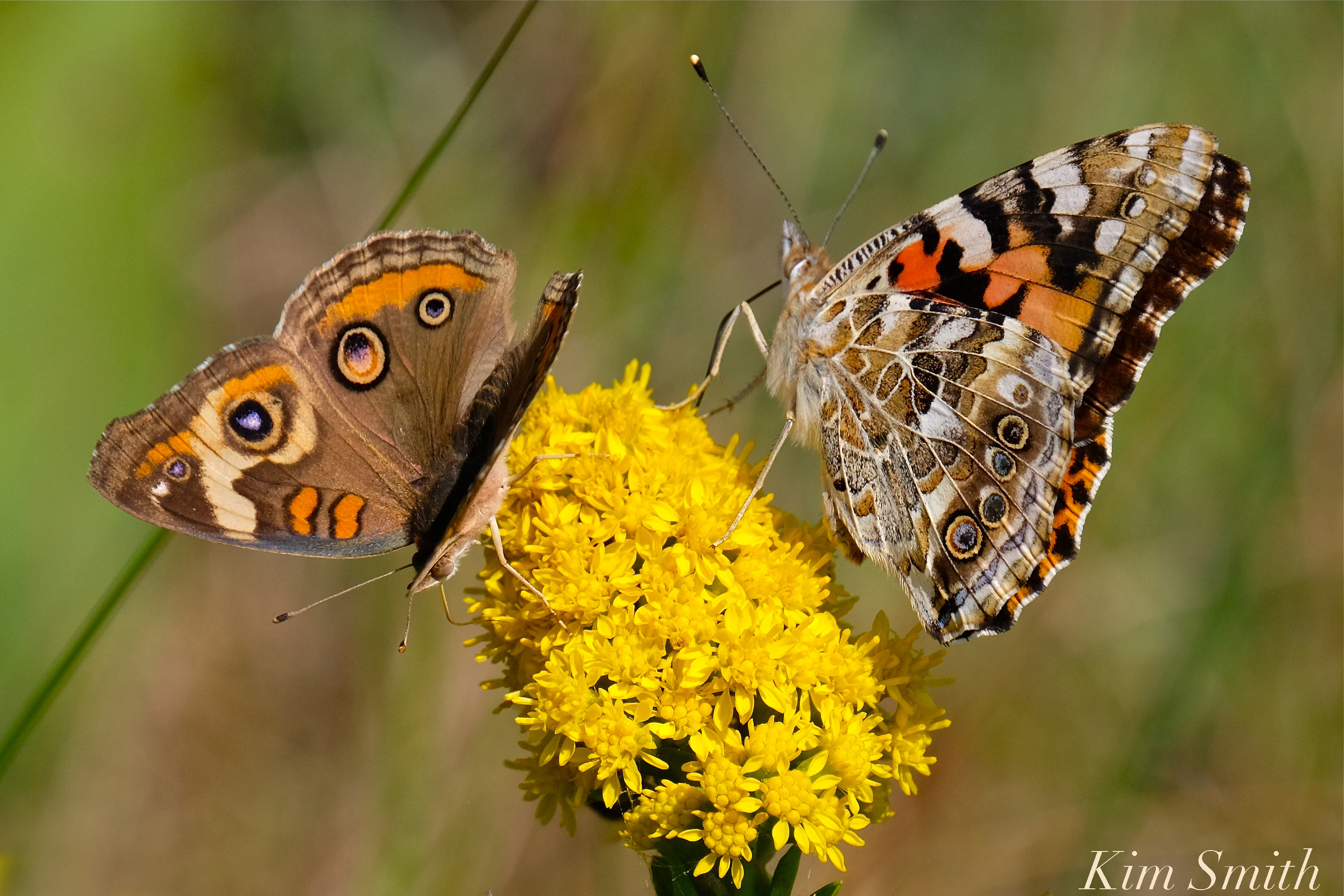
Monarchs, Common Buckeye, and Painted Lady

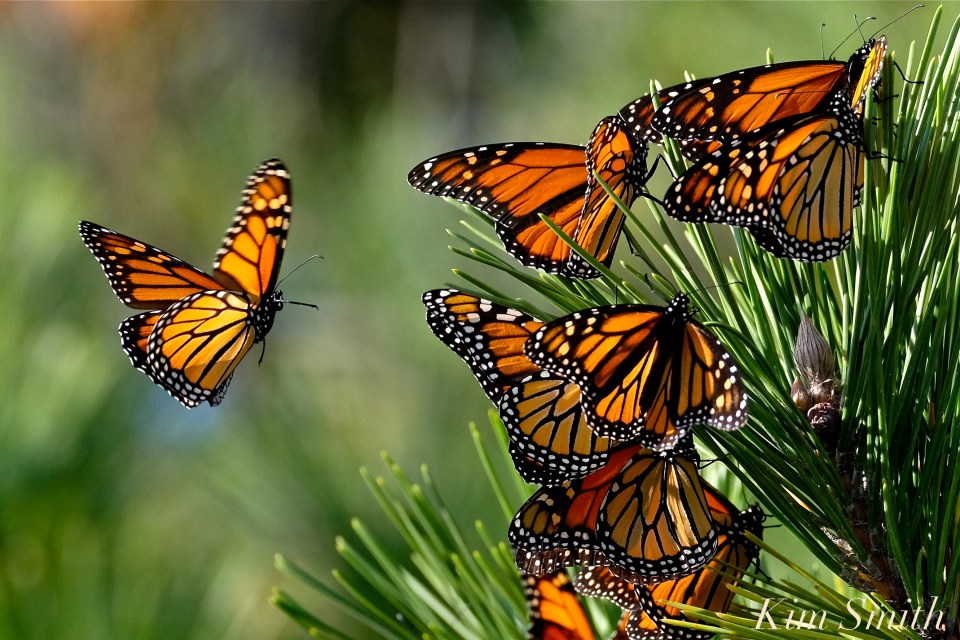
THE DANCE OF COLOR AND LIGHT – MONARCHS ON THE MOVE!

Monarchs were on the move over the weekend, not only on Cape Ann, but all over northern and northeastern regions of the country* very solid numbers of migrating Monarchs are being shared, from Ontario, to upstate New York, Michigan, and Maine.

Lets keep our hopes up for good weather for the Monarchs on the next leg of their journey southward!

*Ninety percent of the Monarch Butterfly migration takes place east of the Rocky Mountains.

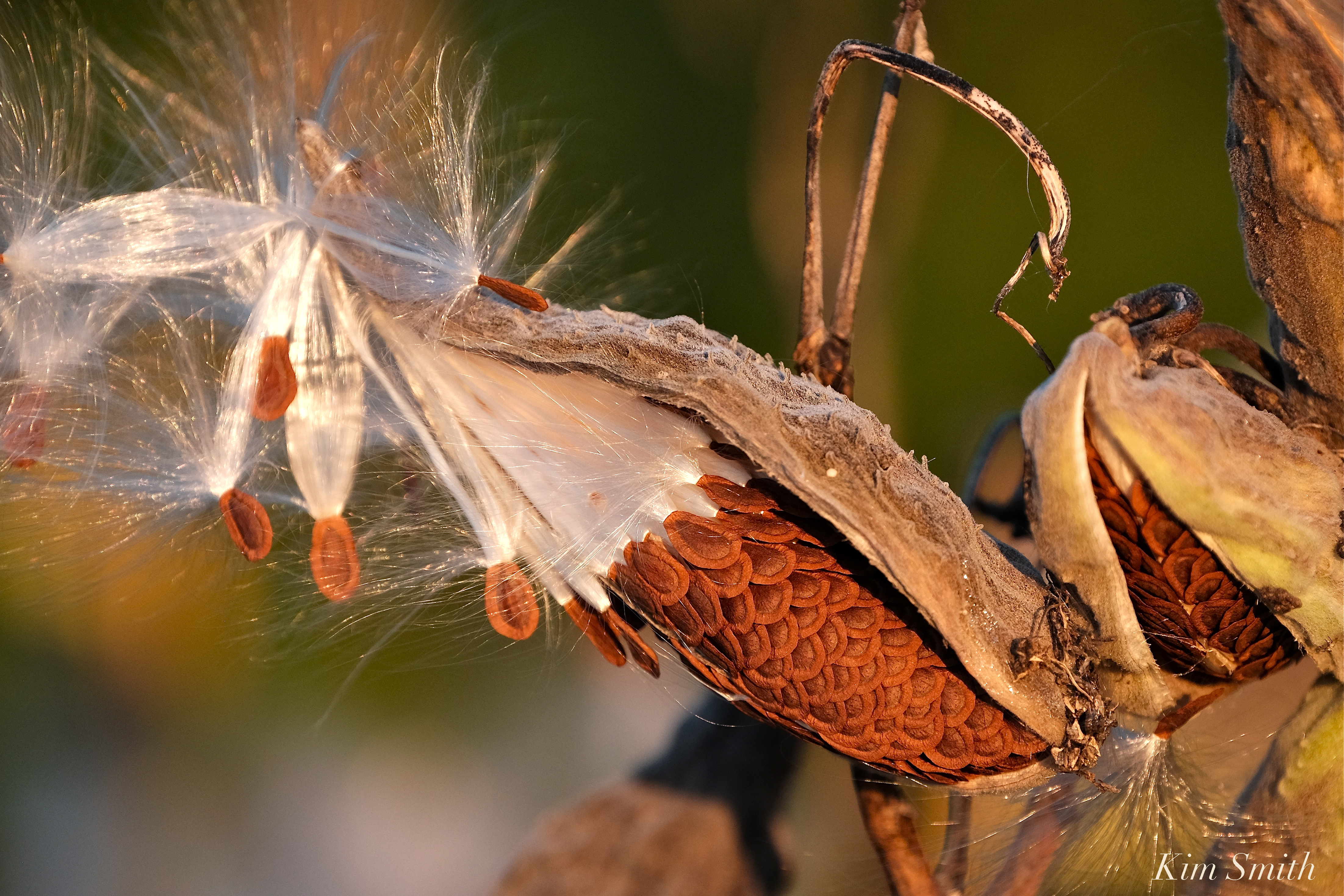
If you would like to help support the Monarchs, think about creating a milkweed patch in your garden. The best and most highly productive milkweed for Monarch caterpillars is Common Milkweed (Asclepias syriaca), the milkweed we see growing in our local marshes and dunes. The seed heads are ripe for plucking when they have split open and you can see the brown seeds and beautiful floss.

For several of my readers who have expressed difficulty in germinating milkweed seeds, the following is a foolproof method from the Lady Bird Johnson Wildflower Center.

HOW TO GERMINATE MILKWEEDS

MILKWEEDS (ASCLEPIAS SPP.) ARE NOTORIOUSLY DIFFICULT TO GERMINATE. But don’t despair. The Wildflower Center has developed and tested a protocol that results in good germination rates for a number of our native milkweed species. Follow this process and you’ll soon be on your way to supporting monarchs, bumblebees and tons of other insects that depend on milkweed plants. READ the complete article here.

Save the Date: Kim Smith at the Cape Ann Museum!

Join documentary filmmaker and photographer Kim Smith, creator of Beauty on the Wing: The Life Story of the Monarch Butterfly on Second Saturday Cape Ann Museum Kids. Learn all about the life story of the Monarch and how you can help the butterfly on its migration. The program runs from 10am to noon. To register, contact courtneyrichardson@capeannmuseum.org

Families of school aged children visit free on Second Saturday mornings. Visit the galleries, join a workshop, and more!

Monarch Butterfly Emerging

Salem State University Keynote Speaker Kim Smith Spotlights Plight of the Monarch Butterflies

Salem State keynote spotlights beauty, plight of monarch butterflies

Smith, who spoke on campus Thursday, April 12, makes nature films and contributes to the daily blog Good Morning Gloucester. She also helps communities and individuals build gardens specifically aimed at attracting butterflies, bees and beneficial bugs.

On behalf of the Earth Days Planning Committee, Carol Zoppel, a campus librarian and co-chair of Earth Days Week, presented Smith with the Friend of the Earth Award.

“Salem State University’s Earth Days committee would like to recognize Kim Smith for her artistic and advocacy work on behalf of wildlife through her films, photo, gardens, and writings,” said Zoppel. Smith received her award and a framed poster of her program.

READ COMPLETE ARTICLE HERE


…Smith also reflected on our involvement with these creatures.

“I think compassion for all living creatures is really important,” said Smith. “Right here in our own backyards and beaches we have small winged creatures like Monarchs and Piping Plovers that are struggling to survive.”

She added, “Our actions and how we chose to live our lives has tremendous impact.”

Monarch Butterflies Dawn Awakening Gloucester MAssachusetts

Monarchs at Salem State University!

Please join us on Thursday evening at Salem State University for Earth Day Week celebrations and awards ceremony. This event is entirely free and open to the public. I hope to see you there!

I have been pouring through photos from this year’s past late great Monarch migration to create the new “Beauty on the Wing” program that I am giving Thursday evening at Salem State.

My favorite thing to do photographing butterflies is to capture them mid-flight.  Working on landscape design projects and film projects back to back I only had time to upload and didn’t have a chance to look through the film footage and photos daily. I discovered a bunch of photos that are worthy of adding to the presentation–a photographer’s idea of finding buried treasure–and these are two of my favorites.  

SCARY BUTTERFLIES AND THANK YOU MONARCH FILM DONORS FOR YOUR GENEROSITY!!!

Beautiful to you and I, the large concentric circles strategically located on the wings of the Buckeye are meant to mimic the eyes of a larger creature. The eye patterns, or eyespots, frighten away would-be predators, mainly, hungry birds snipping at butterfly wings.

Many species of Lepidoptera have eyespots both in the adult and caterpillar stages, but butterflies and moths aren’t the only creatures that have evolved with eye-like markings. Reptiles, wild cats, fish, and birds also have eyespots.

Peacocks have very conspicuous eyespots, not to mimic and frighten, but to attract a peahen. The greater the number of “eyes,” the more desirable the male is to the female.

https://www.instagram.com/p/BU7mTlHFlbB/

The Foureye Butterflyfish, like butterflies, have eyespots located away from the more vulnerable head region; its eye markings are at the tail end.

Foureye Butterflyfish are found in the Western Atlantic, from Massachusetts and Bermuda to the West Indies and northern South America. Photo courtesy wiki commons media.

Over the course of the many years documenting Monarchs, I often encounter the beautiful Buckeye during the end of the summer. Common Buckeyes migrate every year, departing our most southern states in the spring, repopulating the northern states on their way; in some years even reaching as far north as southern Canada. In the fall, Buckeyes return south as they are not adapted to survive northern winters.

The Common Buckeye is most attracted to yellow flowers. Look for them drinking nectar at Seaside Goldenrod and the yellow florets at the center of New England and Purple-stemmed Asters.

Common Buckeye and Painted Lady, Fall Migration 2017

To date we have raised $23,960.00, thanks to the extraordinary generosity of our community. If you would like to help towards the completion of the documentary film Beauty on the Wing: Life Story of the Monarch Butterfly, please consider making a tax deductible donation here:

DONATE HERE

Donors contributing over $5,000. will be listed in the credits as a film producer.

For more information, visit the film’s website here: Monarch Butterfly Film

For an overview of the film’s budget, please go here: Budget

Thank you so very much for your kind generosity and help in completing and bringing Beauty on the Wing to classrooms and theaters.

With gratitude,

Kim

MY DEEPEST THANKS AND APPRECIATION TO LAUREN MERCADANTE (PRODUCER), SUSAN FREY (PRODUCER), NEW ENGLAND BIOLABS FOUNDATION, BOB AND JAN CRANDALL, MARY WEISSBLUM, SHERMAN MORSS, JAY FEATHERSTONE, GARTH GREIMANN (CAMBRIDGE), JUNI VANDYKE, MARION F., ELAINE M., KIMBERLY MCGOVERN, MEGAN HOUSER (PRIDES CROSSING), JIM VANBUSKIRK (PITTSBURGH) NANCY MATTERN (ALBUQUERQUE), DONNA STOMAN, PEGGY O’MALLEY, JOEY C., CATHERINE RYAN, JOEANN HART, JANE PAZNIK BONDARIN (NEW YORK), ROBERT REDIS (NEW YORK), NUBAR ALEXANIAN, PETER VAN DEMARK, PATRICIA VAN DERPOOL, FRED FREDERICKS (CHELMSFORD), LESLIE HEFFRON, JIM MASCIARELLI, DAVE MOORE (KOREA), LILIAN AND CRAIG OLMSTEAD, JOHN STEIGER, PAT DALPIAZ, AMY KERR, BARBARA T. (JEWETT, NY), ROBERTA C. ((NY), MARIANNE G. (WINDHAM, NY), PAULA RYAN O’BRIEN (WALTON, NY), MARTHA SWANSON, KIM TEIGER, JUDITH FOLEY (WOBURN), PATTI SULLIVAN, RONN FARREN, SUSAN NADWORNY (MELROSE), DIANE LINDQUIST (MANCHESTER), HEIDI SHRIVER (PENNSYLVANIA), JENNIFER CULLEN, TOM HAUCK, AND ANONYMOUS PERSONS FOR THEIR GENEROUS HELP.

$22,265.00 RAISED FOR BEAUTY ON THE WING!!!

$22,265.00!!! RAISED FOR BEAUTY ON THE WING DOCUMENTARY! THANK YOU KIND DONORS!!!!!!!!!!!

WITH THE GREATEST APPRECIATION FOR OUR COMMUNITY OF FRIENDS AND SPONSORS, I AM OVERJOYED TO SHARE THAT TO DATE WE HAVE RAISED $22,265.00 FOR THE DOCUMENTARY FILM “BEAUTY ON THE WING” ONLINE FUNDRAISER!!!

Friends of the Monarch Butterfly: If you would like to help towards the completion of the documentary film Beauty on the Wing: Life Story of the Monarch Butterfly, please consider making a tax deductible donation here:

DONATE HERE

Donors contributing over $5,000. will be listed in the credits as a film producer.

For more information, visit the film’s website here: Monarch Butterfly Film

For an overview of the film’s budget, please go here: Budget

Thank you so very much for your help.

With gratitude,

Kim

MY DEEPEST THANKS AND GRATITUDE TO LAUREN MERCADANTE (PRODUCER), SUSAN FREY (PRODUCER), NEW ENGLAND BIOLABS FOUNDATION, BOB AND JAN CRANDALL, MARY WEISSBLUM, SHERMAN MORSS, JAY FEATHERSTONE, MARION F., ELAINE M., KIMBERLY MCGOVERN, DONNA STOMAN, PEGGY O’MALLEY, JOEY C., CATHERINE RYAN, JOEANN HART, JANE PAZNIK BONDARIN (NEW YORK), ROBERT REDIS (NEW YORK), NUBAR ALEXANIAN, PETER VAN DEMARK, PATRICIA VAN DERPOOL, FRED FREDERICKS (CHELMSFORD), LESLIE HEFFRON, JIM MASCIARELLI, DAVE MOORE (KOREA), LILIAN AND CRAIG OLMSTEAD, JOHN STEIGER, PAT DALPIAZ, AMY KERR, BARBARA T. (JEWETT, NY), ROBERTA C. ((NY), MARIANNE G. (WINDHAM, NY), PAULA RYAN O’BRIEN (WALTON, NY), MARTHA SWANSON, KIM TEIGER, JUDITH FOLEY (WOBURN), PATTI SULLIVAN, RONN FARREN, SUSAN NADWORNY (MELROSE), HEIDI SHRIVER (PENNSYLVANIA), JENNIFER CULLEN, TOM HAUCK, AND ANONYMOUS PERSONS FOR THEIR GENEROUS HELP.


SPECIAL FILM SCREENING OFFER!

Donors contributing $20.00 or more will be invited to a very special screening preview party of the documentary Beauty on the Wing: Life Story of the Monarch Butterfly.

Consider the cost of a movie ticket, beverage, and popcorn is $20.00. By contributing to the film’s online fundraising campaign, you will help bring it to theaters and classrooms. Contributors will be invited to the film’s preview screening party and be amongst the first to see this stunning film!

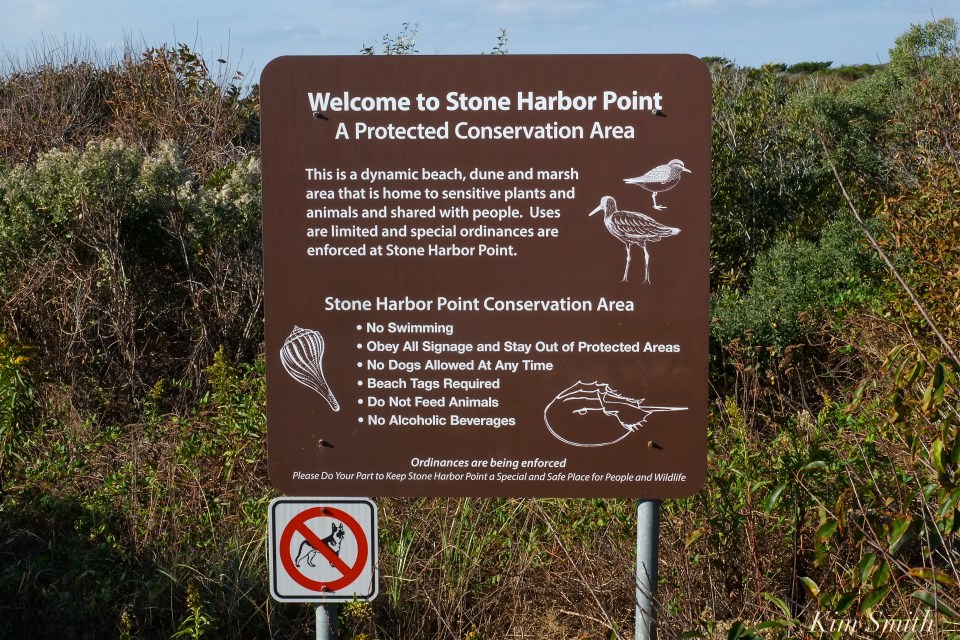
One of the many ways that you will find Beauty on the Wing to be unique is that it was filmed entirely on location, outdoors, and in nature. There are absolutely no computer generated graphics. The life cycle scenes were filmed on Cape Ann, in meadows, dunes, and gardens (not laboratories). Flight scenes are not simulated, but filmed on location, predominantly on Cape Ann, some in Angangueo, and also Santa Barbara, Westport, Cape May, and Stone Harbor Point. Mostly though, through story telling and cinematography, the film shines a beautiful light on the Monarch migration as it unfolds on the shores of Cape Ann, portraying our community and the natural world of Cape Ann as we would hope to be revealed to the world at large.

East Coast Monarch Butterfly Habitat

CHASING MONARCHS ~ WHIRLWIND TRIP TO STONE HARBOR AND CAPE MAY PART TWO

Read Part One Here

Google maps sent me back to Cape May via a different route and I did not again pass the one gas station that appeared to be open for business. Concerned though that the Jetty Motel’s office would close for the night before I had checked in, I headed straight there, passing several closed gas stations along the way.  Not looking good in the refueling department. I arrived just in time, moments before the front desk closed, and was helped tremendously by the receptionist. She pointed me in the direction of the one and only gas station open and provided great advice for dinner, The Lobster House, located on Schellengers Landing Road, Fisherman’s Wharf at Cape May.

My dinner of chowder and oysters was fabulous! I met a super nice guy  at the bar and he shared lots of information about the area. He is marine biologist on one of the local whale boats, which is actually a schooner! He was headed the next morning to the Keys to help a friend rebuild his campgrounds.

The Lobster House is open seven days a week, all year round, and includes several restaurants, a coffee shop-lunch counter style diner, fish market, and dining on the Schooner American, which is moored dockside. The commercial fishing fleet at the Lobster House offloads millions of pounds of seafood and supplies much of the fresh seafood on the Lobster House menu.

The following morning I had checked out by daybreak, filled with anticipation to return to Stone Harbor Point to see the Monarchs departing the trees at first light. First though I headed to the beach across from the hotel for a very quick glimpse. The wide sandy beach has a perfect view of the Cape May Lighthouse. You can walk along the beach and through the trails of the Cape May State Park for direct access to the Lighthouse.

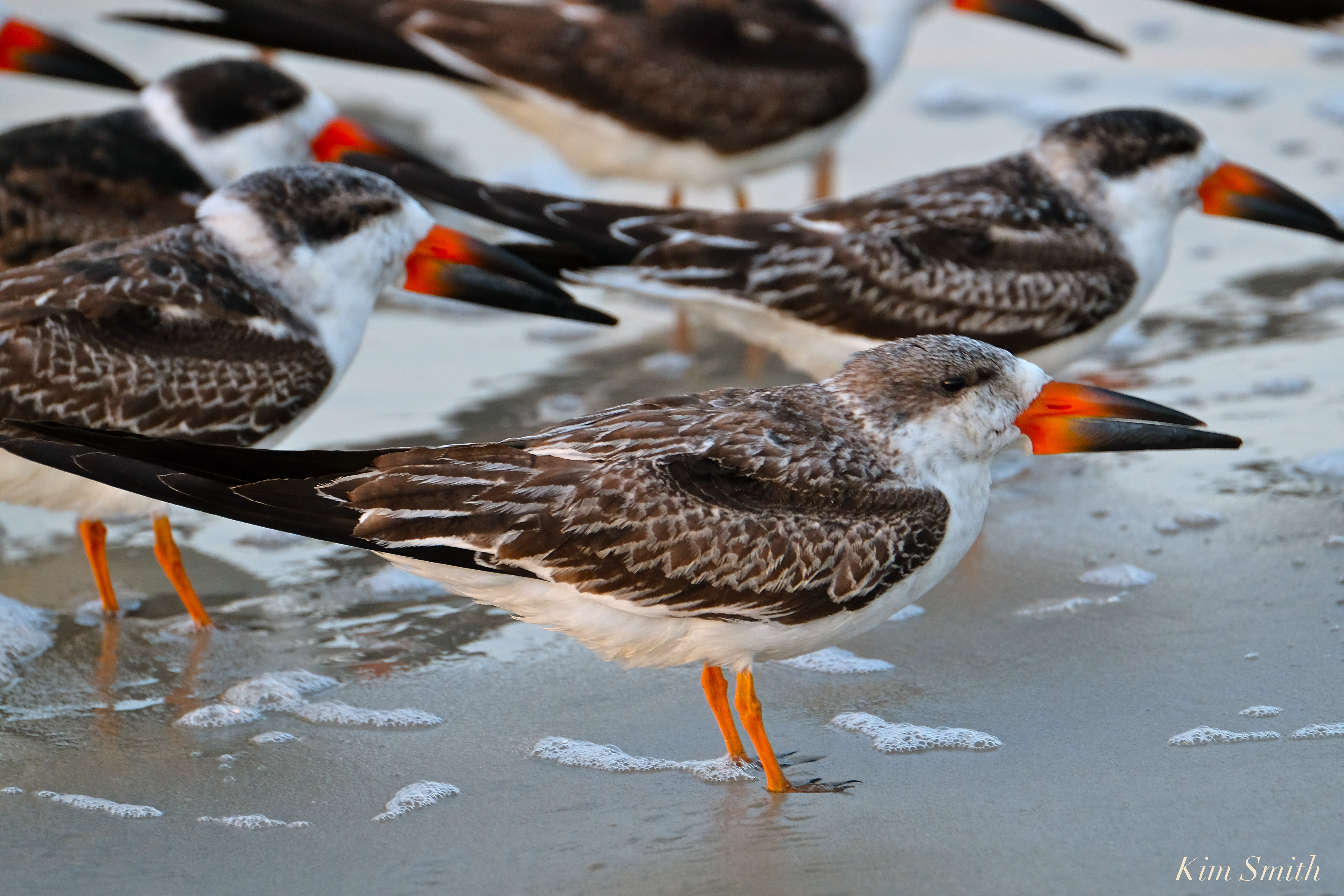
At the shoreline were poised to cross the Bay a great flock of Black Skimmers. Overnight the wind had picked up tremendously and the flock were aligned in perfect soldier-like order, all facing into the strong gusts. Oh how I wished I could have spent more time there exploring this area so rich in fabulous creatures and wildlife. Most definitely on my next visit!

Notice the amazing lower mandible of the Black Skimmer. While flying, the Skimmers use their bill to skim small fish along the surface of the water. The Skimmers pictured here are mostly young Black Skimmers in plumage mottled brown and white.
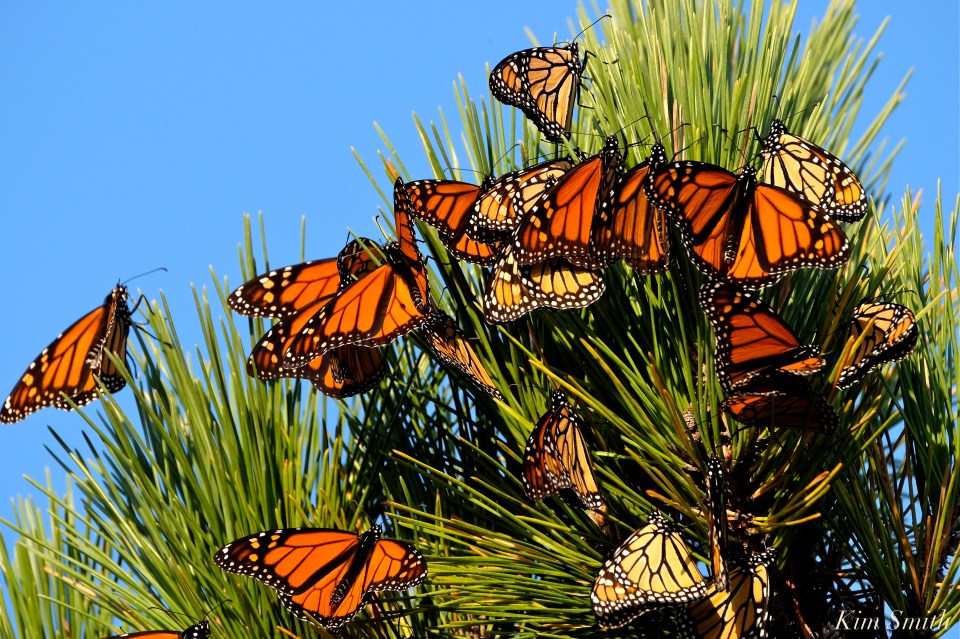
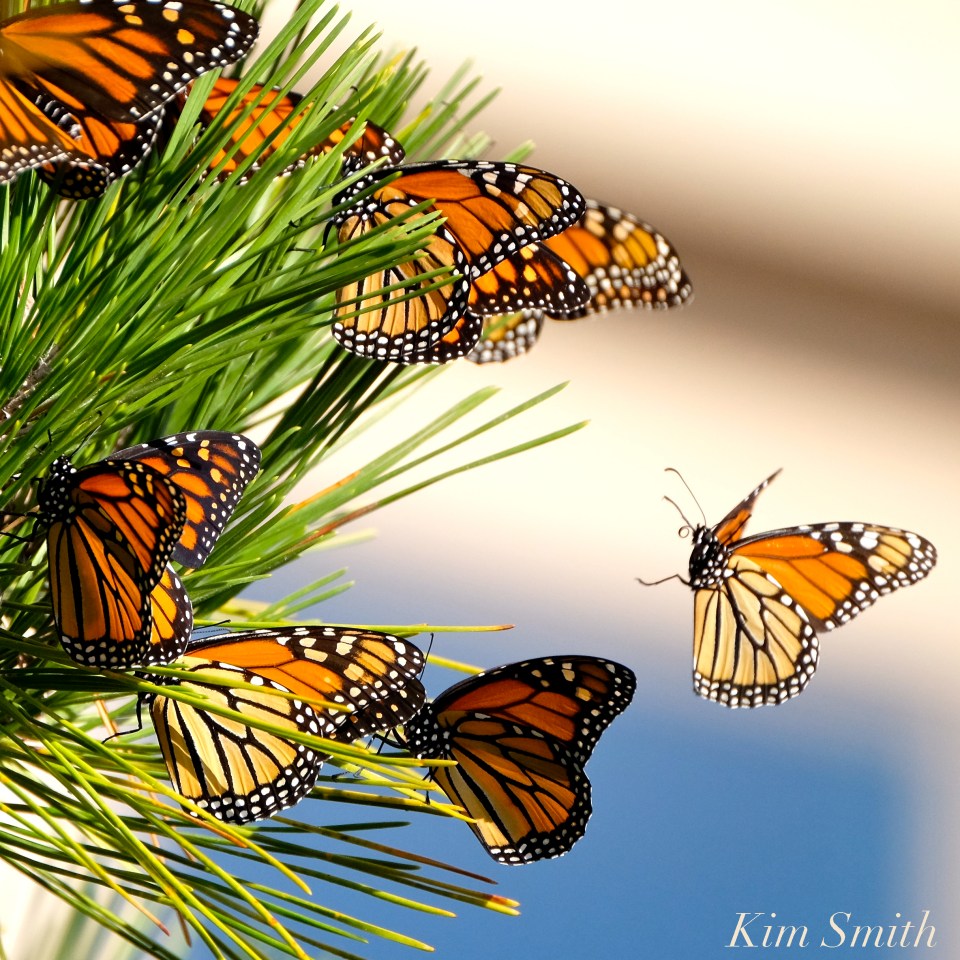
I arrived at Stone Point Harbor just as the butterflies were awakening. When butterflies roost in trees, they will often situate themselves so that the eastern light of the early morning sun rays warm their wings. They will also typically (but not always) choose overnight sleeping areas that are out of the way of the of the prevailing winds.

Because of the strong wind, instead of leaving the trees all at once, as I have often observed, the Monarchs would take off, have difficulty navigating the wind, and then return to the trees. These attempts lasted several hours as the Monarchs tried again and again to negotiate the harsh wind.

In the mean time, the Monarchs that weren’t as intuitive as the ones that were roosting in trees had roosted overnight on the dried out stalks of wildflowers. They were having an extremely tough time, clinging with all their might to the stalks or getting pulled down to the sand. This was challenging to observe as there was nothing that could be done to help the butterflies expending so much energy to stay grounded.

https://www.instagram.com/p/BawAbPmljVHAnGl29-fn5xh5kmFBKUEtsG6s6o0/

Monarchs Clinging to Dry Stalks of Seaside Goldenrod and Beach Grass in the Sand

Time was spent between the trees and the dunes. After several hours there were still a number of butterflies warming in the trees, barberry bushes, and wildflowers when I had to leave Stone Harbor Point to return to Cape May Point to investigate any migrating butterflies that may have been there.

Female (left) and Male Monarch Butterfly warming their wings on a barberry bush.

None were roosting at the Cape May Lighthouse and few were on the wing.  With the wind blowing in precisely the opposite direction for safe travel across the Delaware Bay, the Monarchs were waiting yet another day to take the next leg of their journey. Looking towards a nine hour drive ahead of me, I couldn’t stay a moment longer. Except to grab a bowl of chowder at the Lobster House and have a quick glimpse in the daylight hours at the Fisherman’s Wharf at Cape May.

Sea Bass fishing season was open and fisherman Jim is cutting up squid for bass bait.

Monarchs began arriving in Angangueo several days ago. And in much greater numbers than have been seen in recent years. Barring any huge weather events, this late, great batch of migrants will make it too. Friends are reporting that there are Monarchs in their gardens still, and I have one of Patti Papows caterpillars in its chrysalis, yet to emerge.

Eggs, caterpillars, chrysalides, and butterflies that would have been killed by more seasonable colder temperatures are able to survive in the unusually warm weather we are experiencing on the East Coast. However, most of the wildflowers that provide fortification to the Monarchs on their southward journey have withered. You can help late stragglers by keeping nectar producing flowers in your garden going as long as possible. In our garden, it is the old passalong Korean Daisy that is providing nectar to bees and butterflies, and it will bloom until the first hard frost.

Friends of the Monarch Butterfly: If you would like to help towards the completion of the documentary filmBeauty on the Wing: Life Story of the Monarch Butterfly, please consider making a tax deductible donation here:

DONATE HERE

Donors contributing over $5,000. will be listed in the credits as a film producer.

For more information, visit the film’s website here: Monarch Butterfly Film

For an overview of the film’s budget, please go here: Budget

Thank you so very much for your help.

With gratitude,

Kim