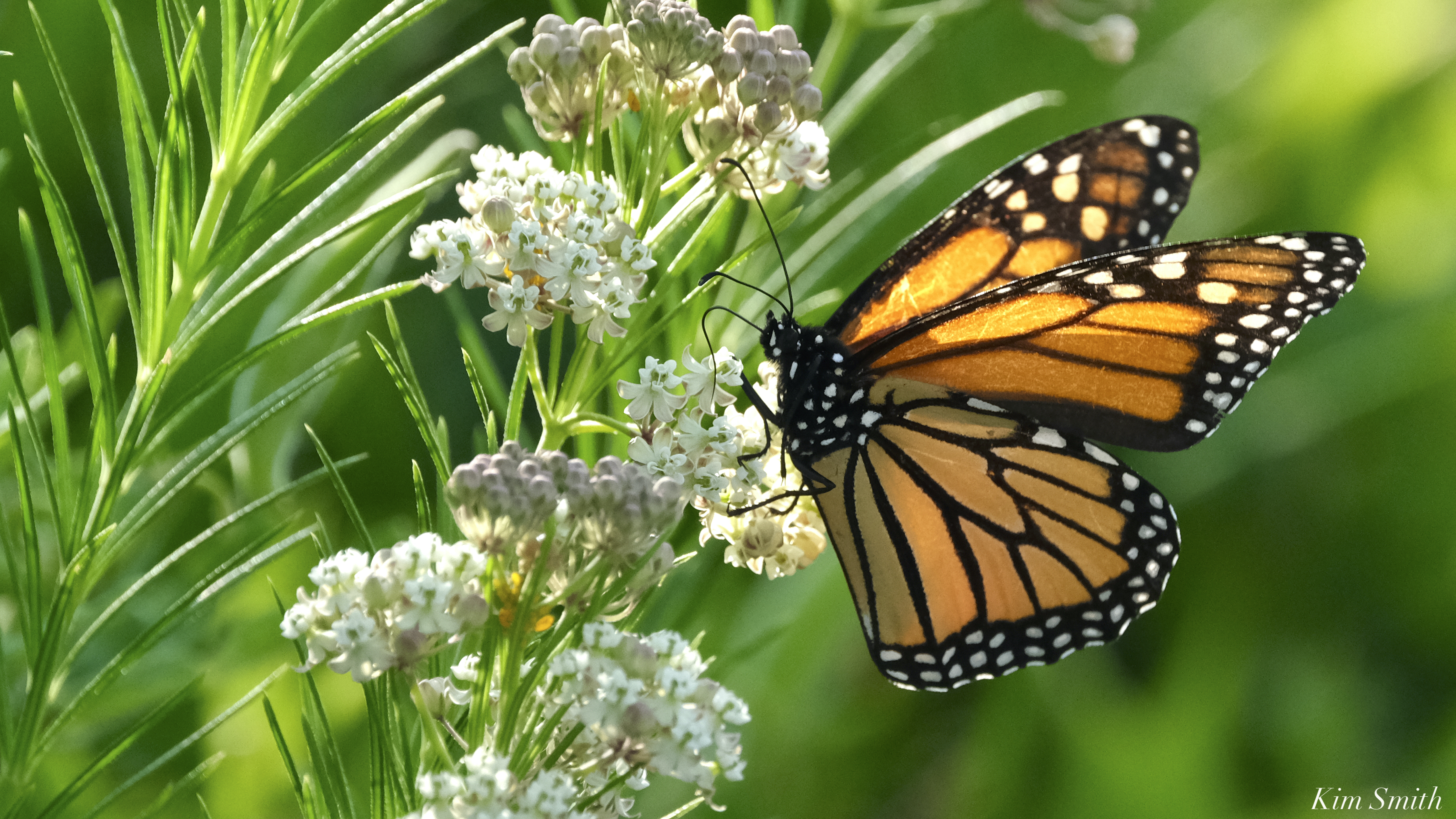
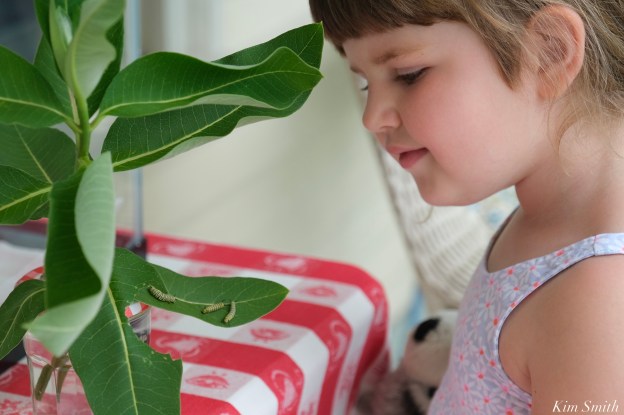
As I am in the midst of organizing new projects, And thinking about spring and gardens, I came across this short film that I made several years ago for a kid’s program at the Sawyer Free Library. The film was created for a young audience and shows how kids can ethically raise Monarchs. The only advice i would change is to place the terrarium where it will receive natural light, but not strong direct sunlight. Plant and they will come!
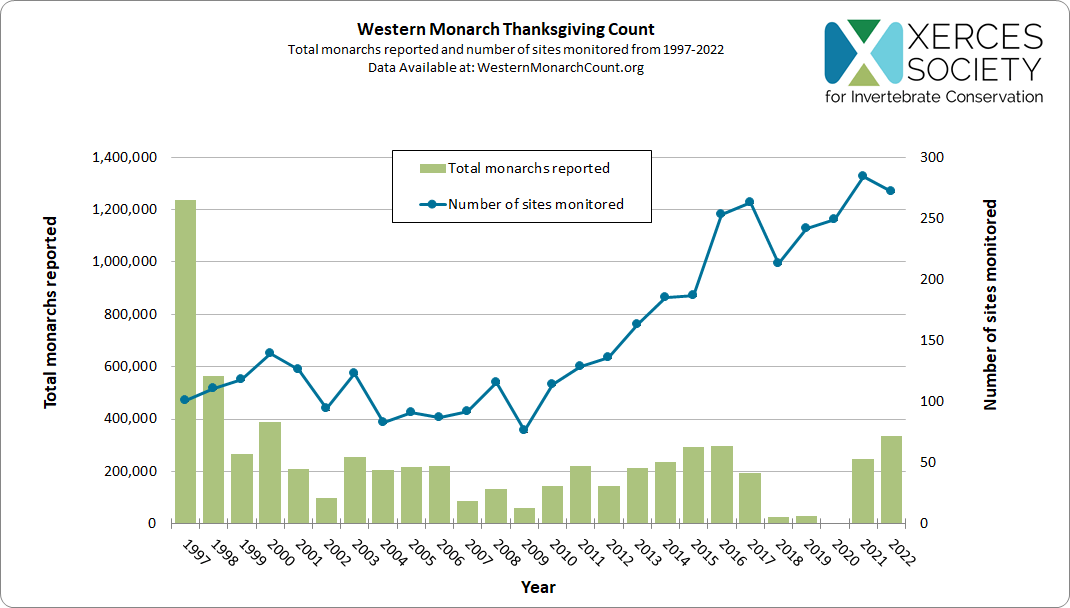
A very brief Monarch population status update – For the second year in a row, the Western Monarch population is seeing an uptick in numbers. The population is at roughly at 335,000, up from the historic low of only 2,000 counted in 2020. Two years of relatively good numbers gives us all hope the Western population can be saved.
It appears as though the Eastern Monarch population is not doing quite as well as last year. The final count for the winter of 2022- 2023 is not yet in. We’ll check back in on that count as soon as the graph becomes available.
Sunday afternoon, I’ll be screening Beauty on the Wing at the New Providence Memorial Library in New Jersey. New Providence is only about 20 minutes from my Mom and Aunt’s childhood home and it was at my Grandmother’s gardens where I first fell in love with the natural world.
I am also super excited to share that we will be screening Beauty on the Wing for school children (and grownups) across Prince Edward County on June 23rd. Prince Edward County in on Lake Ontario and is a late summer gathering point for Monarchs before crossing the Lake into the US. The entire long point peninsula on the South Shore of Prince Edward County is a designated International Monarch Butterfly Reserve (established in1995).
“The land area of the IBA (editor’s note- Canadian acronym for Important Bird Areas) is comprised of shallow soil over limestone bedrock with areas of alvar habitat. Much of the habitat consists of old field (savannah) and shrub thickets, with small deciduous and coniferous forests being present. In addition to several natural wetlands, the IBA contains two large wetland areas created after berm construction by Ducks Unlimited. The IBA is important for concentrations of migrating birds, bats and butterflies and also supports several rare vascular plants including Four-leaved Milkweed, Butternut, Bicknell’s Sedge, Short-stalked Chickweed, Brainerd’s Hawthorn, Limestone Hedge-hyssop, Green Arrow-arum, White-tinged Sedge, Eastern Few-fruited Sedge, Ram’s-head Lady’s-slipper, and Carolina Whitlow-grass. Largely undisturbed sites are important to ensure survival of these plants.”
The PEC south shore is also home to the Prince Edward Point Bird Observatory, where a diverse and extraordinary number of birds concentrate during migration.
Climate concerns growing for the future of many migratory species.
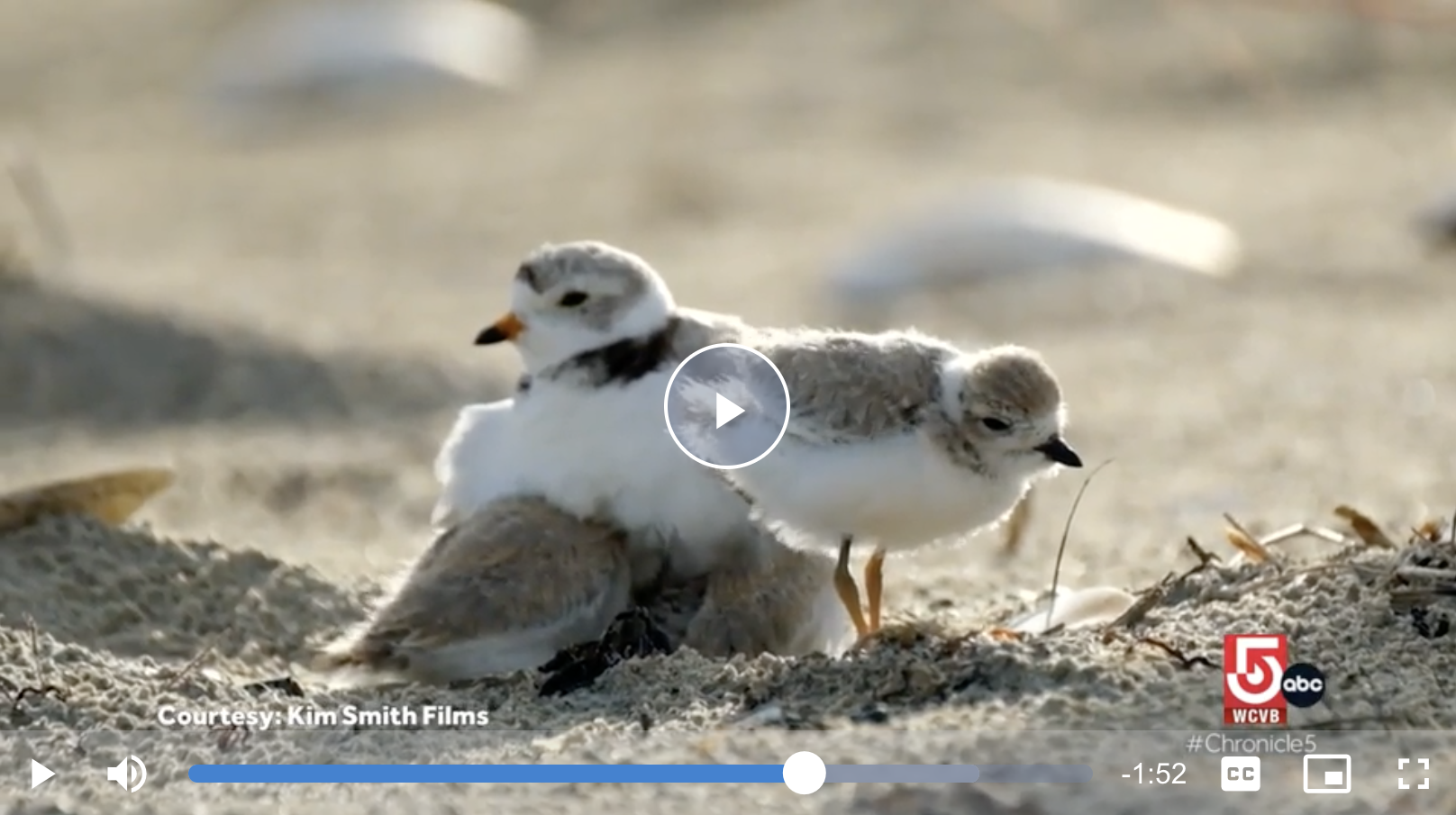
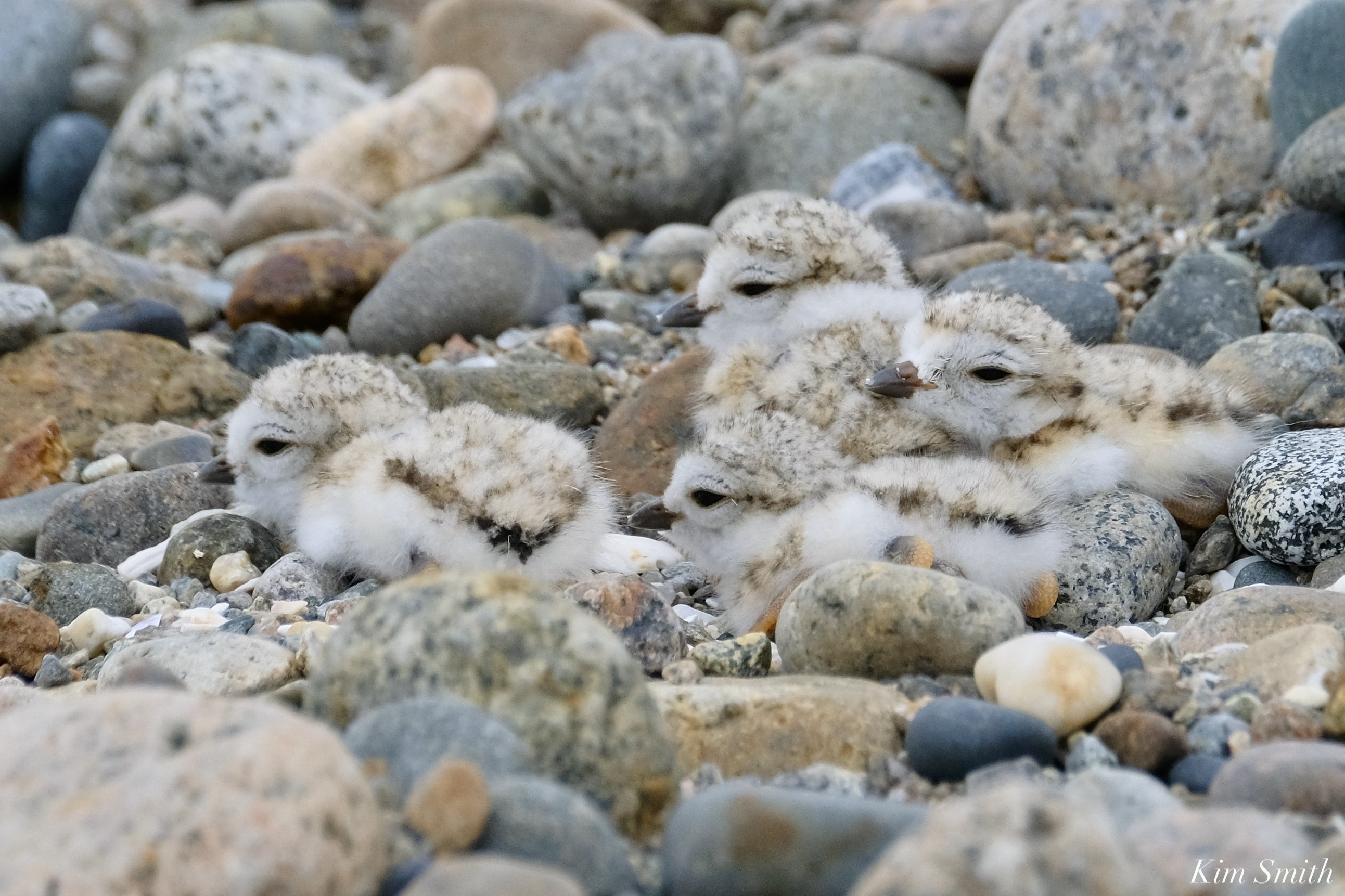
We travel all over coastal Massachusetts to learn about a few local “indicator species,” which can help explain the impact of climate change. Award-winning documentarian Kim Smith tells us the story of piping plovers breeding in Massachusetts.
Our beloved Piping Plovers and Monarchs are going to be featured on an episode of Chronicle this evening. “Wildlife Worries” is devoted entirely to indicator species including not only Monarchs and PiPls, but also Whimbrels, tiny terrapins, and more. The show airs tonight at 7:30pm on Chronicle, WCVB, channel 5.
Several months ago, I met with the outstanding Chronicle producer, Sangita Chandra, and the show’s stellar videographer, Jennifer Platt-Ure. Originally Sangita was looking for footage of Monarchs and PiPls, but then decided to include an interview from a filmmaker’s perspective. The interview was filmed at Winthrop Shores Reservation as it was a convenient location, and also the charming cafe, Piccolo Piatti. It was a joy working with Sangita as she has a keen interest in wildlife conservation. The show promises to be wonderfully educational. I can’t wait to watch the part about the whimsical Whimbrels and turtles, in addition to the PiPls and butterflies!
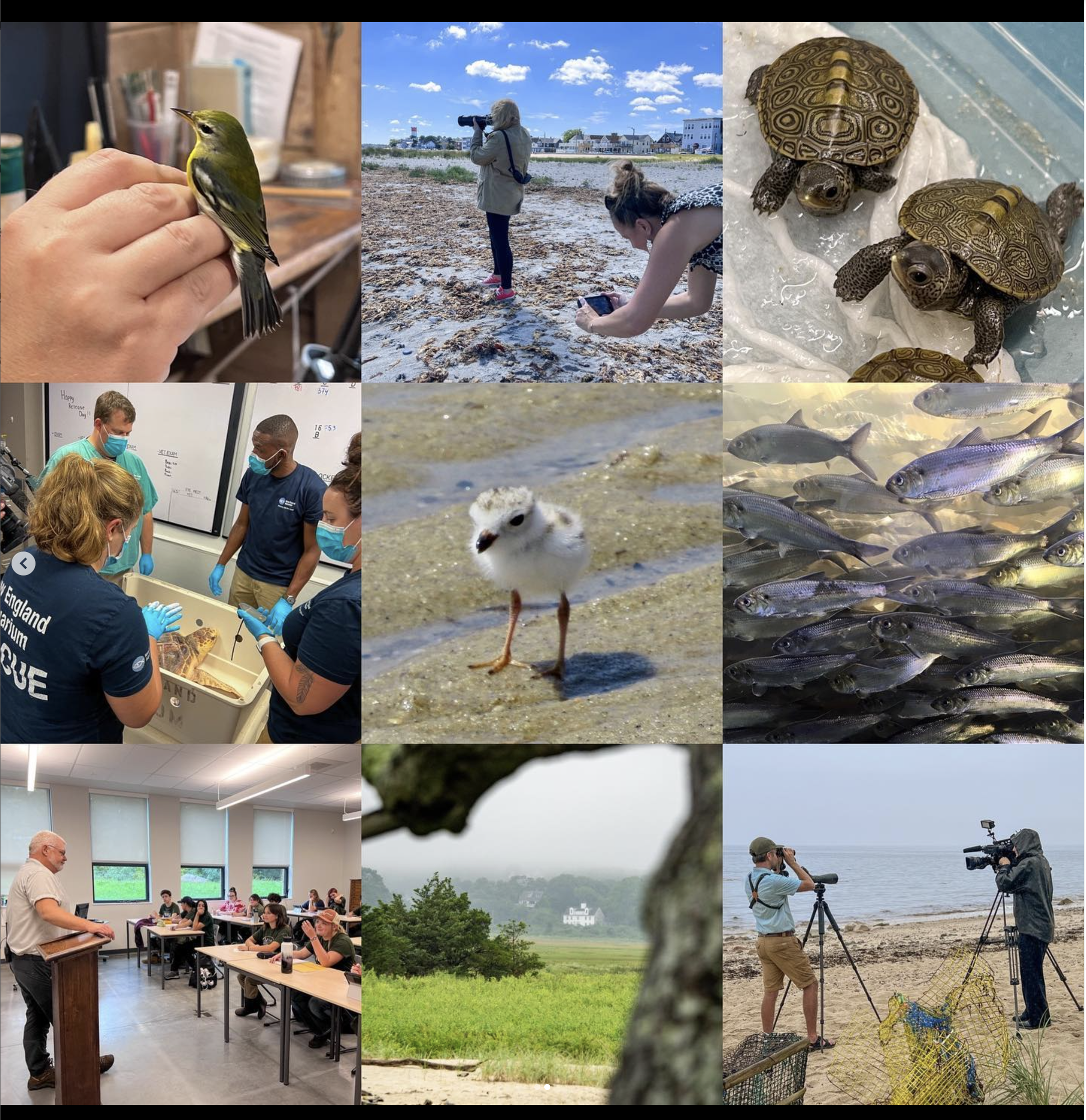
Chronicle writes, “New England wouldn’t be New England without the shore birds, butterflies, and turtles that spend part of the year here. These and other local creatures are considered ‘indicator species’ that also help us understand the impact of habitat loss and climate change. Tonight we get up close to giant sea turtles and tiny terrapins, whimbrels and piping plovers, and meet the people committed to protecting them.” . Included in that group – a park ranger who raises butterflies, a documentary filmmaker, and high schoolers studying river herring. Many thanks to our videography team – Bob Oliver, Jennifer Platt-Ure, and Rich Ward and to editor Ellen Boyce. Hope you enjoy the program!
Please join me Thursday, August 18th, at 10am at Essex’s T.O.H.P. Burnham Library for a free all ages (5 plus) Monarch Butterfly event, The Marvelous Magnificent Migrating Monarch. To register, please GO HERE
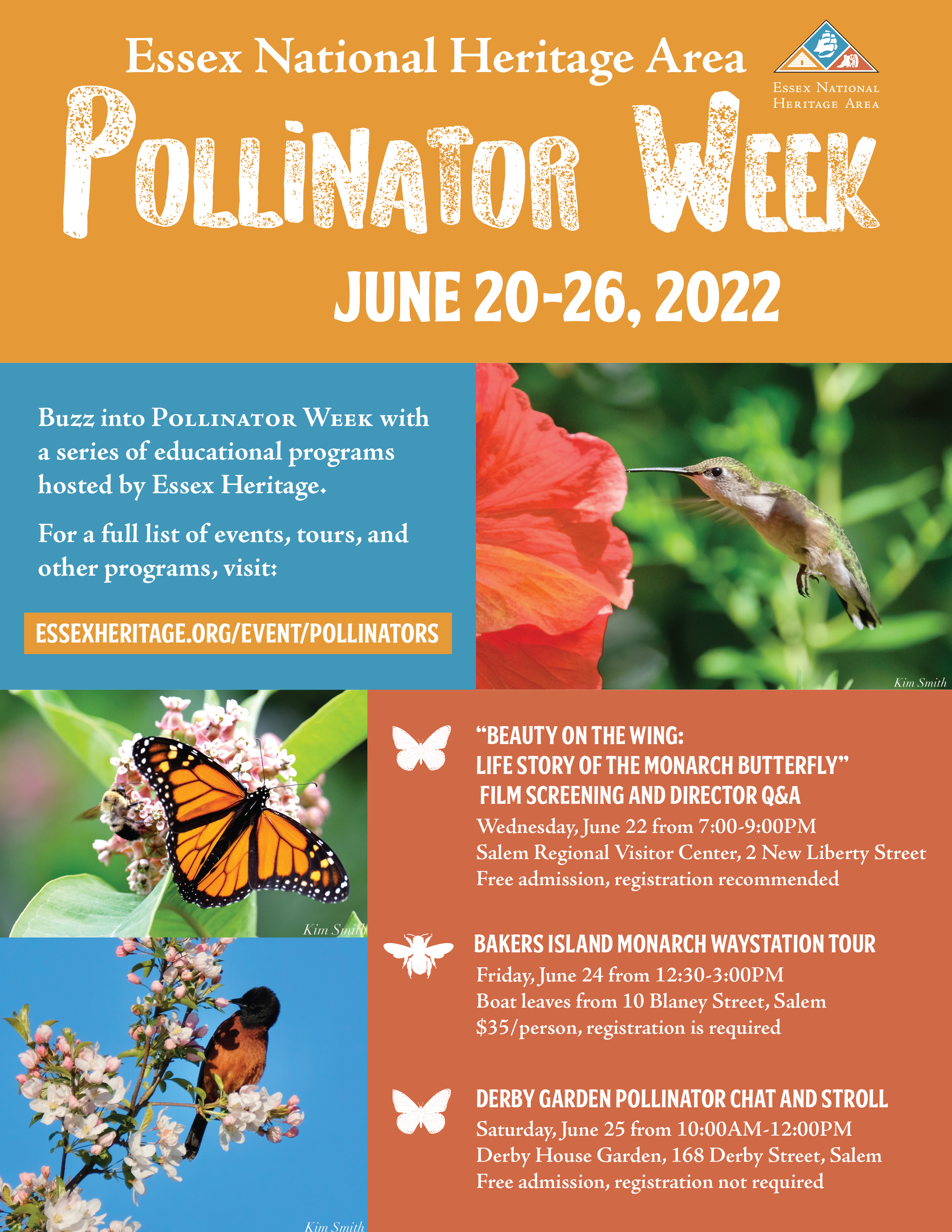
Super fun news to share and please save the date – Essex National Heritage is hosting a week of events for National Pollinator Week, which takes place June 20th through June 26th. We have been invited to present a LIVE screening and Q and A of Beauty on the Wing: Life Story of the Monarch Butterfly on June 22, from 7pm to 9pm at the Salem Visitor Center.
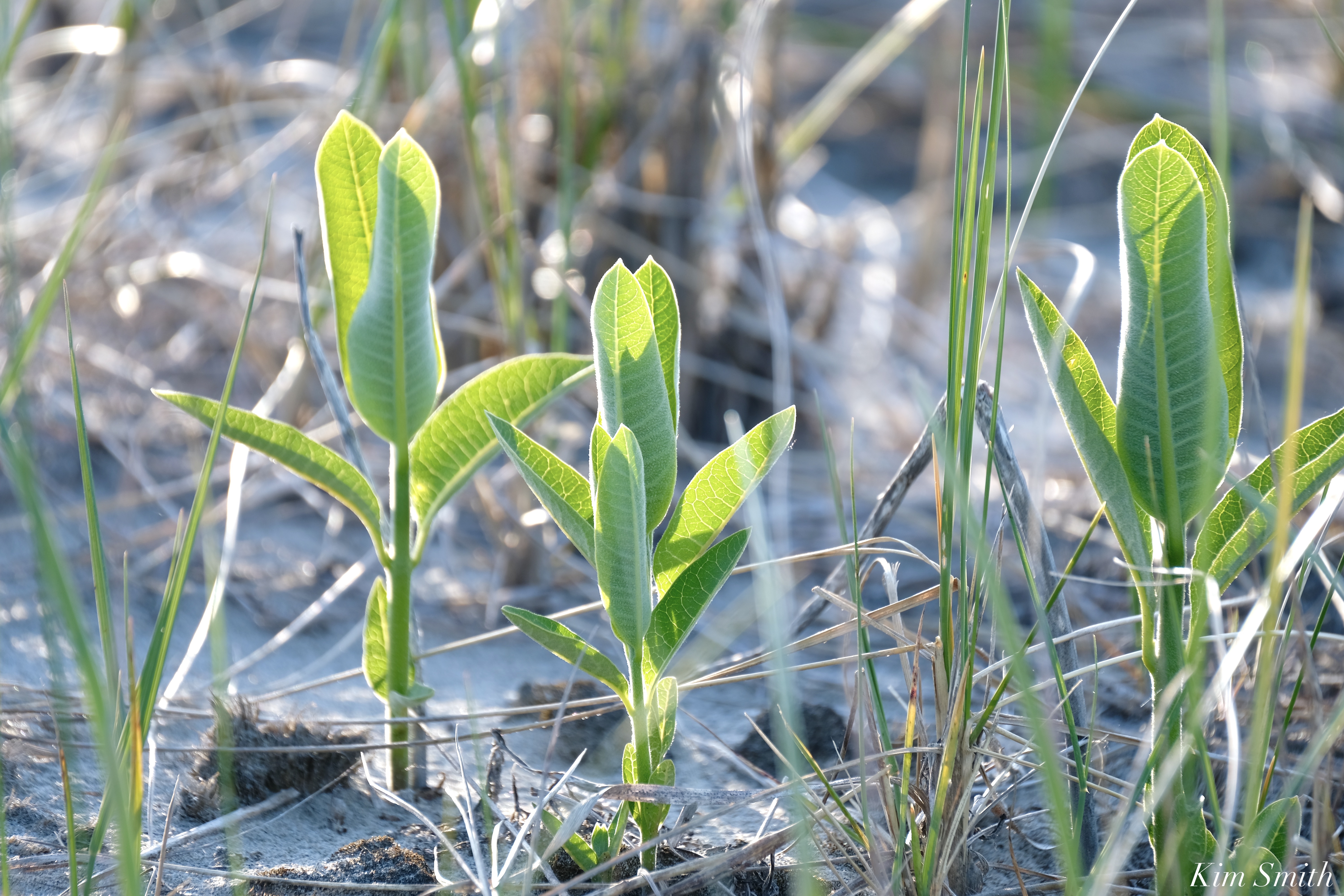
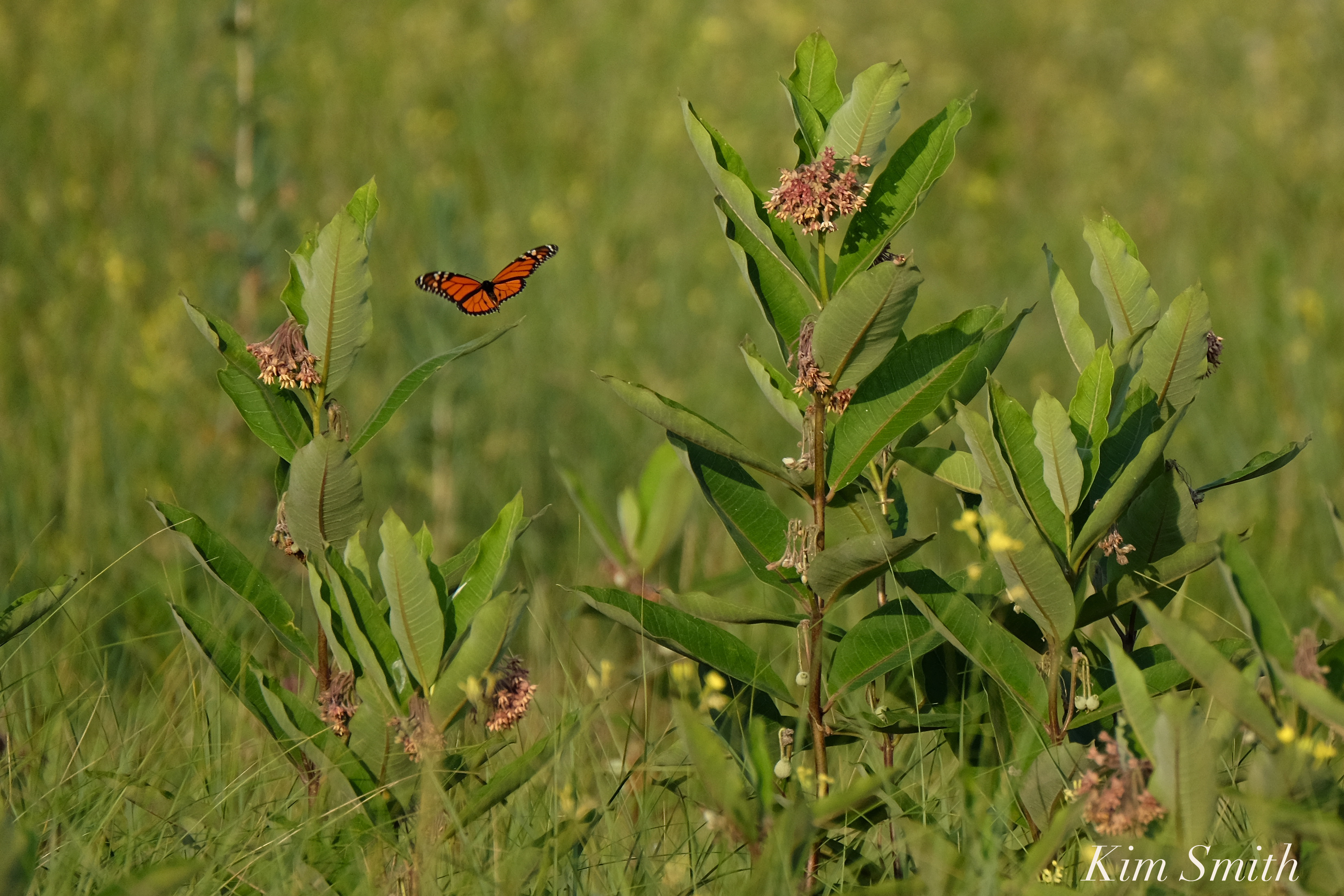
Happy news to share – Beauty on the Wing is nominated for an award at the Santa Barbara Film Festival And we saw our first Monarchs this week, one at Good Harbor Beach flitting through the dunes and a second at Cox Reservation. There is TONS of Common Milkweed (Asclepias syriaca) emerging at Good Harbor Beach currently ❤
Super great news update from my friend and American Public Television Vice President Judy. She shares that since our documentary premiered a month ago, Beauty on the Wing has been broadcast 276 times, reaching 48.95 percent of the UStv households. She thinks we will have even greater activity in April because of programming centered around Earth Day! We have received emails and messages from viewers around the country, many inspired to create a Monarch habitat.
With thanks and gratitude to our many generous contributors, without whose help this film would not have been possible.
To the lovely woman in Idaho whose name I think is Shelly – if you are reading this – I accidentally deleted your note but would be happy to advise you on how to establish a Monarch habitat at your field. Please feel free to email so we can connect. Thank you!

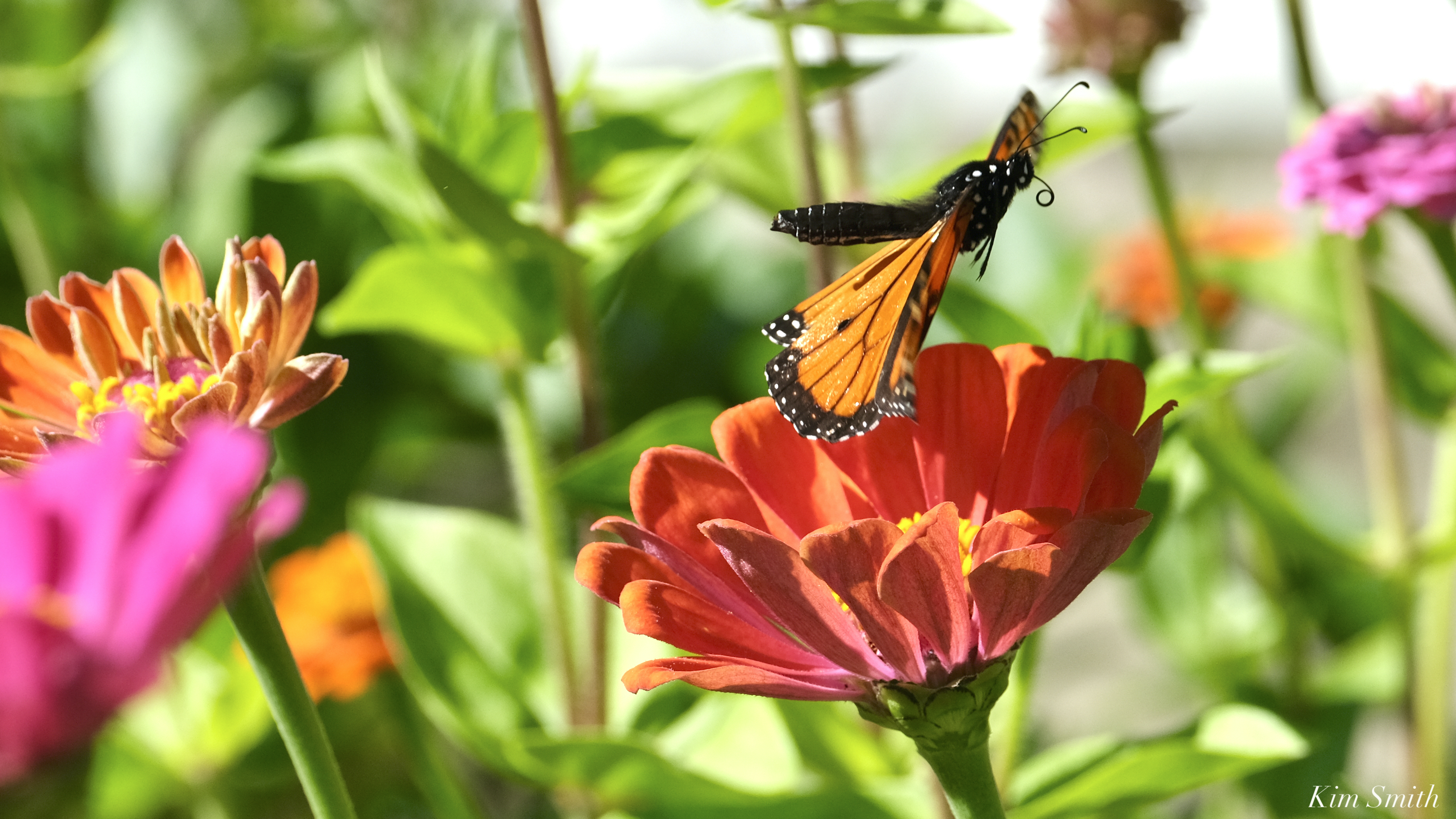
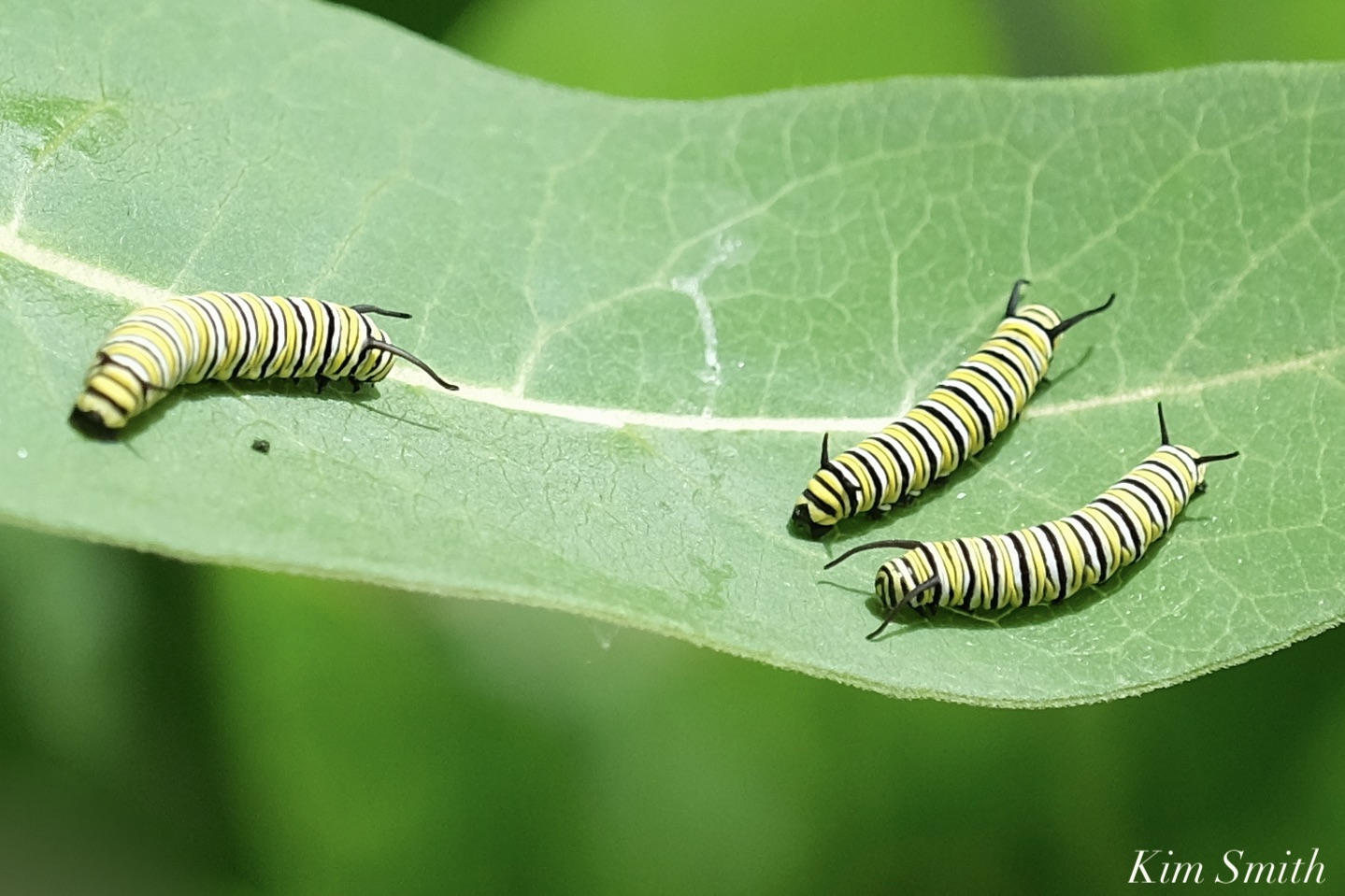
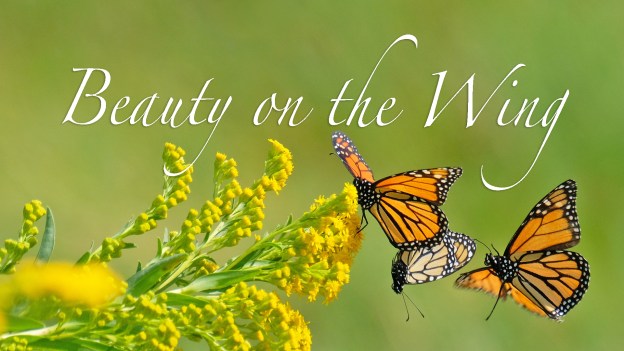



 Beauty on the Wing