Tag Archives: Native Plants

COMMUNITY MILKWEED SEED POD PROJECT FOR THE POLLINATORS!

MILKWEED SEED COLLECTION AND DISTRIBUTION PROJECT SUNDAY OCTOBER 15TH

Collect ripe milkweed seed pods (only Common Milkweed and Marsh Milkweed please). Place in a paper bag, not plastic, as plastic can cause the seed pods to become damp and moldy.

Bring seedpods to Captain Joe and Sons on Sunday morning between 10:30 and noon. Captain Joes is located at 95 East Main Street, East Gloucester.

If you’d like to distribute seeds, meet at the dock between 10:30 and noon and I will show you what to do.

NOTE: It is easy to tell when milkweed seedpods are ripe. The seeds inside turn brown. Do not collect the pods when the seeds are white or green. If you pick them too soon, they will never be viable. You can check the seed pods by slitting the pod a tiny bit and peeking inside.

Any questions, please comment in the comment section or email me at kimsmithdesigns@hotmail.com. Thank you and I hope to see you Sunday morning!

To learn more about how you can help fund the documentary Beauty on the Wing and the Monarch Butterfly Film Online Fundraising event, please visit the film’s website at monarchbutterflyfilm.com.

A SPECTACULAR PAINTED LADY BUTTERFLY IRRUPTION HAPPENING RIGHT NOW!

The sheer number of Painted Ladies migrating are stealing some of the Monarchs thunder!

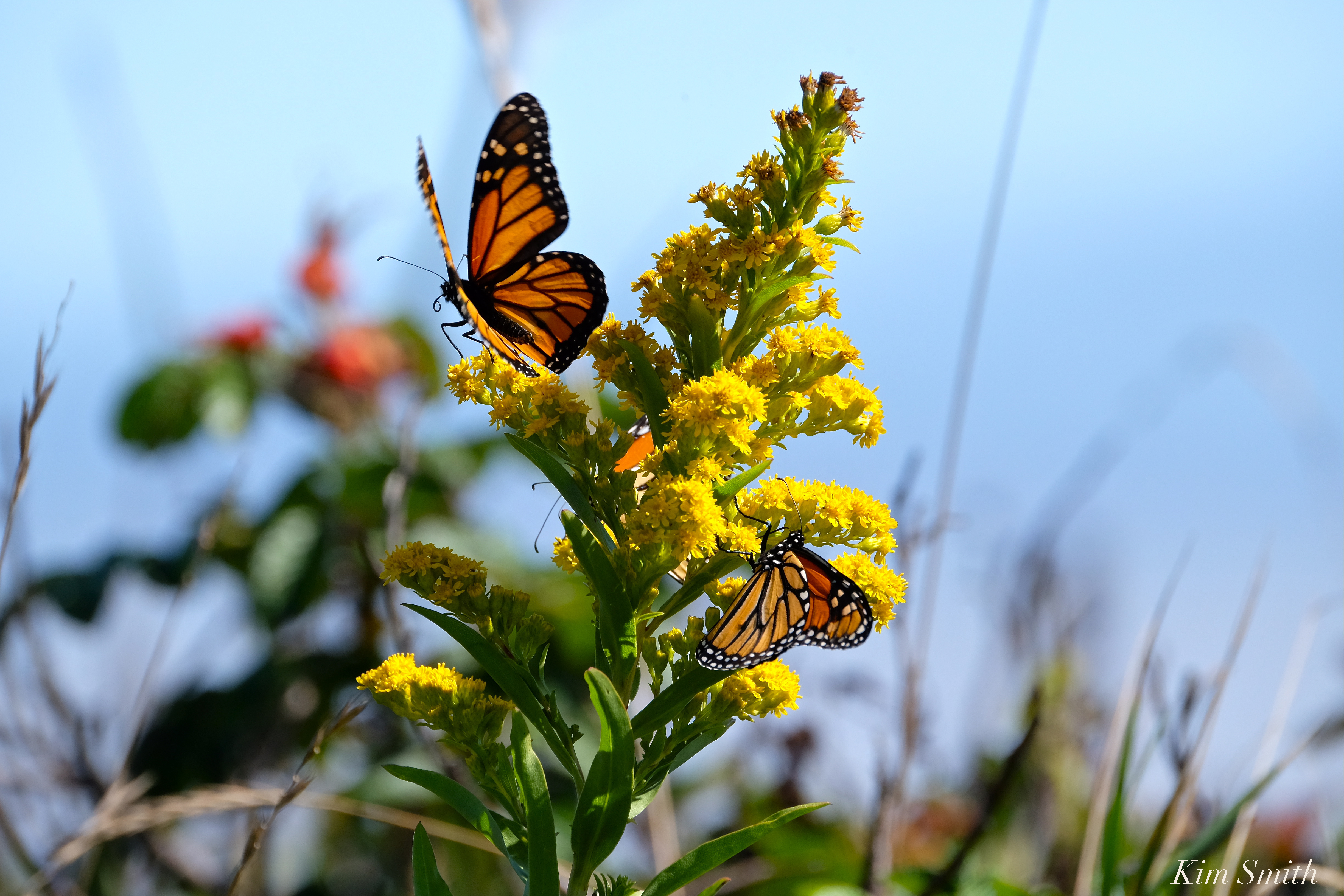
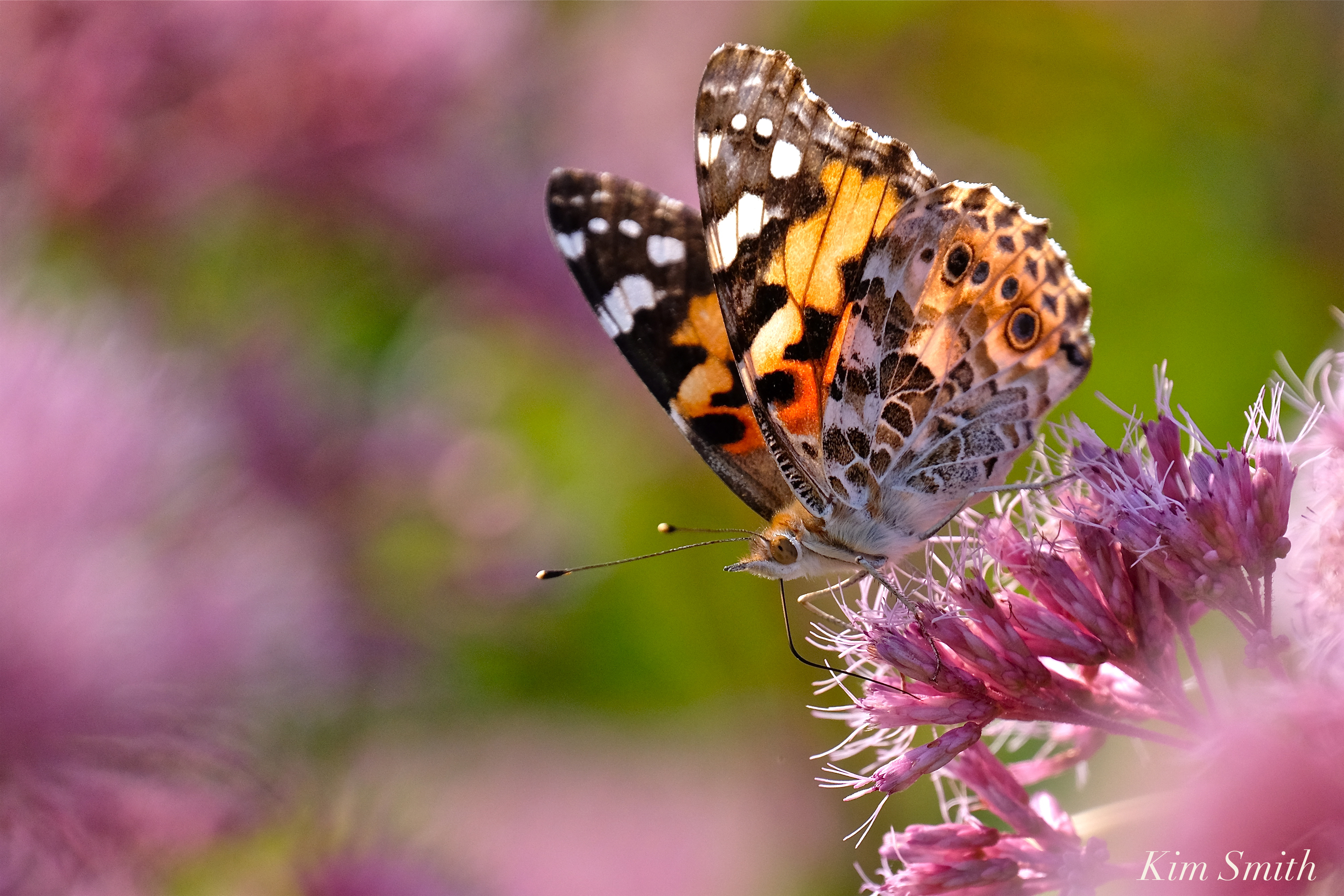
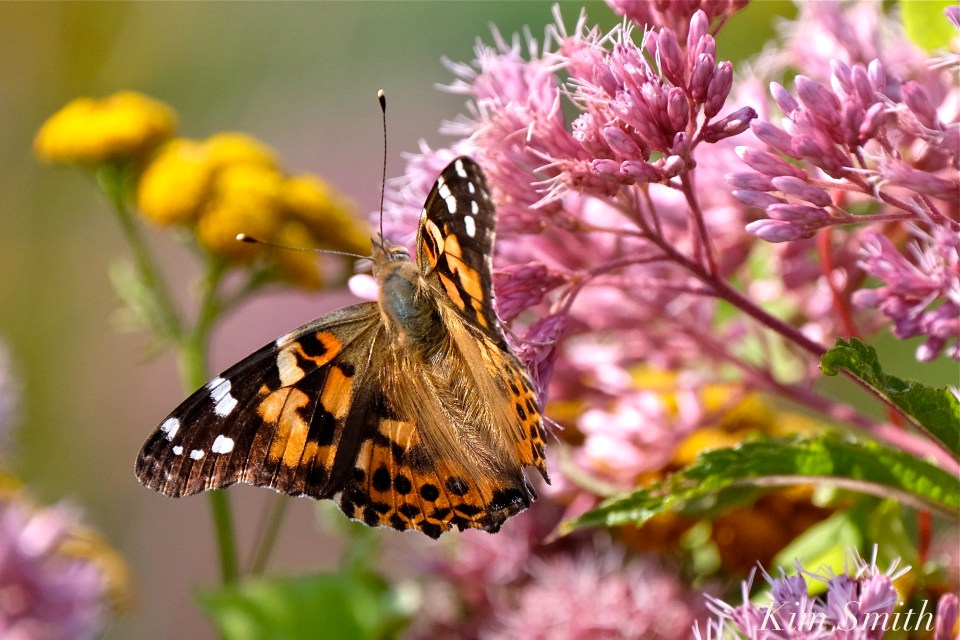
Many readers have written inquiring about the beautiful butterflies with wings in a tapestry of brilliant orange, brown, black, gold, and blue. Painted Ladies (Vanessa cardui) are often confused with Monarch butterflies, especially during the late summer. Both are currently migrating and you will often see the two species drinking nectar side-by-side.

As do Monarchs, Painted Ladies depart from Mexico to begin their northward migration in springtime. Both Monarchs and Painted Ladies belong to the brush-foot family (Nymphalidae) and can only survive in warm climates.

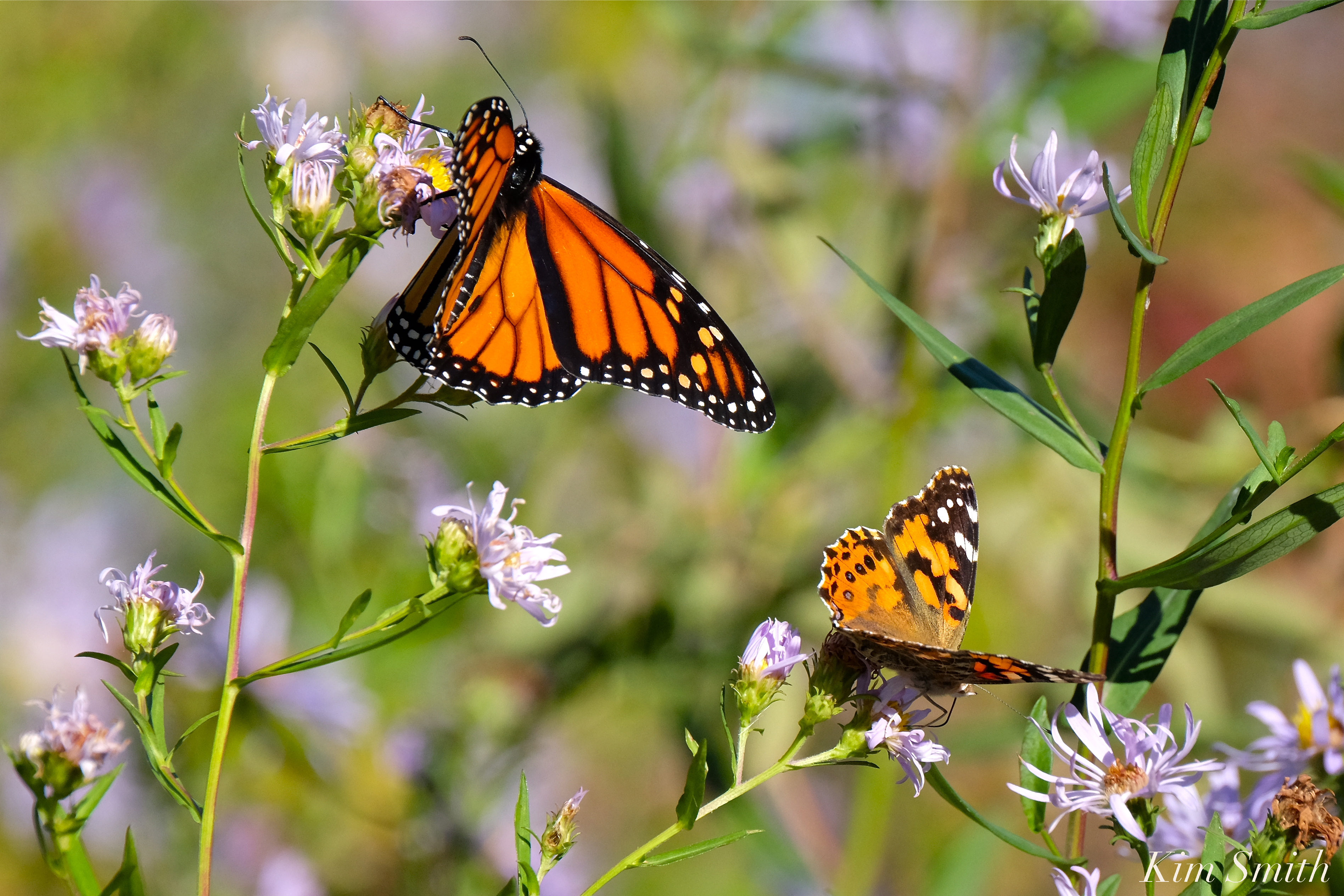
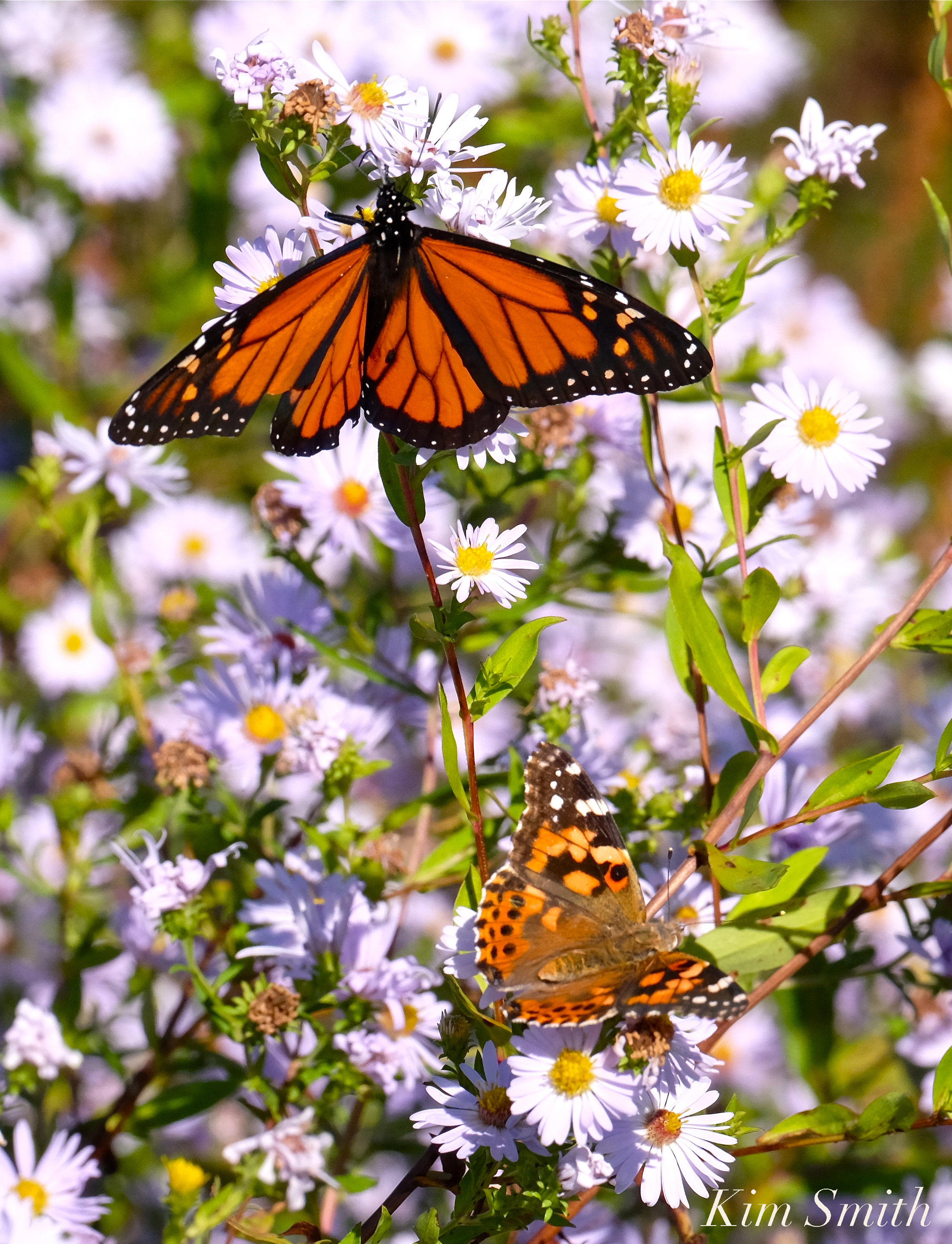
Monarch Butterfly, top, and Painted Lady bottom. Note that the Painted Lady is about half the size of the Monarch.

Sightings from the midwest recorded large numbers early in the season, and 2017 has proven to be an outstanding year for this most successful of butterflies. The Painted Lady is also nicknamed the “Cosmopolitan” butterfly because it is the most widespread butterfly in the world.

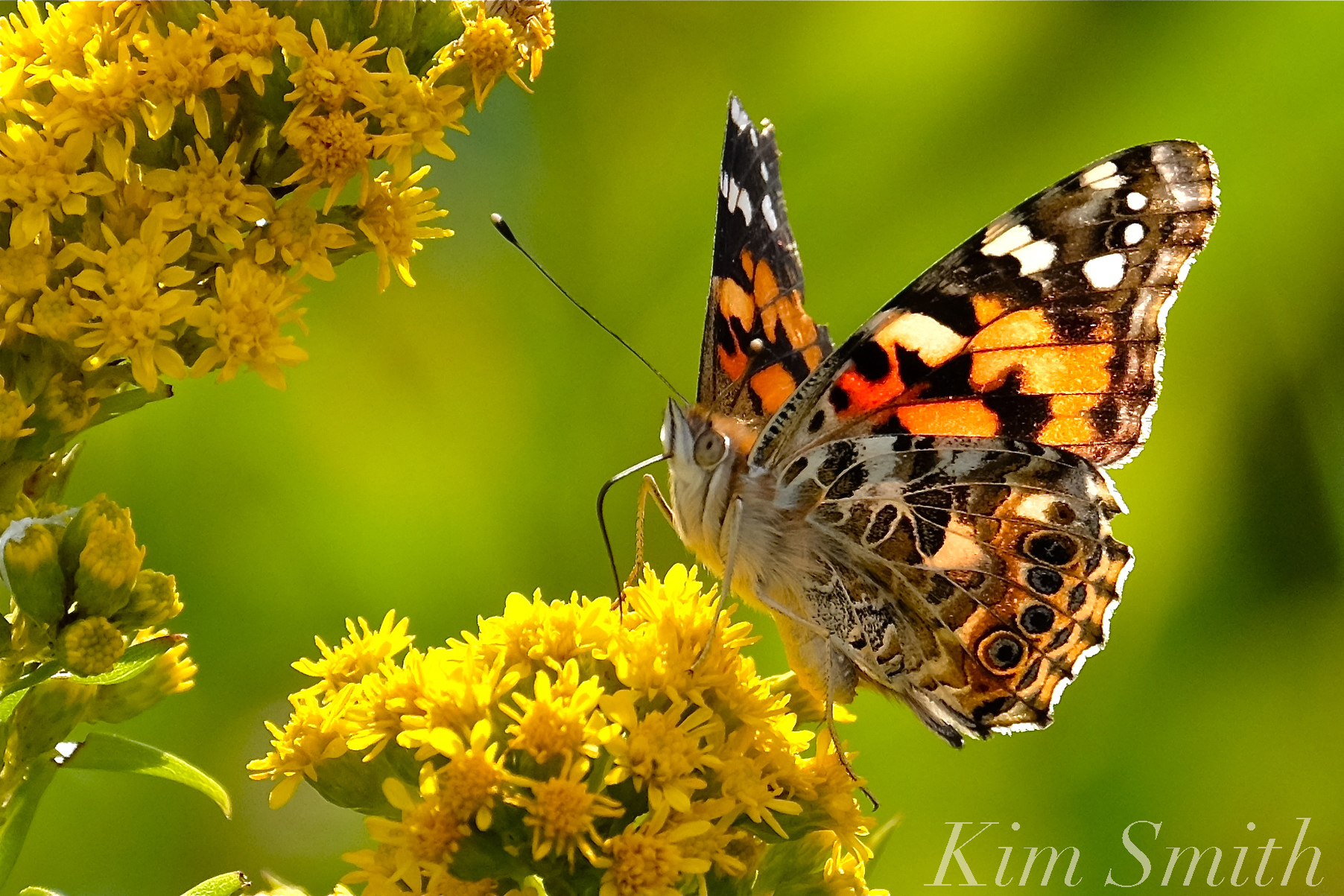
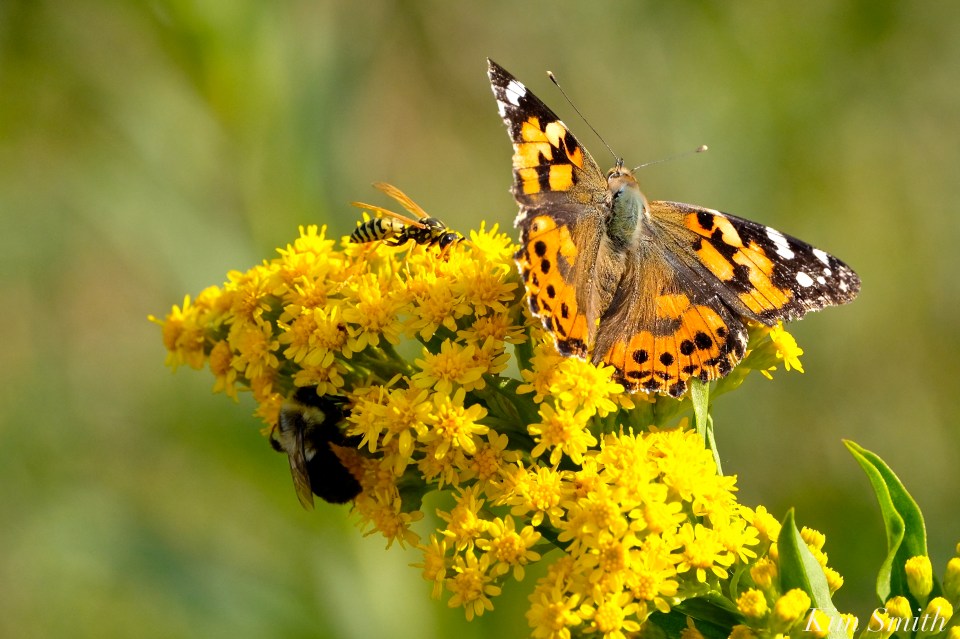
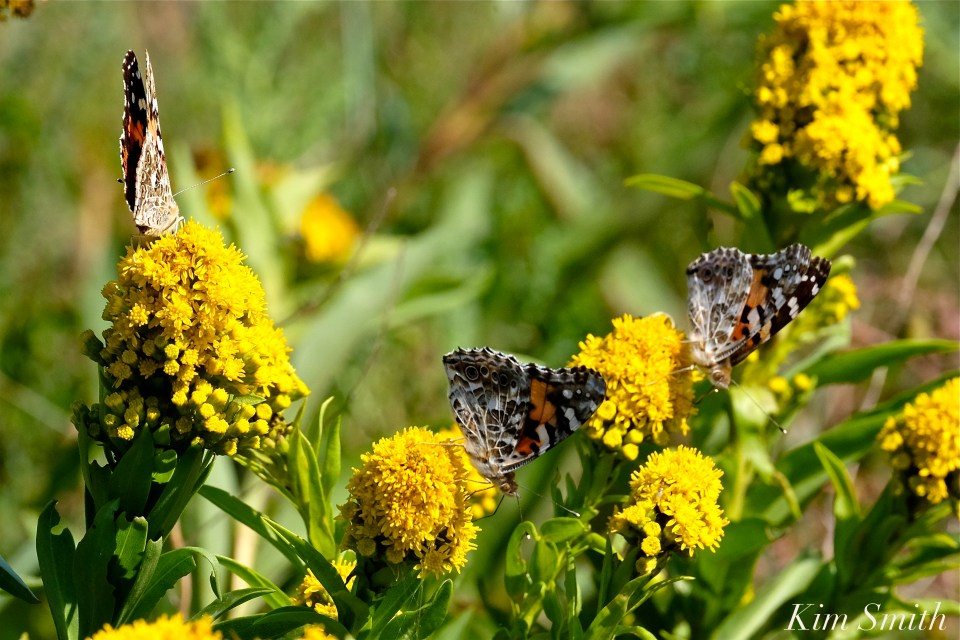
Painted Lady drinking nectar from the Seaside Goldenrod at the Gloucester HarborWalk

One reason we may possibly be experiencing a Painted Lady irruption in North America is because a rainy spring in the south was followed by a fabulous bloom of dessert annuals that provided abundant food plants for the caterpillars. Unlike Monarch butterflies, which will only deposit their eggs on members of the milkweed family (Asclepias), Painted Lady caterpillars eat a wide range of plants. More than 300 host plants have been noted; favorites include thistles, yarrow, Pearly Everlasting, Common Sunflower (Asteraceae), Hollyhock and many mallows (Malvaceae), various legumes (Fabaceae) along with members of Boraginaceae, Plantaginaceae, and Urticaceae.

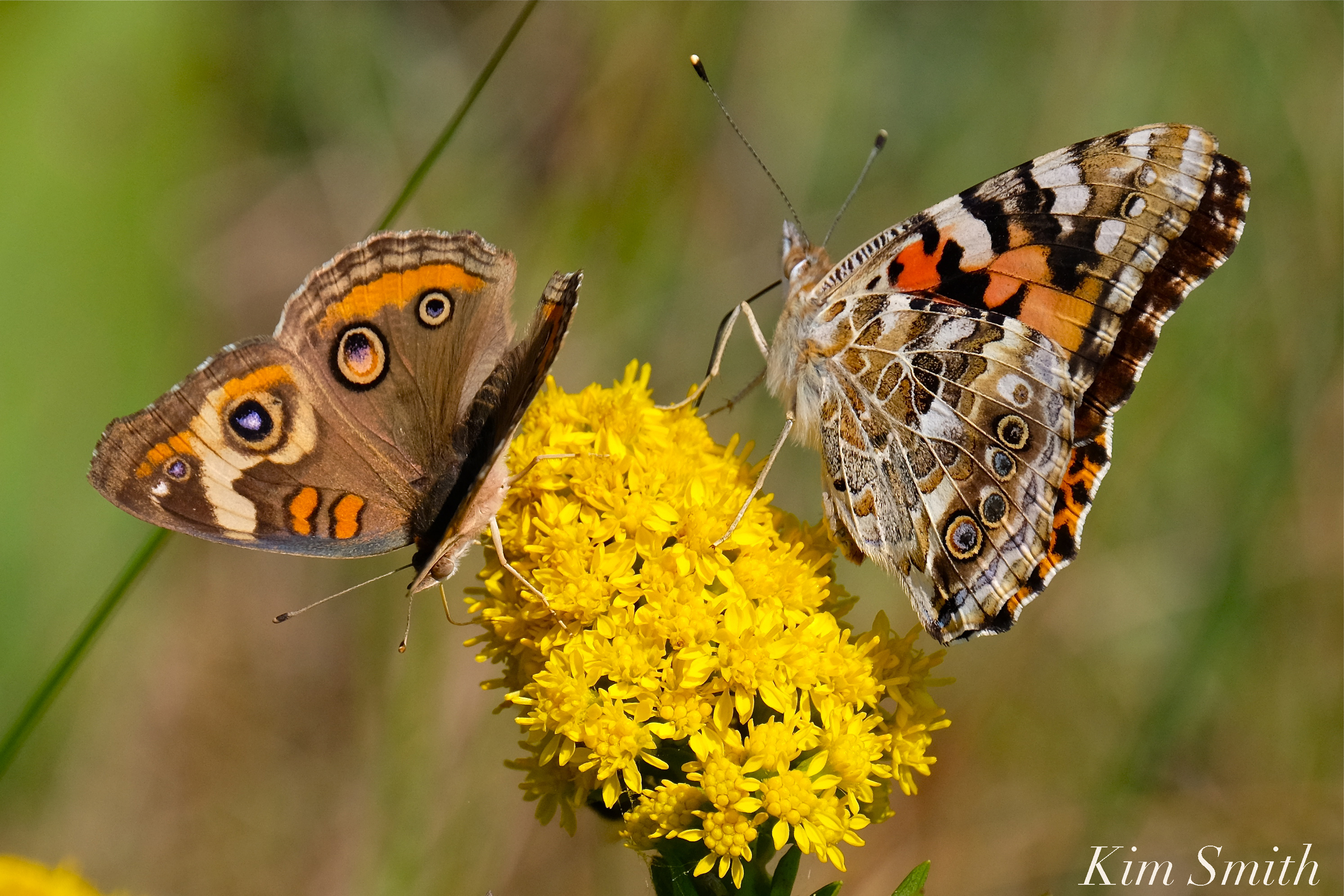
Common Buckeye and Painted Lady Nectaring at the Seaside Goldenrod at the Gloucester HarborWalk  

Much, much more remains to be discovered about the beautiful Painted Lady, its habits and how their behavior and seasonal distribution varies by geographic location.

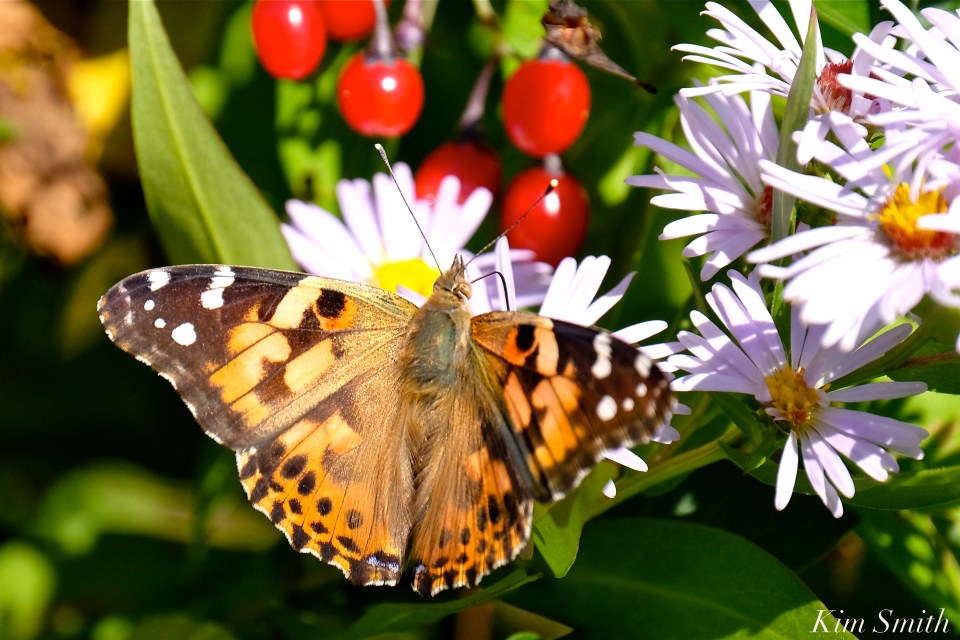
Painted Lady Drinking Nectar from the Purple-stemmed Aster

PATTI’S CATTIES AND OTHER TALES FROM THE PAPOWS BEAUTIFUL GARDEN

My friend Patti Papows very thoughtfully invited me to come film and take photos in her gorgeous garden, especially her milkweed patch. Patti purchased milkweed plants from our Cape Ann Milkweed Project several years ago, both the Common and Marsh Milkweed that we offered.

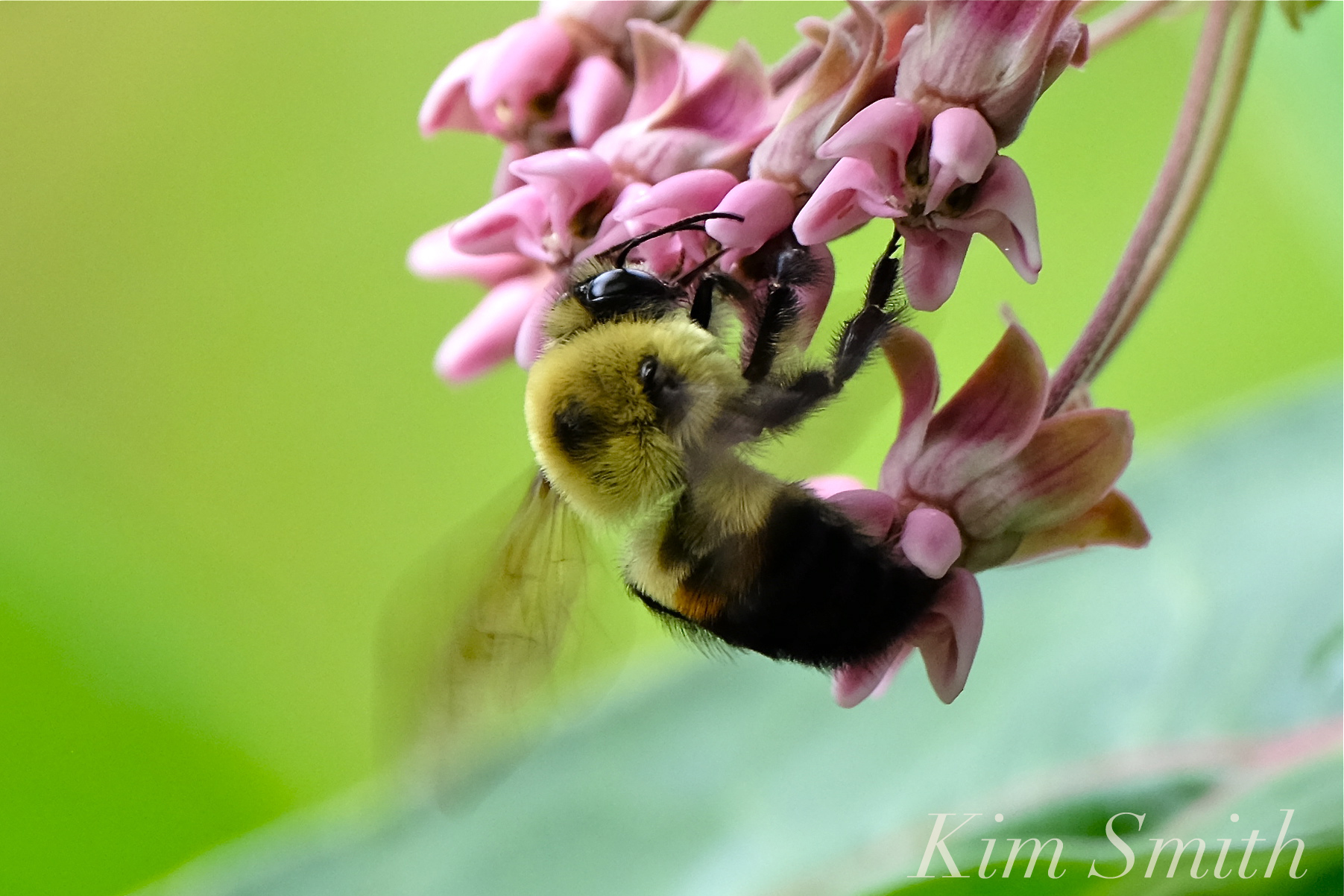
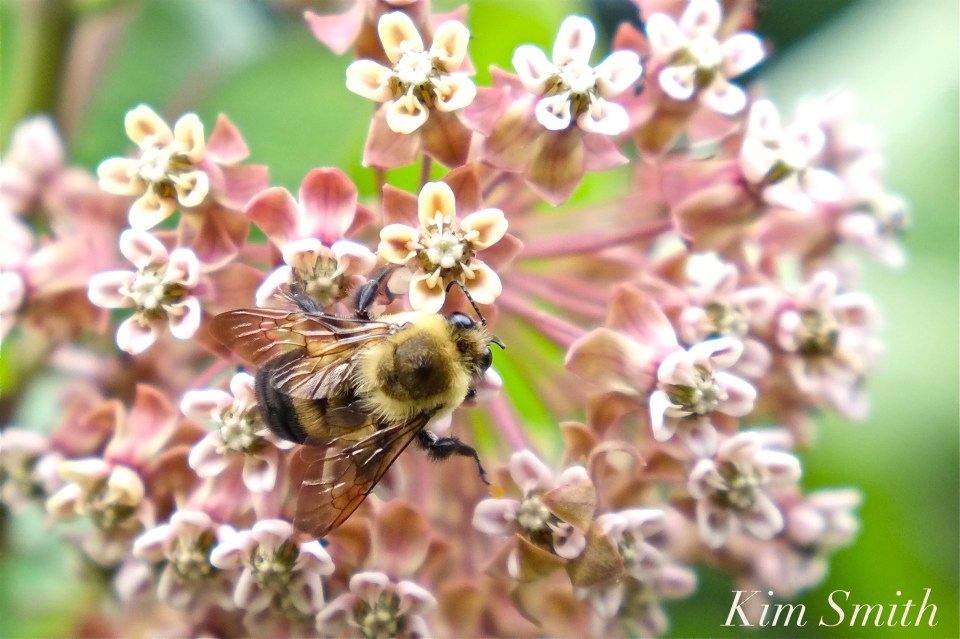
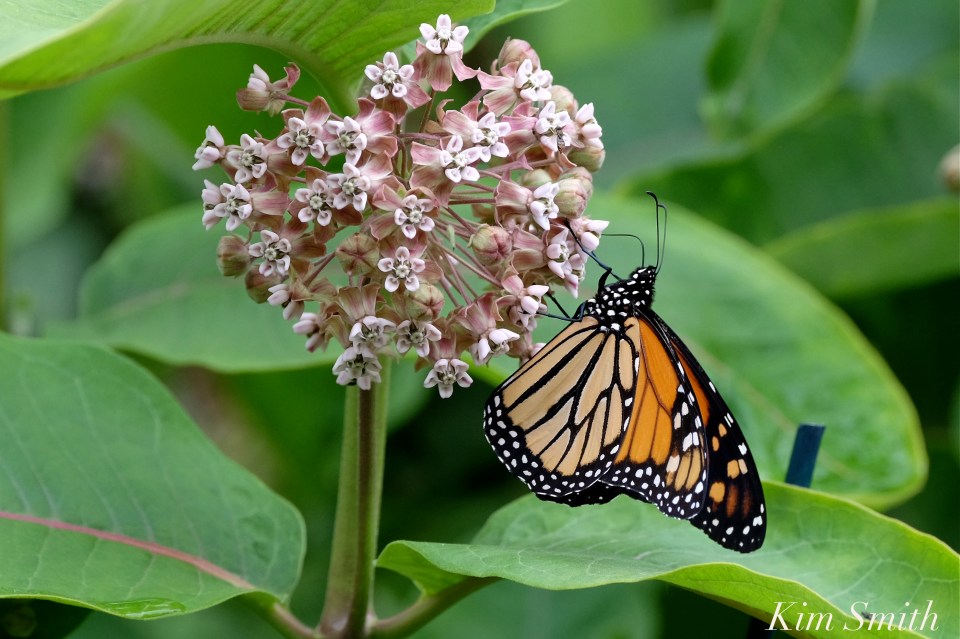
Patti’s Common Milkweed has really taken off this year. The plants are about five feet tall, lush and healthy, and bursting with sweetly fragrant blossoms. The Monarchs are daily visitors, coming not by the ones and twos, but by the dozen. Not only are her milkweed blossoms beckoning to the Monarchs, but the plants are also attracting every bee species imaginable found in a Cape Ann garden, as well as myriad other pollinating insects.

I showed Patti how to find Monarch caterpillars. She found three in about three minutes; we weren’t even trying that hard! They are safer from spiders in my terrariums, so I brought her tiny caterpillars home where they are developing nicely alongside a dozen Monarch eggs. These eggs were discovered in my garden, and at the Common Milkweed plants growing along the edges of the Good Harbor Beach parking lot.

https://www.instagram.com/p/BW7y-ywl3kb/


Patti’s patch of native high bush blueberries attracts loads of Catbirds, and dozens more species of songbirds and small mammals. This morning the foliage made a perfect perch for a male Monarch butterfly.

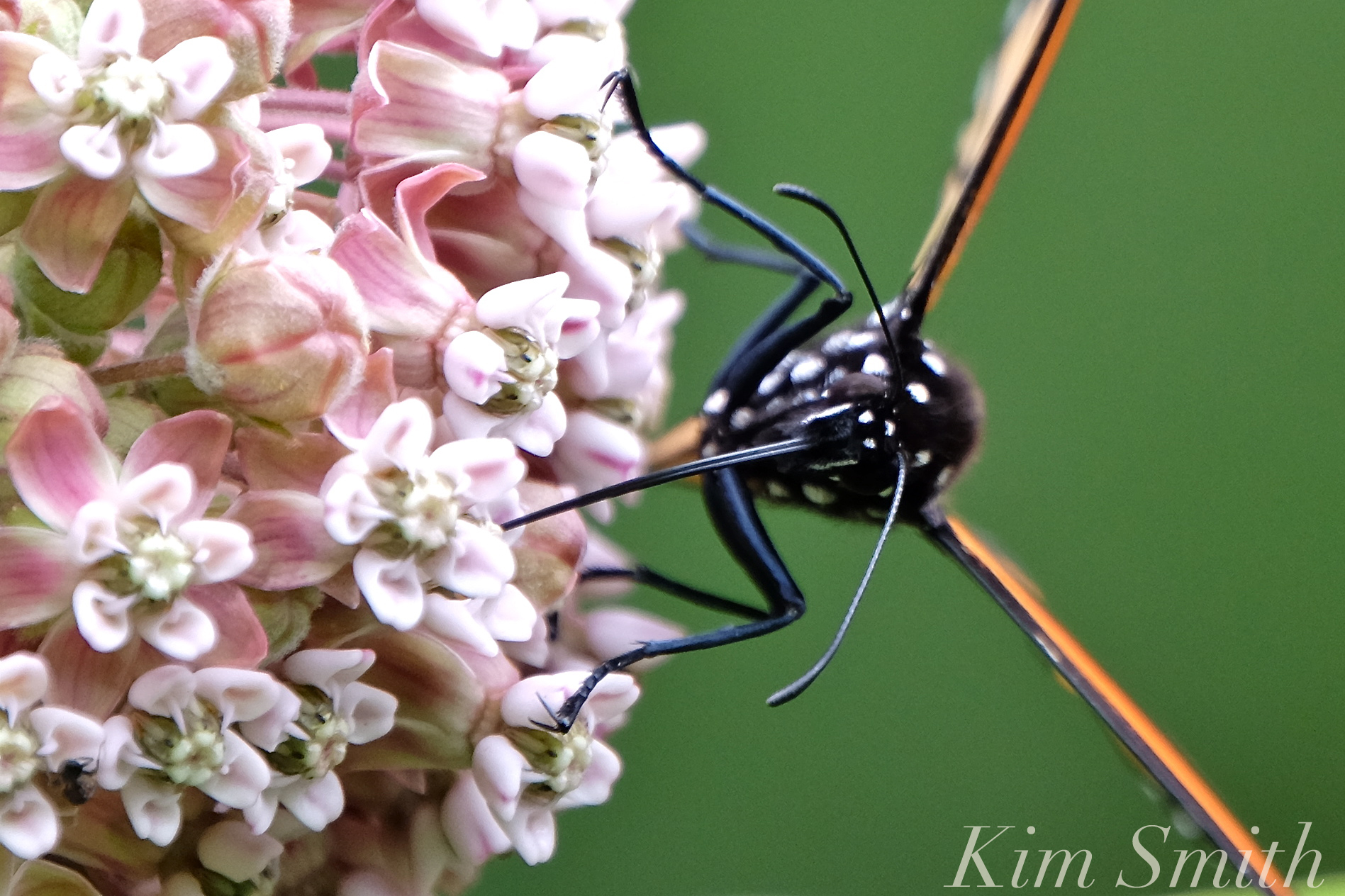
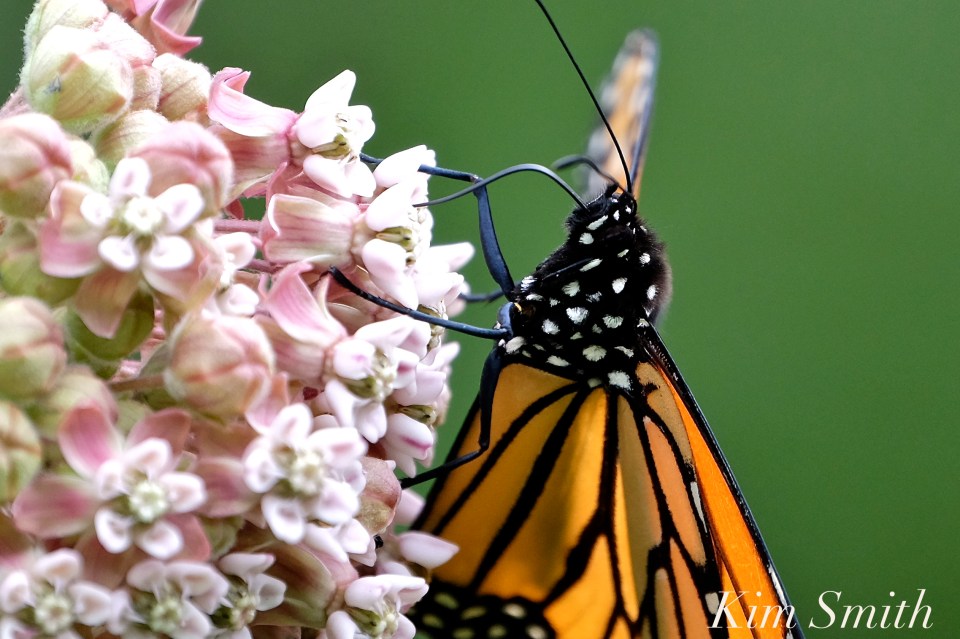
In the above photo you can clearly see the Monarch’s two-part tubular drinking straw, called a proboscis. The Monarch is probing deep into the Milkweed floret for a sip of sweet nectar.

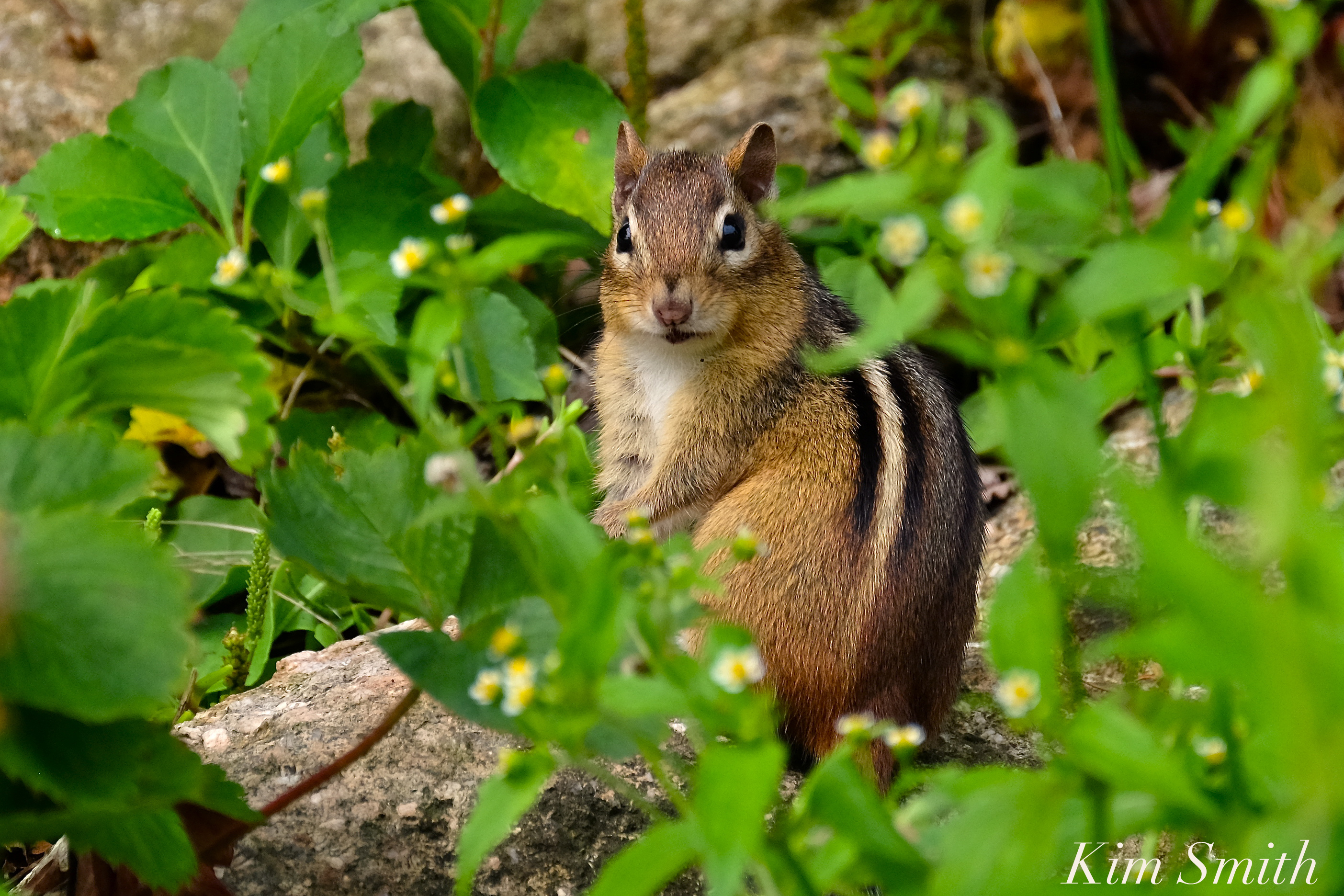
Who, me? I’m innocent! Chipmunk snacking at the buffet-of-plenty in Patti’s garden. 

Patti placed the purple chair in the midst of the milkweed patch so that visitors can enjoy being surrounded by the beautiful pollinators buzzing all around and the delightful fragrance emitted by the Common Milkweed. I tried it out and her plan worked, it is pure Heaven!

I had an absolutely wonderful morning filming and photographing, despite the limiting overcast skies, and plan to return on a sunnier day, hopefully this week while the Monarchs are here on Cape Ann busy egg-laying and pollinating our gardens!


MONARCHS HERE, THERE, AND EVERYWHERE! PLEASE REPORT YOUR MONARCH BUTTERFLY SIGHTINGS (EDITED)

Reports of Monarch Butterfly sightings are coming in from all around Cape Ann, and beyond. I have seen more this this year than in recent summers. I wonder if higher numbers in July indicates a stronger migration in September. We can hope!

At this time of year, the females are depositing the eggs of the next generation.  You can find Monarchs at wildflower meadows, dunes, and gardens, where ever milkweed and nectar-rich flora grow. Typically, the eggs and caterpillars are found on the undersides of the uppermost leaves.

If you would, please report any Monarch activity that you have seen–eggs, flight, caterpillars, nectaring, mating, whatever you discover. Please share the approximate date and place. Even if you have shared previously in a comment, I hope to keep all the sightings in one place, so please re-comment. Thank you! 

*EDIT:

Thank you everyone for writing! How exciting that so many are being spotted, many more than the past several years. One was in my garden this morning, again, and two at Good Harbor Beach dunes earlier this morning.

Adding JoeAnn Hart, Susan Burke and Michele Del, as they commented on Facebook.

Patti, do you have caterpillars?? I’d love to stop by and see.

Please keep your comments coming. Thank you!!!!

When watching, note that the first two minutes of the film were shot in Gloucester. I think you will be dazzled by the numbers of Monarchs that travel through Cape Ann’s backyards and meadows during the peak of migration.

Butterflies! at the Berkshire Museum

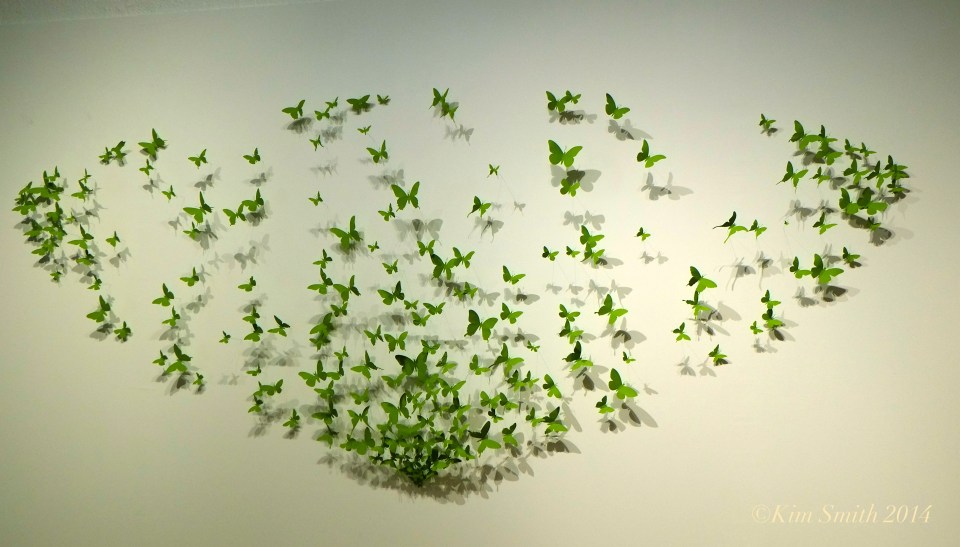
Paul Villinski Arcus -1 ©Kim Smith 2014

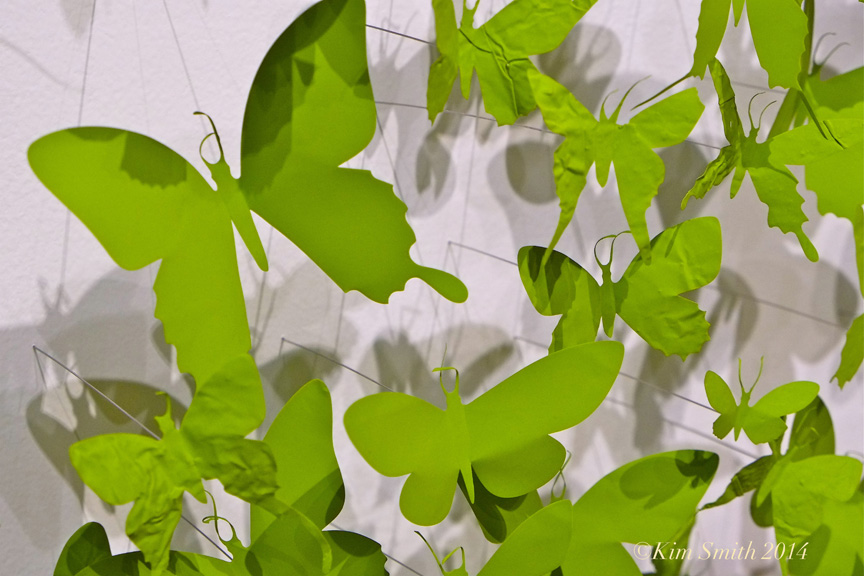
Detail of Paul Villinski’s “Arcus,” made from recycled cans.
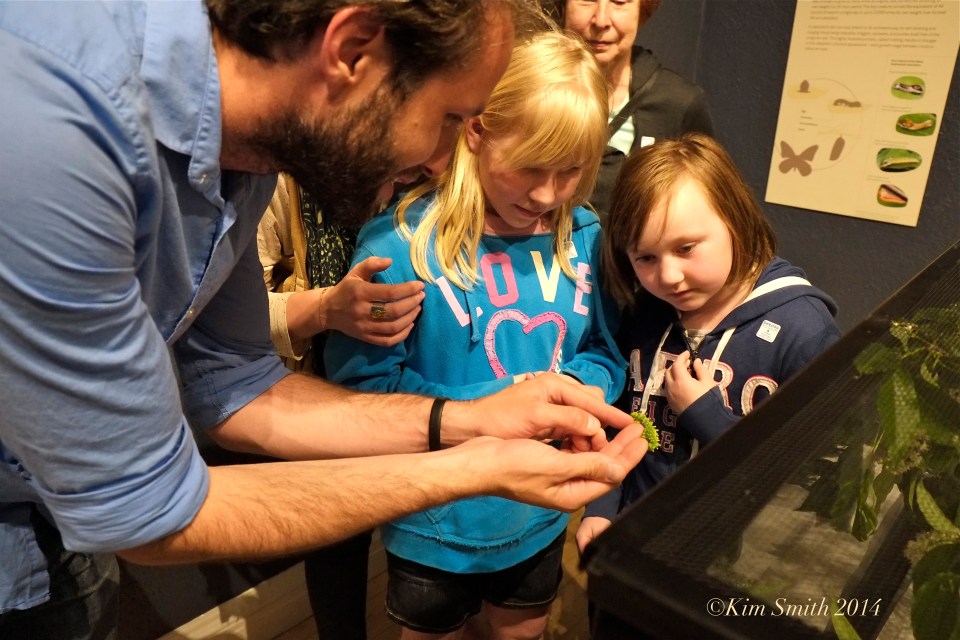
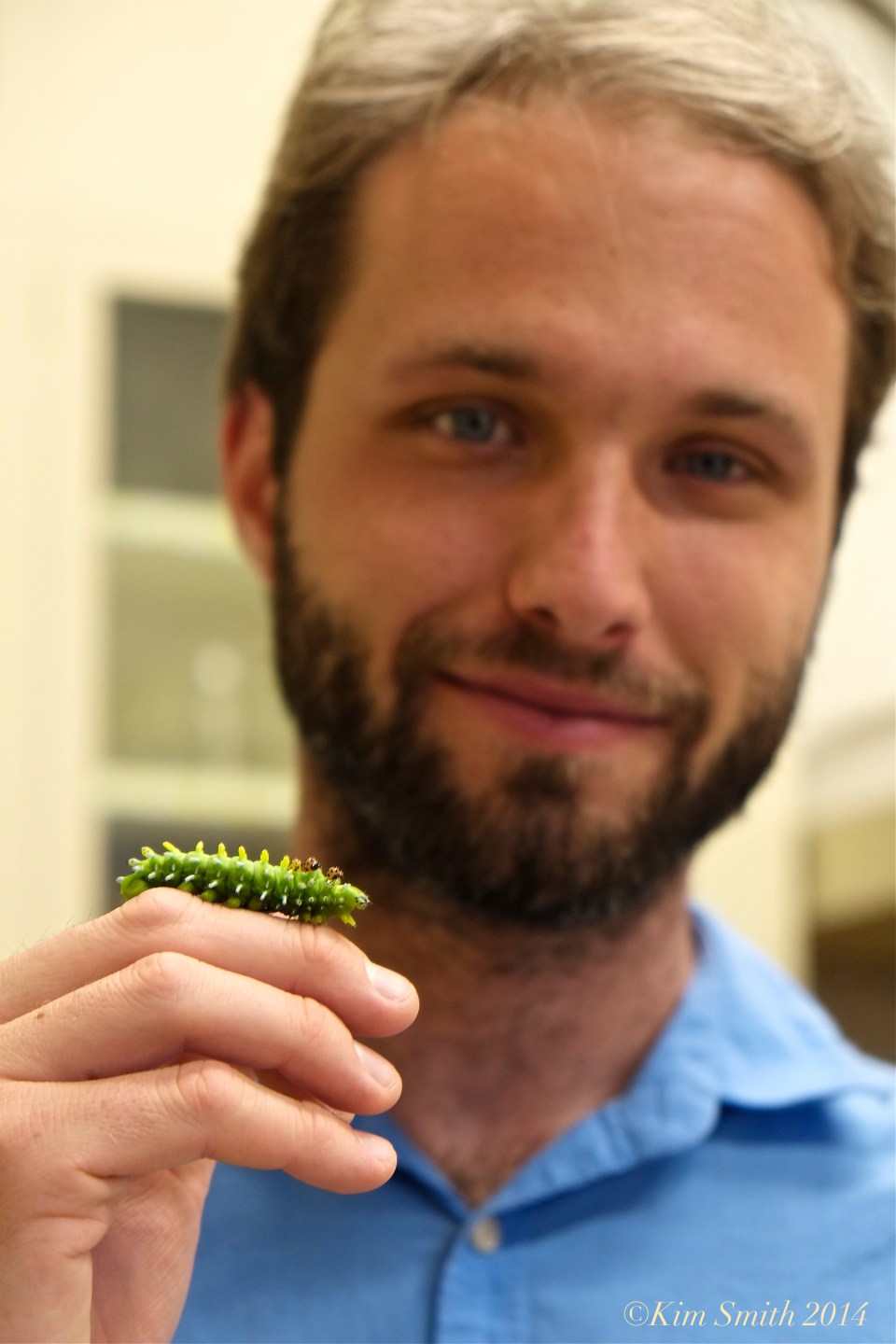
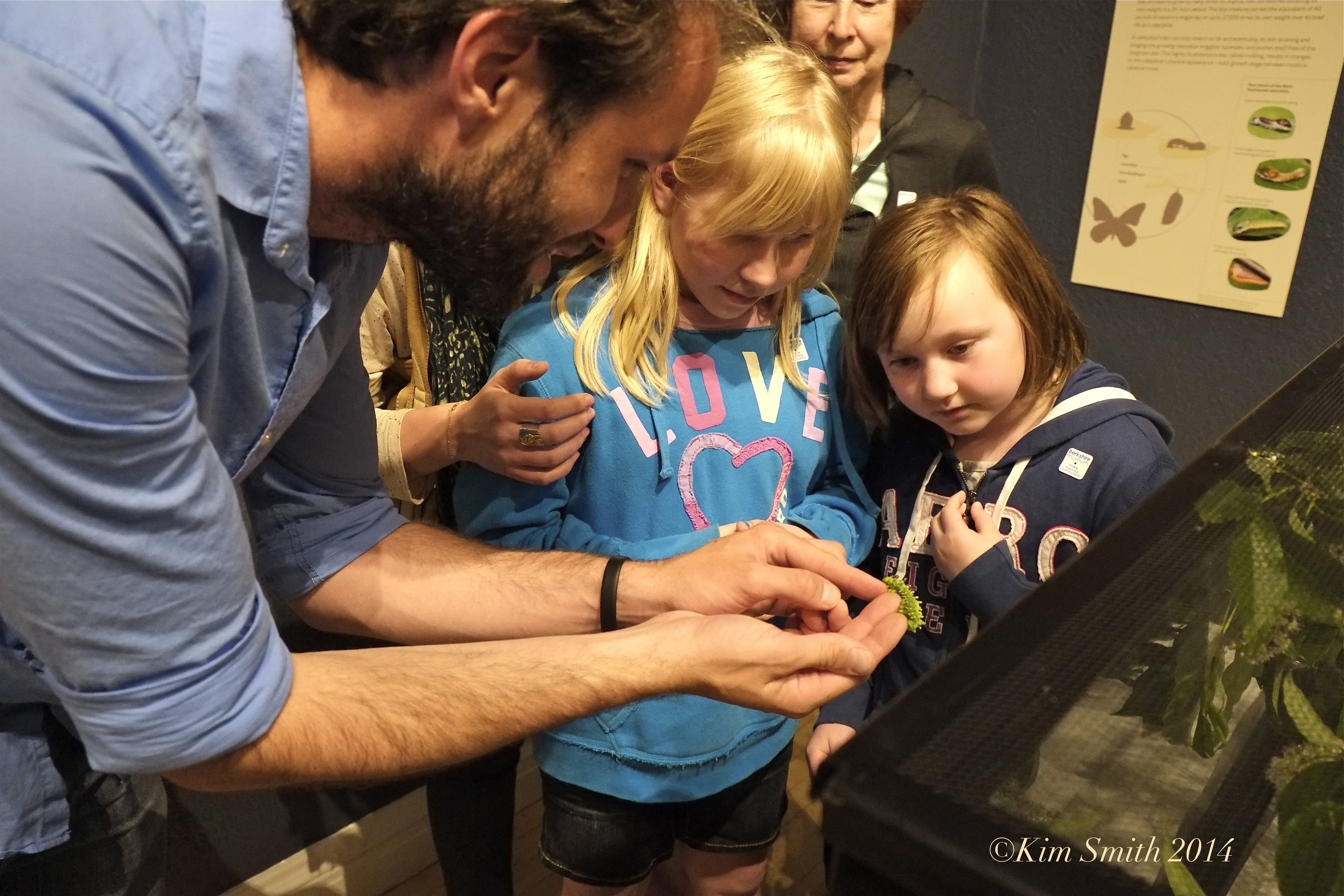
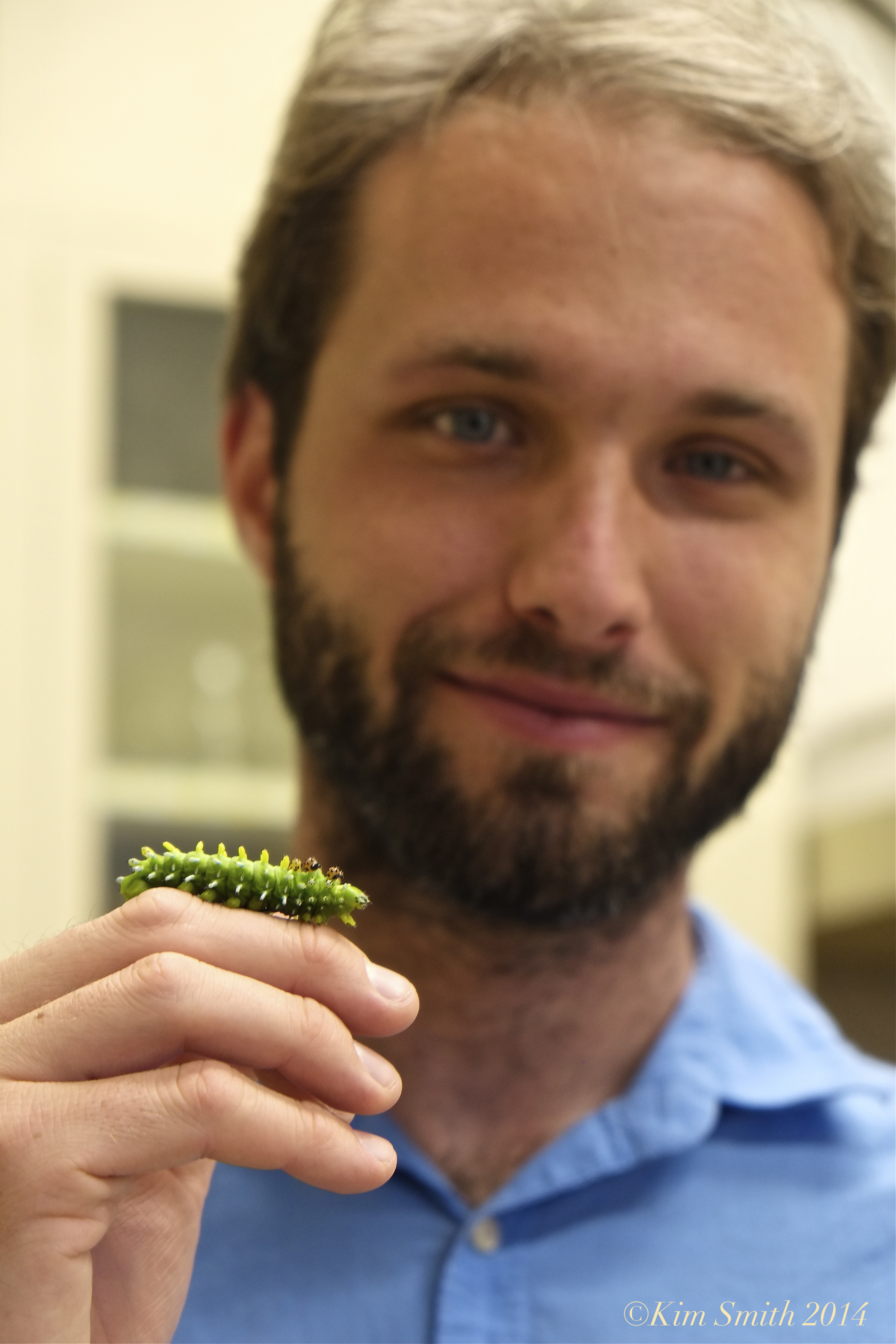
Kim Smith Berkshire Museum Butterflies ©Kim Smith 2014My friend Sam Jaffe talking about caterpillars.

Friday night I had the joy to attend the fabulous new exhibit at the Berkshire Museum titled “Butterflies!” The galleries are filled with hands on art and science activities, contemporary butterfly sculpture, artifacts from the museum’s collections, live caterpillars, and mixed media of photography and film, including an audio track from Dr. Lincoln Brower discussing what happens within a chrysalis. And, as part of the exhibit, one of the galleries houses a large butterfly pavilion with over 200 live tropical butterflies from around the world!

Blue Morpho Butterfly ©Kim Smith 2014Underwings of the Blue Morpho Butterfly from the live butterfly pavilion.

“Butterflies” was curated by Maria Mingalone, the museum’s director of interpretation, and she deftly and beautifully combines science, art, and nature in an exhibit that is sure to inspire and delight the very youngest to the most senior of citizens, and every age in between!

Butterflies Berkshire Museum ©Kim Smith 2014  copyThe opening was very joyful and buoyant—I most certainly felt that way and, judging from the expressions on visitor’s faces, wasn’t alone. I am convinced that butterflies bring out the happy in people!

Kim Smith film Berkshire Museum Butterflies ©Kim Smith 2014JPGThe audience for my short film “Flight of the Monarchs”—I watched as many people watched my film many times over, despite the case that because the galleries were so crowded you couldn’t hear the beautiful music. I think there were several thousand people at the event.

The music that I set my film to is “Fields of Blue,” written and performed by Jesse Cook. I wrote the artist and sent him a copy of my film and the most amazing thing happened where, within only the few day whirlwind to create this little film, we were granted permission to use his song!!!!!!!!

My film opens with a clip of a Monarch flying in front of Eastern Point Lighthouse (you can see our Lighthouse in the above photo). Most of the footage that I used for the movie was of butterflies in flight, shot on Cape Ann, and the audience was stunned at how beautiful the migration is through Gloucester. That opening clip of the Lighthouse and the Monarch took several days to capture the exact shot that I wanted. Butterflies don’t take direction!Berkshire Museum ©Kim Smith 2014 -2
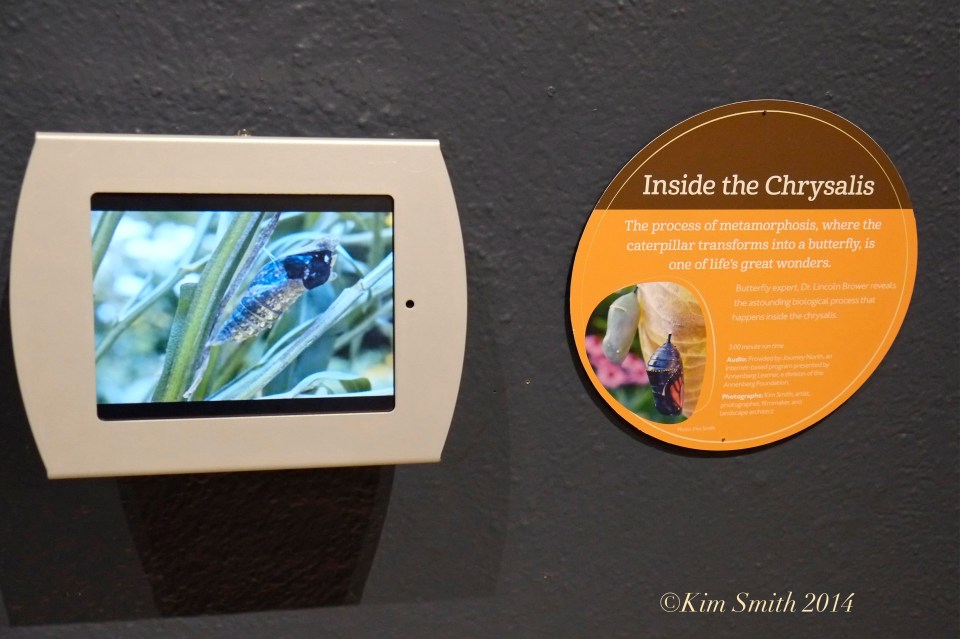
Berkshire Museum Kim Smith 2014 1JPGSome of my photos were used to illustrate Dr. Brower’s audio recording explaining what happens inside a chrysalis.

Sam Jaffe Kathy©Kim Smith 2014 copySam and his fiance Kathy, also a graduate student in environmental studies.

Berkshire Museum © Kim Smith 2014JPGIf you have never been to the Berkshire Museum, their website description reads as follows: “The Berkshire Museum offers a unique array of exhibitions, activities, and attractions for visitors of all ages. From fine art and ancient objects to fossils; from an aquarium of native and exotic creatures to the Feigenbaum Hall of Innovation, we are your community museum: a place where everyone, from toddlers to elders, can learn, play, explore, innovate, be engaged and inspired.”

I arrived early, before “Butterflies” opened its door, and explored the galleries. It’s really a very engaging museum and especially while the exhibit is running, would be a wonderfully fun and interesting day trip with children.

Sam Jaffe ©Kim Smith 2014Sam Jaffe making final adjustments to the chrysalis and cocoon display. To see some of Sam’s stunning photography, click on his website here: Sam Jaffe

Olive Ridley skeleton ©Kim Smith 2014Olive Ridley Skeleton at the Berkshire Museum

_DSF3364Ellsworth Kelly “Grapefruit”

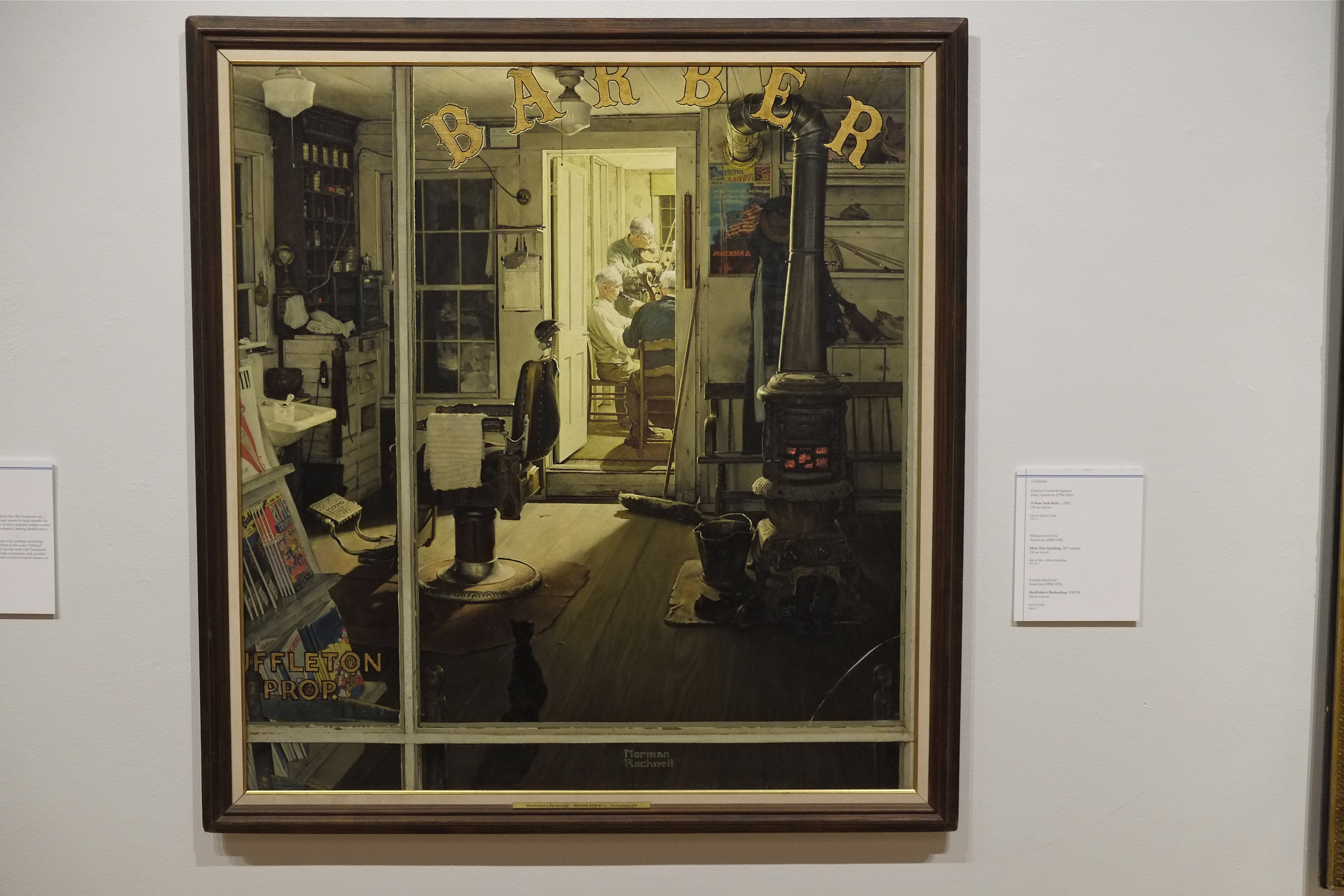
_DSF3362Norman Rockwell

Paul Villinski Arcus ©Kim SAmith 2014Paul Villinski “Arcus”

Sam Jaffe ©Kim Smith 2014 -2Sam Jaffee