Category Archives: Native Plants

SAVE THE DATE – KIM SMITH MONARCH BUTTERFLY PROGRAM AT THE TRUSTEES OF RESERVATIONS STEVENS COOLIDGE PLACE

Please join me for the Monarch Migration Celebration at the Stevens Coolidge Place in Andover on Saturday October 5th at 10:30am. I am cosponsoring the event and giving my slide presentation and talk “Beauty on the Wing: Life Story of the Monarch Butterfly.” The presentation is part of a day long event celebrating the Monarch migration. This promises to be a wonderfully fun day for kids and adults!

MONARCH MIGRATION CELEBRATION

You spent the summer watching them flit about your gardens, now it’s time to wish them well on their trip down to Mexico – it’s the Monarch Migration Celebration at Stevens-Coolidge Place!

This celebration will kick off with a children’s pollinator parade around the property (costumes encouraged!) bringing all visitors to an afternoon of demos, crafts & stories, seed bomb making and gardening tips to bring these orange friends to your yard in the spring. Want to join in the butterfly tagging? Bring your flying friends with you and we’ll be happy to show you how! Butterfly release at 2:30PM

Trustees Member: $3
Trustees Member Child: $5
Trustees Family: $15

Nonmember: $6
Nonmember Child: $10
Nonmember Family: $25
Please help us plan for the day. Pre-registration is encouraged.

STEVENS COOLIDGE PLACE

137 ANDOVER STREET

NORTH ANDOVER

THE DANCE OF COLOR AND LIGHT – MONARCHS ON THE MOVE!

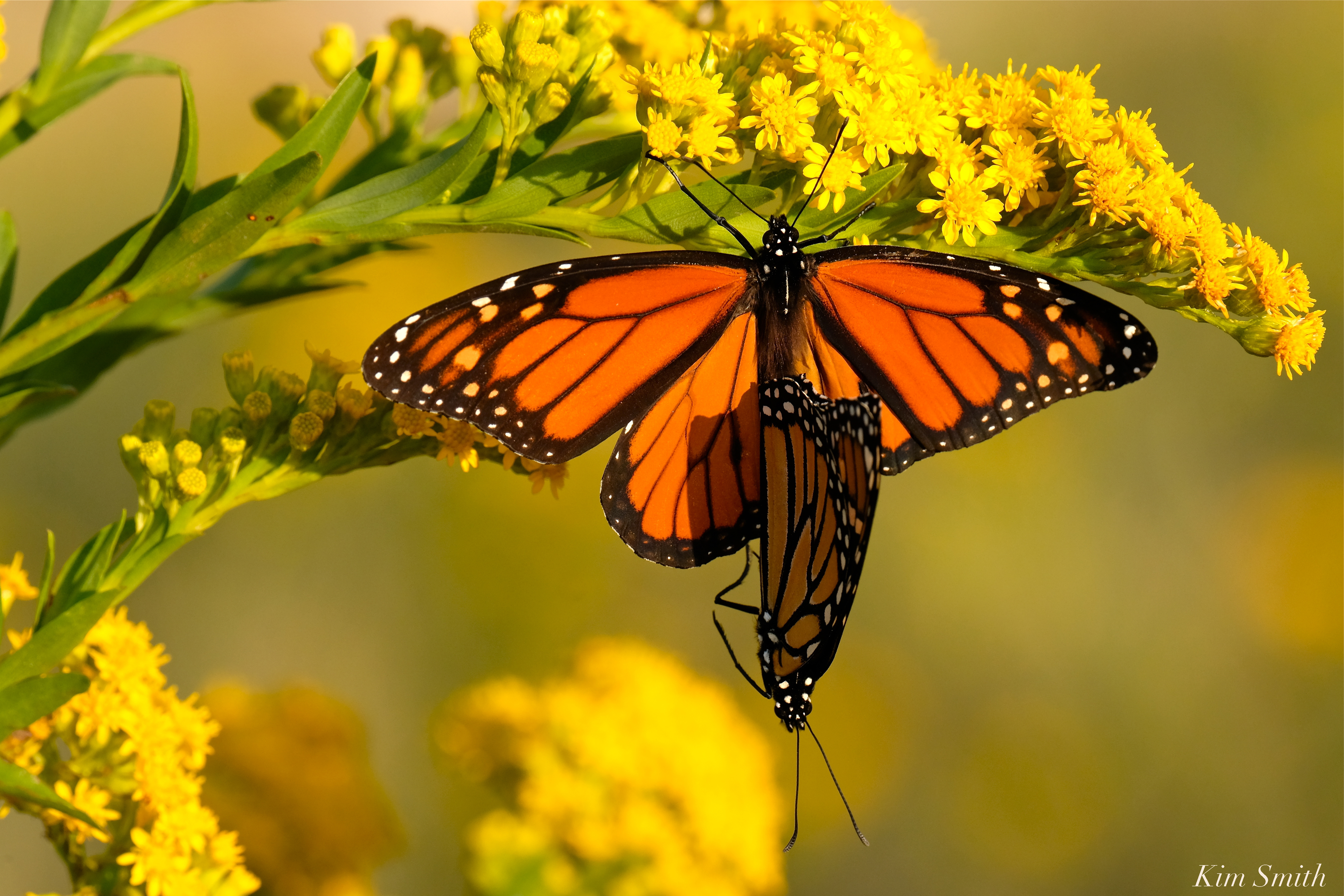
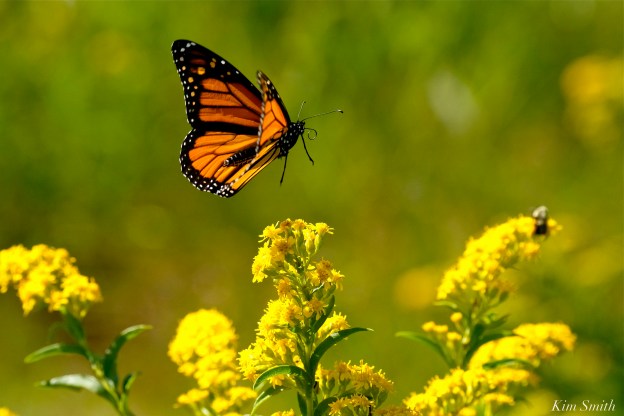
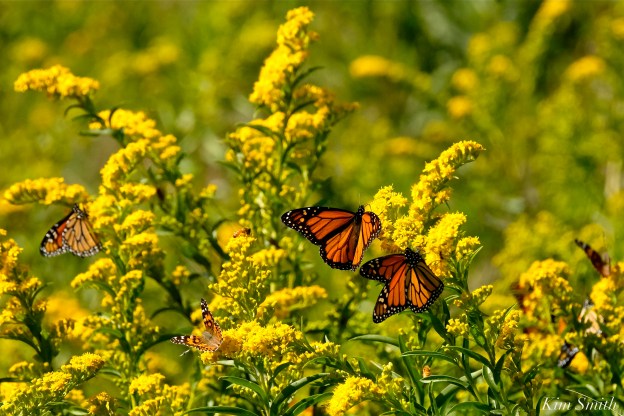
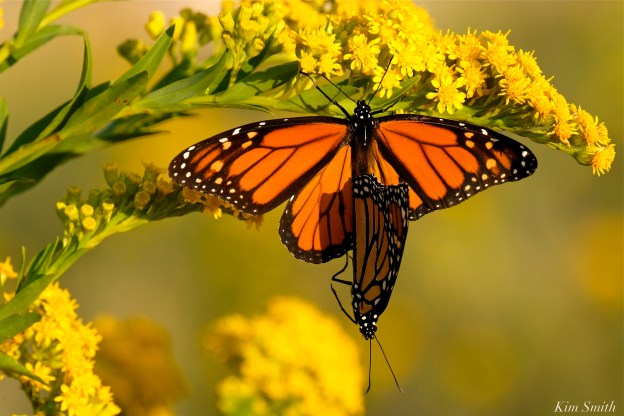
Monarchs were on the move over the weekend, not only on Cape Ann, but all over northern and northeastern regions of the country* very solid numbers of migrating Monarchs are being shared, from Ontario, to upstate New York, Michigan, and Maine.

Lets keep our hopes up for good weather for the Monarchs on the next leg of their journey southward!

*Ninety percent of the Monarch Butterfly migration takes place east of the Rocky Mountains.

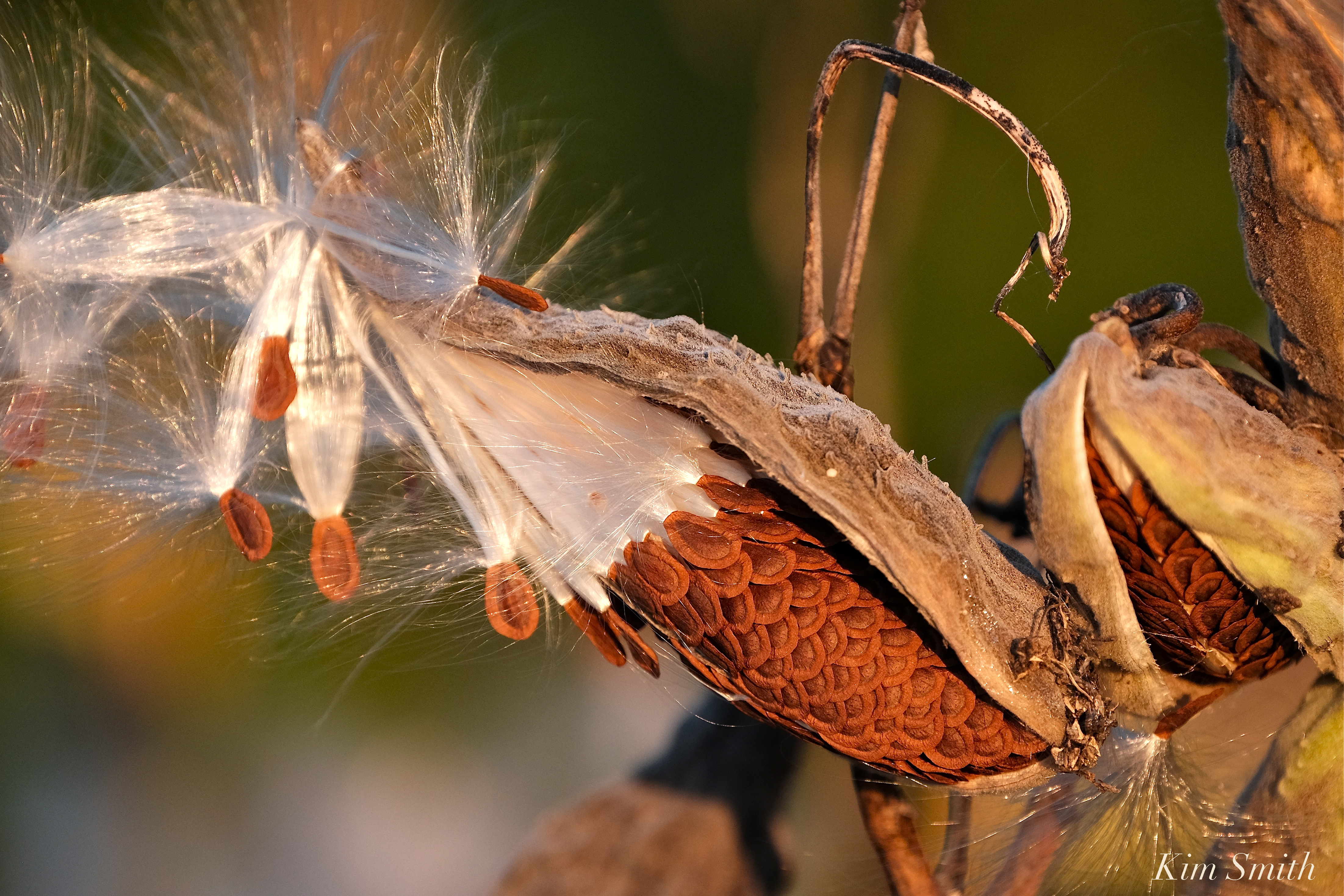
If you would like to help support the Monarchs, think about creating a milkweed patch in your garden. The best and most highly productive milkweed for Monarch caterpillars is Common Milkweed (Asclepias syriaca), the milkweed we see growing in our local marshes and dunes. The seed heads are ripe for plucking when they have split open and you can see the brown seeds and beautiful floss.

For several of my readers who have expressed difficulty in germinating milkweed seeds, the following is a foolproof method from the Lady Bird Johnson Wildflower Center.

HOW TO GERMINATE MILKWEEDS

MILKWEEDS (ASCLEPIAS SPP.) ARE NOTORIOUSLY DIFFICULT TO GERMINATE. But don’t despair. The Wildflower Center has developed and tested a protocol that results in good germination rates for a number of our native milkweed species. Follow this process and you’ll soon be on your way to supporting monarchs, bumblebees and tons of other insects that depend on milkweed plants. READ the complete article here.

GOLDEN FLOWER OF THE AZTECS

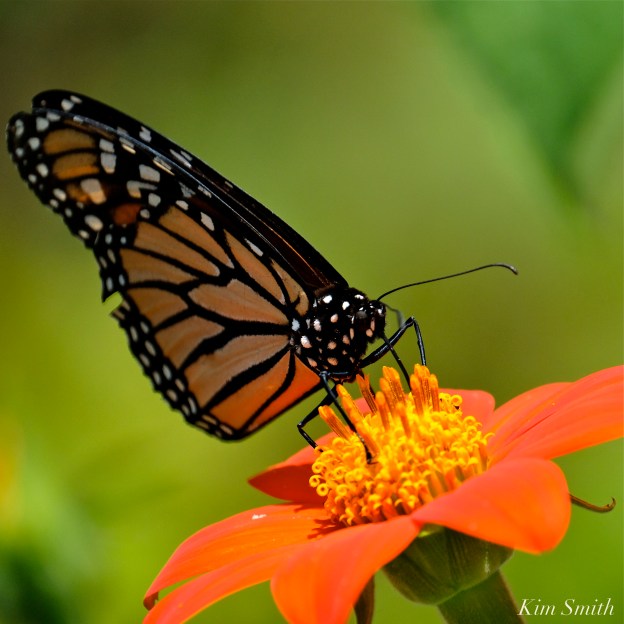
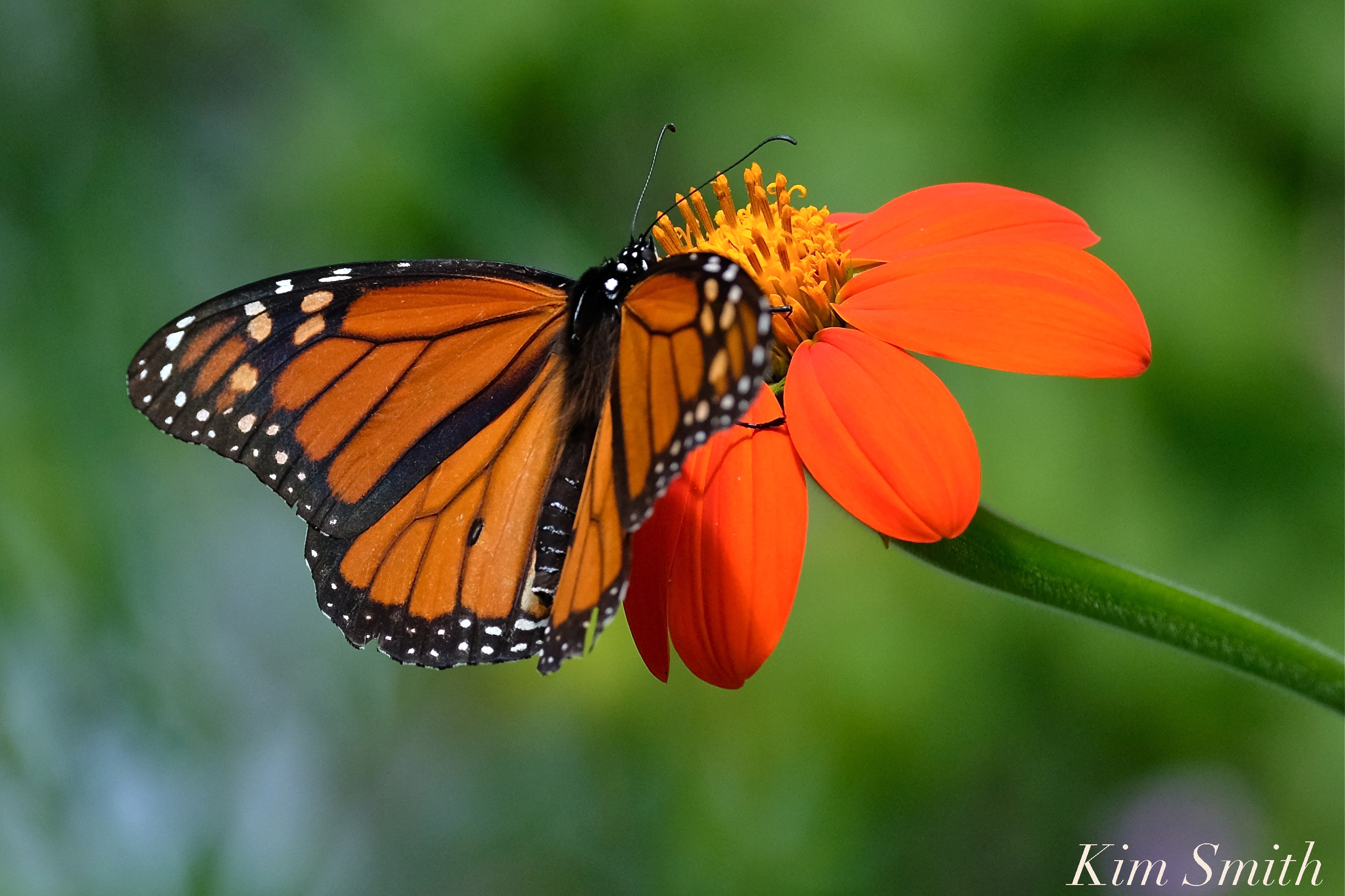
The brilliant red-orange Mexican Sunflower (Tithonia rotundifolia) is a beneficial pollinator magnet. Plant and they will come! Grow a patch of milkweed next to your Mexican Sunflowers and you will not only attract Ruby-throated Hummingbirds and an array of bee species, but every Monarch Butterfly in the neighborhood will be in your garden.

Its many common names include Red Torch Mexican Sunflower, Bolivian Sunflower, Japanese Sunflower, but one of the loveliest is ‘Golden Flower of the Aztecs.’ Tithonia rotundifolia grows wild in the mountains of Central Mexico and Central America.

Mexican Sunflower is one of my top ten favorites for supporting Monarchs, is extremely easy to grow, and deer do not care for its soft, velvety leaves. Plant in average garden soil, water, and dead head often to extend the blooming period. Ours flower from July through the first frost. Collect the seedheads after the petals have fallen off, but before they dry completely and the songbirds have eaten all the seeds.

MONARCH BUTTERFLY MADNESS!

HORRAY FOR THIS BANNER SUMMER OF MONARCHS!!!! I hope it translates to a great migration this fall 🙂

I went to my garden to gather a sprig of milkweed to feed a single caterpillar. I checked the leaves for eggs and didn’t see any. A few days later I had dozens of teeny weeny caterpillars munching away on the sprig. The Mama Monarch laid her eggs all around the milkweed buds and it’s nearly impossible to see eggs on buds.

Keep your eyes peeled for eggs on the leaves, and also on the flower buds of your milkweed plants, especially Marsh Milkweed.

https://www.instagram.com/p/B0yeyi7H0KQ/