Overjoyed Beauty on the Wing has been accepted to the New Haven Documentary Film Festival!
2019 Honors Filmmaker


2019 Honors Filmmaker

NORTH AMERICA’S STUNNING AND LARGEST MOTH THE CECROPIA AND WHY THESE GIANT SILK MOTHS ARE THREATENED – PART TWO
After spending the winter and most of the spring tightly wrapped in their cocoons of spun silk, the first male eclosed on the last day of May. Burly and beautiful, Cecropia Moths emerge with wings patterned in white crescent spots outlined in rust and black, sapphire blue and black eyespots, waves and wiggly lines in soft woodland hues, and a wide tubular body banded and dotted orange, black and white.


It is easy to tell the difference between a male and female because of the male’s spectacular plume- like antennae.


The females were equally as easy to identify because their antennae are comparatively more slender.
 Males rely on their superbly oversized antennae to detect the female’s pheromones.
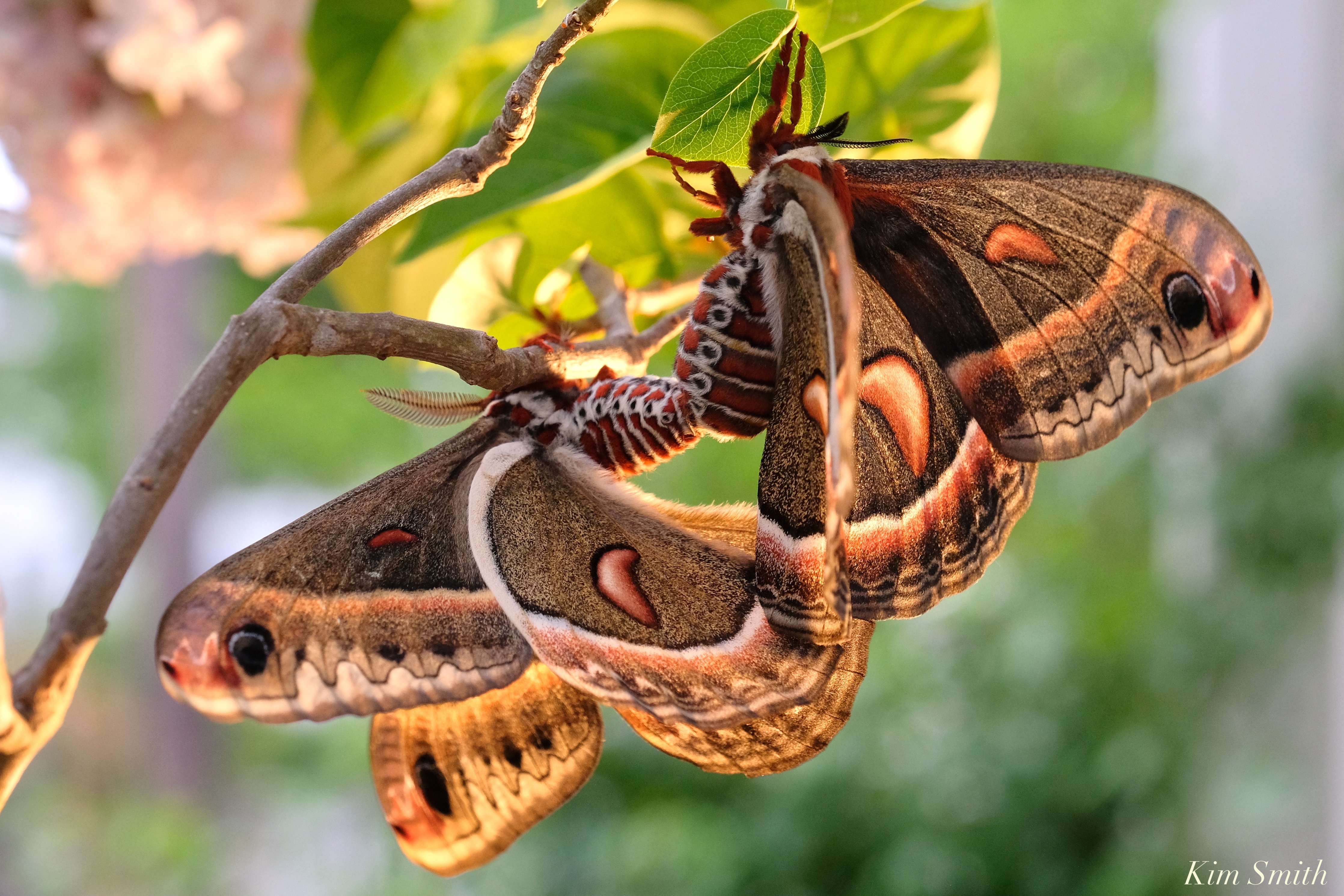
 After each Cecropia Moth emerged from its cocoon and their wings had dried, we placed them on the shrubs around our front porch. The males eventually flew off, but the females stayed in one place and usually by morning we would find a pair, or two, mating in our garden.
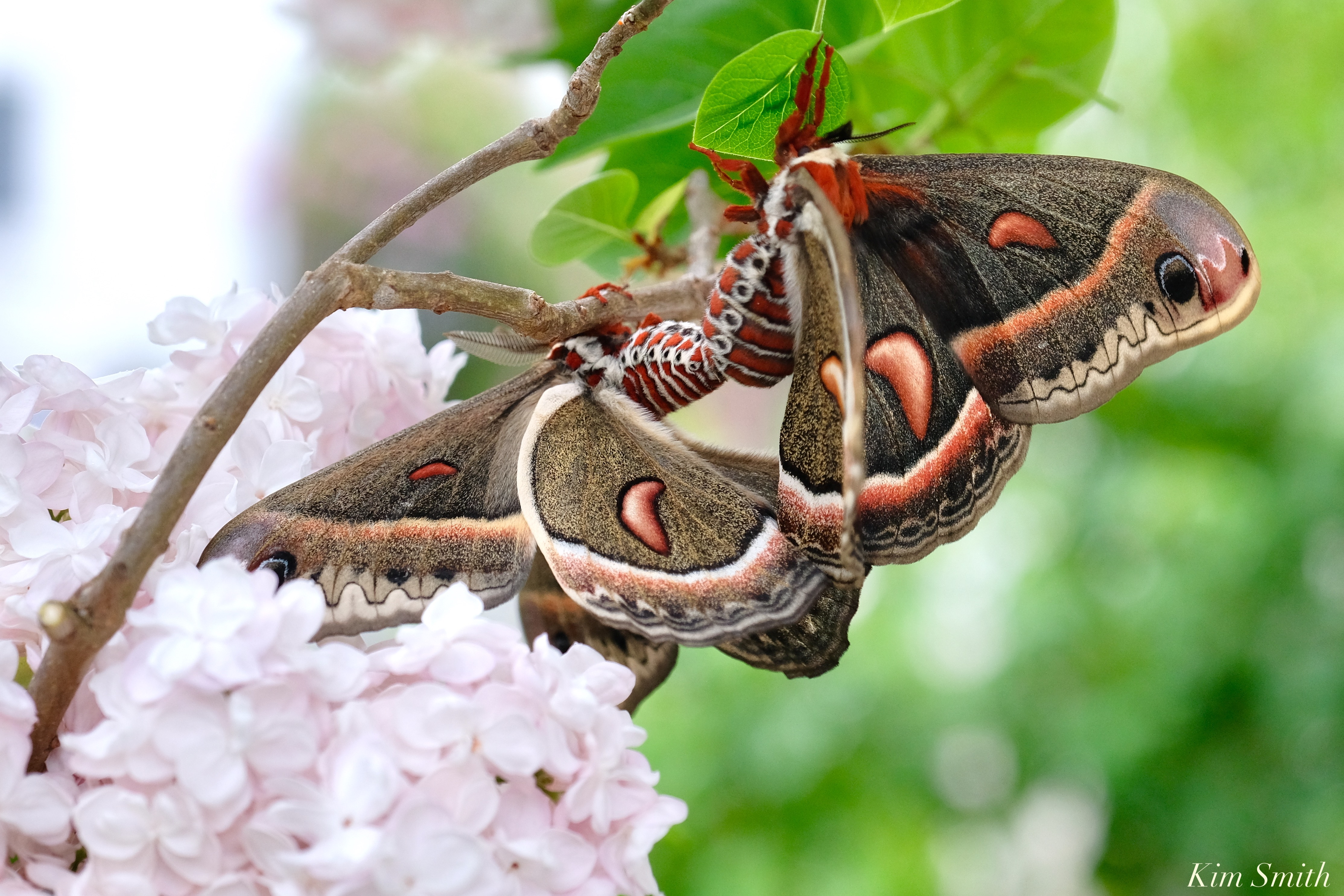


They stayed coupled together all day long, uncoupling sometime during the evening. We kept two of the females for several days and both rewarded us with dozens of eggs.
 I had read it only takes a week or so for the larvae to emerge from their eggs and was beginning to think ours were not viable, when they began hatching today! In actuality it really took between two and three weeks for the caterpillars to emerge. Possibly the cooler temperatures during this period slowed hatching. The caterpillars are teeny tiny, perhaps one quarter of an inch, black with pokey spines. Charlotte and I collected a bunch of Chokecherry (Prunus viginiana) branches this morning as we prepare to raise another batch of stunning Cecropias.
The adults, both male and female, are short lived. Giant Silk Moths, which include Luna, Polyphemus, Promethea, and Cecropia emerge without mouthparts and cannot eat. Cecropia Moths spend several months in the larval stage, most of their lives as a cocoon, and only a week or two as their beautiful winged adult selves. Giant Silk Moths live only to reproduce.
 Threats to Giant Silk Moths are significant. The number one threat is Compsilura concinnata, a tachinid fly that was introduced to North America to control invasive European Gypsy Moths. Both insects are a cautionary tale of why not to introduce invasive species without knowing the full breadth of the harm they will cause. Spraying trees with toxic pesticides that kills both the caterpillars and the cocoons is also a major threat. And, too, squirrels eat the cocoons
Hyalophora cecropia moths are univoltine, having only one generation per year. Our Cecropias began hatching just before the full moon. I have more cocoons and am wondering if this next batch of moths are waiting to emerge prior to July’s full moon.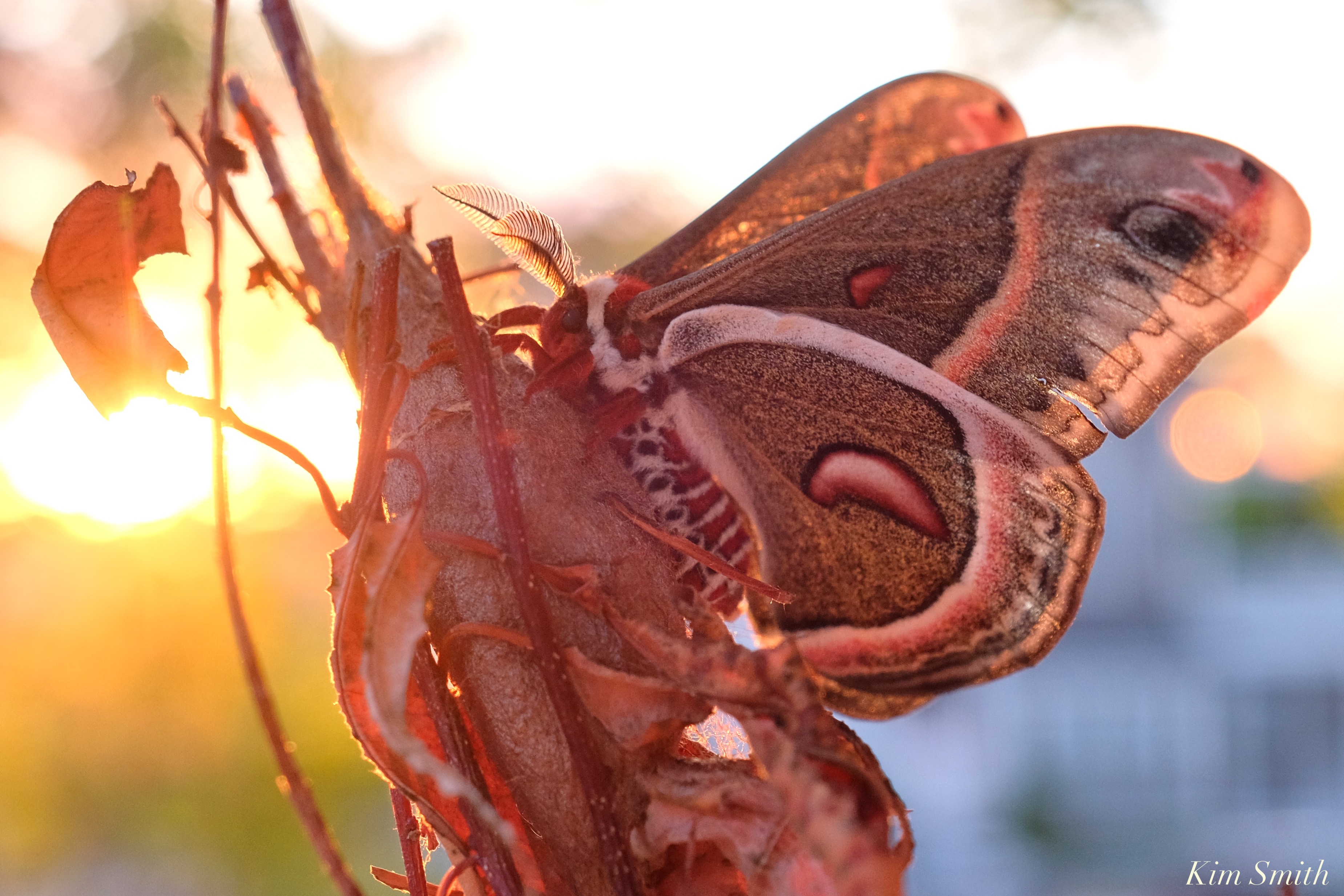

Did you know that there are over two hundred species of milkweed (Asclepias) found around the world? Seventy different species are native to North America.
Milkweeds, as most know, are the host plant for Monarch Butterflies. A host plant is another way of saying caterpillar food plant. Monarchs deposit eggs on milkweed plants. Some milkweeds are more productive than other species. For the Northeast region, the most productive milkweed is Common Milkweed (Asclepias syriaca). The second most productive is *Marsh Milkweed (Asclepias incarnata). What is meant by productive? When given a choice, the females choose these plants over other species of milkweed and the caterpillars have the greatest success rate. In our own butterfly garden and at at my client’s habitat gardens, I grow both side-by-side. The females flit from one plant to the next, freely depositing eggs on both species.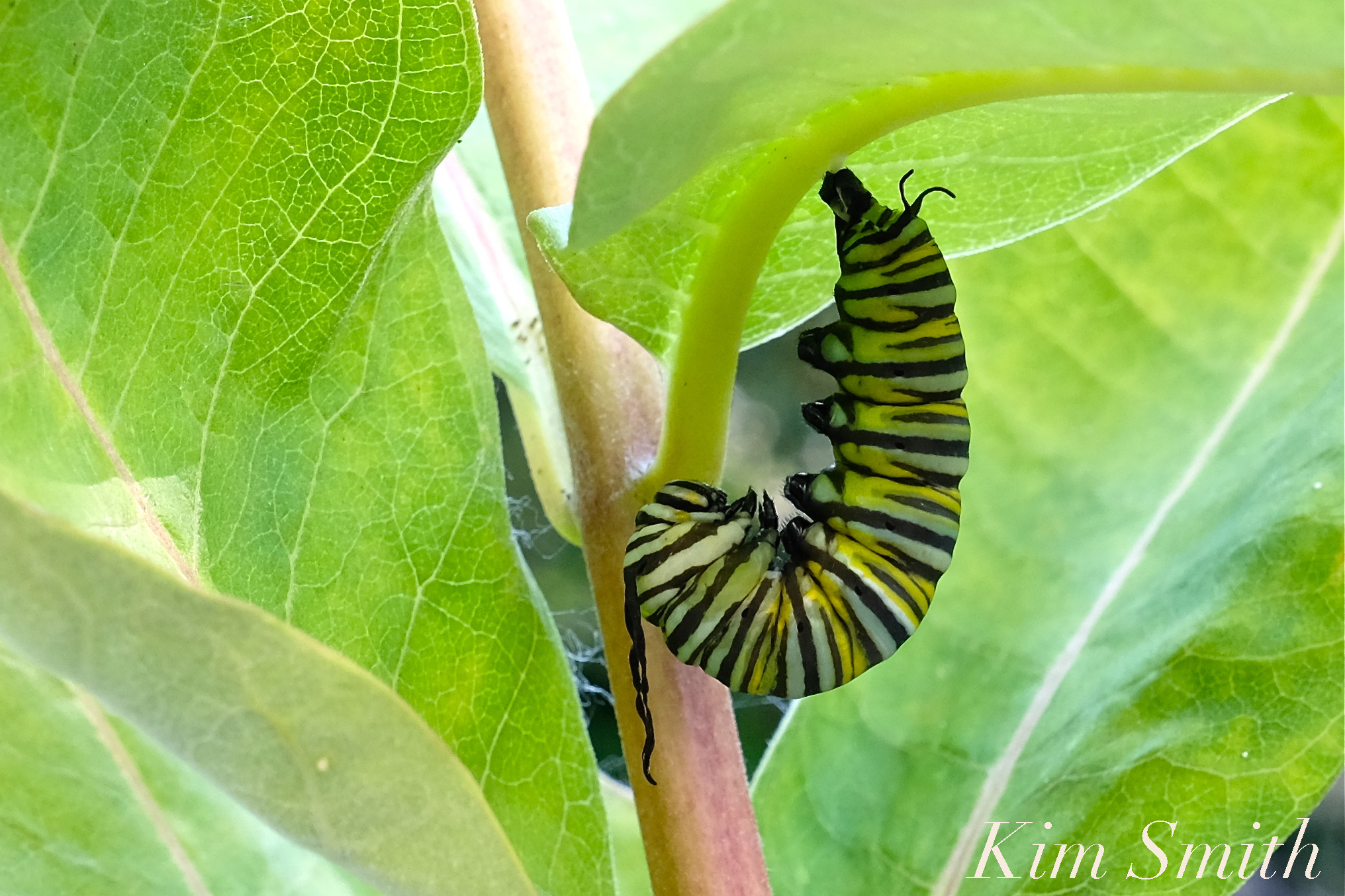
This fun chart shows some of the most common species of milkweeds found in North American gardens. *Swamp Milkweed is another common name for Marsh Milkweed.
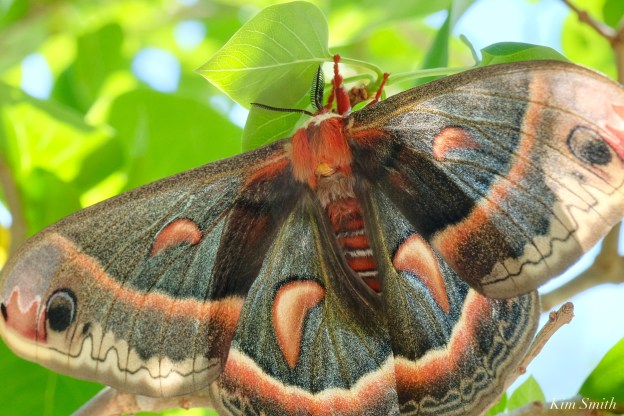
Last summer my friend Christine gave me a handful of Cecropia Moth eggs. Nearly all hatched and grew, AND grew, AND GREW. The caterpillars were a whopping five inches in length and the width of a very large man’s thumb before they began to pupate (become a cocoon).
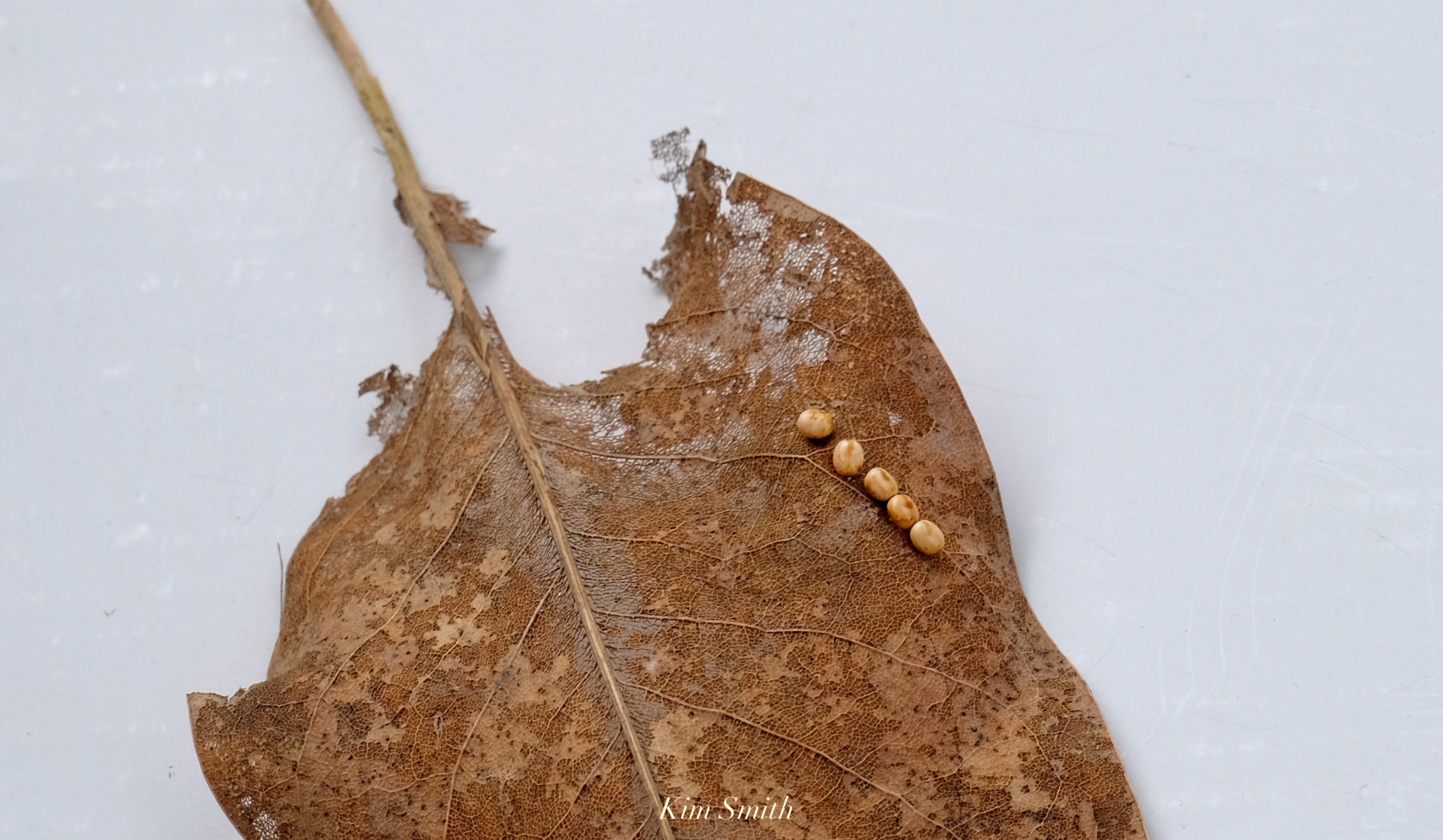 Cecropia Moth Eggs
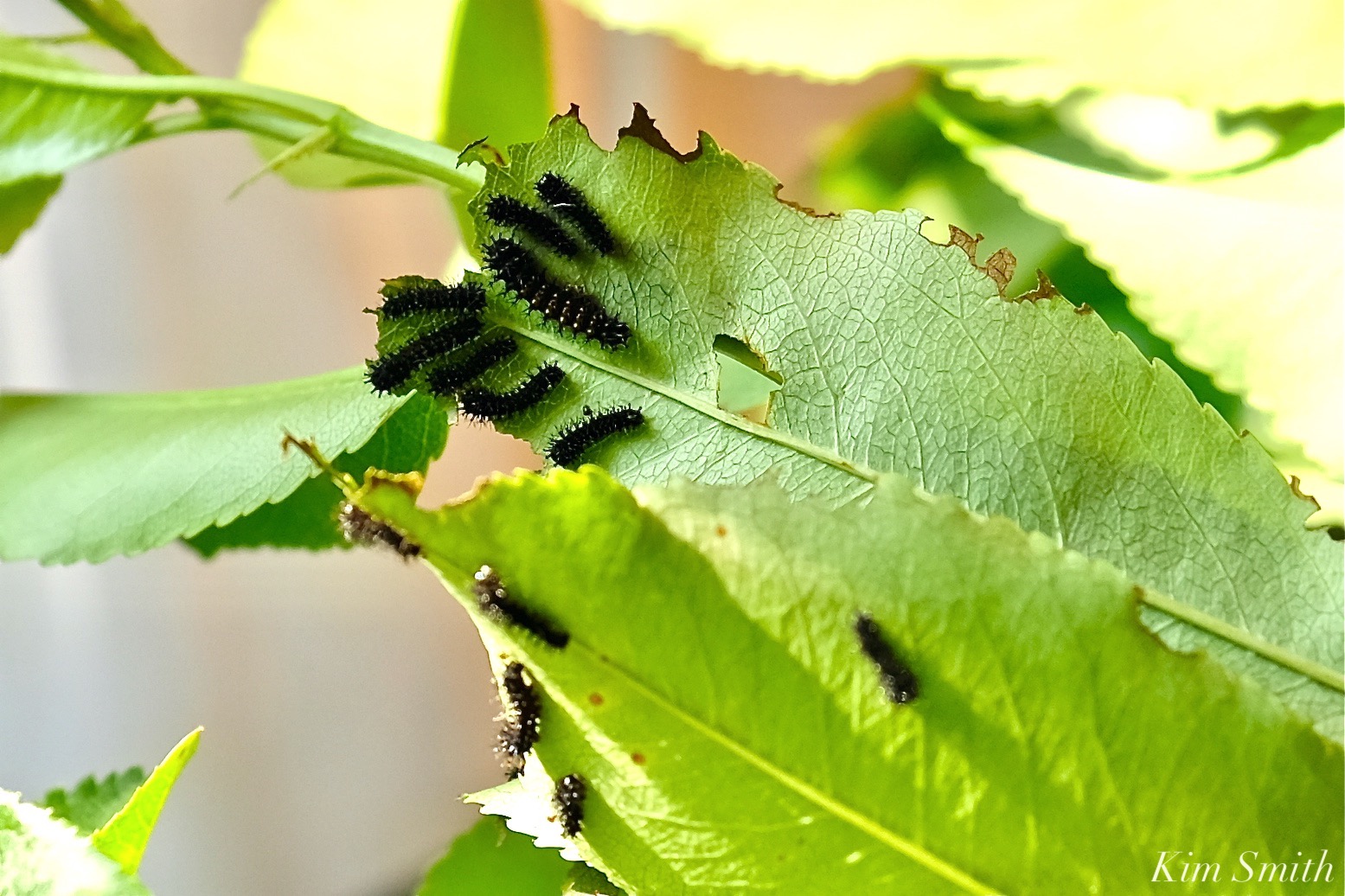 First Instar
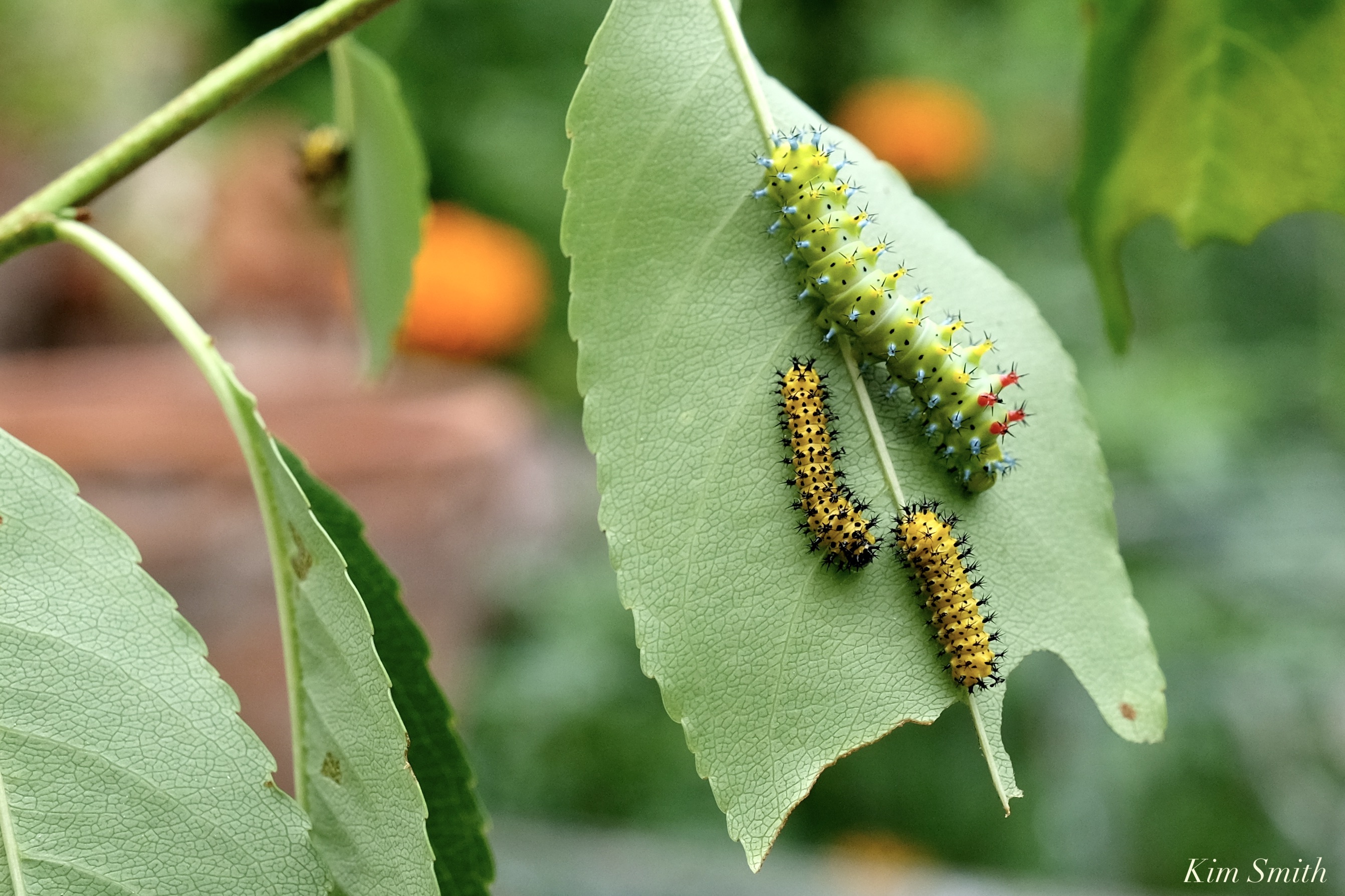 Second and Fourth Instar
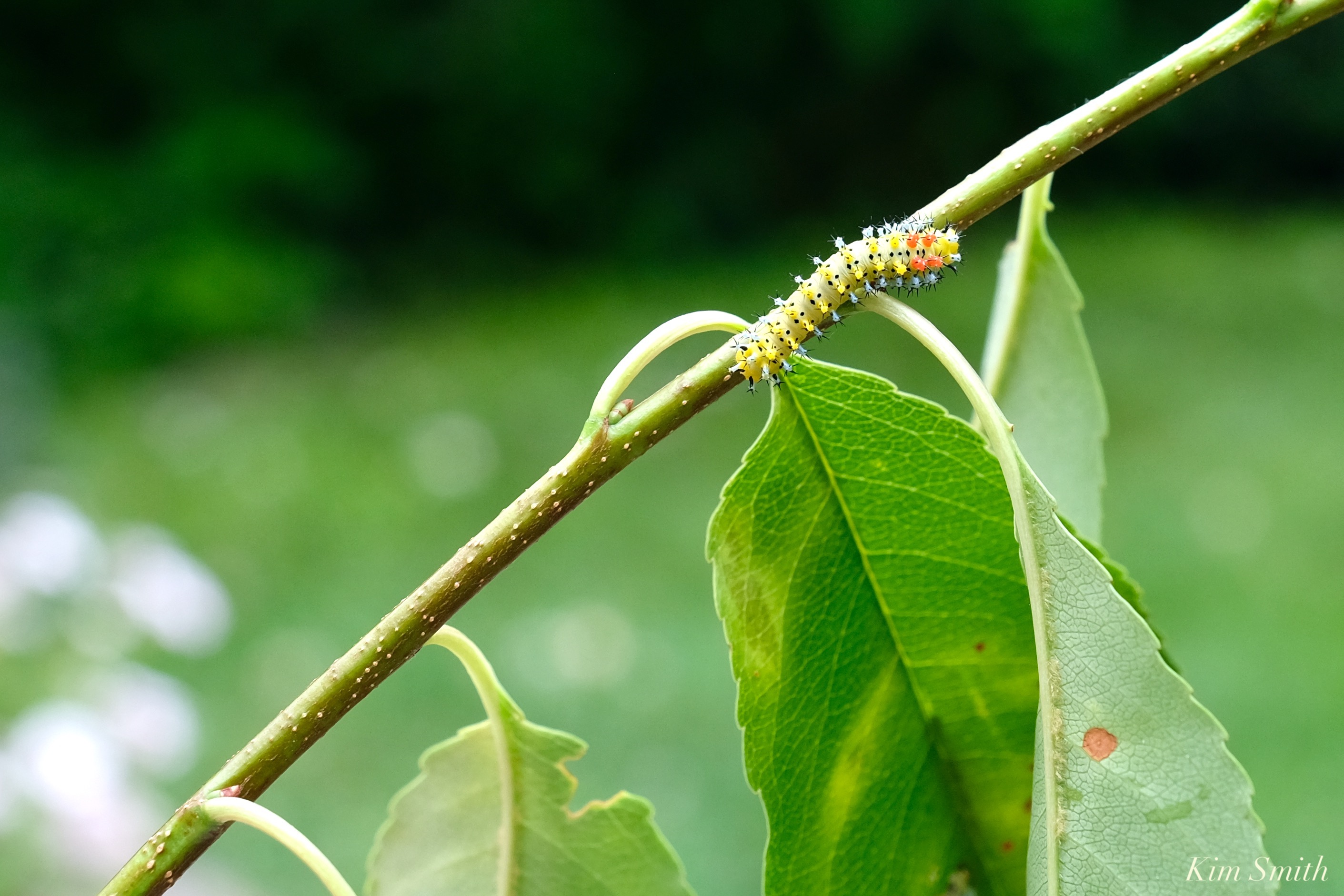 Third Instar
 Fifth and Final Stage
 Cecropia Going Pooh
The Cecropia caterpillar eats the leaves of many trees and shrubs, including alder, ash, birch, box elder, Chokecherry, elm, lilac, maple, poplar, Prunus and Ribes species, and willow. People are always a bit dismayed when I tell them that the adult is born without mouthparts and cannot eat during its brief lifespan. The adult’s only purpose in life is to mate and it lives for about a week or so.
We fed our Cecropia caterpillars Chokecherry (Prunus viginiana), because I knew of a good source where it was growing plentifully.
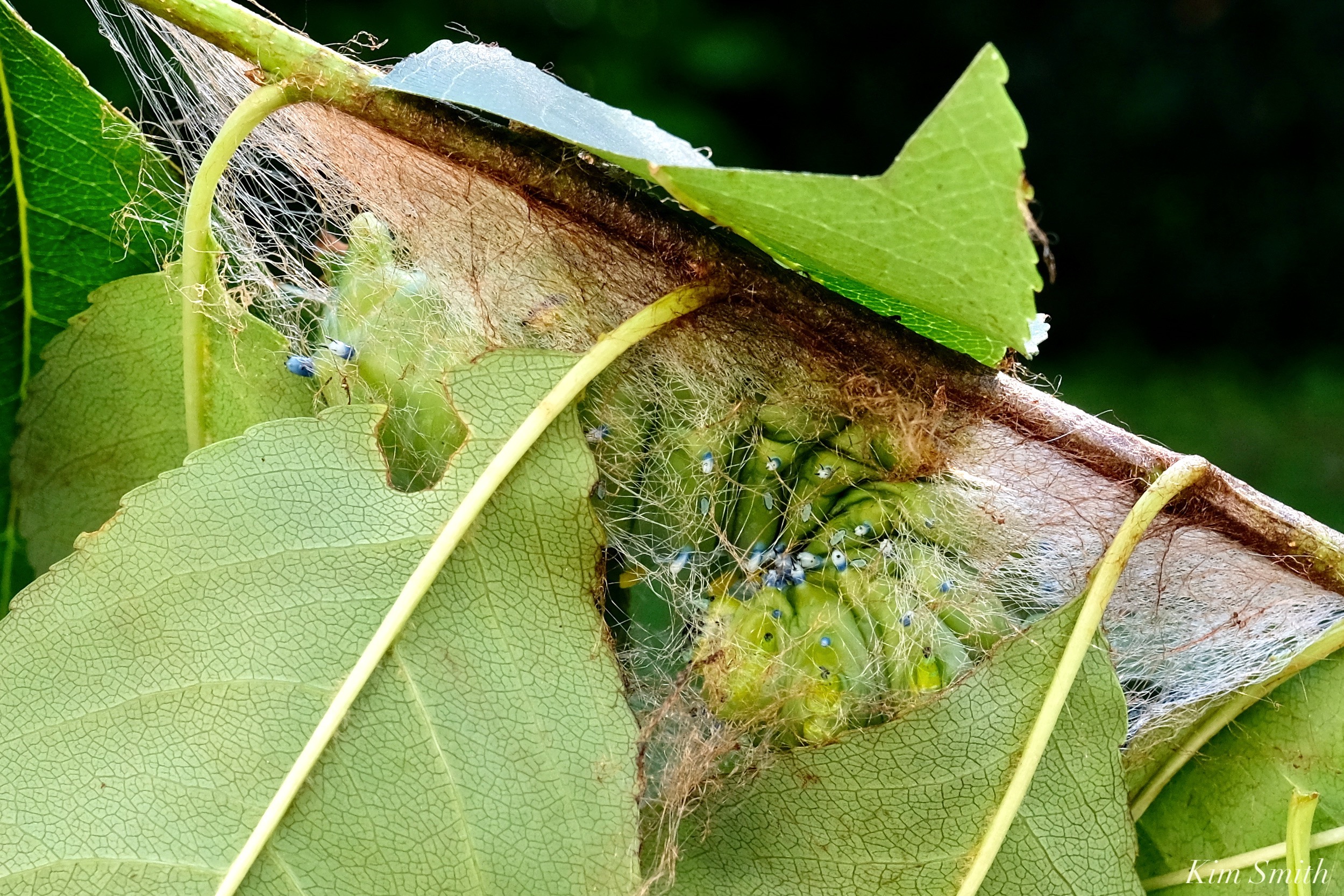 Cecropia Spinning a Cocoon -The caterpillar pulled some leaves loosely around, but mostly the cocoon is made from its own spun silk. Some spin their cocoons on tree branches and some on the sides of the buildings.
All winter the cocoons lived in glass terrariums on the side of our front porch, which is not enclosed, and which is also out of direct sunlight. The cocoons need to experience normal fluctuations in temperature so that adults will emerge at the correct time of year, when trees are leafed out.
Cecropia Moths are the largest moths found in North America. They are members of the Family Saturniidae. There are approximately 1,500 species of large moths in this family and they are found all over the world. The very largest are found in the tropics, but the wingspan of our Cecropia Moths can reach an amazing 7 inches across (compared to a Monarch, with a wing span of approximately 3.5 inches).
 Part Two – emerging, reproduction, laying eggs of the next generation, and how we can help this increasingly rare species.
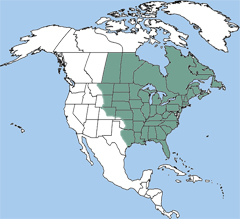
Cecropia Moths are found east of the Rocky Mountains, in Canada and the United States

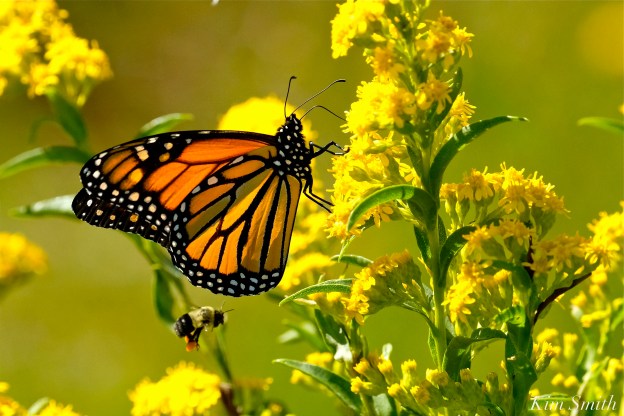
Efforts to stem the decline of monarch butterflies took a giant leap forward today with the completion of a historic agreement between the U.S. Fish and Wildlife Service and the University of Illinois-Chicago. The agreement encourages transportation and energy partners to participate in monarch conservation by providing and maintaining habitat on potentially millions of acres of rights-of-way and associated lands.
Thanks to the monarch agreement, more than 45 companies in the energy and transportation sectors and countless private landowners will provide habitat for the species along energy and transportation rights-of-way corridors on public and private lands across the country. Participants will carry out conservation measures to reduce or remove threats to the species and create and maintain habitat annually. Although this agreement specifically focuses on monarch habitat, the conservation measures will also benefit several other species, especially pollinating insects.
“Completing this agreement is a huge boost for the conservation of monarch butterflies and other pollinators on a landscape scale,” said Aurelia Skipwith, Director of the U.S. Fish and Wildlife Service. “This is a great example of how the Trump administration is working proactively with our partners in the energy, transportation and agriculture industries to provide regulatory certainty for industry while addressing the conservation needs of our most at-risk species.”
Monarch butterflies and other pollinators are declining due to multiple factors, including habitat loss. Agreements like this offer an innovative way for partners to voluntarily help at-risk species while receiving regulatory assurance and predictability under the Endangered Species Act (ESA). The Service is currently evaluating the monarch to determine whether listing under the act is appropriate.
“Restoring this species cannot be done by the federal government alone; cooperation is key. This agreement is essential to ensuring that private landowners embrace practices to protect and preserve monarch butterflies, and those private landowners will benefit from regulatory certainty in return. It’s a true win-win,” said U.S. Senator Tom Carper. “I am proud that my state of Delaware is engaged in this effort, and I want to thank the CCAA participants for driving this agreement forward and seeing it through to finalization. It’s my hope that, by working together, we can bring monarch butterflies back from brink of extinction.”
“By engaging early in voluntary conservation, utilities and departments of transportation can avoid increased costs and operational delays as a result of a potential listing. This provides tremendous value to industry and will also yield big benefits to the monarch butterfly,” said Iris Caldwell, program manager of the University of Illinois-Chicago’s Energy Resources Center, which will administer the agreement. “Not only is this the largest CCAA in history and completed on one of the fastest timelines thanks to our incredible partners, but it also represents an extraordinary collaboration between industry leaders and the U.S. Fish and Wildlife Service that can serve as a model for addressing challenges to other at-risk species.”
“The American Farm Bureau Federation (AFBF) applauds the work of the U.S. Fish and Wildlife Service and the participating energy and transportation organizations to conserve the monarch butterfly across the landscape,” said Zippy Duvall, President of the American Farm Bureau Federation. “AFBF appreciates the efforts of Director Skipwith and her staff for their coordination with farmers and ranchers to develop this important conservation tool. This agreement brings greater certainty to those who manage lands in and near rights-of-way while providing essential habitat for the monarch and other pollinators.”
“The signing of this CCAA for monarch butterflies is the culmination of a great deal of work by an amazing public-private partnership, including utilities, state department of transportation and the U.S. Fish and Wildlife Service,” said Brian Kortum, director of environmental planning for NiSource. “We are excited by the opportunity this presents NiSource to do our part for monarch butterfly conservation while providing flexibility to our company operations.”
The Service and the University of Illinois-Chicago signed an integrated, nationwide Candidate Conservation Agreement (CCA) and Candidate Conservation Agreement with Assurances (CCAA) for the monarch butterfly on energy and transportation lands throughout the lower 48 states.
CCAAs and CCAs are formal, voluntary agreements between the Service and landowners to conserve habitats that benefit at-risk species. A CCAA is for non-federal partners only and provides assurances to participants (in the form of an “enhancement of survival permit”) that no additional conservation measures will be required of them if the covered species later becomes listed under the ESA. A CCA can be entered into by any partner, whether federal, state or local authority, NGO or private individual or corporation. It memorializes the conservation commitment of the landowners, but unlike a CCAA, it does not provide assurances.
The monarch agreement integrates both CCA and CCAA programs so energy and transportation partners and private landowners can provide conservation seamlessly throughout their properties, where there may be a mix of non-federal and federal lands.
In addition, if monarch butterflies are listed as endangered or threatened in the future, the Service would grant permission for “incidental take” (a term under the ESA) to partners enrolled in the agreement. Incidental take includes the unintentional harming, harassing or killing of a listed species and is prohibited under the ESA unless a permit is issued.
The Service was petitioned to list the monarch butterfly under the Endangered Species Act in 2014 and is required to make a determination on whether a listing is warranted in December 2020.
More information regarding the Service’s monarch butterfly conservation efforts and the candidate conservation agreement with assurances can be found on the Service’s Save the Monarch website.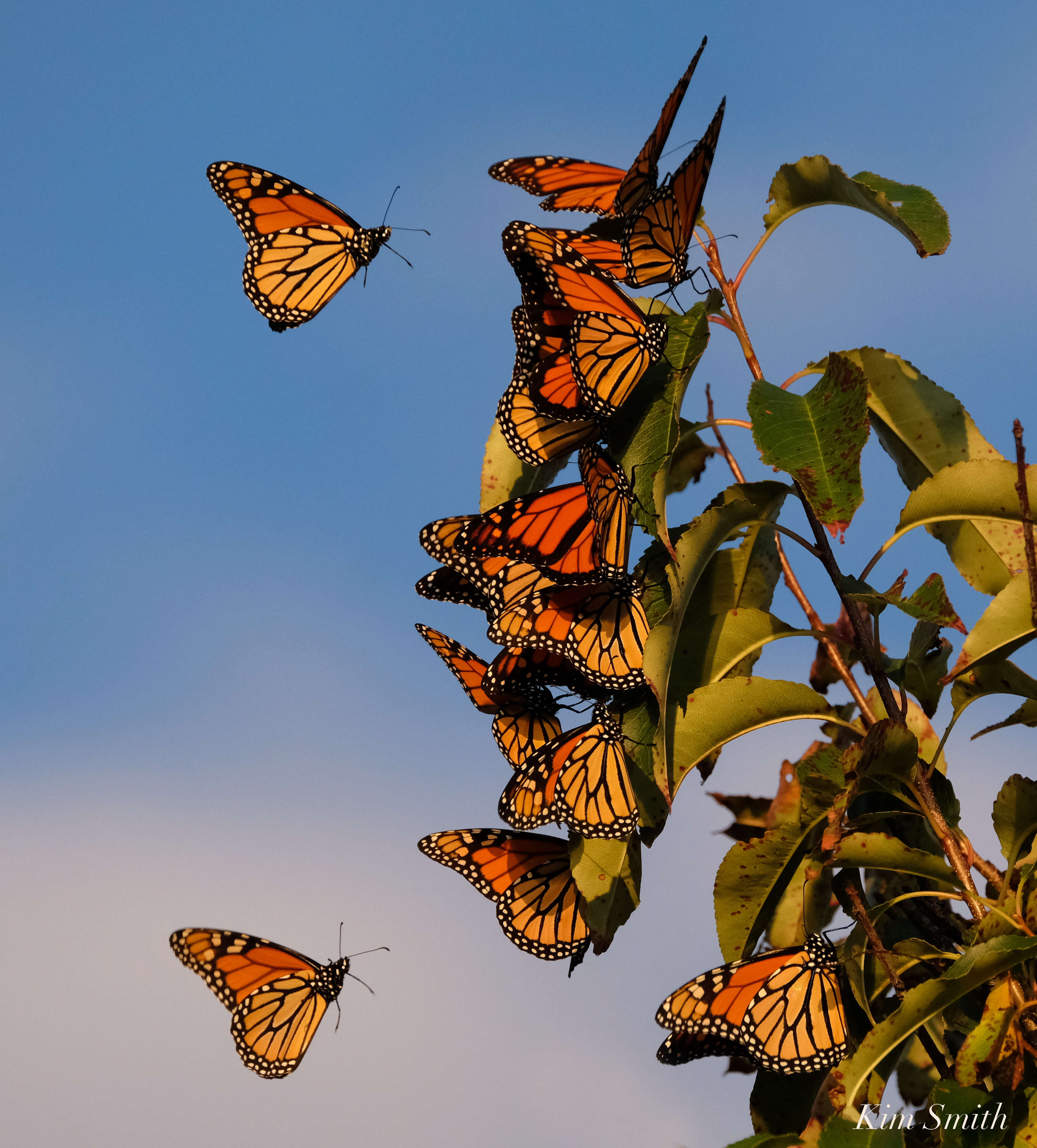

An excerpt from the forthcoming film, Beauty on the Wing: Life Story of the Monarch Butterfly, shows three of the wildflowers found in our gardens, meadows, and marshes that attracts Monarchs (along with myriad species of other pollinators).
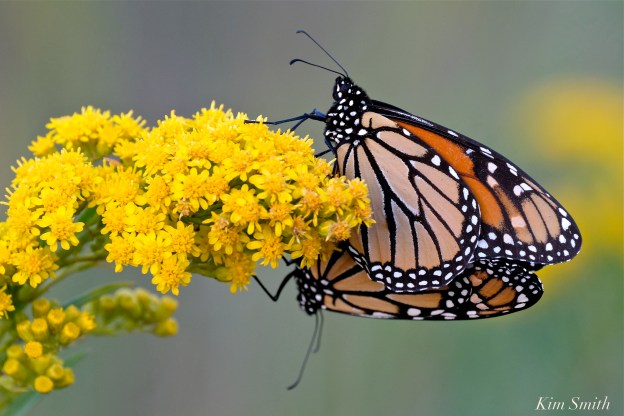
Plant the two milkweeds listed below and you, too, will have Monarchs mating in your garden!
Featuring:
Seaside Goldenrod (Solidago sempervirens) that supports southward migrating Monarchs.
Marsh Milkweed (Ascleipias incarnata), one of the milkweeds most readily used by ovipositing female Monarchs.
Common Milkweed (Asclepias syriaca). A study published last year that shows Common Milkweed is THE milkweed for Monarchs!
Music by Jesse Cook
Topics Episode #4
Thank you Friends for watching! Links to topics provided below
Timelapse sunrise over Salt Island (see end of video)
Ospreys catch a Skate!
Coronavirus – Sending much love and prayers to my family of friends who are suffering so greatly.
Nicole Duckworth’s birthday parade
Cape Ann List of ToGo Curbside Pickup TakeOut Restaurants
Fisherman’s Wharf Gloucester and Sole Amandine Recipe
Chocolate-dipped almond biscotti recipe
Please write if there is a Good News topic you would like to share. I am thinking about changing the name of the show to Finding Hope, what do you think about that?


 How disappointing to see the Monarch numbers plunge to less than half of last year’s population. Scientist Chip Taylor from Monarch Watch predicted lower numbers, but not to this degree. It’s hard to believe, especially after witnessing the tremendous numbers at Cerro Pelon in 2019, along with the beautiful migration through Cape Ann last summer.
 Plant a variety of milkweeds and wildflowers to help the Monarchs on their northward and southward migrations
The chief reasons for this year’s loss of Monarchs are decreasing amounts of wildflowers on their migratory route south, bad weather during the 2019 migration, and the continued spraying of deadly chemical herbicides and pesticides on genetically modified food crops.
As we are all aware, Monarch caterpillars only eat members of the milkweed (Asclepias) family, but the plant has been devastated by increased herbicide spraying in conjunction with corn and soybean crops that have been genetically engineered to tolerate direct spraying with herbicides. In addition to glyphosate (Monsanto’s Roundup, which is now owned by Bayer), Monarchs are threatened by other herbicides such as Dicamba and by neonicotinoid insecticides that are deadly poisonous to young caterpillars and decrease the health of adult butterflies.
In 2014, conservationists led by the Center for Biological Diversity and the Center for Food Safety petitioned the U.S. Fish and Wildlife Service to protect the butterfly under the Endangered Species Act.
The decision on Endangered Species Act protection will be issued in December of this year under a settlement with the conservation groups. The low count of 2019-2020 reinforces the need to protect what we already know to be an endangered species.



Dear Friends,
The Gloucester Stage Company’s preview screening of my forthcoming documentary Beauty on the Wing: Life Story of the Monarch Butterfly has been postponed until May. We don’t have a set date yet and I will keep you posted.
If you have already purchased tickets you will be contacted by the GSC box office. You will have the option of a full refund or the ticket my be used at the screening on its new date.
Please forgive any inconvenience and thank you for understanding ❤
 Beauty on the Wing