
Category Archives: Gloucester Massachusetts

Monarch Butterfly Film Update

Dear Friends,

You are receiving this note because you donated generously or because you have been a friend and supporter in one manner or another to my documentary Beauty on the Wing: Life Story of the Monarch Butterfly.

I am beyond excited to share that we will be picking up the masters this week from the color and sound editing studio, Modulus, which I have been working with these many months. The film has come together beautifully. I think you will love the soundtrack by Jesse Cook and the new mix and voiceover recording. Because of several delays over the course of editing, I was able to include footage from the butterfly’s spectacular late winter exodus at Cerro Pelon, Mexico, and from the exquisite Monarch migration that took place along the shores of Cape Ann this past fall.

Currently I am submitting Beauty on the Wing to film festivals. Over the weekend I sent in no less than 18 submissions. Some festivals we’ll hear back from within a few weeks, others it may take several months. In the meantime, I am learning about film distribution and am working on scheduling a sneak peek preview screening for all my donors and will keep you posted about that.

Here is the new short trailer. I hope you will have two minutes to view and also, if you could please share. The old trailer has thousands of views and believe it or not, number of views is important to festival organizers and film distributors So please share. Also, I am creating a longer, more detailed trailer and will send that along later this week.

A most heartfelt thank you for your generosity and your kind support. I am so grateful.

Sincerely,

Kim

P.S. Very rough draft of a poster- I am looking for a graphic designer who can help with some ideas I have for posters, postcards, and other promotional materials. Please let me know if you have someone you love to work with. Thank you!

ONLY A FEW SEATS LEFT FOR THE JESSE COOK CONCERT AT THE SHALIN LIU

My husband and I are huge fans of Jesse Cook and with gorgeous music and extraordinary musicianship, his concerts are not to be missed. Tom introduced me to his work several years ago when I was looking for a uniquely beautiful sound to score a short film for the Berkshire Museum, about butterflies in flight, for which Jesse graciously and generously permitted. <em>More about Jesse and Monarchs when my forthcoming documentary is released.</em>

Jesse Cook travels the world with his fingers. Through his globe-spanning and genre-bending compositions, the nimble-fingered guitarist has taken nouveau flamenco to places it has never been, creating new fascinating hybrids.  As one of the most celebrated instrumentalists on the planet, Cook is forever restless, constantly searching for new sounds, rhythms and textures to explore.

Born in Paris and raised in Toronto, Cook studied classical and jazz guitar, and as a child was always intrigued by the highly rhythmic rumba flamenco style. Following up on that curiosity, Cook dove headfirst into the gypsy musical tradition as he began to find his own musical voice. After a show-stopping performance at the 1995 Catalina Jazz Festival, Cook’s little-heard debut, Tempest, suddenly took off in the U.S., landing at # 14 on the Billboard Charts. Cook’s career has seen steady growth in the years that followed, his multi-cultural take on rumba flamenco striking a nerve with listeners. One of the hallmarks of his sound and aesthetic is to travel the world, meeting and collaborating with artists and incorporating the results into his music. In addition to headlining concerts and festivals, he has opened for such legends as B.B. King, Ray Charles, The Chieftains and Diana Krall.

In 1998, Cook was nominated for a Juno Award as Instrumental Artist of the Year. In 2001, he received a Juno Nomination for Best Male Artist, as well as winning in the Best Instrumental Album category for Free Fall. In 2009, he was Acoustic Guitar’s Player’s Choice Award silver winner in the Flamenco category. He is a three-time winner of the Canadian Smooth Jazz award for Guitarist of the Year and numerous other awards.  Over twenty years into his career, Cook is now forging more than just musical traditions of the world. With his 2015’s One World, he is now forging the ancient with the modern, infusing contemporary sounds of the electronic digital age into his timeless rumba flamenco rhythms.

“…lightning fast and bright flamenco guitarist…Jesse Cook…is about as seductive, percussive and danceable as this kind of music gets…also a powerful pop songwriter, with each melody standing out above the weaving rhythms sung by his intoxicating strings.” Jazziz

THE HISTORIC BUTTERFLY MIGRATION OF 2019 CONTINUES MOVING THROUGH CAPE ANN

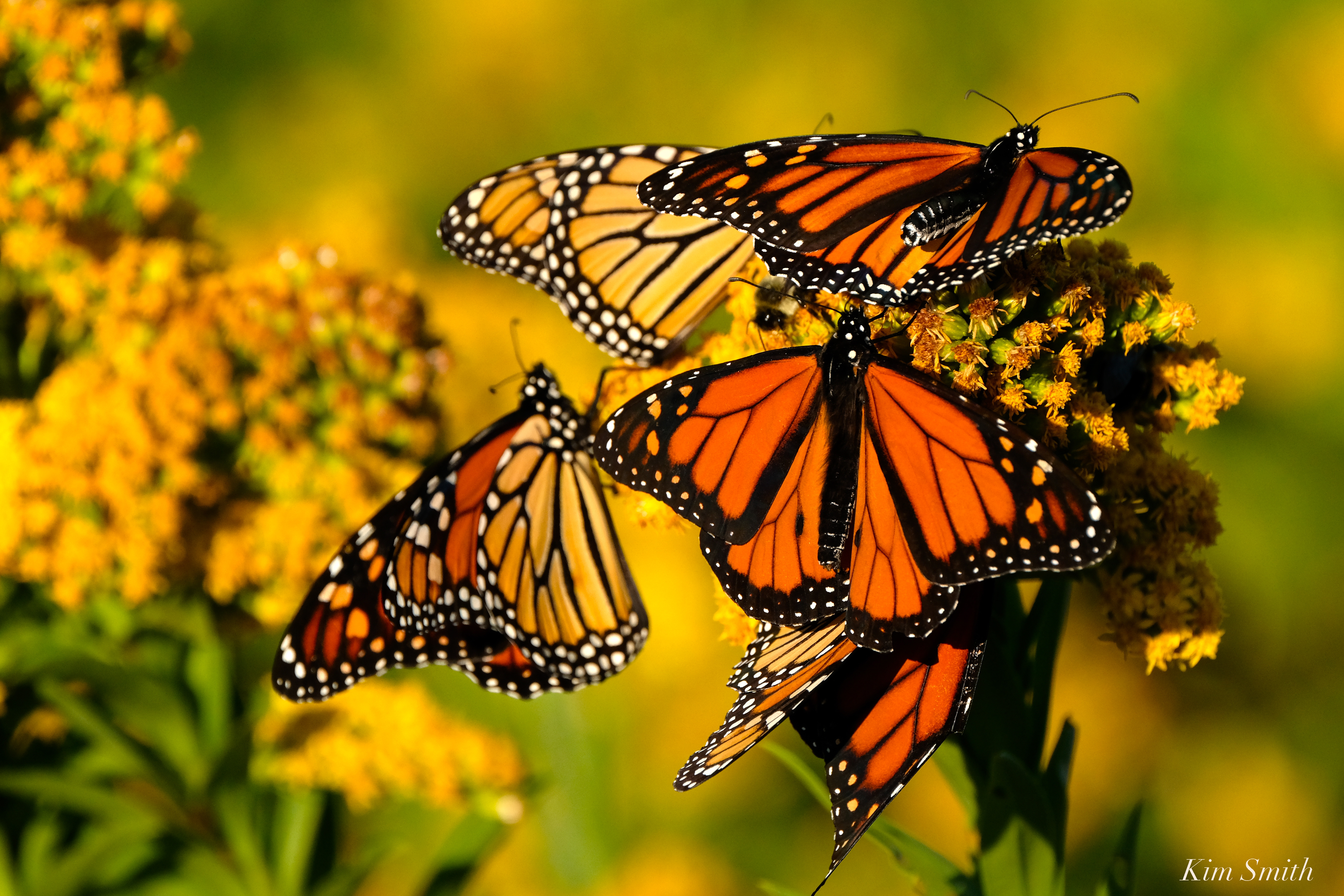
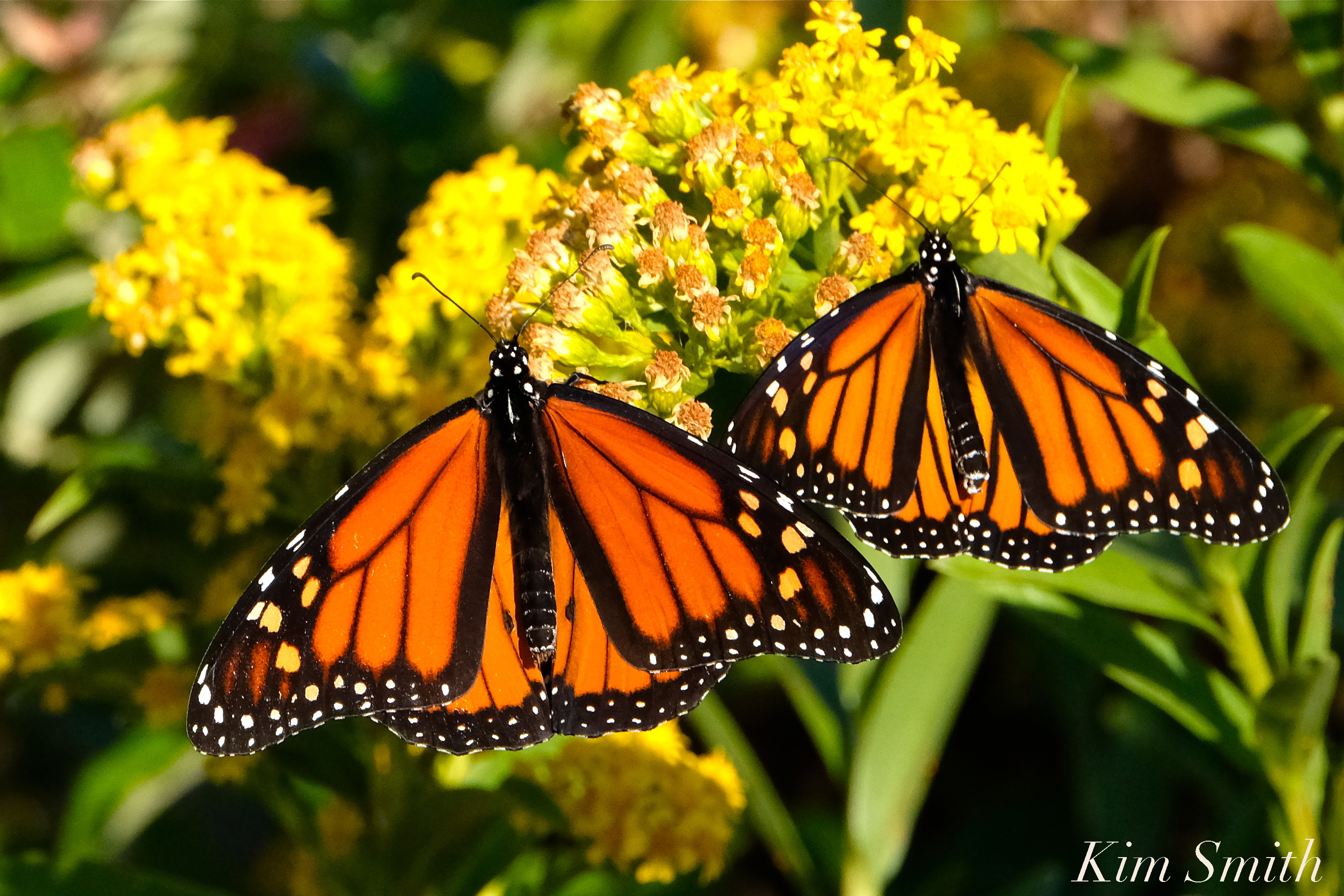
Another banner weekend for butterflies on Cape Ann with Yellow Sulphurs, Painted Ladies, and American Ladies joining the streams of Monarchs migrating along our shores.

Butterflies struggle at this time of year to find sources of nectar. Whatever you do, please do not cut back your garden until mid-November or so. Best NOT to cut back at all and to leave the drying seed heads for the songbirds and leaf litter and plant stalks for hibernating bees and caterpillars, but if one really must cut back, wait as long as possible.

If you click on the photos in the gallery, each picture is labeled with the name of the butterfly and the names of the late-blooming plants on which they are drinking nectar and building their fat reserves for the journey ahead . Butterflies will even fight over a Dandelion to try to get nectar when nothing much else is available (the best reason of all not to use Roundup on the Dandelions in a lawn).

CHASING BUTTERFLIES!

I spent the weekend chasing butterflies and will post more about the historical migration we are currently experiencing, along with the fantastic Monarch celebration at The Stevens Coolidge Place in Andover, when I have more than a few moments to write a post.

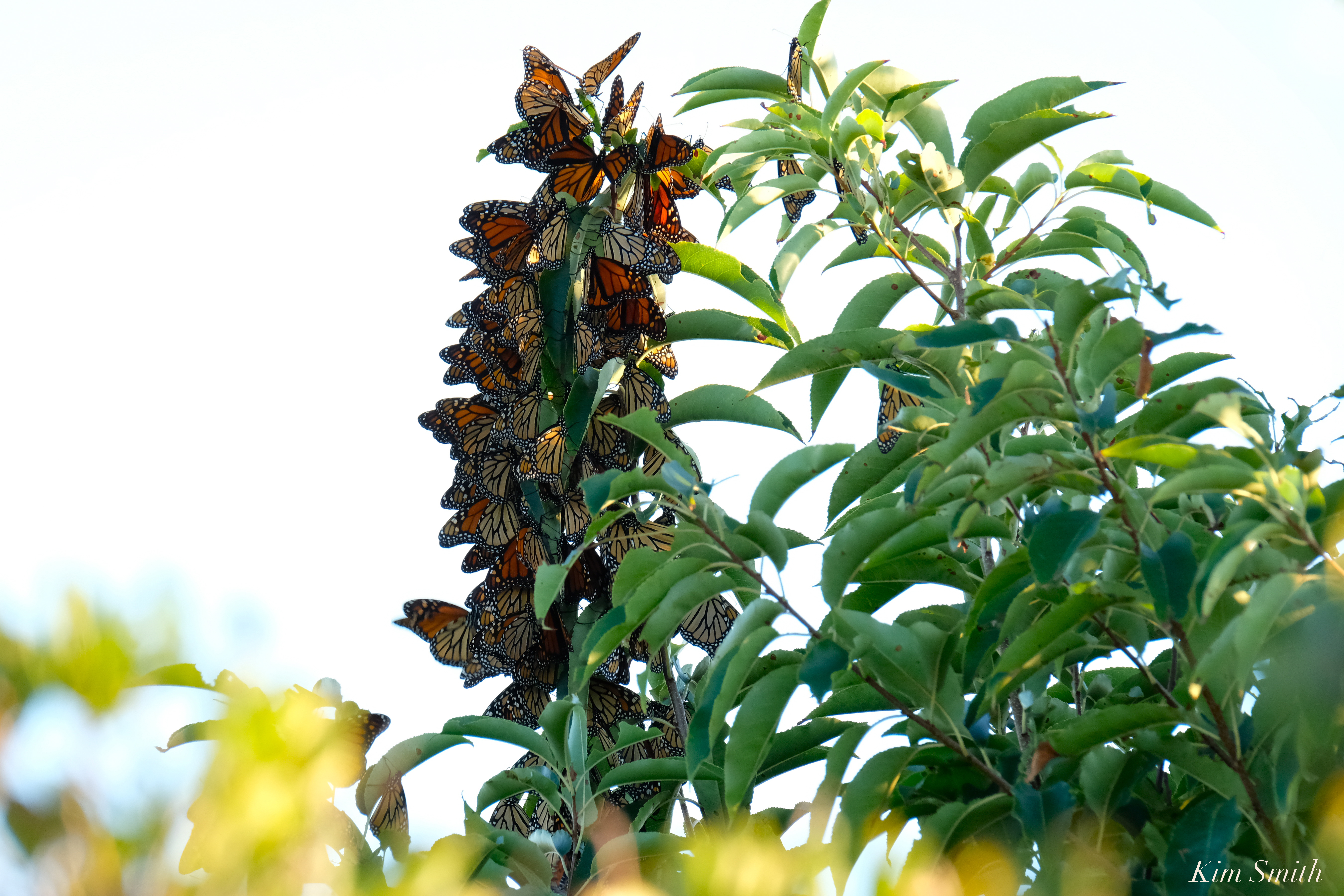
And I discovered how to find the magical butterfly trees that the migrating Monarchs roost in on cold nights!! More about that, too 🙂

Butterfly tree at day’s end.

KIM SMITH MONARCH BUTTERFLY CONSERVATION PROGRAM SATURDAY OCTOBER 5TH AT THE STEVENS COOLIDGE PLACE ANDOVER

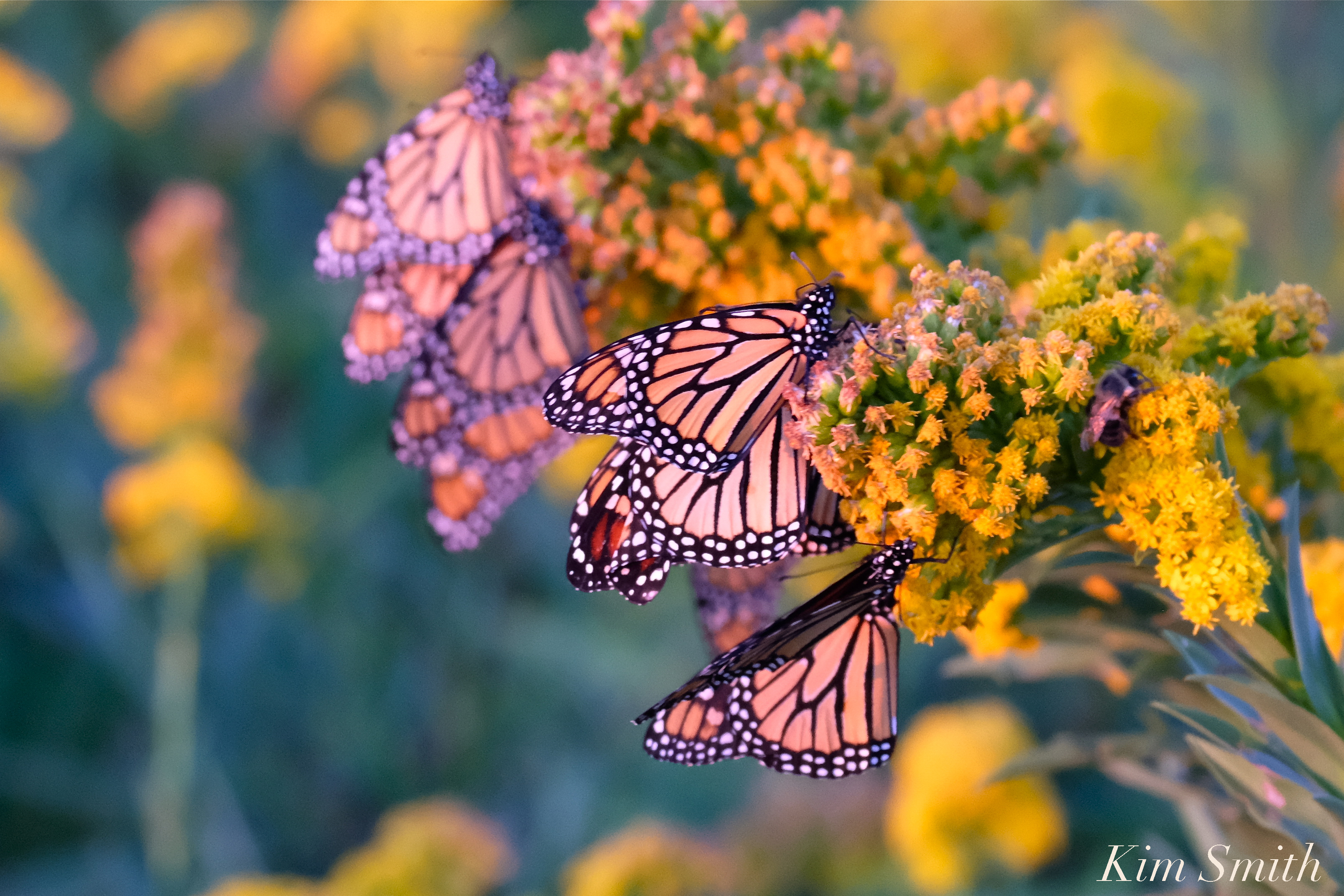
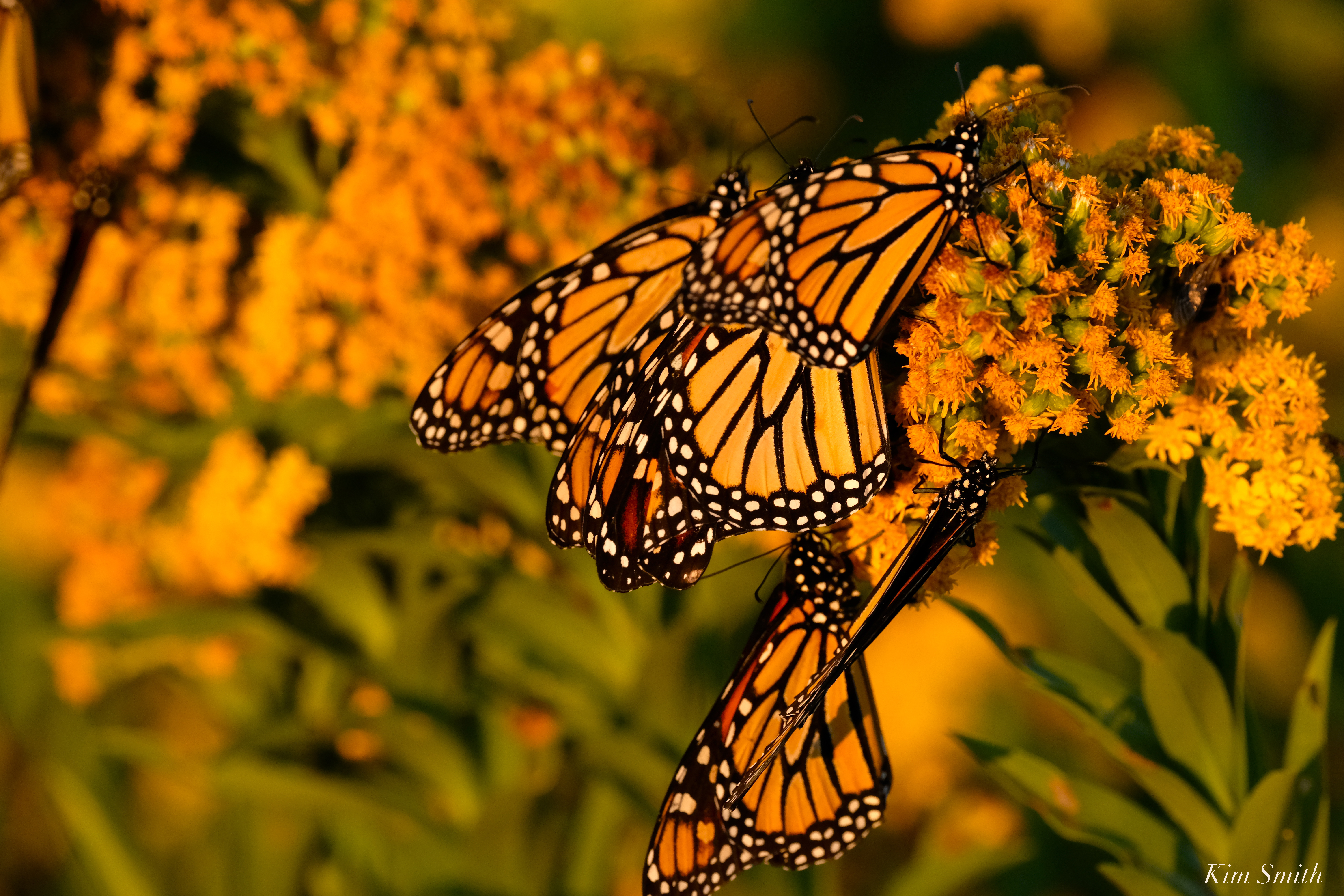
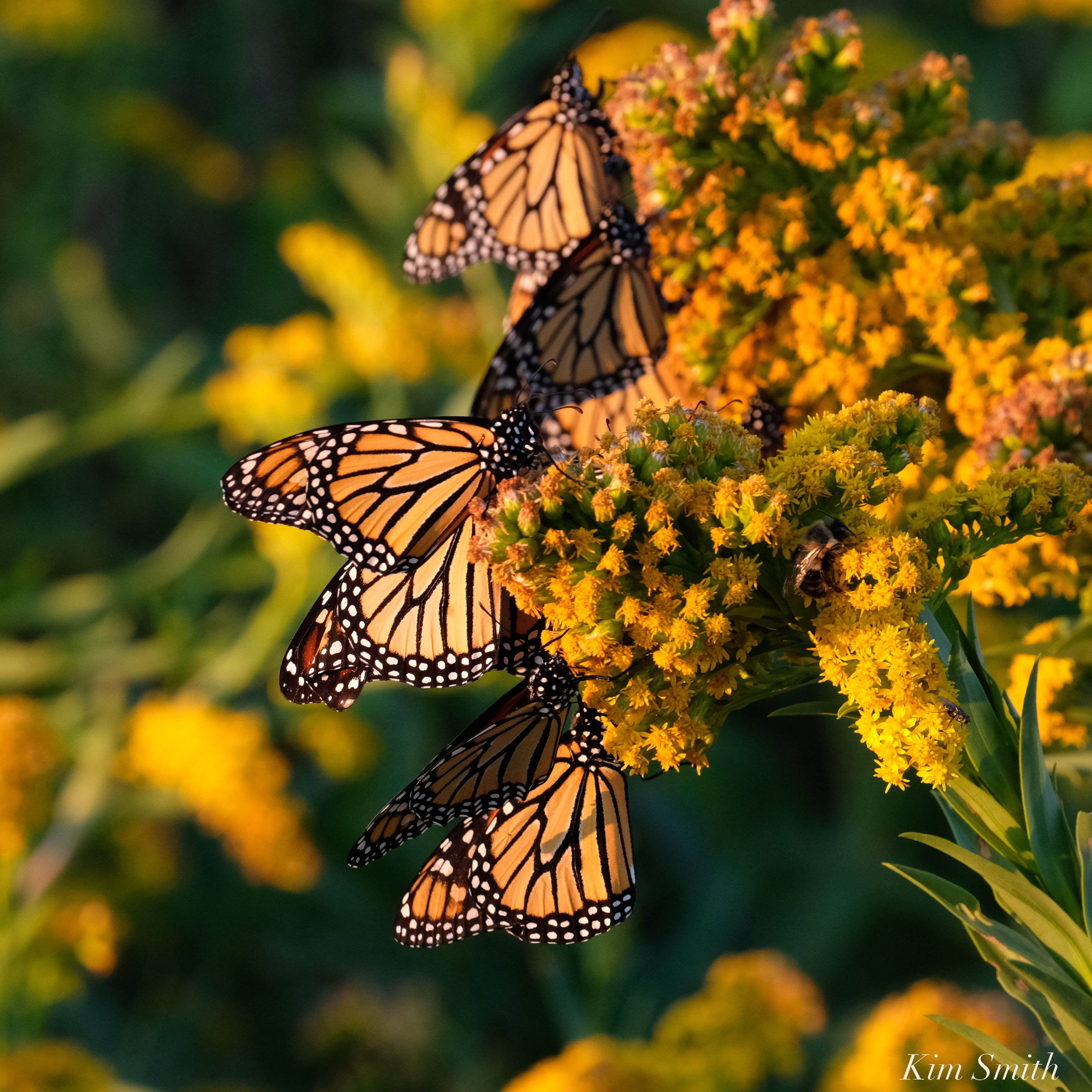
These magical creatures never cease to amaze and surprise. Early one morning I went looking in the butterfly trees for an overnight roost. Instead I found them sleeping like a dream in a golden field.

The light was pure rose gold for a few brief moments, casting a pearly pink glow over the butterflies, too.

I’ve seen a small cluster of sleeping Monarchs on a wildflower branch before, but never a field full. The wind was strong; perhaps they felt safer roosting closer to the ground.

It was funny to watch them awaken. Some flew off, but most stayed in place and began drinking nectar. Bees do this, they sleep in flowers, but it was a first to see Monarchs sleeping in their breakfast.

Come join me Saturday morning at The Stevens Coolidge Place in Andover for all things Monarch. I will be giving my Monarch conservation program at 10:30. For more information go here.

Male (left) and Female Monarch Waking Up in Goldenrod Field

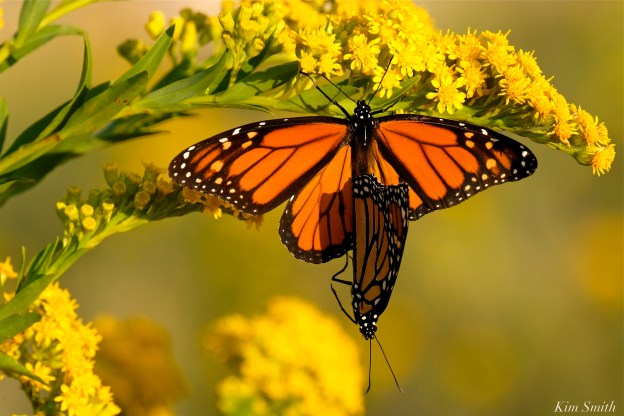
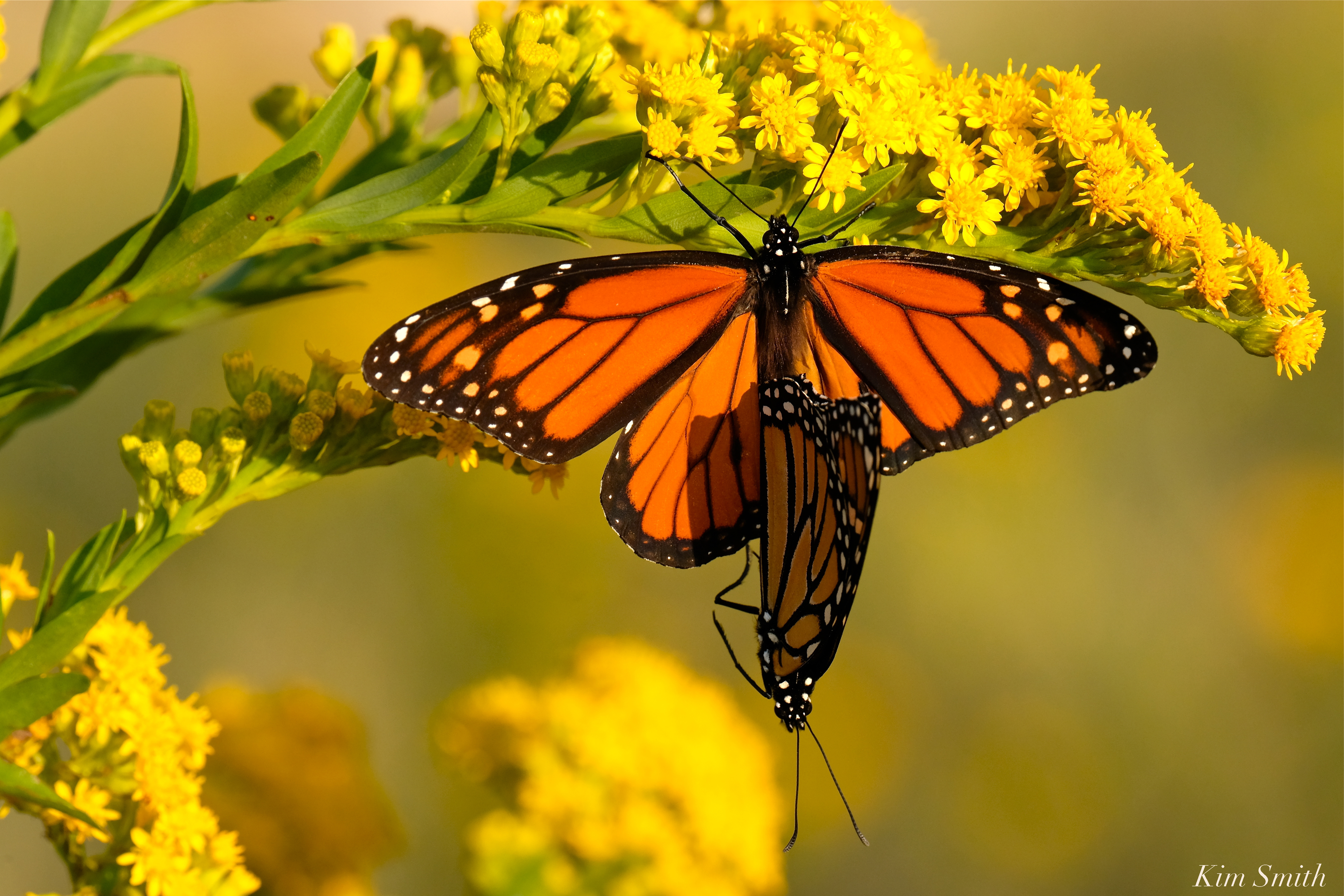
SAY WHAT! MONARCHS MATING IN SEPTEMBER???

This pair of Monarchs did not get the 411 that they are supposed to wait until next spring to mate!

Beginning in early spring, Monarchs depart Mexico. They lay eggs of the next generation and then perish. This next generation moves northward depositing their eggs on emerging milkweed. It takes four to five generations to reach the Monarch’s northern breeding grounds, of which Cape Ann is a part. The Monarchs that we see in the early summer only live for about four weeks.

The Monarchs that eclose at the end of the summer are a super generation of Monarchs. Another way to think about them is that they are also referred to as the ‘Methuselah’ Monarchs. This last brood of the summer lives for a very long time for a Monarch, about seven to eight months. The Methuselah Monarchs that we see migrating today will travel south all the way to the trans-volcanic forested mountains of central Mexico. They sleep through the winter in butterfly trees in a state of sexually immaturity known as diapause, then awaken in spring to move northward and deposit eggs of the next generation, thus completing the circle of the Monarch’s life.

So that brings us back to this atypical pair mating in the marshy meadow in September. Every year during the annual southward migration I see at least one pair of Monarchs mating. I wonder, will the pair survive and continue to migrate? Will their offspring survive and travel further south?

Please join me Saturday, October 5th, at 10:30 at The Stevens Coolidge Reservation in Andover for a Monarch Migration Celebration and for my conservation talk about the Monarchs. For more information, see here.

WILDLY BEAUTIFUL AND HISTORIC MONARCH MIGRATION OF 2019

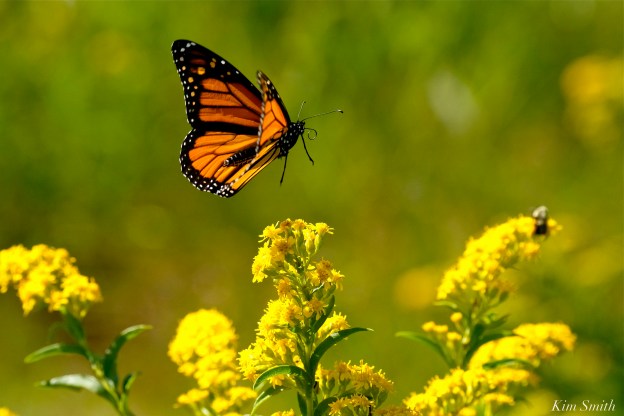
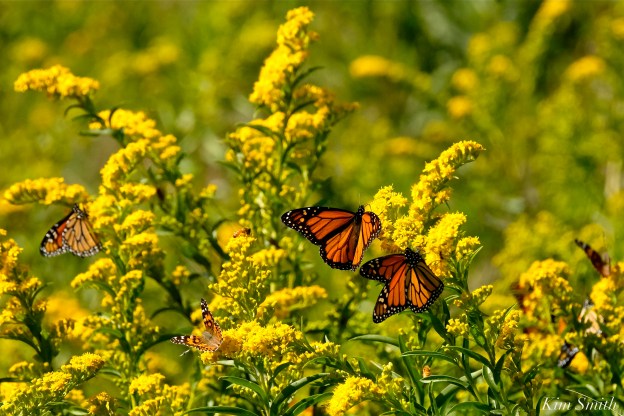
Multitudes of silently beautiful brilliant orange flakes swirl overhead. Ontario, Chicago, the Great Lakes, Wisconsin, Iowa, Nebraska, Texas–the list goes on and on–reports of record numbers of Eastern Monarchs are being shared throughout the country.

Monarchs are building their fat reserves by drinking nectar from wildflowers and garden flowers all along their migratory route. These migration pathways occur in urban centers such as Toronto, Chicago, Atlanta, and Kansas City; the Appalachian Mountains of West Virginia and Virginia; the fields and prairies of Minnesota, Kansas, Iowa, and Nebraska; and along the coastlines of the Atlantic, Gulf of Mexico, and Great Lakes.

The Atlantic Coast travelers are typically a week or two behind the Monarchs that migrate through the central part of the U.S. There are still large numbers of Monarchs in the Northeast waiting for the right conditions to journey on.

Here on Cape Ann I have been following the migration and checking hotspots several times daily. Beginning September 8th, the migration along our shores really began to pick up steam. We have had a steady stream with many overnight roosts. The last wave that came through migrated during the morning hours, but rather than staying overnight, continued on their journey, helped by a strong northeasterly wind.

Many thousands of photos were taken this past month and I will share them in upcoming posts, along with helpful answers to some Monarch questions that I am frequently asked. In addition to the photos, I have of course been filming. While my Monarch documentary, Beauty on the Wing, is in the final stages of post production, some of the footage from this year’s historic migration will make it into the film.

Please join me this coming Saturday, October 5th, at 10:30am at The Stevens Coolidge Place in Andover where I will be giving a talk and slide presentation on Monarch Butterfly conservation. A whole wonderful day of activities is planned for the kids and adults.

MONARCH MIGRATION CELEBRATION

You spent the summer watching them flit about your gardens, now it’s time to wish them well on their trip down to Mexico – it’s the Monarch Migration Celebration at Stevens-Coolidge Place!

This celebration will kick off with a children’s pollinator parade around the property (costumes encouraged!) bringing all visitors to an afternoon of demos, crafts & stories, seed bomb making and gardening tips to bring these orange friends to your yard in the spring. Want to join in the butterfly tagging? Bring your flying friends with you and we’ll be happy to show you how! Butterfly release at 2:30PM

Trustees Member: $3
Trustees Member Child: $5
Trustees Family: $15

Nonmember: $6
Nonmember Child: $10
Nonmember Family: $25
Please help us plan for the day. Pre-registration is encouraged.

STEVENS COOLIDGE PLACE

137 ANDOVER STREET

Monarchs, Common Buckeye, and Painted Lady

SAVE THE DATE – KIM SMITH MONARCH BUTTERFLY PROGRAM AT THE TRUSTEES OF RESERVATIONS STEVENS COOLIDGE PLACE

Please join me for the Monarch Migration Celebration at the Stevens Coolidge Place in Andover on Saturday October 5th at 10:30am. I am cosponsoring the event and giving my slide presentation and talk “Beauty on the Wing: Life Story of the Monarch Butterfly.” The presentation is part of a day long event celebrating the Monarch migration. This promises to be a wonderfully fun day for kids and adults!

MONARCH MIGRATION CELEBRATION

You spent the summer watching them flit about your gardens, now it’s time to wish them well on their trip down to Mexico – it’s the Monarch Migration Celebration at Stevens-Coolidge Place!

This celebration will kick off with a children’s pollinator parade around the property (costumes encouraged!) bringing all visitors to an afternoon of demos, crafts & stories, seed bomb making and gardening tips to bring these orange friends to your yard in the spring. Want to join in the butterfly tagging? Bring your flying friends with you and we’ll be happy to show you how! Butterfly release at 2:30PM

Trustees Member: $3
Trustees Member Child: $5
Trustees Family: $15

Nonmember: $6
Nonmember Child: $10
Nonmember Family: $25
Please help us plan for the day. Pre-registration is encouraged.

STEVENS COOLIDGE PLACE

137 ANDOVER STREET

NORTH ANDOVER

THE DANCE OF COLOR AND LIGHT – MONARCHS ON THE MOVE!

Monarchs were on the move over the weekend, not only on Cape Ann, but all over northern and northeastern regions of the country* very solid numbers of migrating Monarchs are being shared, from Ontario, to upstate New York, Michigan, and Maine.

Lets keep our hopes up for good weather for the Monarchs on the next leg of their journey southward!

*Ninety percent of the Monarch Butterfly migration takes place east of the Rocky Mountains.

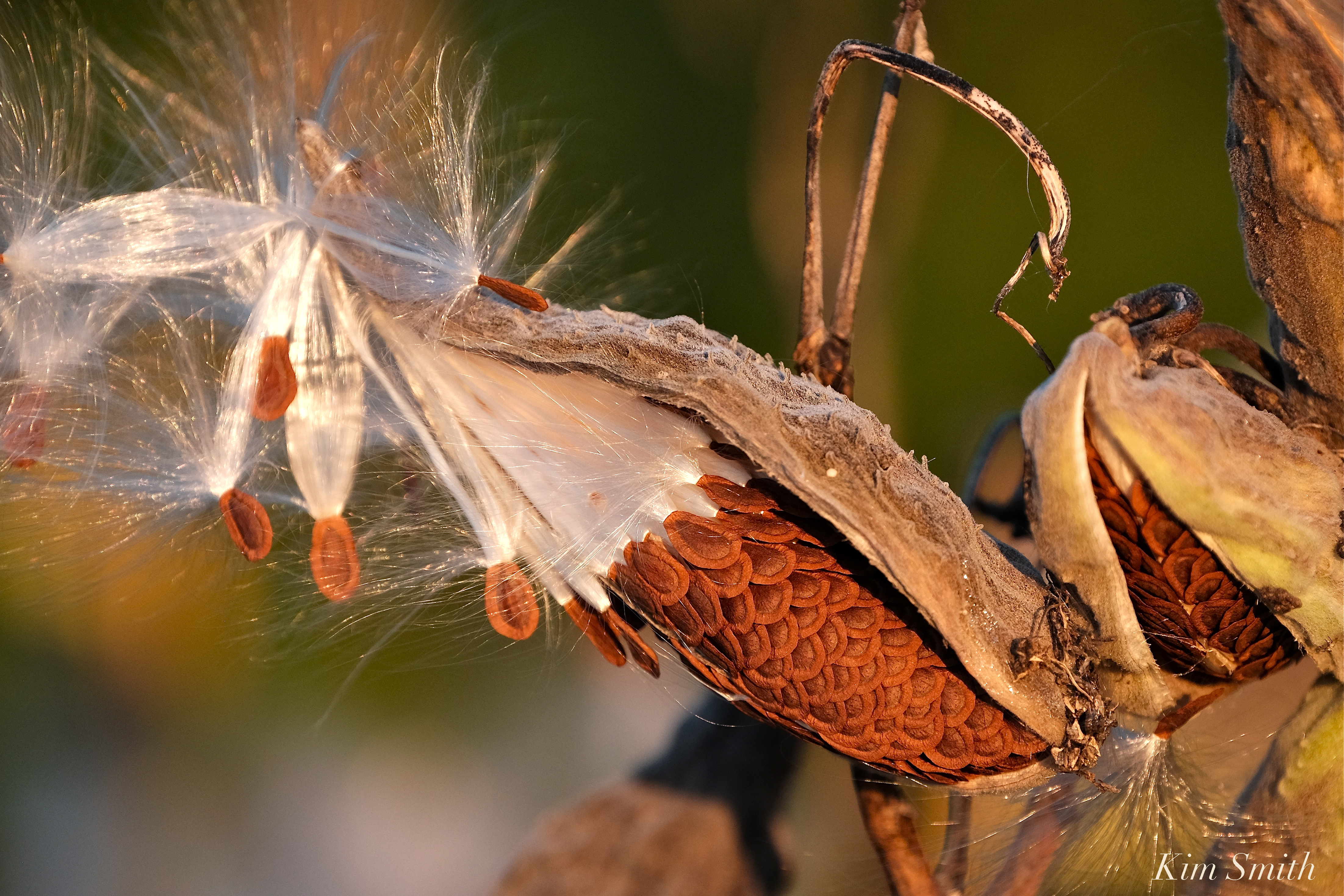
If you would like to help support the Monarchs, think about creating a milkweed patch in your garden. The best and most highly productive milkweed for Monarch caterpillars is Common Milkweed (Asclepias syriaca), the milkweed we see growing in our local marshes and dunes. The seed heads are ripe for plucking when they have split open and you can see the brown seeds and beautiful floss.

For several of my readers who have expressed difficulty in germinating milkweed seeds, the following is a foolproof method from the Lady Bird Johnson Wildflower Center.

HOW TO GERMINATE MILKWEEDS

MILKWEEDS (ASCLEPIAS SPP.) ARE NOTORIOUSLY DIFFICULT TO GERMINATE. But don’t despair. The Wildflower Center has developed and tested a protocol that results in good germination rates for a number of our native milkweed species. Follow this process and you’ll soon be on your way to supporting monarchs, bumblebees and tons of other insects that depend on milkweed plants. READ the complete article here.

KIM SMITH MONARCH BUTTERFLY PROGRAM FOR KIDS AT THE SAWYER FREE LIBRARY

Come join us Wednesday morning from 10am to 11am at the Sawyer Free Library where I will be sharing Monarch fun with young people. We have art activities, as well as eggs, caterpillars, chrysalides, and possibly a butterfly or two emerging on the day of the program. I hope you can join us!

This program is held in conjunction with the Cape Ann Reads exhibit currently on view at the main floor of the Sawyer Free.

2019 has been an amazing year for Monarchs. We got off to a very early and fantastic start, but then with a wave of cool rainy weather the Monarch movement slowed considerably. Despite the slow down, we’ve had at least two subsequent waves come through for a total of three broods this summer. Hopefully this will translate to a great 2019 migration followed by strong numbers at the Monarch butterfly’s winter sanctuaries at Michoacán and the state of Mexico.

The eggs we see now on milkweed plants are the super generation of Monarchs that will travel to Mexico!

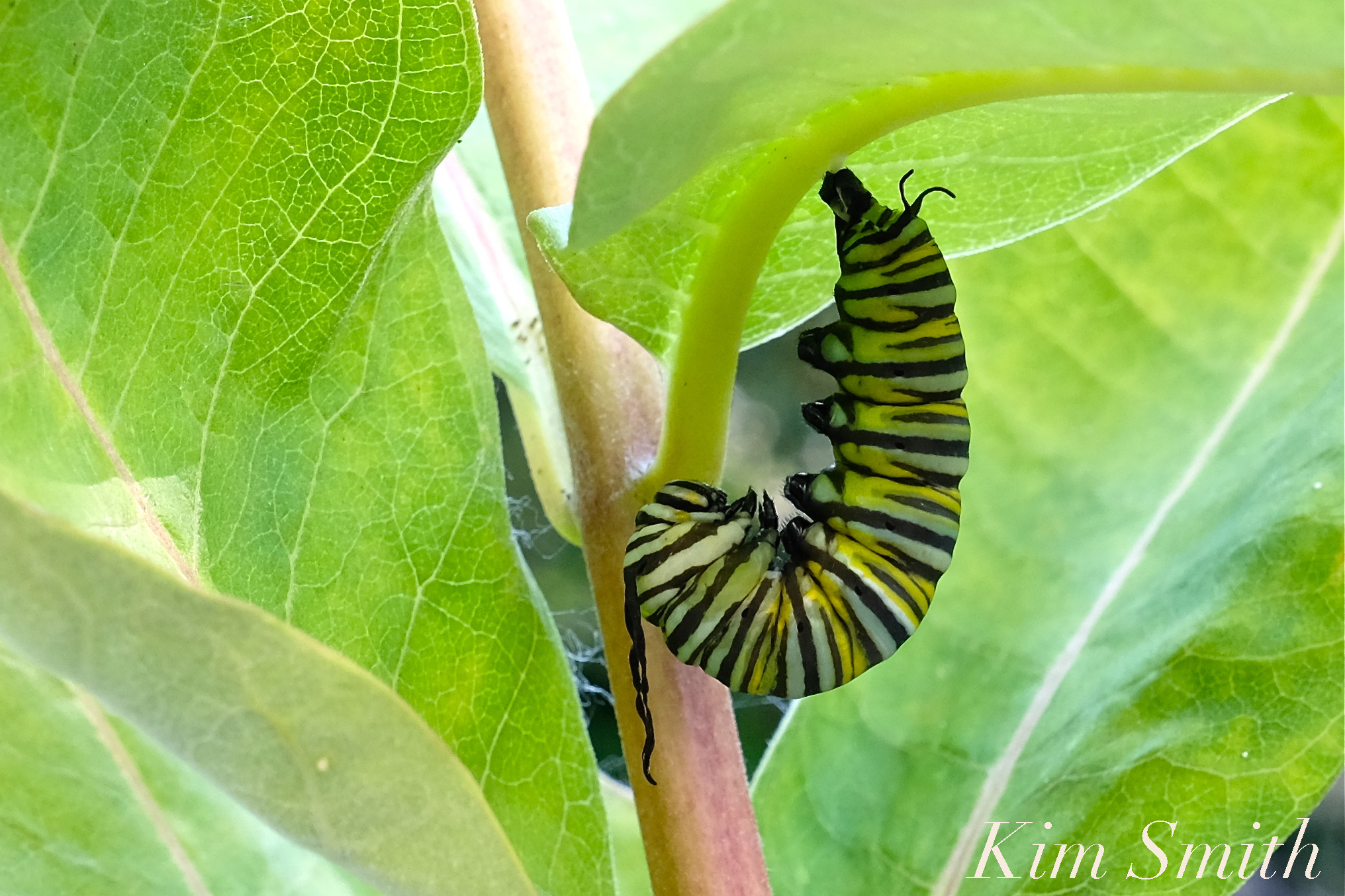
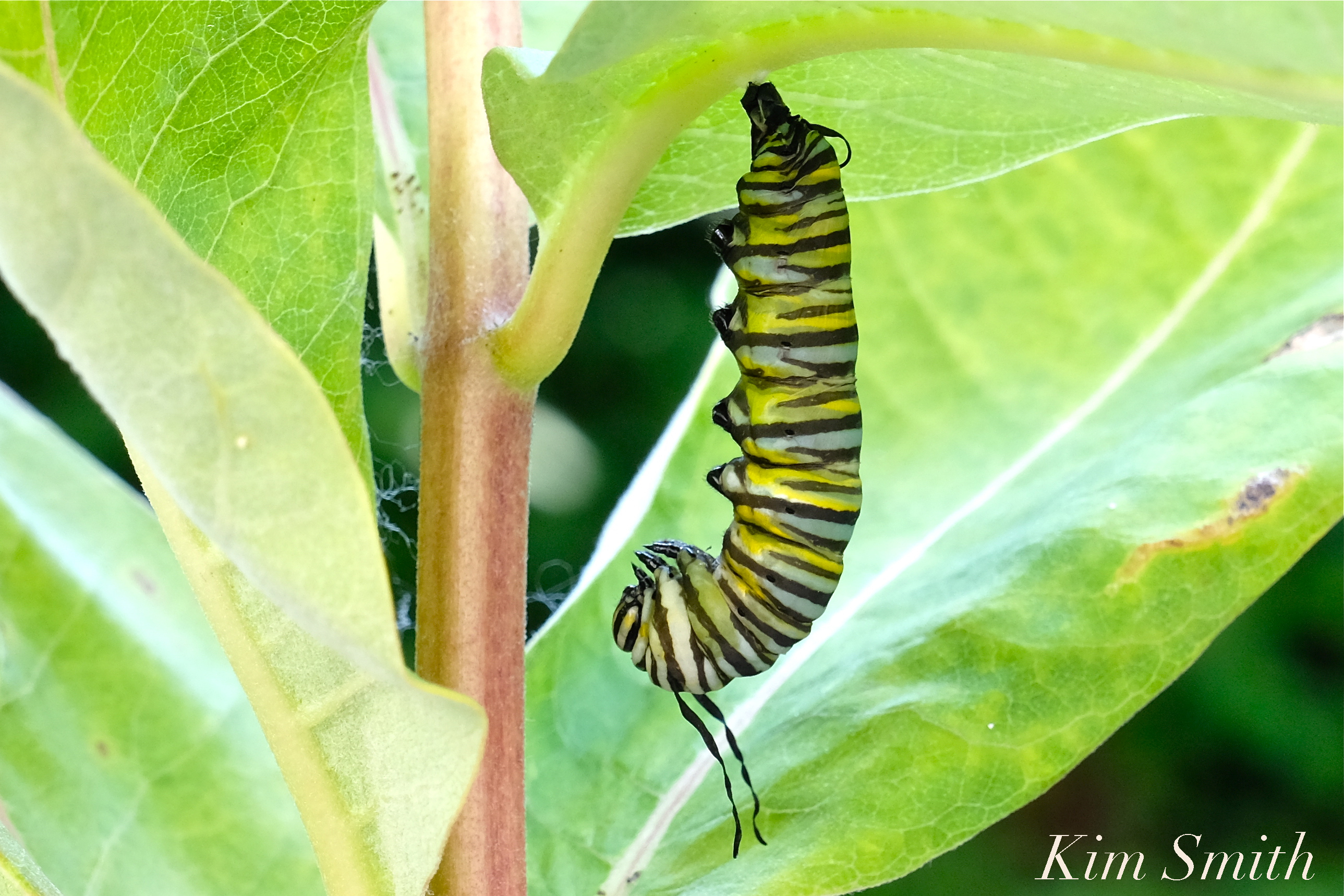
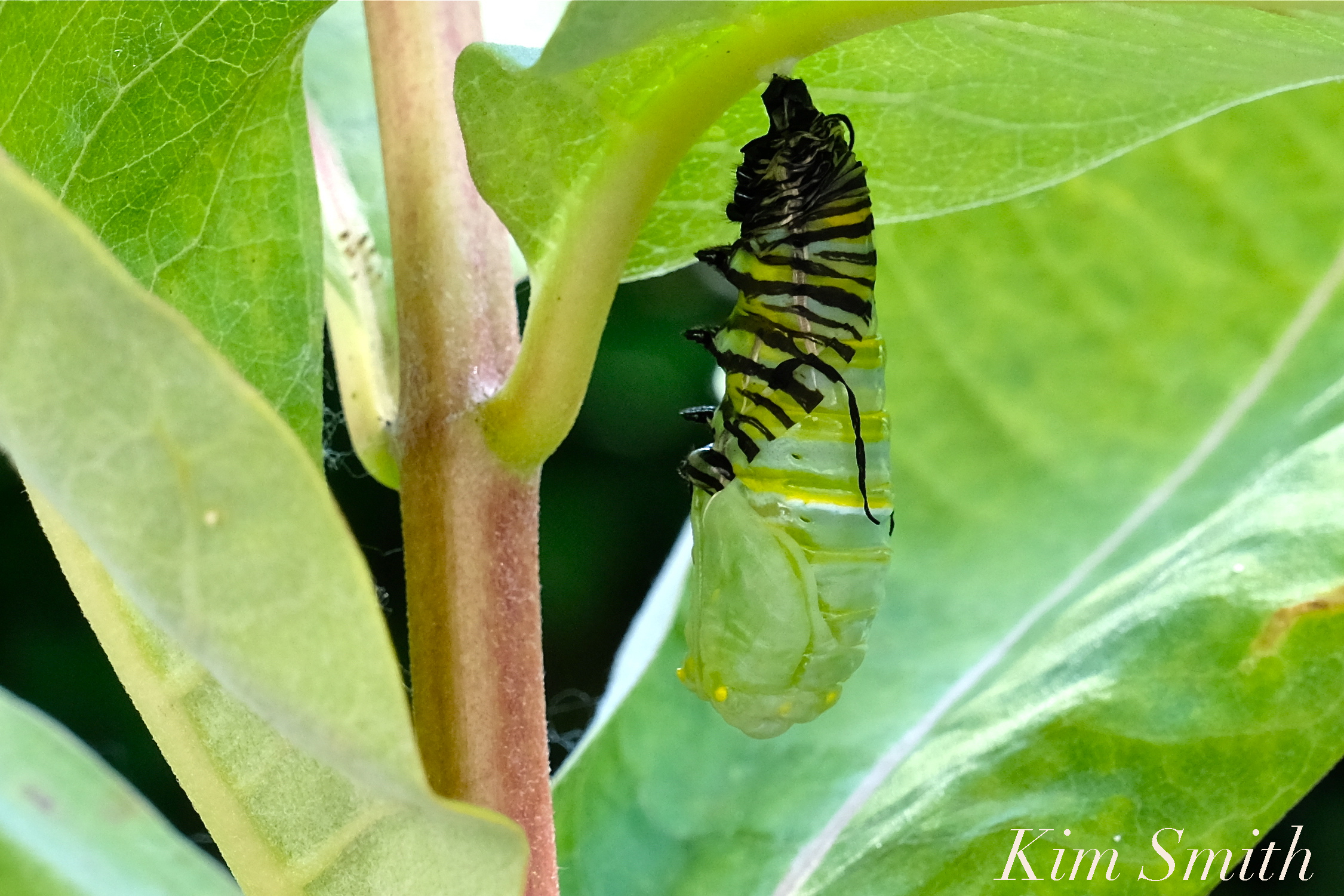
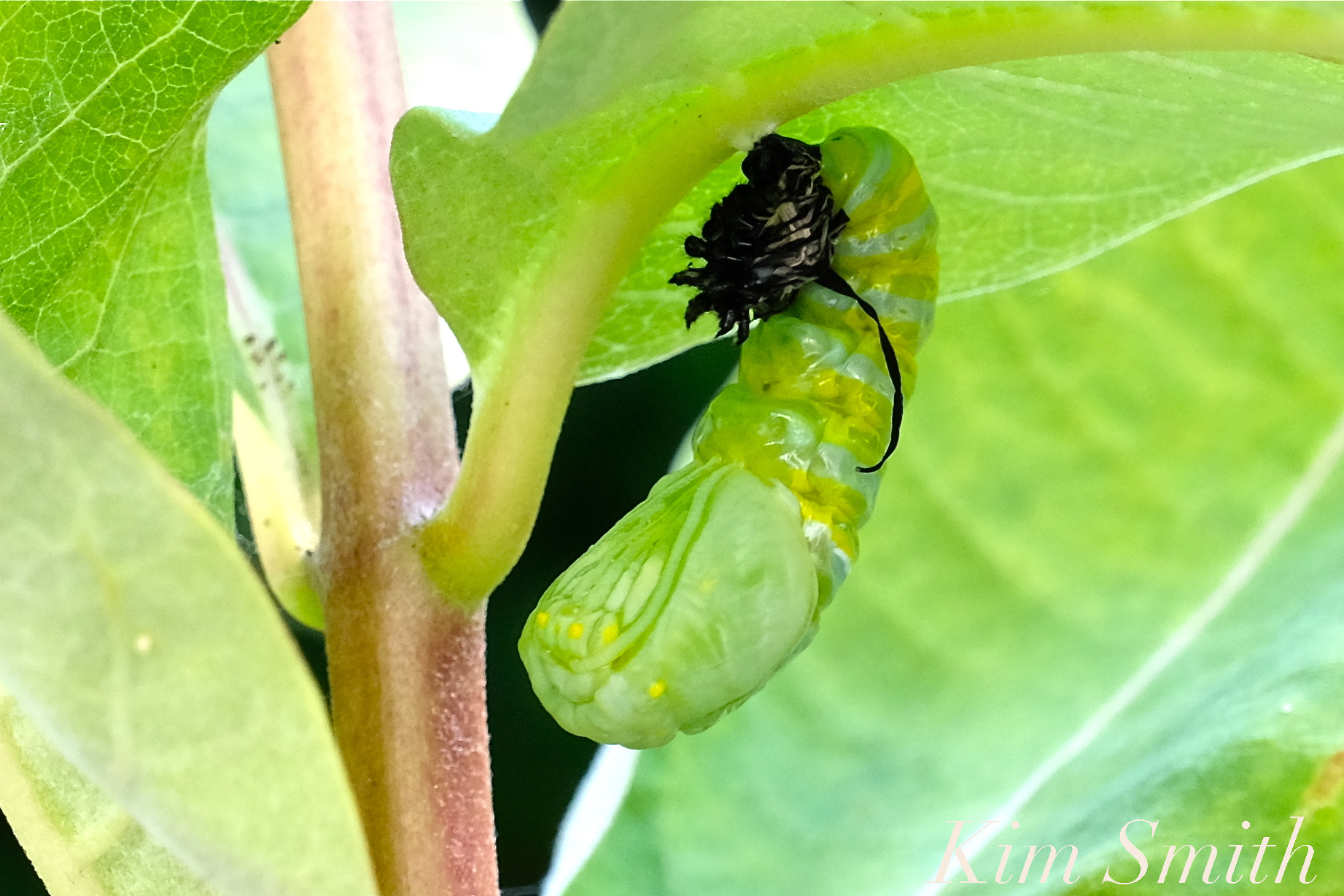
The photos show the Monarch caterpillar becoming a chrysalis. When ready to pupate, the caterpillar finds a safe place and spins a silky mat. He inserts his last pair of legs into the silky mat and hangs upside down in a J-shape for about a day. Biological developments that began when the caterpillar first emerged are in high gear now. The caterpillar’s suit, or exoskeleton, splits along the center line of the thorax and shrivels as the developing green chrysalis is revealed. The last photo in the gallery shows the moment when the old skin is tossed off.