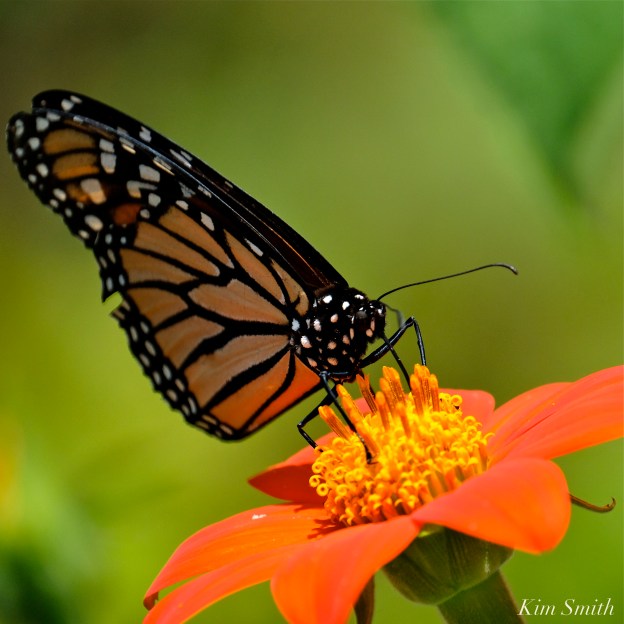
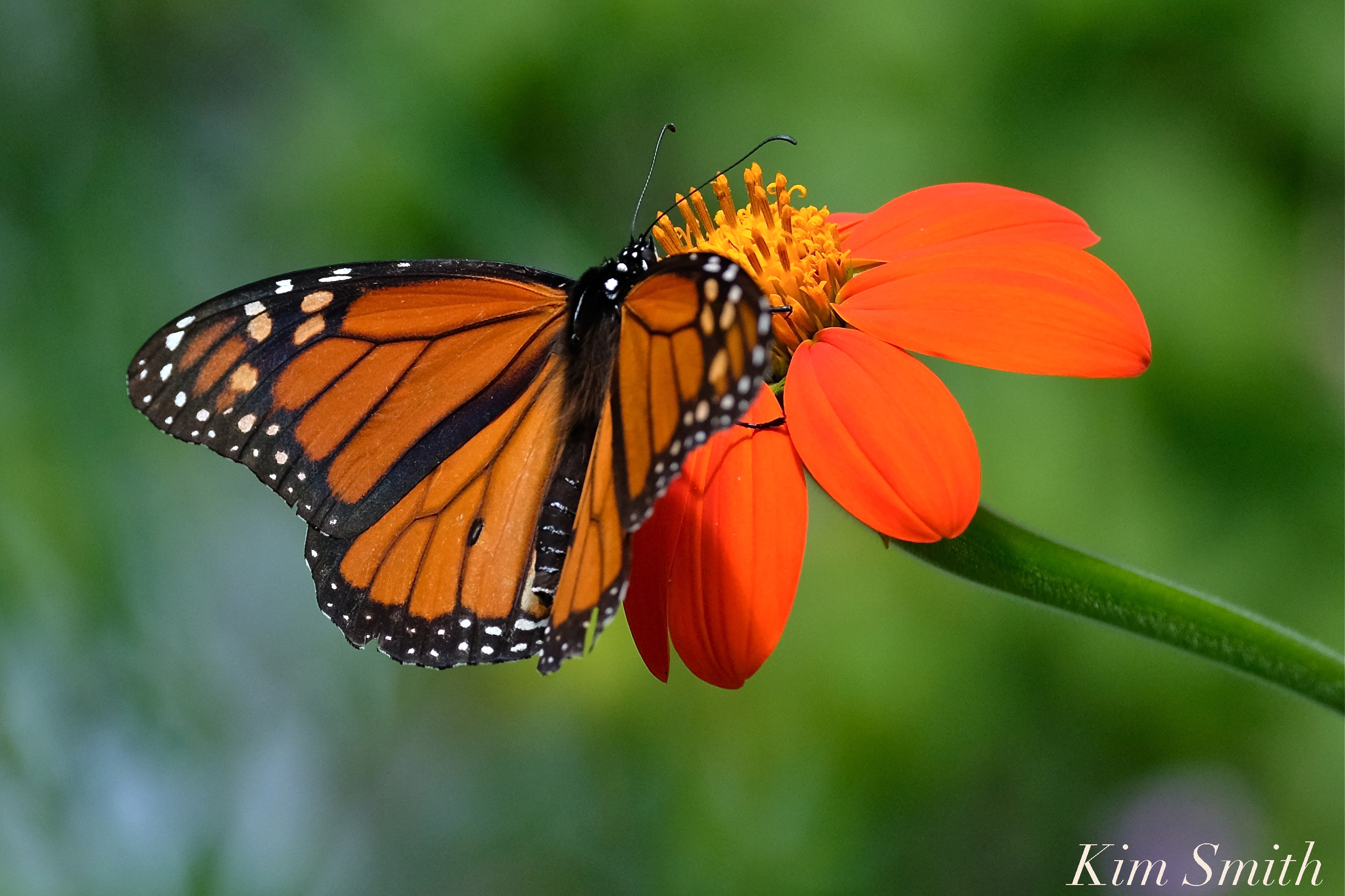
The brilliant red-orange Mexican Sunflower (Tithonia rotundifolia) is a beneficial pollinator magnet. Plant and they will come! Grow a patch of milkweed next to your Mexican Sunflowers and you will not only attract Ruby-throated Hummingbirds and an array of bee species, but every Monarch Butterfly in the neighborhood will be in your garden.
Its many common names include Red Torch Mexican Sunflower, Bolivian Sunflower, Japanese Sunflower, but one of the loveliest is ‘Golden Flower of the Aztecs.’ Tithonia rotundifolia grows wild in the mountains of Central Mexico and Central America.
Mexican Sunflower is one of my top ten favorites for supporting Monarchs, is extremely easy to grow, and deer do not care for its soft, velvety leaves. Plant in average garden soil, water, and dead head often to extend the blooming period. Ours flower from July through the first frost. Collect the seedheads after the petals have fallen off, but before they dry completely and the songbirds have eaten all the seeds.
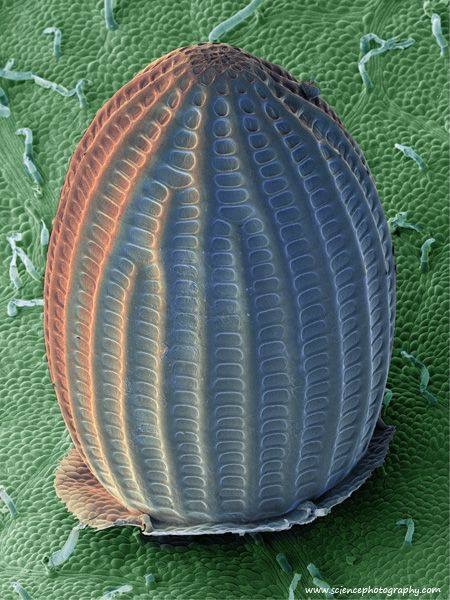
Several friends have shared this stunning photo from http://www.sciencephotography.com. To the naked eye, a Monarch Butterfly egg is the size of a pinhead.
HORRAY FOR THIS BANNER SUMMER OF MONARCHS!!!! I hope it translates to a great migration this fall 🙂
I went to my garden to gather a sprig of milkweed to feed a single caterpillar. I checked the leaves for eggs and didn’t see any. A few days later I had dozens of teeny weeny caterpillars munching away on the sprig. The Mama Monarch laid her eggs all around the milkweed buds and it’s nearly impossible to see eggs on buds.
Keep your eyes peeled for eggs on the leaves, and also on the flower buds of your milkweed plants, especially Marsh Milkweed.
Come join us Wednesday morning from 10am to 11am at the Sawyer Free Library where I will be sharing Monarch fun with young people. We have art activities, as well as eggs, caterpillars, chrysalides, and possibly a butterfly or two emerging on the day of the program. I hope you can join us!
This program is held in conjunction with the Cape Ann Reads exhibit currently on view at the main floor of the Sawyer Free.
2019 has been an amazing year for Monarchs. We got off to a very early and fantastic start, but then with a wave of cool rainy weather the Monarch movement slowed considerably. Despite the slow down, we’ve had at least two subsequent waves come through for a total of three broods this summer. Hopefully this will translate to a great 2019 migration followed by strong numbers at the Monarch butterfly’s winter sanctuaries at Michoacán and the state of Mexico.
The eggs we see now on milkweed plants are the super generation of Monarchs that will travel to Mexico!
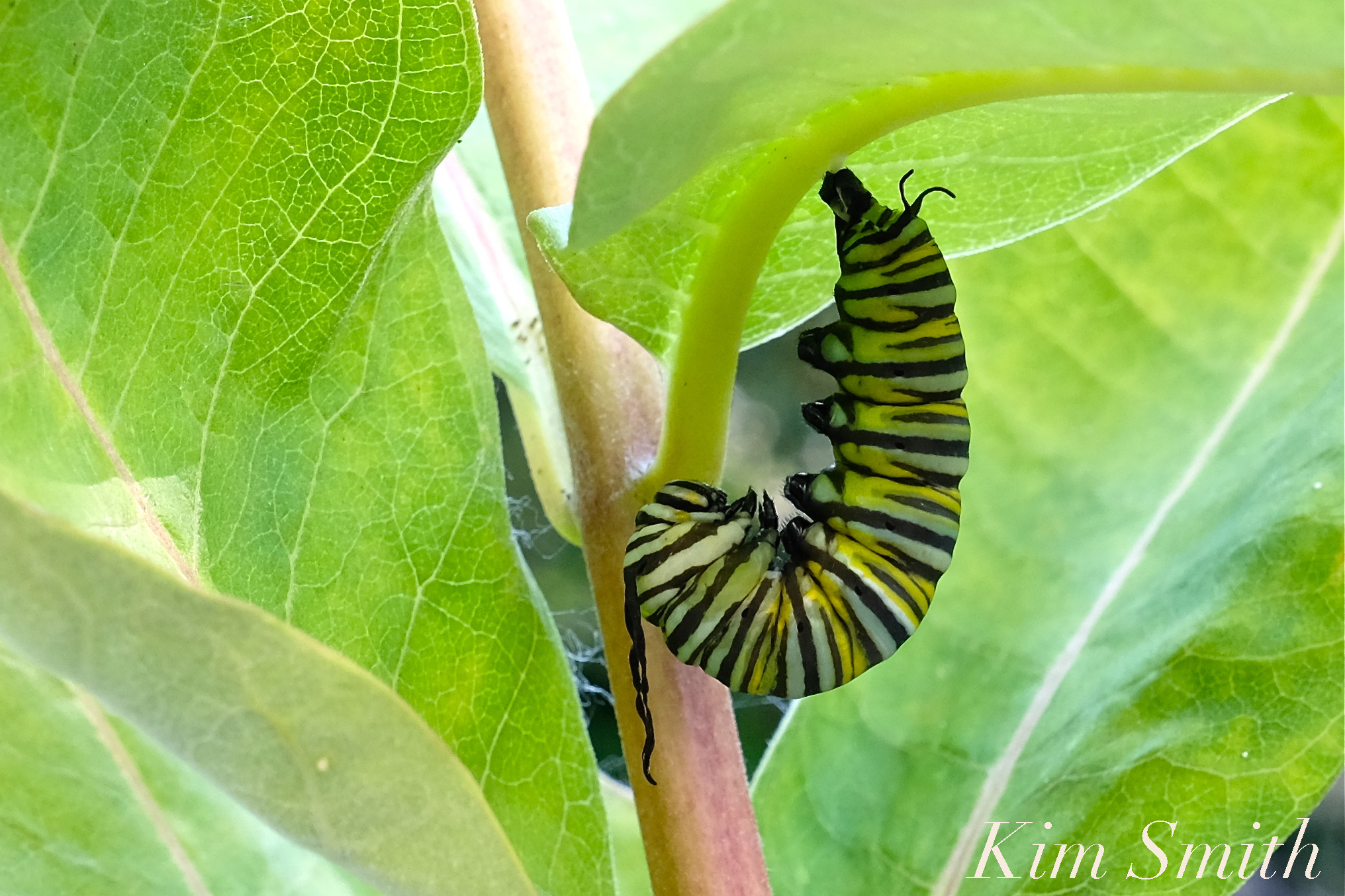
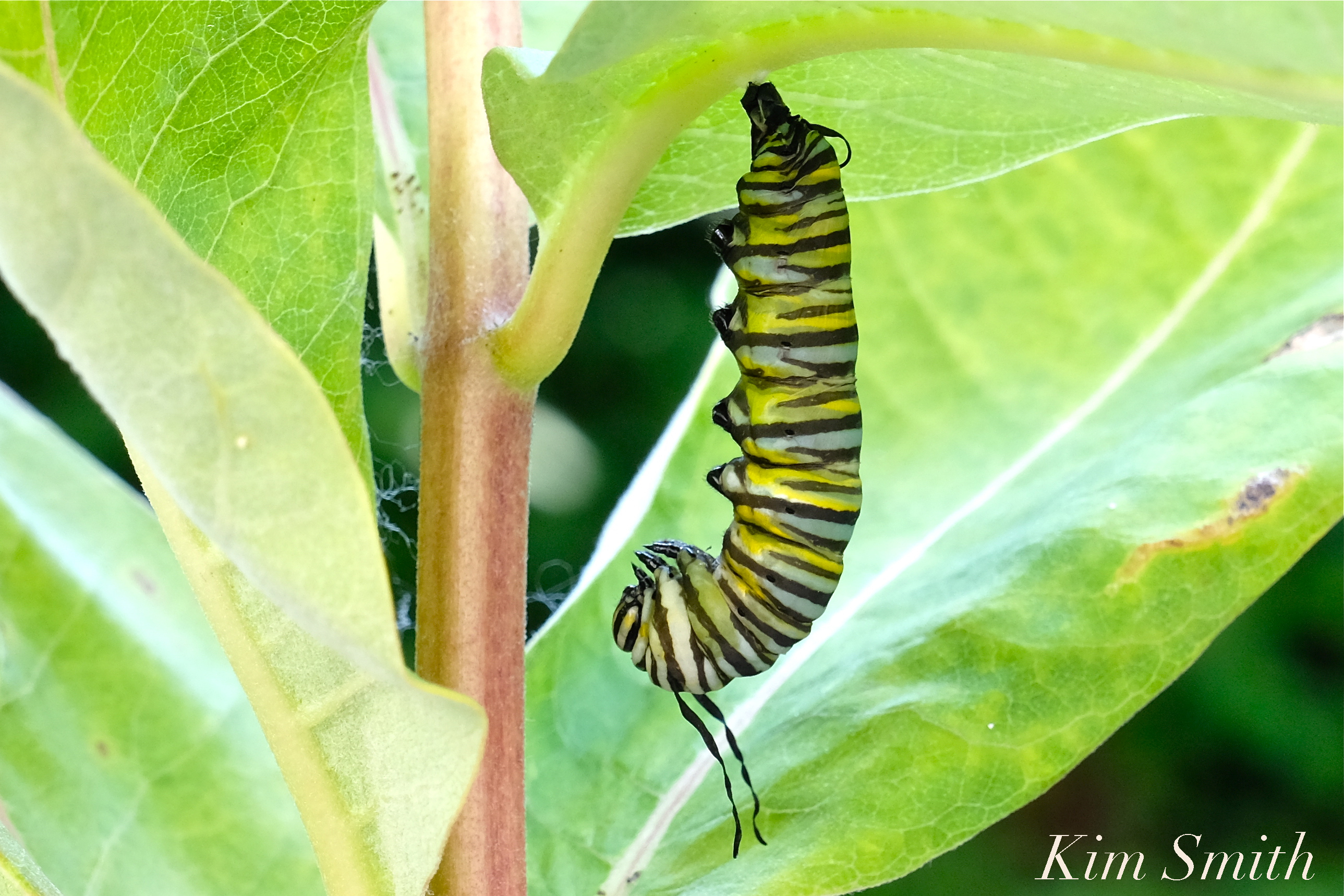
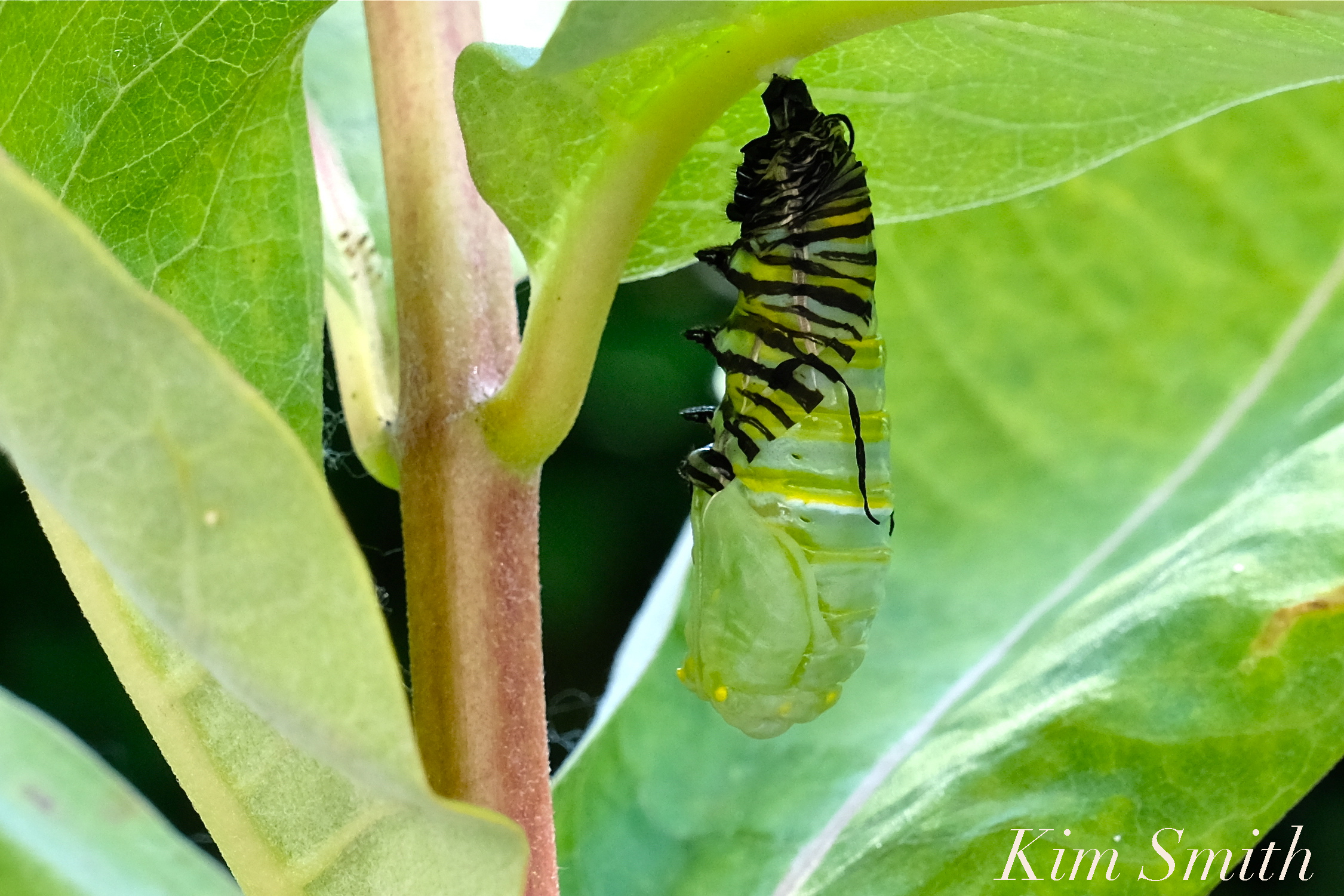
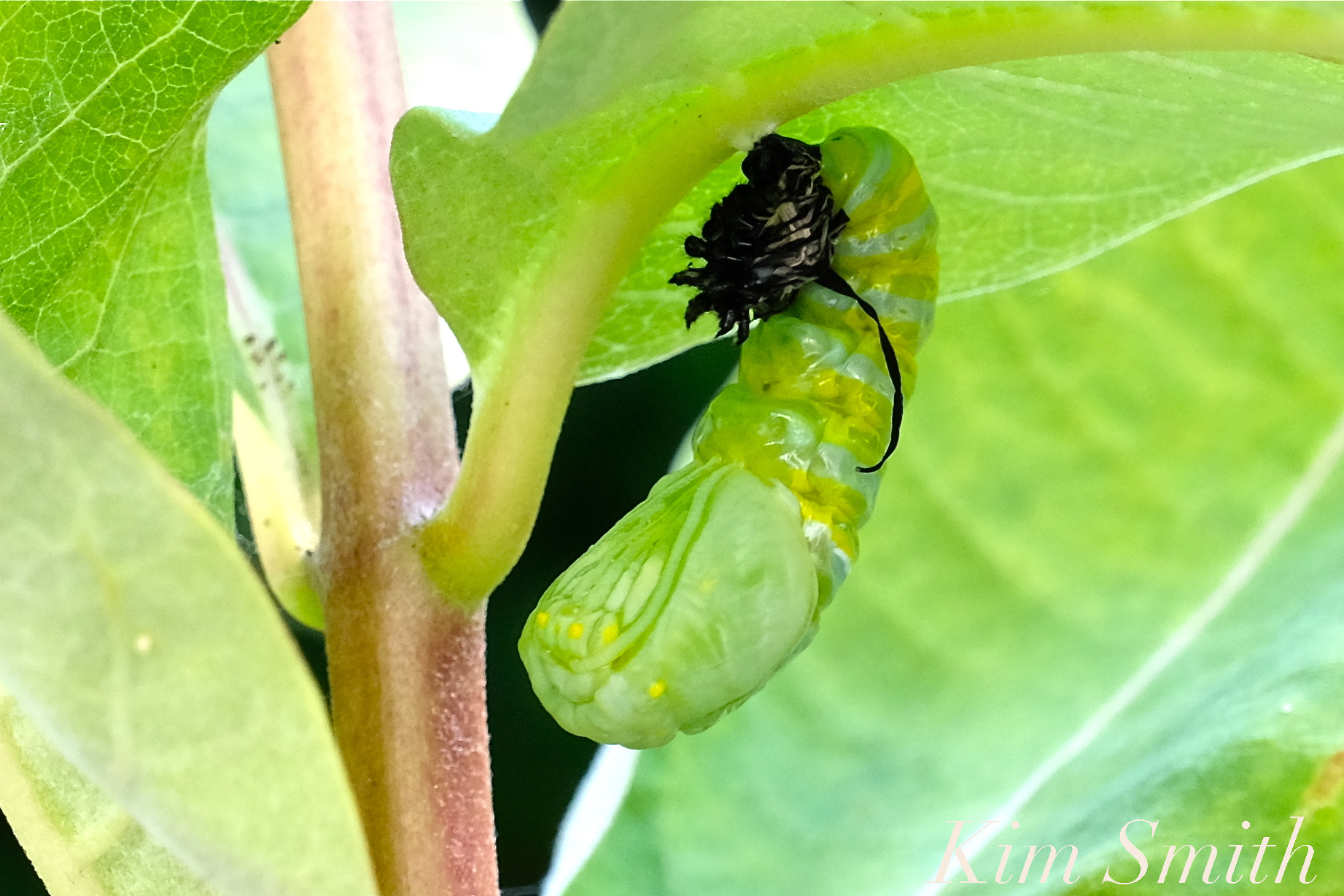
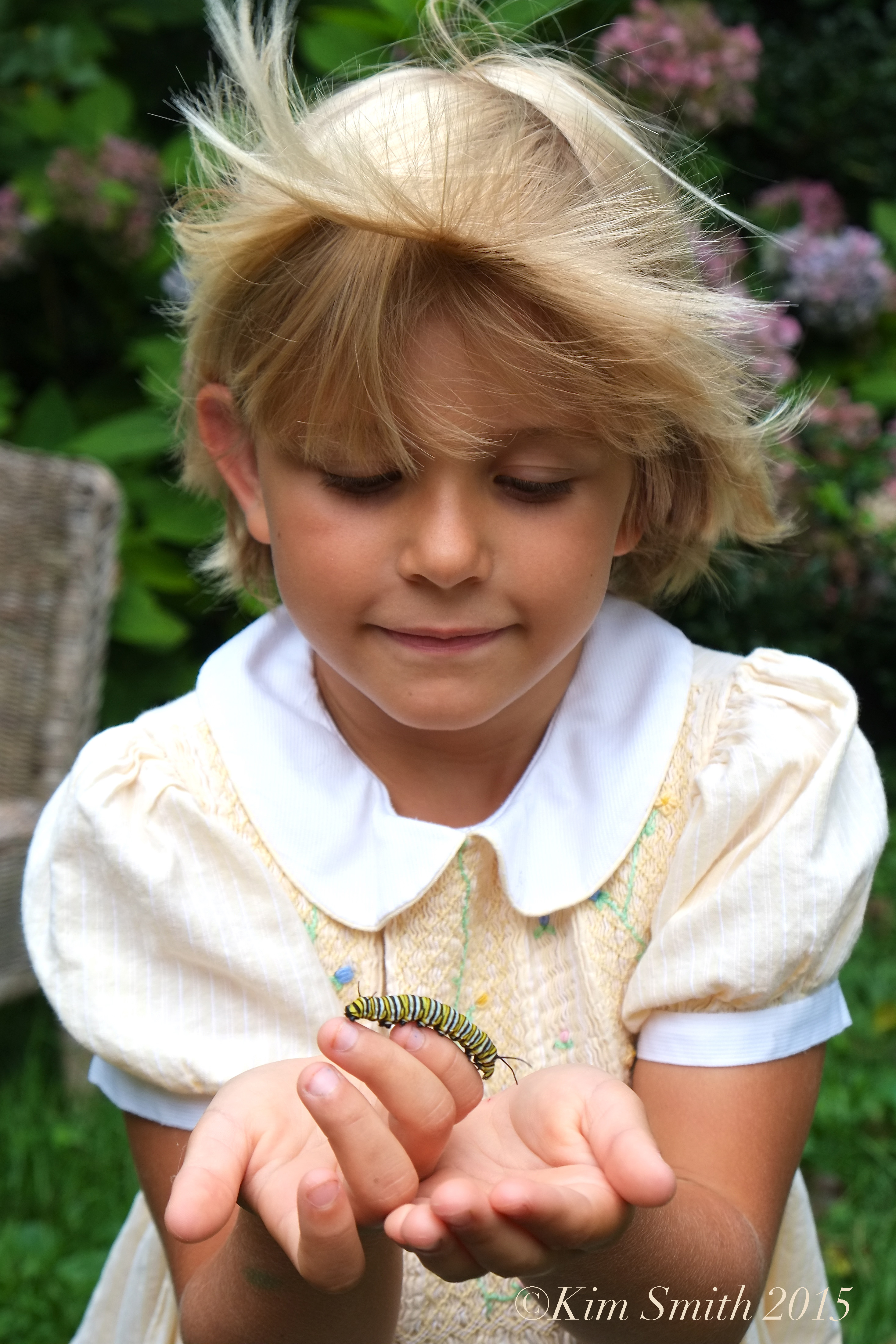
The photos show the Monarch caterpillar becoming a chrysalis. When ready to pupate, the caterpillar finds a safe place and spins a silky mat. He inserts his last pair of legs into the silky mat and hangs upside down in a J-shape for about a day. Biological developments that began when the caterpillar first emerged are in high gear now. The caterpillar’s suit, or exoskeleton, splits along the center line of the thorax and shrivels as the developing green chrysalis is revealed. The last photo in the gallery shows the moment when the old skin is tossed off.
There has been more interest than anticipated in Monarch eggs. Thank you to everyone for writing!
At present, Jane has over 100 caterpillars in her kitchen terrariums. These will become butterflies within the month, and each female that emerges will lay between 300 to 700 eggs. I’ve compiled a list of everyone who left a comment. We are thrilled and grateful readers are so interested in helping raise Monarchs this summer. I will contact all as soon as Jane has a new batch of freshly laid Monarch eggs.
In the meantime, I am going to type up some FAQs. I also suggest using a glass rectangular fish tank/terrarium, with a fitted screen top, for rearing the caterpillars. If you don’t have one, they are available at our local pet stores. Also, a package of cheese cloth. Along with a plentiful supply of milkweed, that’s all you will need.
A friend with a lovely garden just loaded with milkweed would like help this summer raising Monarchs. She is located in the Annisquam area. Last year Jane had so many eggs and caterpillars, she had a real time of it trying to take care of all. This year promises to be as good as, if not better than, last year.
If you would like Monarch eggs and information on how to take care of the eggs and caterpillars, please comment in the comment section, and we will provide you with Monarch babies!
A very brief update to let all our Friends know that work is progressing on my documentary Beauty on the Wing: Life Story of the Monarch Butterfly. The new footage from this year’s magnificent migration in Mexico has been added. My amazing team, Eric and Kristen, are plugging in the newly recorded voice over.
For the next several weeks, I’ll be planting my client’s pollinator gardens and getting them underway for the summer. After mid-June, we’ll be back in the editing studio with Eric and Kristen finessing the color correction and audio, with plans for a mid-summer release. Happy Butterfly Days!
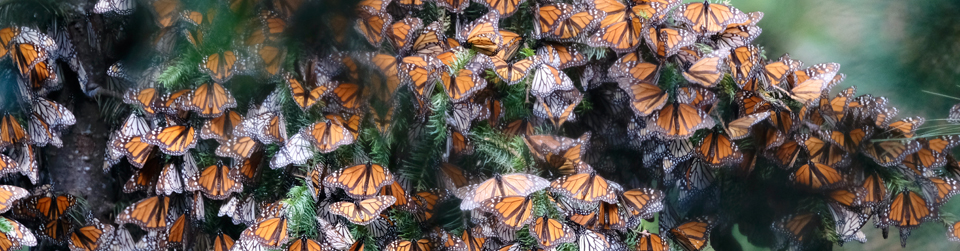
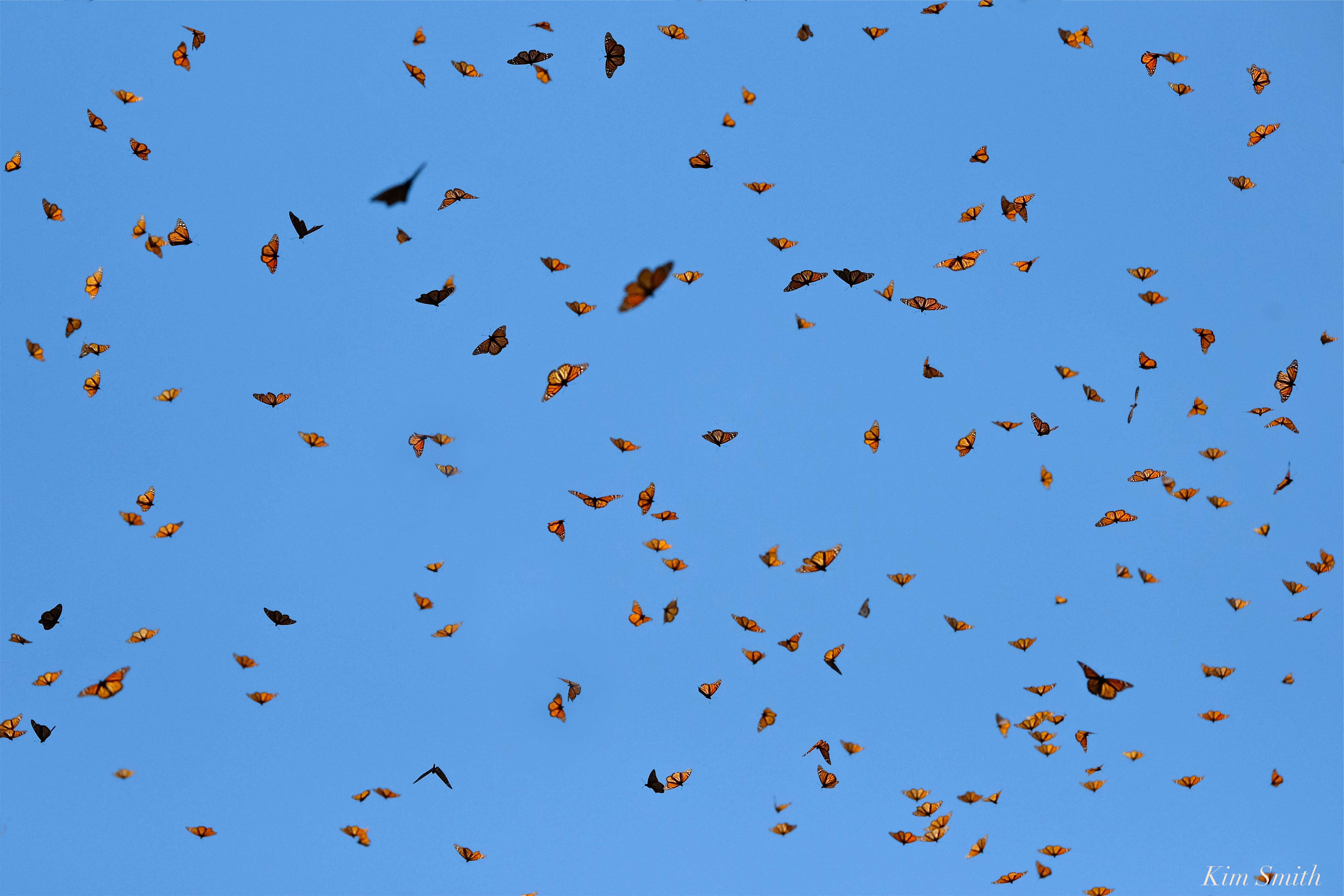
Tree-top view – standing at the top of the mountain looking down into the valley below. All the orange bits and flakes in the trees are Monarchs.
In early March, the native wildflower White Snakeroot (Ageratina altissima) was at bloom in Cerro Pelon and the Monarchs couldn’t get enough of it!
So many Monarchs this early in the season portends a possibly great summer for butterflies in our meadows and gardens. It’s the perfect time of year to plant Common Milkweed (Asclepias syriaca) seeds and many of our local nurseries carry Marsh Milkweed (Asclepias incarnata) plants. These two species are the most productive for Monarch eggs and caterpillars in our region.
Monarchs mating in a patch of Common Milkweed.
Monarch drinking nectar from Common Milkweed florets.
Female depositing egg on Marsh Milkweed foliage.
The milkweed we grow in the north supports spectacular migrations such as the one that took place this past winter of 2018-2019.
My husband Tom and I returned from filming Monarchs in Mexico very late Monday night. The first day back was pasta making for Saint Joseph Day at the Groppos and spending time with our son Alex and granddaughter Charlotte. Yesterday and today I’ve been pouring through the footage to add to the film. I’ll write some posts about beautiful Mexico, the fantastic JM Butterfly B and B, and the magnificent Monarchs as soon as I have time to sort through the photos. It was an adventure of a lifetime!
I was most worried about torturing Tom and wasn’t entirely sure we would have uninterrupted internet access so he could work remotely, but he had the best time meeting new people, riding horses up the mountain, climbing Cerro Pelon, and practicing his Spanish!
I am beyond excited to share that we have been able to license the music that I dreamed about for my Monarch Butterfly documentary. This may not sound like a huge deal, but we have been working towards this for several years. The four songs were composed and arranged by world renowned guitarist Jesse Cook and they are: “You,” “Fields of Blue,” Afternoon at Saties,” and “El Cri.” My husband, Tom, introduced me to Jesse’s music, and from the moment I heard it, I knew that we would find music to score Beauty on the Wing from his repertoire of beautiful songs
Jesse Cook: Beyond Borders is his newest concert special and begins airing on WGBH tonight at 8:30pm!
Beyond Borders is Cook’s most recent album and while touring the record over a 31 day period, from Canadian coast to Canadian coast, they filmed the performances in 4k every night. “The result is an immersive musical journey that treats the audience to a sense of being on stage with the band from the opening note to its energetic finale.”
From PBS:
JESSE COOK: BEYOND BORDERS
Premieres March 2, 2019 on PBS
– A Musical Journey with the Genre Bending Guitarist –
JESSE COOK: BEYOND BORDERS, the latest concert special by the acoustic guitar virtuoso, was filmed over the 31 days of his coast-to-coast tour of Canada. Instead of filming just one show in one night, the cameras rolled every night, allowing Jesse to place the best version of each song into this unique concert experience. The result is an immersive musical journey that treats the audience to a sense of being on stage with the band from the opening note to its energetic finale — a Jesse Cook “Rhumba Party.” JESSE COOK: BEYOND BORDERS is part of special programming premiering on PBS stations in March 2019 (check local listings).
Canadian guitarist, composer and producer Jesse Cook blends rumba and flamenco with elements of jazz and world music. He is a three-time winner of Canada’s Smooth Jazz Award for Guitarist of the Year, as well as a Juno Award-winner (Canada’s version of The Grammy) in the Best Instrumental Album category for Free Fall. In 2009, he was Acoustic Guitar’s Player’s Choice Silver Winner in the Flamenco category.
JESSE COOK: BEYOND BORDERS features these performances:
“Beyond Borders”
“Tempest”
“Come What May”
“Hembra”
“Jumpstart”
“Chendy’s Caja” solo
“Dance of Spring”
“Bombay Slam”
“Ho Hey”
“Double Dutch”
Medley (“Bombay Diner,” “Closer to Madness,” “That’s Right,” “Baghdad”)
“Beneath Your Skin”
Jesse Cook, a master guitarist known for his intoxicating fusion of world music, has travelled the globe looking for sounds that resonate with him. “I like finding common ground for different music traditions, a space where music from around the world can come together,” Cook explains. “A place where modern sounds can mix with ancient timbres.”
 Its many common names include Red Torch Mexican Sunflower, Bolivian Sunflower, Japanese Sunflower, but one of the loveliest is ‘Golden Flower of the Aztecs.’ Tithonia rotundifolia grows wild in the mountains of Central Mexico and Central America.















 Beauty on the Wing